I. Overview of Stainless Steel Pipe for Chemical Industry
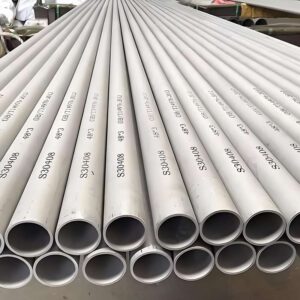
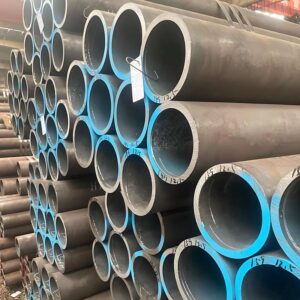
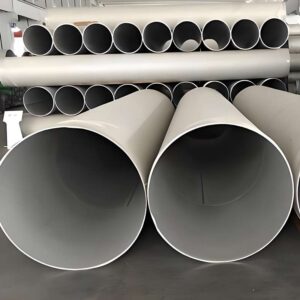
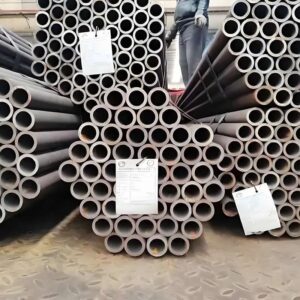
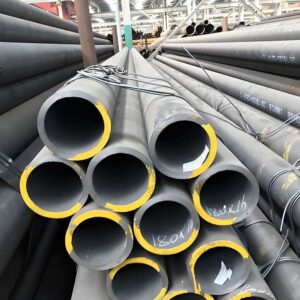
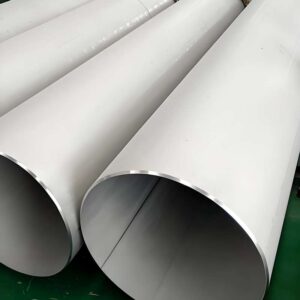
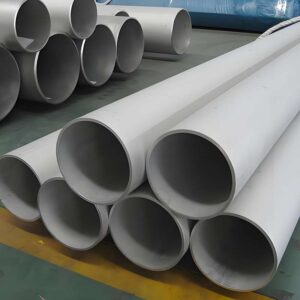
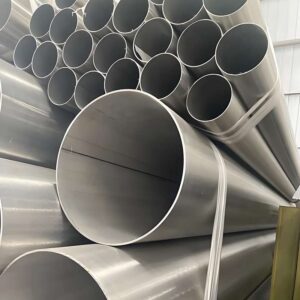
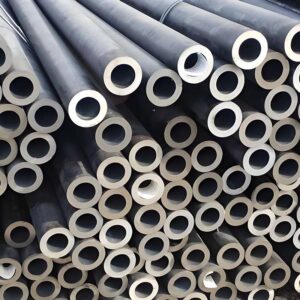
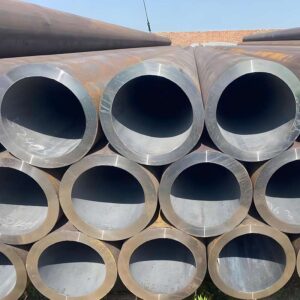
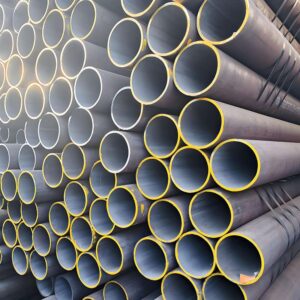
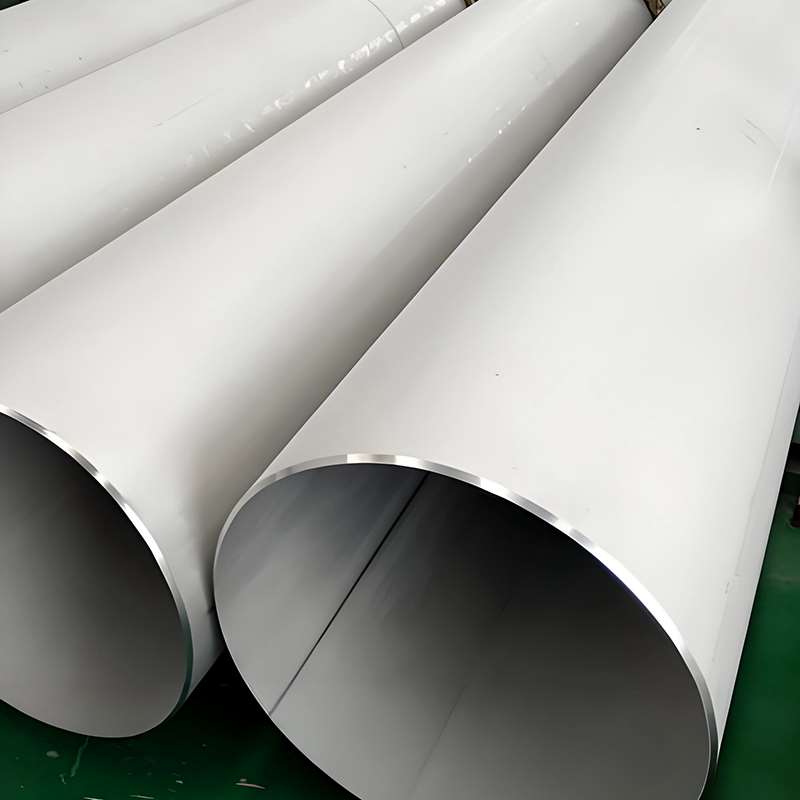
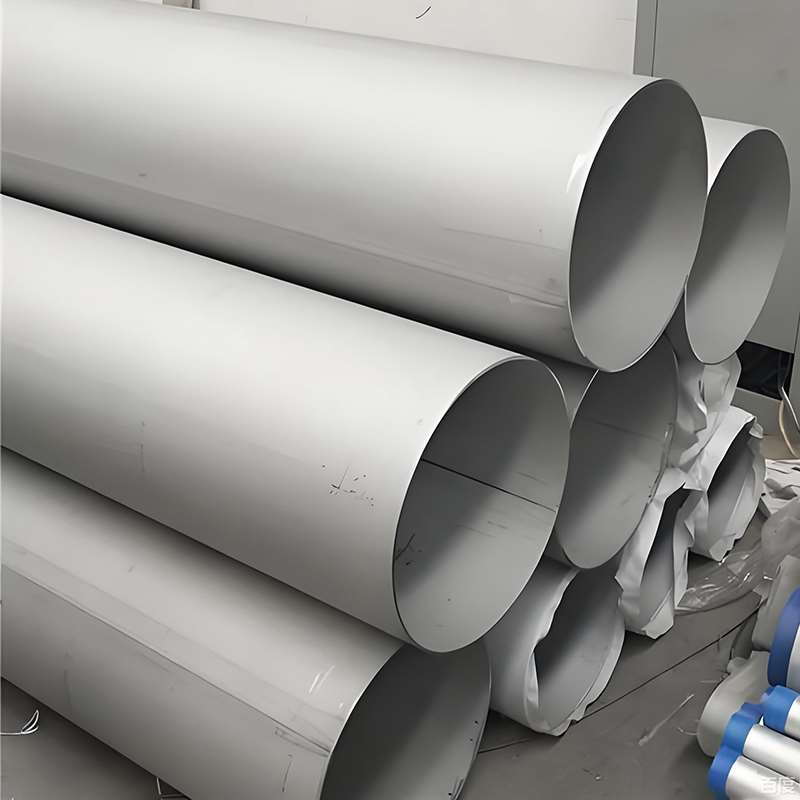
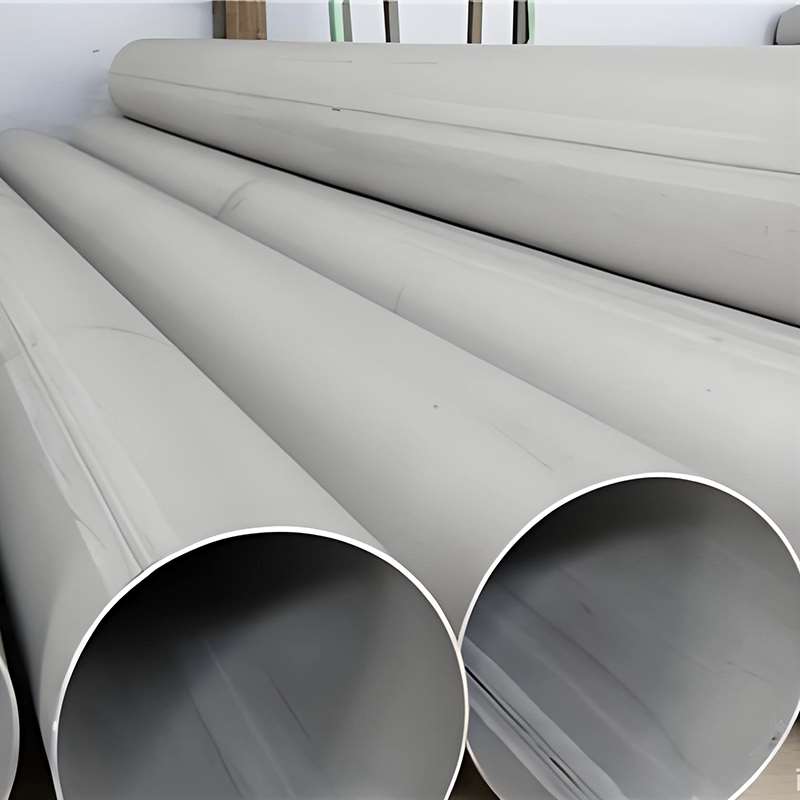
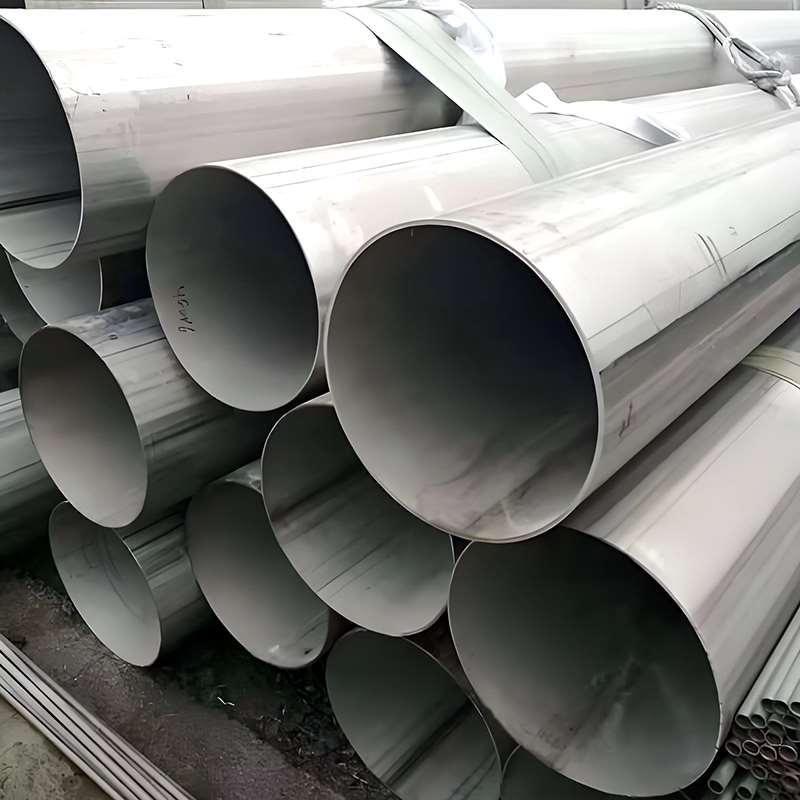
Stainless steel pipes for chemical industry applications are specifically designed for the safe and efficient transport of both industrial and sanitary fluids.
Manufactured from high-quality stainless steel grades such as 304, 316, and 316L, these pipes offer excellent corrosion resistance, strong chemical compatibility, and reliable mechanical strength.
The low-carbon composition of 316L makes it especially suitable for long-term service in environments involving strong acids, alkalis, and high-purity media, while minimizing the risk of intergranular corrosion.
These pipes are produced in accordance with international standards, including ASTM A312, ASTM A269, and EN 10217-7, ensuring consistent dimensional accuracy, structural integrity, and high-quality weld performance.
II.Selection Guide for Stainless Steel Pipe for Chemical Industry
i. Material quality
Slightly corrosive liquid: fresh water, low density acid, available in 304 non-ferrous steel.
Strong corrosion liquid: phosphoric acid, sulfuric acid, nickel acid, strong organic solvent, select 316 or 316L non-metallic steel, its Mo element has high point resistance performance, 316L low capacity design and anti-crystallization.
Raw liquids: such as injections, dairy products, fruit juices, etc., with metal deposits, high requirements for cleaning convenience, use of 316L mirror light tube, ensuring protection and no blind spots.
Recommendation: The selection of 316L or 904L high-grade corrosion resistance, including the selection of chemical substances, and the corrosion-resistance ability of the 316L or 904L grade.
ii. Root force, temperature selection, wall thickness
| Pressure Level | Recommended Wall Thickness | Application Notes |
|---|---|---|
| Low Pressure ≤ 1.0 MPa | Standard wall thickness pipe | Suitable for general fluid transportation, but material selection should be considered for highly corrosive media. |
| Medium Pressure 1–5 MPa | Thick-wall pipe | Ensures pressure-bearing capability and reduces long-term fatigue cracking risks. |
| High Pressure > 5 MPa | Thick-wall pipe + 100% weld NDT | High-pressure service is sensitive to weld defects; X-ray or ultrasonic testing is required for safety. |
High-temperature engineering: The metal strength decreases as the temperature decreases, the number of expansion systems increases, the strength of the expansion increases, and the demand for thick-walled pipes increases.
Low temperature technology: -196°C ~ 0°C, low temperature drop, demand selection 316L pipe, guaranteed anti-brittle cracking ability.
Presentation: Choose the time you want to think about the power of the moment, the power of the circulation, the power of the rotation, and the long-term influence of the power.
iii. Manufacturing vs. industrial pipeline type
Pproduction line:
Inner wall Ra ≤0.4 μm, mirror light or electrolytic light
Smooth and smooth, no blind spots, easy to clean and disinfect
Used in high-quality liquids such as dairy products, fruit juices, etc.
General power ≤1.0 MPa, temperature can be normal temperature and high temperature environment
Industrial pipeline:
Highly corrosion resistant, corrosion resistant, selectable acid wash or light surface
Possible slight modification, but strong sealability
Used for chemical liquid transport, power range 5–10 MPa, temperature -196°C ~ 300°C
Presentation: Industrial pipe repair material surface optical quality, easy cleaning, industrial pipe repair material corrosion resistance and burnability.
iv. Selection based on surface selection
Highly corrosive fluid and high quality industrial demand protection 100% free of charge (X-Ray or super voice).
The production line is exposed to light or acid wash, and is washed with dirt and dyed.
Surface treatment directly affects cleaning efficiency, corrosion resistance and long service life.
III. Standards for chemical and industrial systems
| Inspection Item | Inspection Requirements | Typical Parameters / Values |
|---|---|---|
| Chemical Composition Test | Element content must meet material standards (304 / 316 / 316L) | C ≤ 0.08%, Cr 18–20%, Ni 8–12%, Mo 2–3% (316/316L) |
| Visual Inspection | Pipe surface shall be free of cracks, shrinkage cavities, welding defects, scratches, or dents | Smooth surface with no visible defects |
| Dimensional Inspection | Outer diameter, wall thickness, and tolerances shall meet standards | Within ±1%; wall thickness per design requirements |
| Weld Quality Inspection | Weld shall be continuous, uniform, and free of slag inclusion or porosity | X-ray or ultrasonic testing; no weld defects |
| Mechanical Properties Test | Tensile strength, yield strength, and elongation shall meet standards | Tensile: 485–620 MPa; Yield ≥ 205 MPa; Elongation ≥ 40% |
| Pressure Test | Hydrostatic or pneumatic test to ensure sealing and pressure resistance | Hydrostatic: 1.5× working pressure; hold 10–15 minutes with no leakage |
| Bending / Flexibility Test | Pipe must be bent per standards without cracking | Bending angle ≥ 90°, no cracks |
| Surface Roughness Test | Hygienic pipes require inner Ra ≤ 0.4 μm; industrial pipes per standard | Ra ≤ 0.4 μm (mirror polished) |
| Pickling & Passivation Test | After passivation, corrosion resistance shall be improved | Performed according to ASTM A967 |
| Material Certificates & Quality Documents | Provide MTC and EN 10204 3.1 certificate for traceability | Includes chemical composition, mechanical properties, inspection results, and standard compliance |