In international steel pipe procurement, finding a supplier offering a low price is not difficult. However, ensuring that the supplier can deliver black welded steel pipes on time, with consistent quality and accurate specifications, requires rigorous verification of its background and capabilities. If the manufacturer is not properly audited before procurement, buyers may face costly risks such as misrepresented material grades, significant negative wall thickness deviations, weld seam cracking, and delivery delays.
This guide provides a systematic approach to efficiently and accurately evaluating a black welded steel pipe manufacturer from multiple perspectives, including production capabilities, certifications, quality control, and potential cost traps.
I. What Is a Black Welded Steel Pipe Manufacturer?
Before beginning the verification process, it is important to first clarify the different roles within the supply chain:
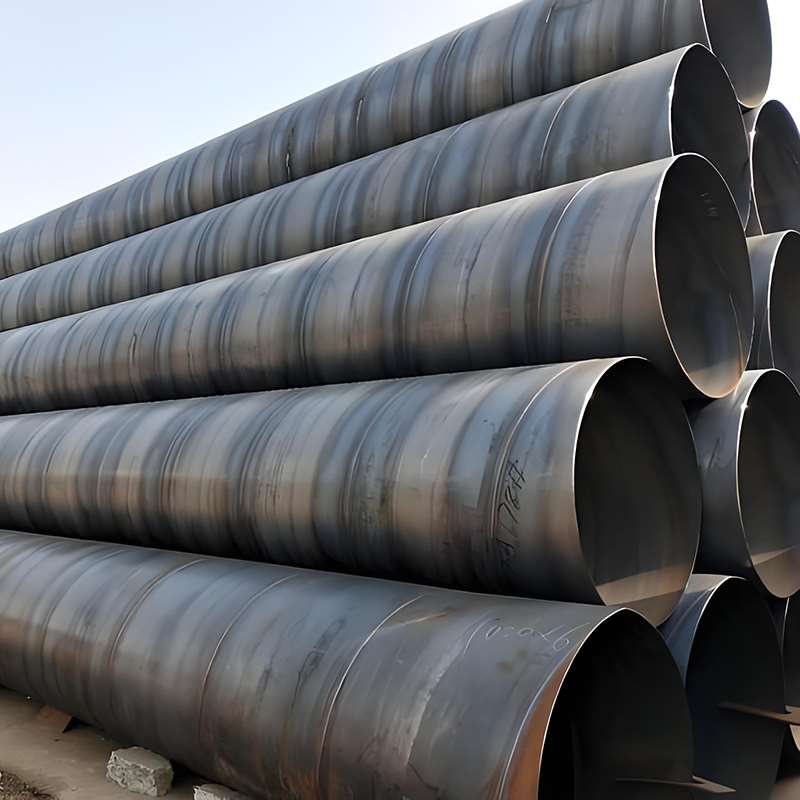
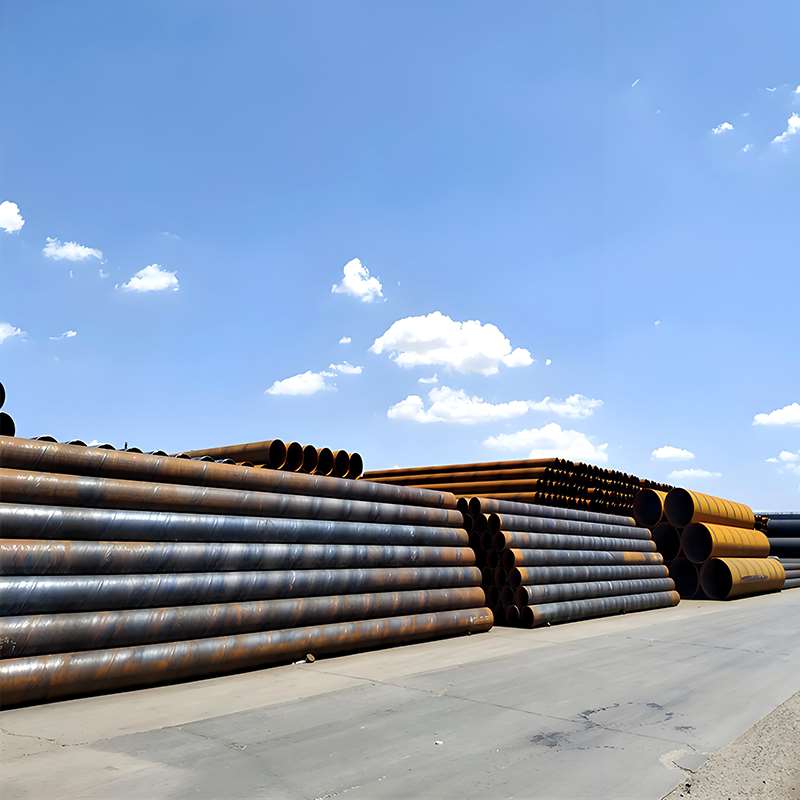
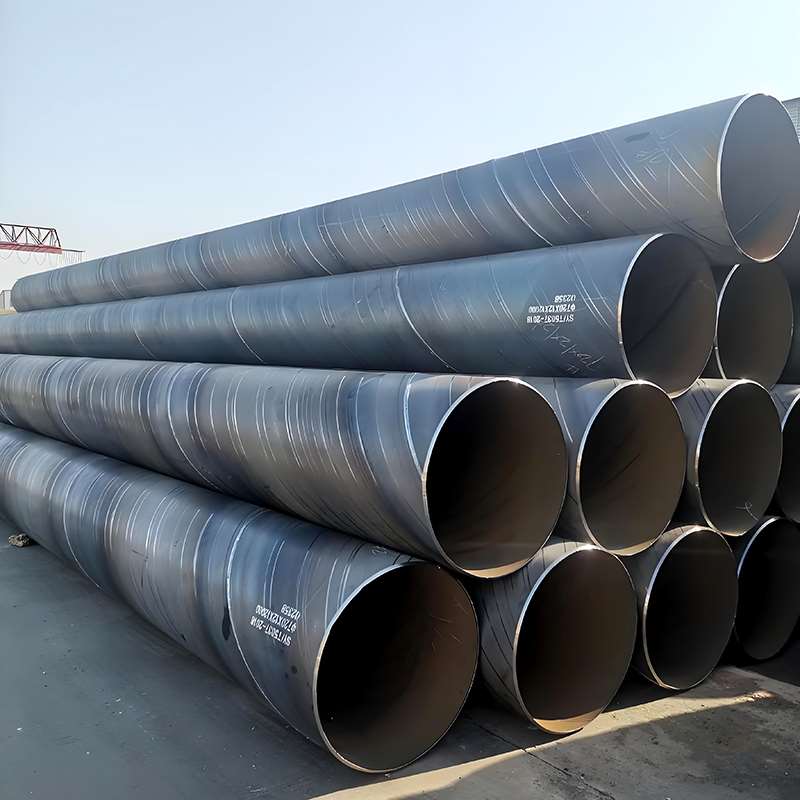
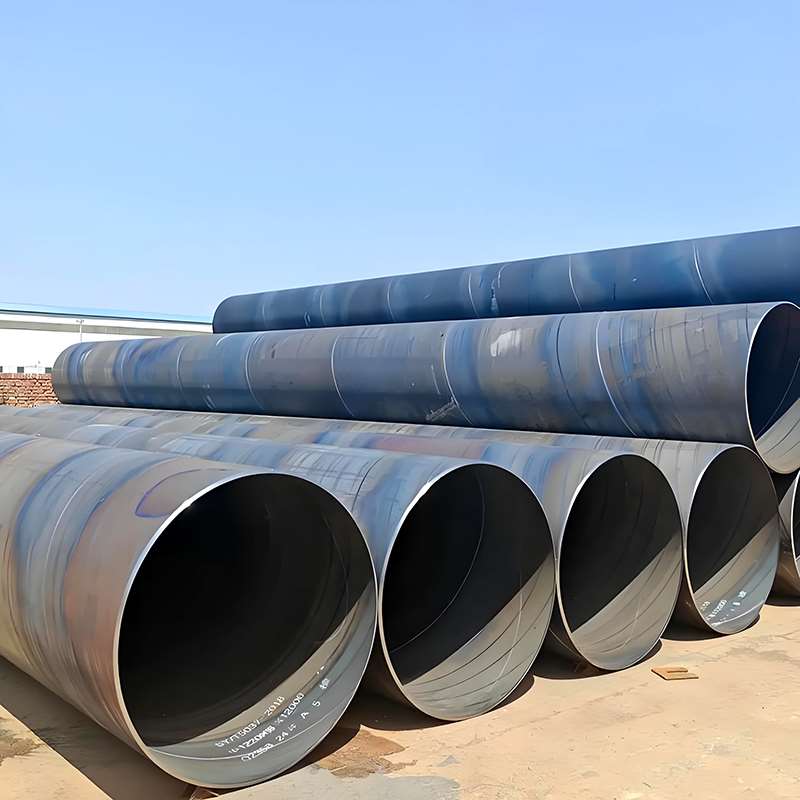
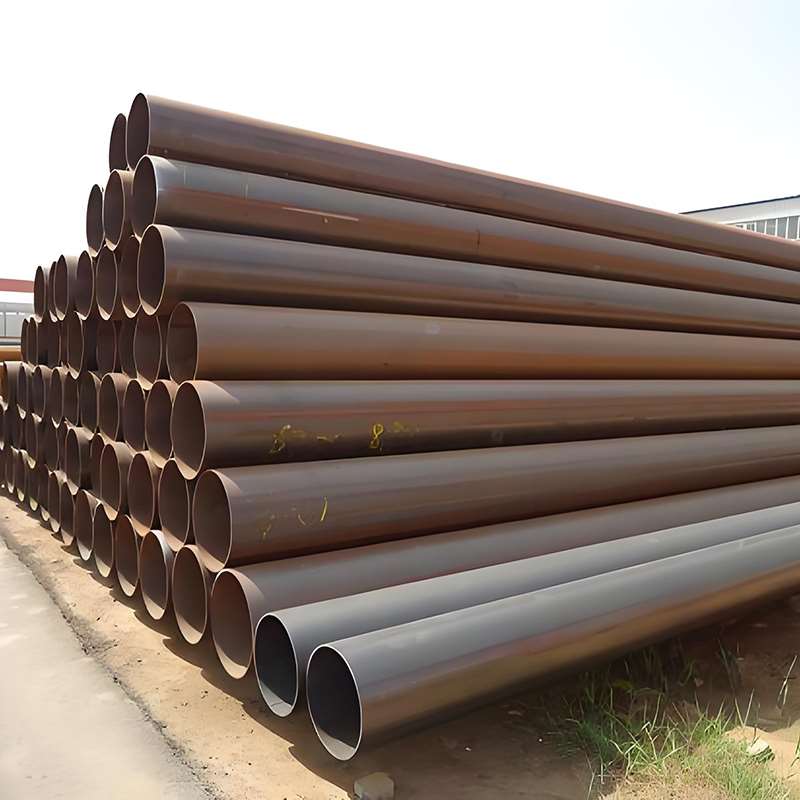
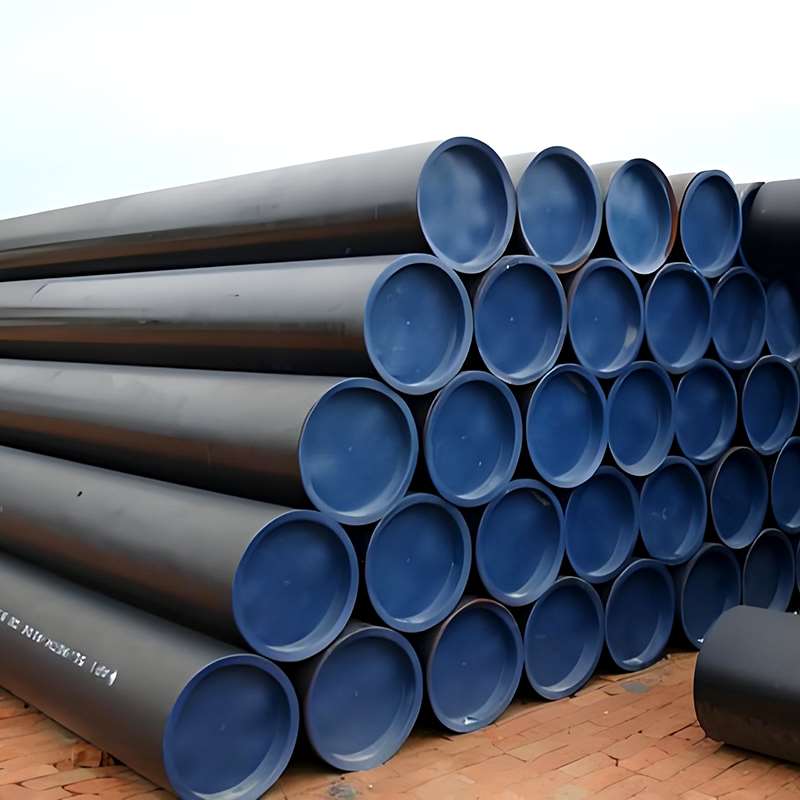
Black Welded Steel Pipe: Refers to welded steel pipe that has not undergone galvanizing treatment. It mainly includes different manufacturing processes such as Electric Resistance Welding (ERW), Longitudinal Submerged Arc Welding (LSAW), and Spiral Submerged Arc Welding (SSAW).
Actual Manufacturer: Owns its own production facilities, forming and welding equipment, testing lines, and raw material storage facilities, giving it direct control over product quality and production schedules.
Supplier / Distributor: Maintains ready stock and provides quick stock supply or order fulfillment services, primarily for small and medium-sized end customers.
Trading Company: Does not directly own production lines or inventory and mainly connects buyers with actual manufacturers through market information and channel resources.
II. Does the Manufacturer Have the Required Production and Testing Equipment?
The first step in verifying a manufacturer is to confirm whether its equipment and facilities can meet the specific process requirements of your project. Different welding processes require significantly different types of equipment:
ERW Production Line: Check the power capacity of the high-frequency welding equipment, internal weld bead removal system, and online heat treatment equipment for the weld seam.
LSAW Production Line: Check whether the manufacturer has plate edge pre-bending machines, JCOE or UOE forming presses, internal and external submerged arc welding machines, and pipe expanding machines.
SSAW Production Line: Check the forming machine, automatic weld tracking system, and pipe-end finishing equipment.
Hydrostatic and Inspection Equipment: Confirm whether the factory is equipped with high-pressure hydrostatic testing machines, ultrasonic testing (UT) equipment, and radiographic testing (RT) equipment. These are essential for ensuring weld seam integrity, leak tightness, and overall pipeline safety.
III. Can the Manufacturer Produce the Specific Specifications You Require?
The production capabilities of a genuine manufacturer have clear physical limitations. During the verification process, the following items should be checked carefully:
- Outside Diameter (OD) Range: ERW typically covers small- to medium-diameter sizes (such as NPS 1/2″ to 24″), while LSAW/SSAW generally covers medium- to large-diameter sizes (such as 16″ to 100″+).
- Wall Thickness (WT) Range: Confirm whether the forming equipment and welding capacity can achieve the maximum wall thickness required for your project, such as SCH 80, SCH 160, or extra-heavy wall thicknesses.
- Length and Delivery Condition: Check whether the manufacturer can provide Single Random Length (SRL), Double Random Length (DRL), or precision fixed-length cutting.
- Material and Steel Grade: Confirm whether its welding processes support high-strength steel grades, such as API 5L X52–X70, ASTM A53 Gr. B, and EN 10219 S355.
- Pipe Ends and Surface Treatment: Check whether the manufacturer is equipped with beveling machines, threading machines, and production lines for painting, rust-preventive oil application, or bare-pipe corrosion protection.
IV. What Quality Certifications and Documents Should the Manufacturer Provide?
- Quality Management System Certification: ISO 9001 certification.
- Industry-Specific Certifications: An API 5L certificate for oil and gas transmission pipelines, or CE certification for structural applications in accordance with EN 10219 / EN 10210.
- Material Traceability Documents: Mill Test Certificates (MTCs) compliant with EN 10204 3.1, containing complete records of chemical composition and mechanical properties.
- Third-Party Inspection Reports: Historical inspection reports (TIRs) issued by internationally recognized third-party inspection agencies such as SGS, BV, TÜV, or Lloyd’s.
V. How Does the Manufacturer Control Steel Pipe Production Quality?
- Incoming Quality Control (IQC): Inspection of the thickness tolerance of incoming steel coils/plates, spectroscopic analysis of chemical composition, and mechanical property testing.
- Online and Offline Weld Seam Inspection: Automatic ultrasonic testing (UT) during the welding process, along with monitoring of weld seam heat treatment.
- Dimensional Tolerance Inspection: Sampling or 100% inspection of outside diameter, wall thickness, ovality, straightness, and pipe-end bevel angle.
- Hydrostatic Testing: The pipe is tested at the specified pressure and held for the required period in accordance with the applicable standard to ensure 100% leak-tightness.
- Offline Nondestructive Testing (NDT): Magnetic particle testing (MT) or radiographic testing (RT) of pipe ends and areas where weld repairs have been performed.
- Final Quality Control (FQC): Inspection of surface appearance, marking and identification, paint uniformity, and moisture-proof packaging and protection.
VI. How Can You Identify the Potential Risks of Low-Cost Manufacturers?
- Quotation Significantly Below Raw Material Costs: Steel prices are relatively transparent. If the quotation is lower than the prevailing cost of hot-rolled steel coils, the manufacturer may be using substandard steel strip or remelted scrap steel.
- Unclear Source of Steel Plates/Coils: The manufacturer is unable to provide clear material certificates for the parent material sourced from state-owned or major first-tier steel mills, such as Baosteel, Shougang, or Ansteel.
- Refusal to Provide Standard MTCs: The manufacturer provides only generic stamped forms without specific Heat Numbers or detailed test data.
- Refusal of Third-Party Inspection: The manufacturer refuses to allow customer-appointed inspection agencies such as SGS or BV to conduct on-site inspections or loading supervision.
- Actual Manufacturing Process Inconsistent with the Contract: The quotation specifies ERW/LSAW, but the manufacturer actually uses lower-cost spiral welded pipe or reprocessed/reworked pipe as a substitute.
- Significant Negative Wall Thickness Deviation: The manufacturer takes advantage of the lower limit of the standard’s allowable tolerance and deliberately produces thin-wall pipe close to the negative tolerance limit to reduce material weight and save costs.
VII. Manufacturers vs. Trading Companies: How to Choose?
In procurement decisions, whether to choose a physical factory or a professional trading company depends on the actual needs of the project:
| Comparison Dimension | Actual Manufacturer | Professional Trading Company |
|---|---|---|
| Price Advantage | More cost-effective for large-volume orders | Higher markup for small and medium-sized orders, but overall procurement costs may be lower due to supply chain integration |
| Quality Control | Direct traceability to the production source and quality inspection process | Relies on the quality control of partner factories and requires additional verification |
| Product Range | Limited to specifications that can be produced with its own equipment | Can provide one-stop procurement of different manufacturing processes, materials, and accessories |
| Minimum Order Quantity (MOQ) | Relatively strict; usually requires the minimum quantity for each specification to be met | Flexible; can provide ready stock or mixed small-batch orders |
Scenarios for choosing a manufacturer: Large purchase volume, single specification, clear customized project standards, or high requirements for traceability of source materials.
Scenarios for choosing a trading company: Orders include multiple specifications/accessories (e.g., steel pipes + flanges + fittings), small purchase volume, and require extremely short delivery times or spot supply.
VIII. 10-Point Quotation Checklist Before Placing an Order
- Manufacturing Standard and Grade: Does the product fully comply with the specified standard and grade, such as ASTM A53 Gr. B or API 5L?
- Welding Process: Is the welding process clearly specified as Type E (ERW), Type L (LSAW), or Type S (SSAW)?
- Dimensions and Wall Thickness Tolerances: Which tolerance standard will be applied, such as API 5L or ASME B36.10M? What is the maximum allowable negative deviation?
- Parent Material Source: Can the supplier specify or provide the original material certificates for steel coils/plates sourced from major first-tier steel mills?
- Hydrostatic and NDT Inspection: Are the pipes subjected to 100% hydrostatic testing and ultrasonic testing during production?
- Pipe-End Configuration: Are the pipe ends Plain End (PE), Beveled End (BE, including bevel angle and root face dimensions), or Threaded and Coupled (T&C)?
- Surface Protection Requirements: Will the pipes be supplied as bare black pipe, with anti-rust paint, lightly oiled, or painted according to specific requirements?
- MTC Delivery Format: Can the supplier provide complete Mill Test Certificates (MTCs) compliant with EN 10204 3.1 together with the shipment?
- Third-Party Inspection: Does the contract allow and support in-process inspection and loading supervision by third-party agencies such as SGS or BV?
- Packaging and Transportation Protection: Are pipe bundling, plastic pipe-end protectors, and moisture- and rust-prevention measures included in the quotation?