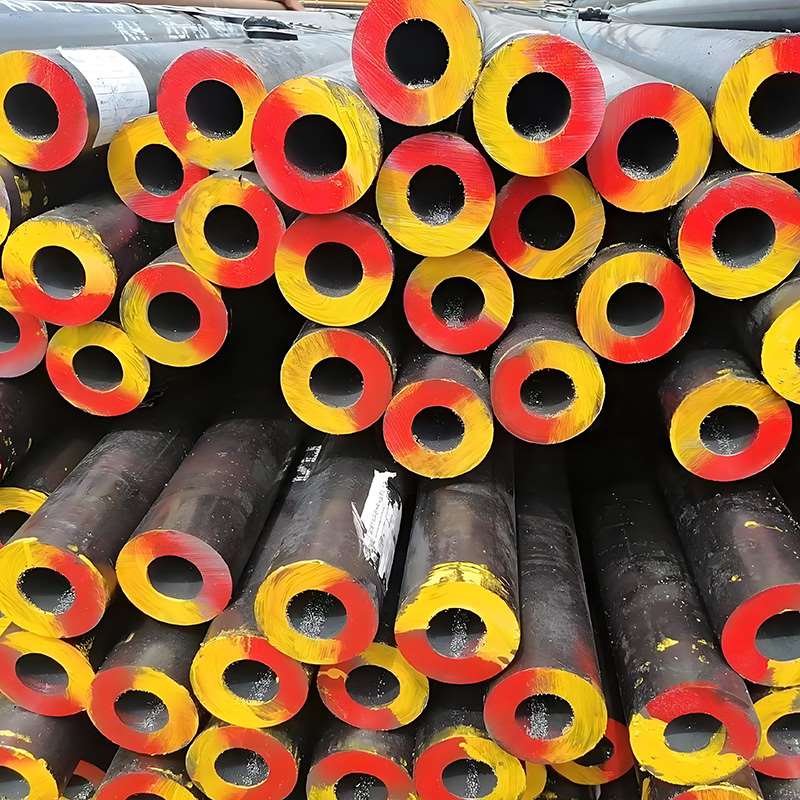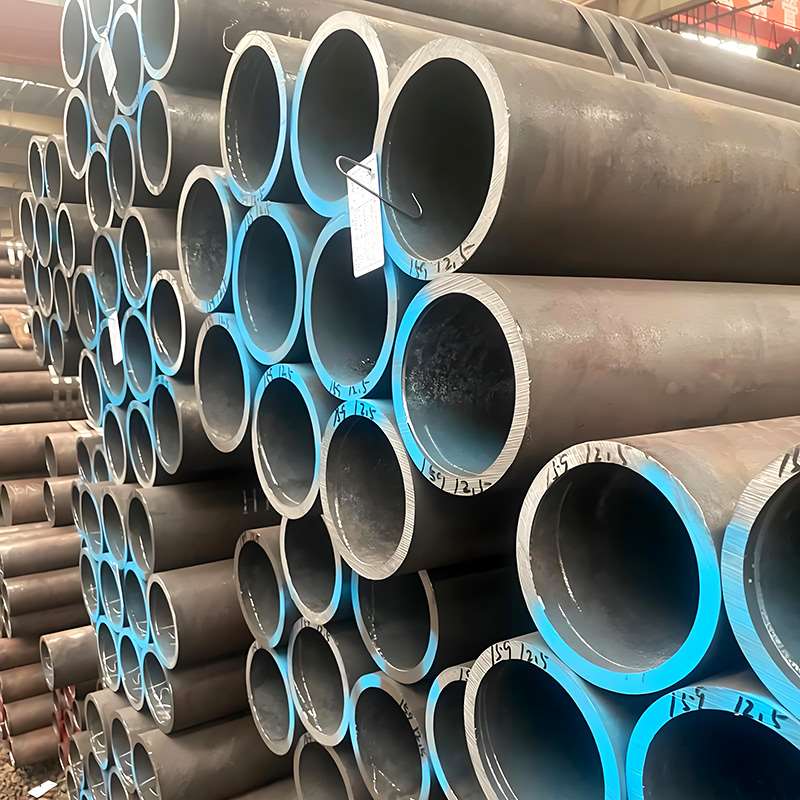
Black welded steel pipe is one of the most widely used materials in industrial applications, structural engineering, and energy transportation. However, choosing the wrong pipe standard can not only lead to project delays and compliance issues, but may also create safety risks such as pipeline leakage.
This guide provides a detailed breakdown of black welded steel pipe, including its definition, major international standards, selection methods for different applications, key specifications and parameters, anti-corrosion coating options, and quality verification procedures. It will help you make accurate and informed purchasing decisions.
I. What Is Black Welded Steel Pipe?
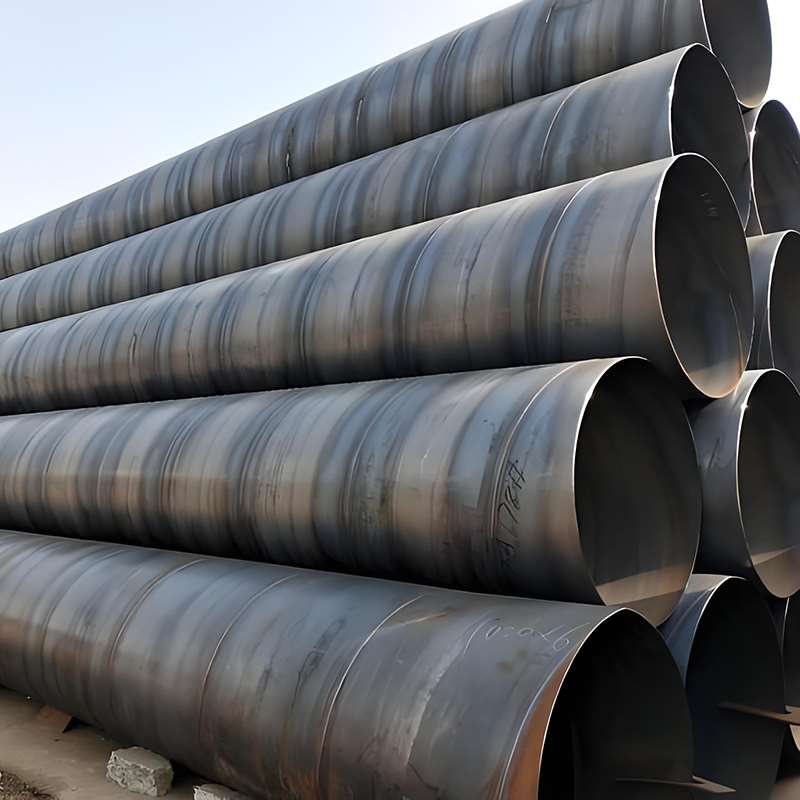
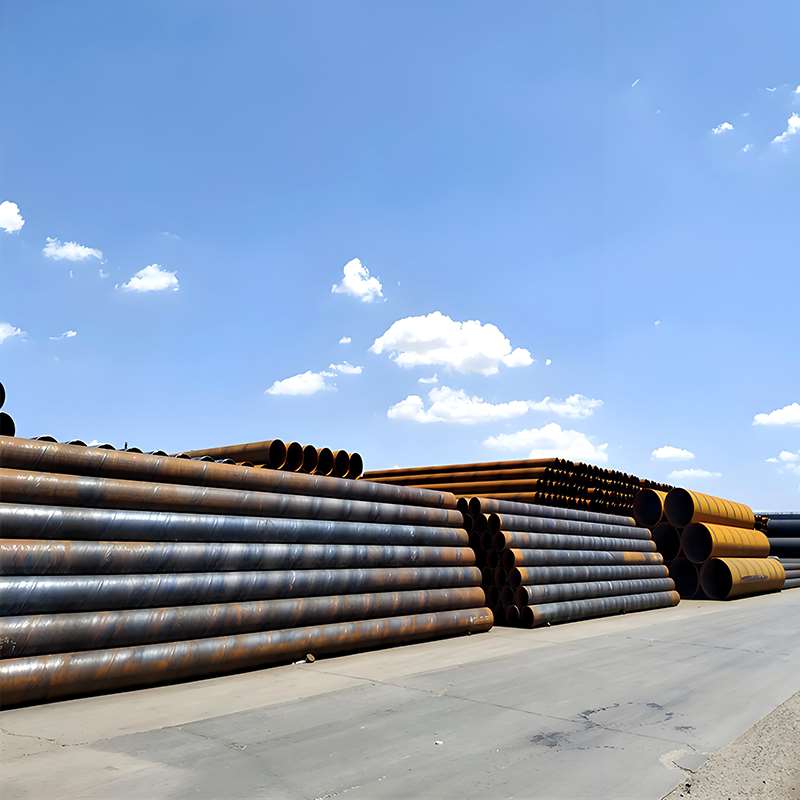
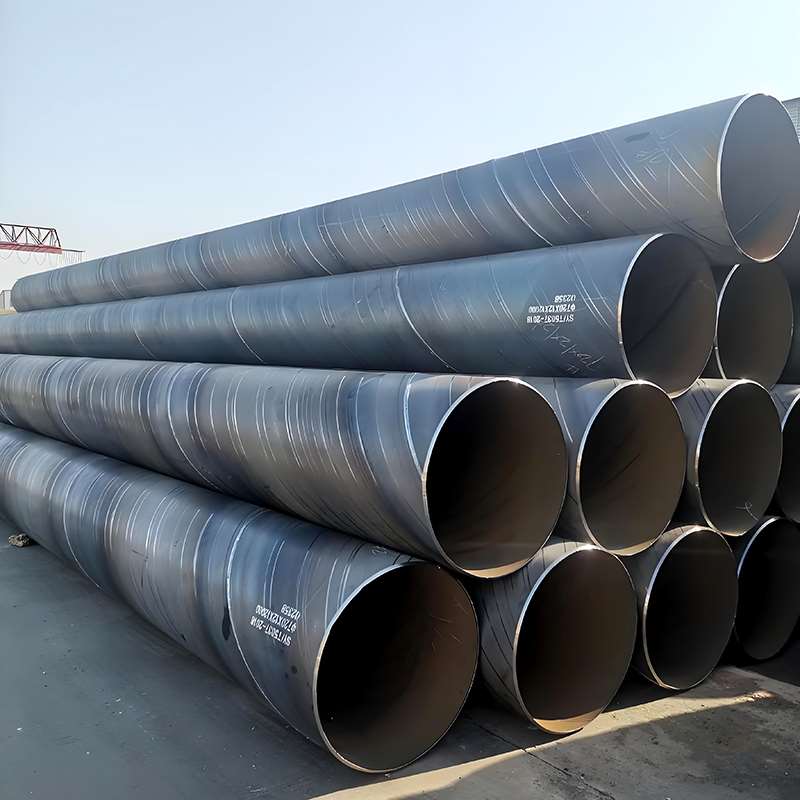
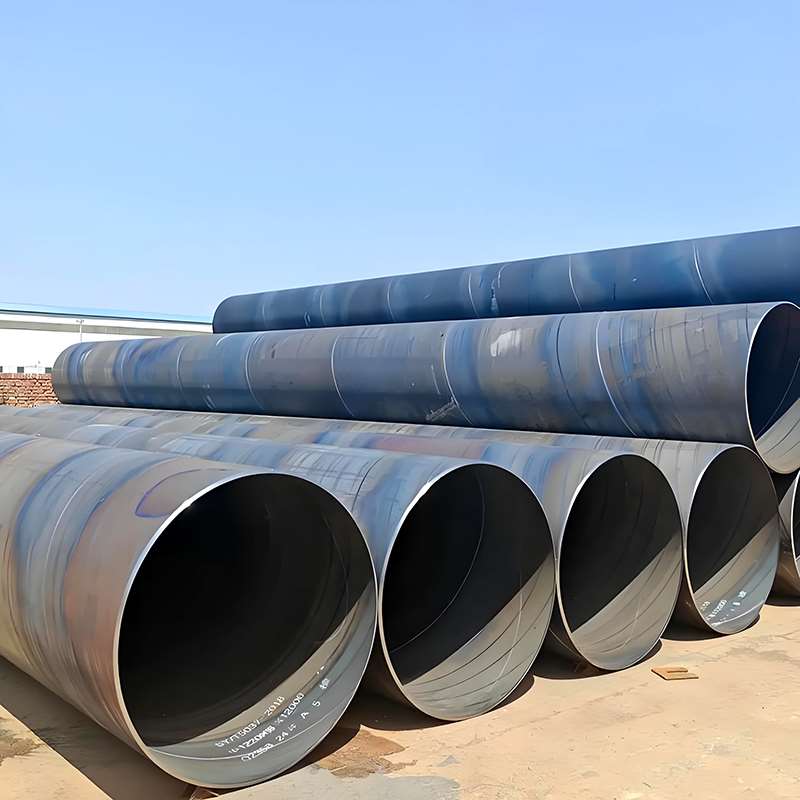
“Black steel pipe” generally refers to bare steel pipe that has not undergone surface galvanizing. During the high-temperature manufacturing process, a layer of dark gray iron oxide naturally forms on the surface of the steel pipe, which is why it is commonly referred to as “black pipe” in the industry.
1. Characteristics and Manufacturing Process
“Black” vs. “Galvanized”: Black pipe is a plain steel pipe without galvanizing treatment, while galvanized pipe undergoes hot-dip galvanizing and has a protective zinc coating on its surface. Galvanized pipe is commonly used in outdoor environments or for exposed domestic water piping, whereas black pipe is widely used for natural gas transmission, closed-loop water circulation systems, fire sprinkler systems, and structural building frameworks.
2. Main Types of Welding Processes
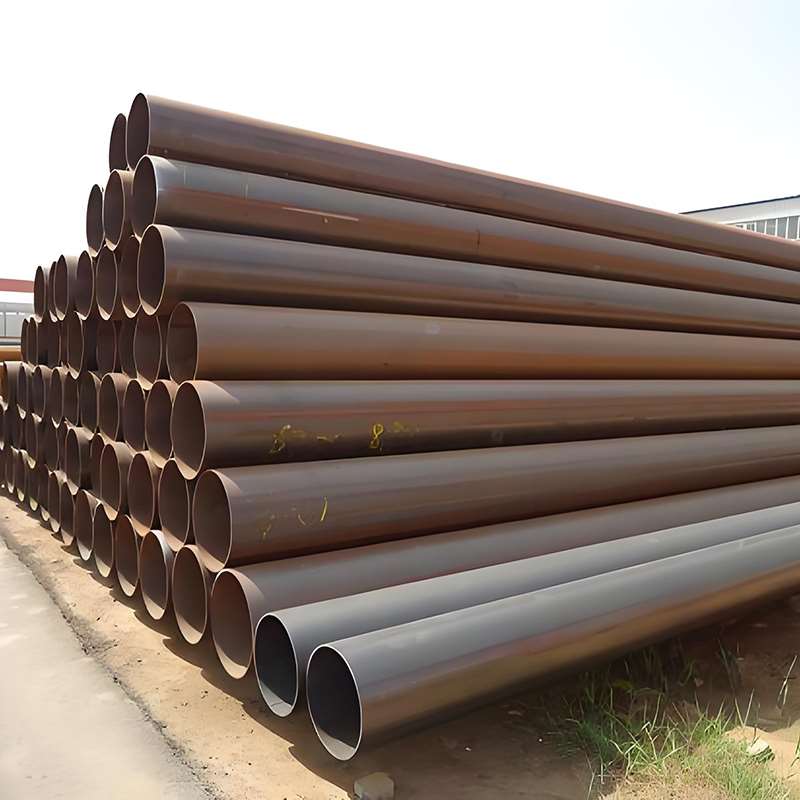
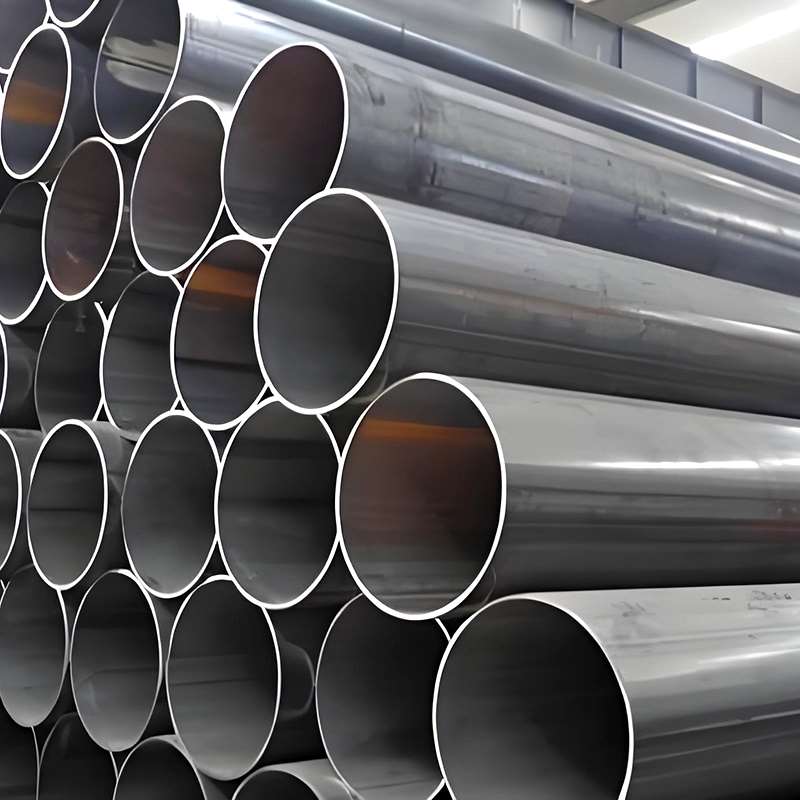
ERW (Electric Resistance Welded): Manufactured by forming steel strip into a tubular shape and welding it using electric resistance welding. It features a tight, uniform weld seam and is commonly used for fluid transportation and structural applications involving small- to medium-diameter pipes.
LSAW (Longitudinal Submerged Arc Welded): Manufactured by bending and forming medium- and heavy-gauge steel plates, followed by submerged arc welding. It is suitable for large-diameter, thick-wall, high-pressure oil and gas trunk pipelines.
SSAW / HSAW (Spiral Submerged Arc Welded): Manufactured by continuously forming steel strip into a spiral shape and welding it using the submerged arc welding process. It is commonly used for large-diameter, long-distance water transmission projects and medium- and low-pressure transmission pipelines.
II. What Are the Main International Standards for Black Welded Steel Pipe?
When purchasing steel pipe, the applicable pipe standard directly determines the material’s chemical composition, mechanical properties, and pressure rating. The following is a comparison of the major international standards commonly used for black welded steel pipe worldwide.
| Standard | Application | Common Manufacturing Process | Features & Grades |
|---|---|---|---|
| ASTM A53 (Type E) | Water, gas, steam transmission, and low-pressure structural applications | ERW | Commonly available in Grade A and Grade B; a widely used North American standard for general-purpose pressure and mechanical pipe. |
| API 5L | Long-distance oil and gas transmission pipelines | ERW / LSAW / SSAW | Divided into PSL1 and PSL2 quality levels; has stringent requirements for chemical composition, toughness, and non-destructive testing. |
| EN 10217 | European standard for pressure vessels and pressure pipelines | Various welding processes | Covers non-alloy and alloy steel pipes and specifies pressure performance at both ambient and elevated temperatures. |
| EN 10255 | Water, gas, and general fluid transmission in Europe | Welded (ERW) | Suitable for medium- and light-duty pipes that can be threaded or welded; commonly used in fire protection, water supply, and drainage projects. |
| ASTM A500 | Building structures, bridges, and mechanical components | ERW / Seamless | Focuses on structural performance; common Grades B and C offer excellent bending and tensile strength. |
III. How to Choose the Right Standard for Your Project?
For different application scenarios, the selection of the appropriate pipe standard should prioritize the type of medium, operating pressure, and environmental requirements.
1. Water Transmission Projects
Medium- and low-pressure municipal water pipelines: Choose ASTM A53 Grade B or EN 10255.
Large-diameter, long-distance water transmission trunk pipelines: SSAW (spiral welded pipe) is recommended in combination with ASTM A139 or AWWA C200.
2. Natural Gas Projects
Municipal medium- and low-pressure gas networks: ASTM A53 or API 5L Gr. B (PSL1) is commonly used.
High-pressure gas transmission pipelines: API 5L (PSL2) should be used, with high-strength grades such as X42 and X52.
3. Oil Transmission Pipelines
Strictly comply with the API 5L standard (PSL2), and add Charpy impact testing requirements according to the ambient temperature conditions.
4. Structural Engineering
For applications without pressure requirements, such as steel structure piling, building frames, and bridge supports, ASTM A500 (Grade B/C) or EN 10219 should be prioritized. Particular attention should be paid to yield strength and cross-sectional dimensions.
5. Pressure Piping and Industrial Boilers
For high-temperature and high-pressure piping systems in industrial facilities, the EN 10217 series or ASTM A672 (large-diameter electric-fusion-welded pressure pipe) should be selected.
IV. What Specifications Should Be Checked When Purchasing Black Welded Steel Pipe?
- Outside Diameter: Specify the nominal pipe size (such as DN or NPS) or the exact outside diameter in millimeters or inches.
- Wall Thickness: Specify the exact wall thickness (such as 6.0 mm) or the Schedule designation (such as SCH 40 or SCH 80).
- Length: Specify the required fixed length, such as Single Random Length (5.8 m / 6 m) or Double Random Length (11.8 m / 12 m), or provide a specific customized length.
- Material Grade: Clearly specify the required material grade, such as A53 Gr. B, API 5L X52, Q235B, or S235JR.
- Pipe End Type:
- Plain End (PE) — used for casing or butt welding;
- Beveled End (BE) — used for field butt welding;
- Threaded and Coupled (T&C) — used for threaded connections.
- Dimensional Tolerances: Clearly specify the allowable tolerances for outside diameter, wall thickness, and ovality.
- Hydrostatic Test: Confirm whether the pipe has passed the specified hydrostatic pressure holding test before leaving the factory.
- Nondestructive Testing (NDT) Requirements: Select the appropriate weld inspection method according to the pressure rating, such as Ultrasonic Testing (UT), Radiographic Testing (RT), or Eddy Current Testing (ET).
V. Does Black Welded Steel Pipe Require Surface Anti-Corrosion Coating?
Important Reminder: Black steel pipe is not inherently corrosion-resistant. The oxide scale on the surface of black pipe provides only very limited short-term protection against rust and can corrode easily in humid or buried environments. Therefore, an appropriate anti-corrosion coating must be selected based on the installation environment:
- 3PE / 3LPE (Three-Layer Polyethylene): Consists of a fusion-bonded epoxy powder primer, an intermediate adhesive layer, and an outer polyethylene layer. It offers high mechanical strength and excellent resistance to puncture, making it a preferred anti-corrosion solution for buried long-distance oil, gas, and water pipelines.
- FBE (Fusion-Bonded Epoxy): Offers strong adhesion and excellent chemical resistance and is commonly used for external corrosion protection or internal lining of buried pipelines.
- Coal Tar Epoxy / Liquid Epoxy Resin: Offers a good balance between cost and performance and is widely used for internal and external corrosion protection of municipal drainage pipelines and seawater transmission pipelines.
- Galvanizing: If the project is exposed to an outdoor atmospheric environment and does not require welding, black steel pipe can be hot-dip galvanized for enhanced corrosion protection.
- Anti-Rust Paint / Clear Coating: Intended only for short-term rust protection during transportation and suitable for use in dry indoor environments.