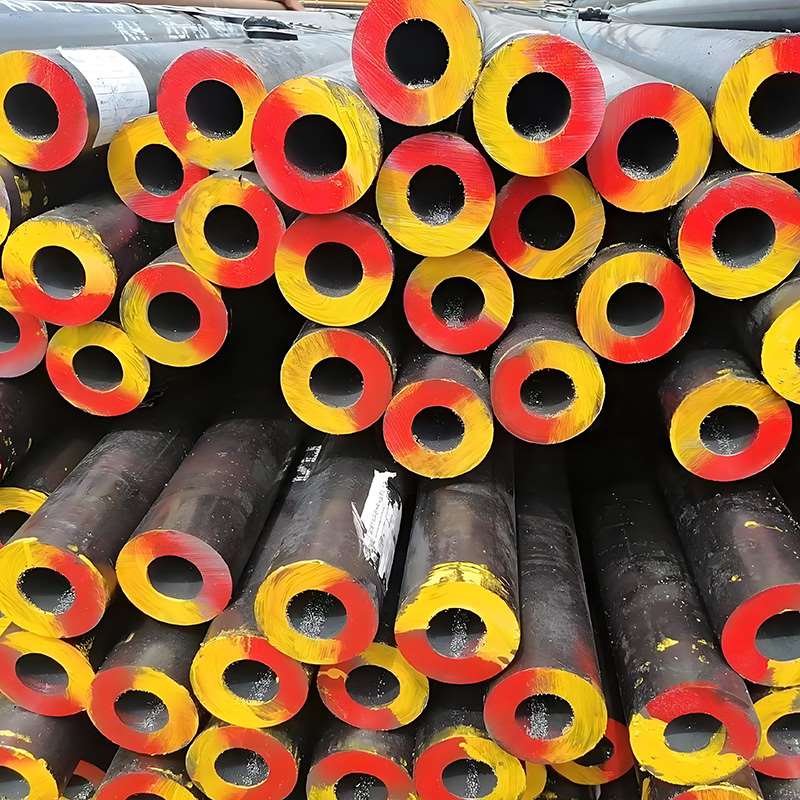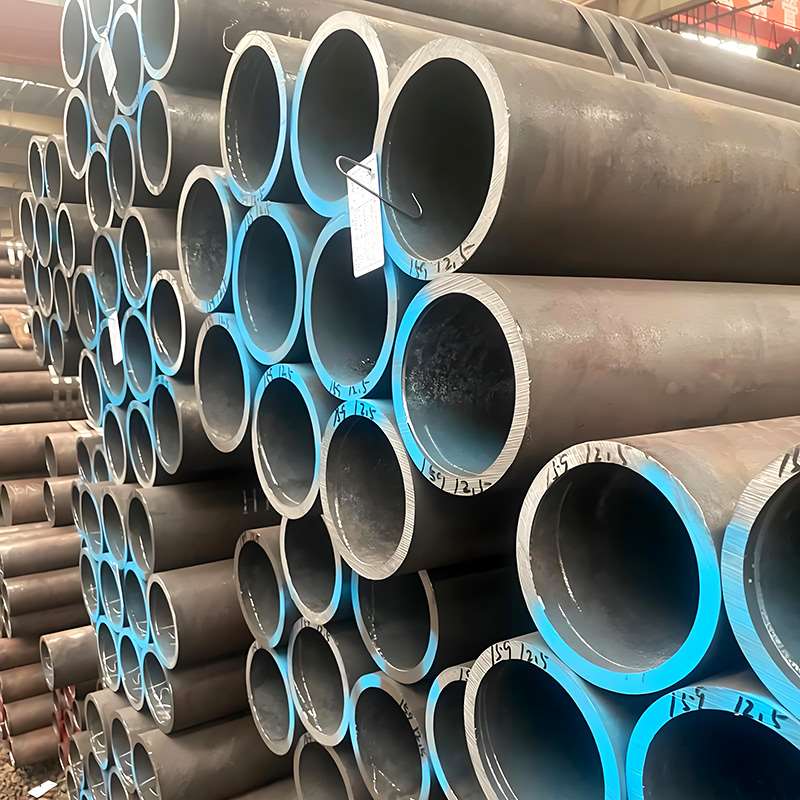
In the fields of oil, natural gas, water supply, water transmission projects, and large-scale infrastructure construction, large-diameter pipelines have always been a critical component of engineering projects.
When pipeline diameters reach 508 mm, 813 mm, 1016 mm, or even larger sizes, engineers usually need to find a balance between cost, strength, production efficiency, transportation, and installation requirements.
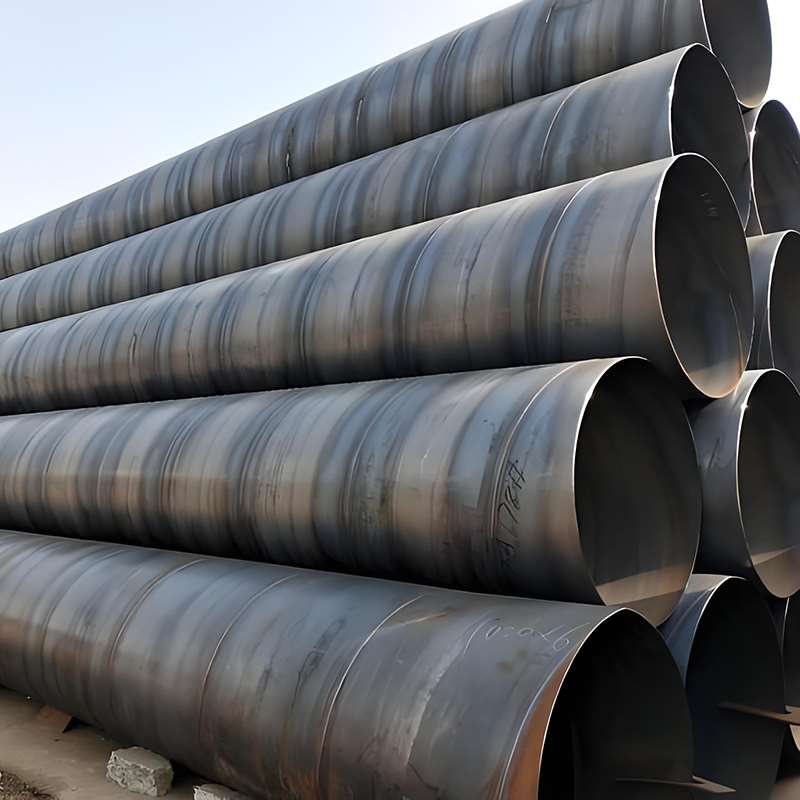
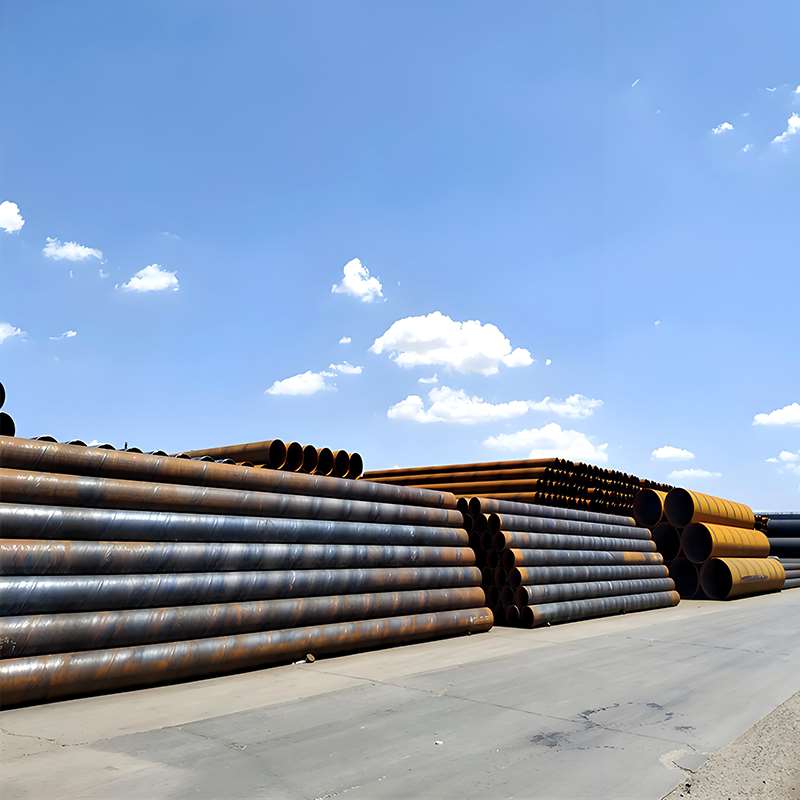
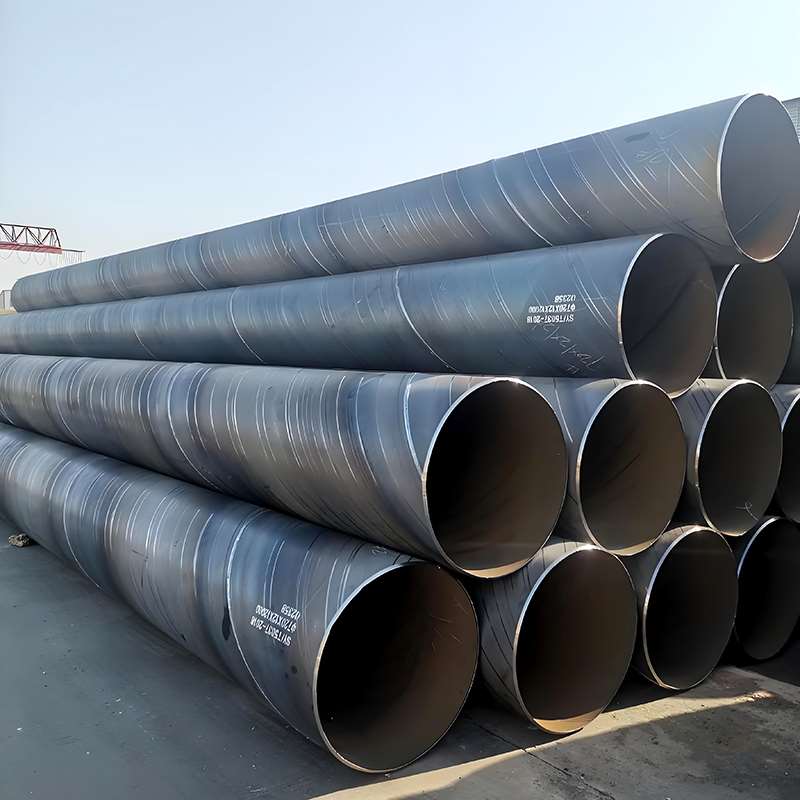
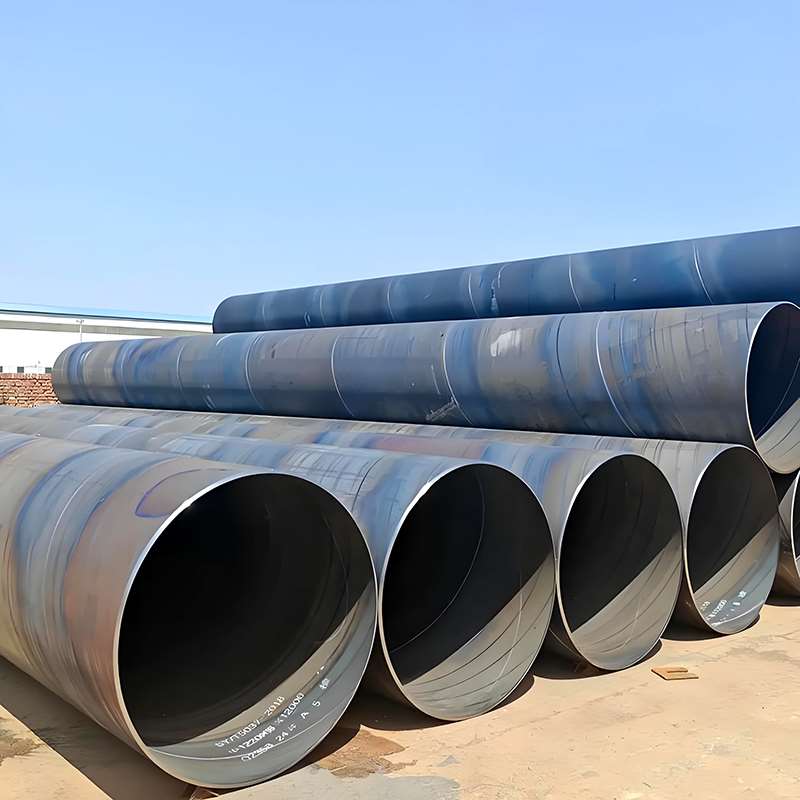
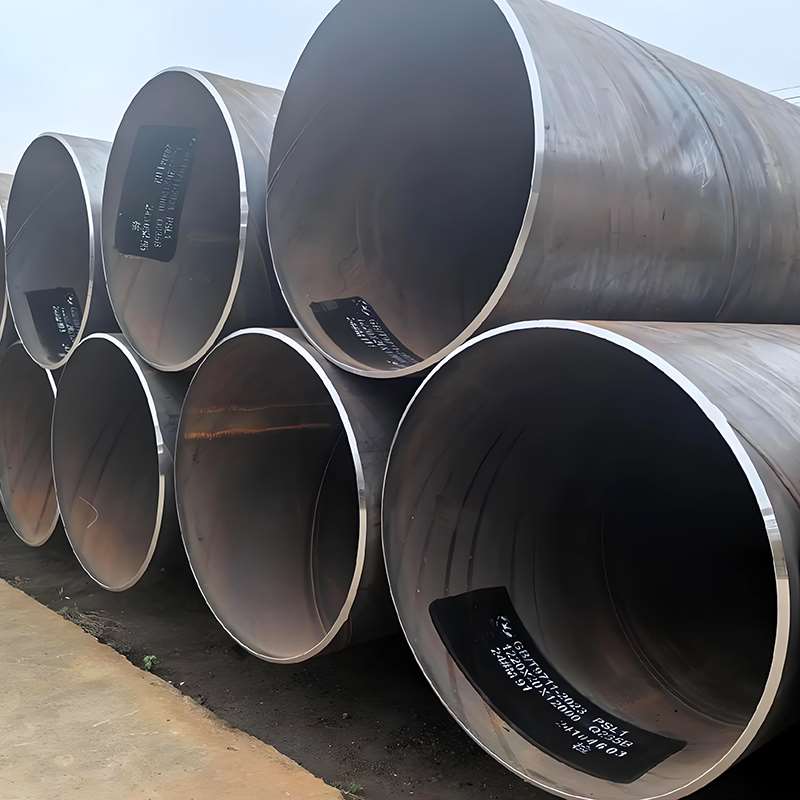
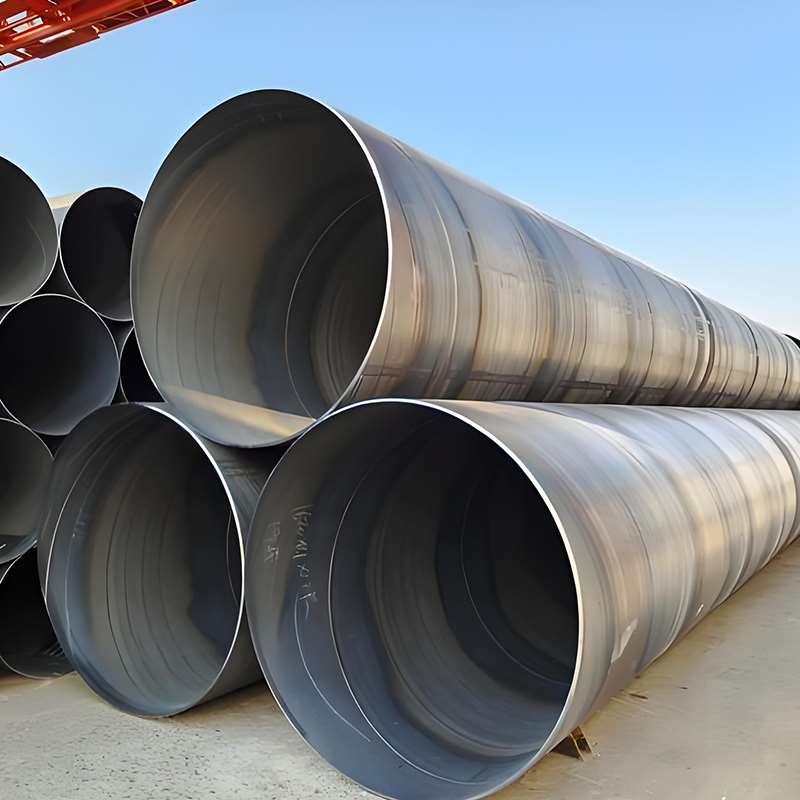
Among various types of steel pipes, SSAW Spiral Steel Pipe has become a common choice for large-scale pipeline projects due to its unique manufacturing process and comprehensive performance advantages.
So, why are large-diameter pipelines often constructed with Spiral Welded Steel Pipe? What advantages does it offer compared with other types of steel pipes?
I. Why Do Large-Diameter Pipelines Prefer SSAW Spiral Steel Pipes?
The reason why large pipeline projects favor SSAW Spiral Steel Pipes is actually quite simple. It mainly comes down to the following four advantages:
1. Lower Cost and Significant Savings
Longitudinal welded pipes: The larger the diameter, the wider and more expensive the required steel plates become.
SSAW Spiral Steel Pipes: They can produce ultra-large-diameter pipes using commonly available steel coils. The raw material cost is lower, and the production process is faster. For large-scale projects, this can reduce material costs by 15%–30%.
2. Greater Flexibility in Diameter and Length
Whether a pipeline requires a diameter of 1 meter or 3 meters, SSAW Spiral Steel Pipes can be manufactured simply by adjusting the forming angle of the steel strip.
They are produced through a continuous spiral forming process. Whether a length of 12 meters or 18 meters is required, the pipe can be directly cut to size. This reduces the number of field joints, making construction faster and more efficient.
3. Lower Weld Stress and Reduced Risk of Pipe Bursting
When a pipeline is pressurized, the greatest force is the outward pressure that attempts to expand and rupture the pipe wall.
For longitudinal welded pipes, the weld seam is directly aligned with this expansion force and must withstand 100% of the stress.
In contrast, the weld seam of an SSAW Spiral Steel Pipe is formed at an angle along the pipe body. The actual tensile stress acting on the weld is only about 60%–80% of that on a longitudinal weld, making it safer under pressure conditions.
4. Preventing Crack Propagation
If a pipeline is damaged and develops a crack, the crack will extend along the pipe body and eventually encounter the angled spiral weld seam.
The weld seam acts like a “firewall”, helping to stop crack propagation and preventing the pipe from continuing to tear apart along its length.
II. Which Industries Are Suitable for SSAW Spiral Steel Pipes?
1. Water Conservancy Projects and Municipal Water Supply & Drainage
Main Applications:
Cross-regional water diversion projects, urban main water supply pipelines, sewage discharge pipelines, and industrial circulating water transportation systems.
Why They Are Suitable:
These projects often require pipelines with diameters ranging from 1 meter to over 3 meters. Although the flow capacity is large, the operating pressure is usually low to medium. By using SSAW Spiral Steel Pipes with internal epoxy resin coating and external 3LPE anti-corrosion coating, the pipelines can achieve excellent corrosion resistance while significantly reducing material costs.
2. Infrastructure Construction and Ports & Terminals
In construction and bridge projects, spiral welded steel pipes are often directly used as structural columns or driven into the ground as piles.
Main Applications:
Bridge pier piles, port and terminal steel pipe piles, high-rise building foundation piles, and seawall support structures.
Why They Are Suitable:
Piling pipes mainly focus on section bending strength and pipe length, rather than internal pressure resistance. SSAW pipes can be continuously produced in extra-long lengths of 18 meters or even 24 meters, reducing the need for on-site welding and jointing work.
3. Urban District Heating and Thermal Engineering Projects
Main Applications:
Main pipeline networks for district heating systems, geothermal water transportation, and outer protective pipes for steam pipelines.
Why They Are Suitable:
Heating transmission pipelines need to transport large volumes of thermal media and require large diameters. The application of insulation systems, such as polyurethane foam insulation with polyethylene outer jackets, on the outer surface of SSAW Spiral Steel Pipes is a well-established and mature process.
4. Low-Pressure Oil, Natural Gas, and Coalbed Methane Transportation
Main Applications:
Onshore medium- and low-pressure natural gas gathering pipelines, crude oil transmission branch lines, and coal mine gas drainage pipelines.
Why They Are Suitable:
As long as the operating pressure requirements comply with API 5L PSL1 or standard PSL2 specifications, SSAW Spiral Steel Pipes can meet the required pressure-bearing and safety requirements. Compared with longitudinal welded steel pipes of the same diameter, SSAW pipes can reduce costs by more than 20%.
III. What parameters should be considered when purchasing SSAW steel pipes?
| Parameter | Example |
|---|---|
| Standard | API 5L, ASTM A252, GB/T 9711 |
| Steel Grade | Grade B, X42, X52, Q355 |
| Outer Diameter (OD) | 813 mm |
| Wall Thickness (WT) | 16 mm |
| Length | 12 m |
| Welding Method | SSAW |
| Anti-Corrosion Requirements | 3PE, FBE, Epoxy Coating |
| Inspection Requirements | UT, RT, Hydrostatic Test |