I. Overview of 316L Stainless Steel Welded Pipe
i. Definition of 316L Stainless Steel Welded Pipe
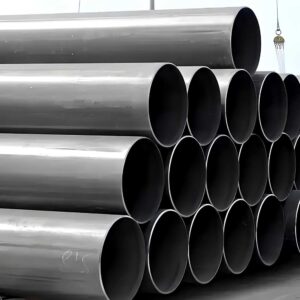
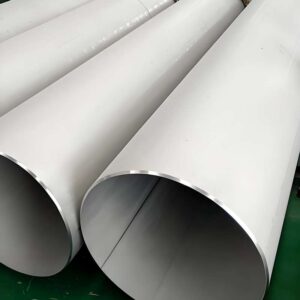
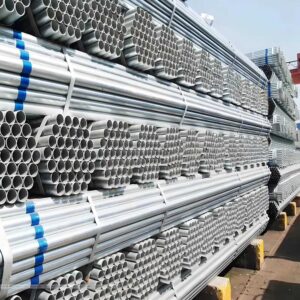
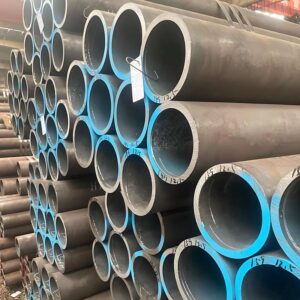
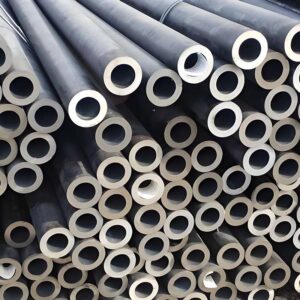
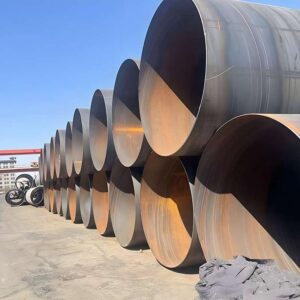
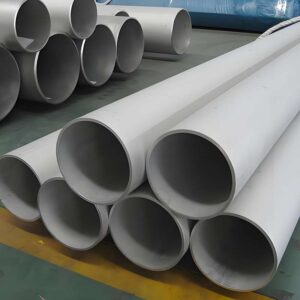
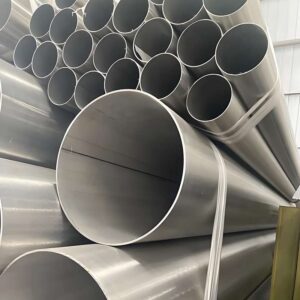
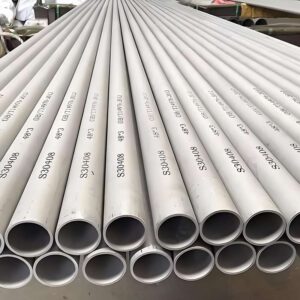
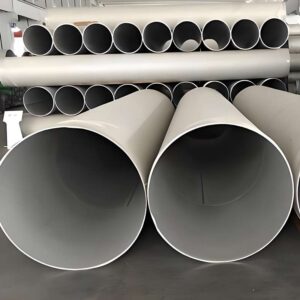
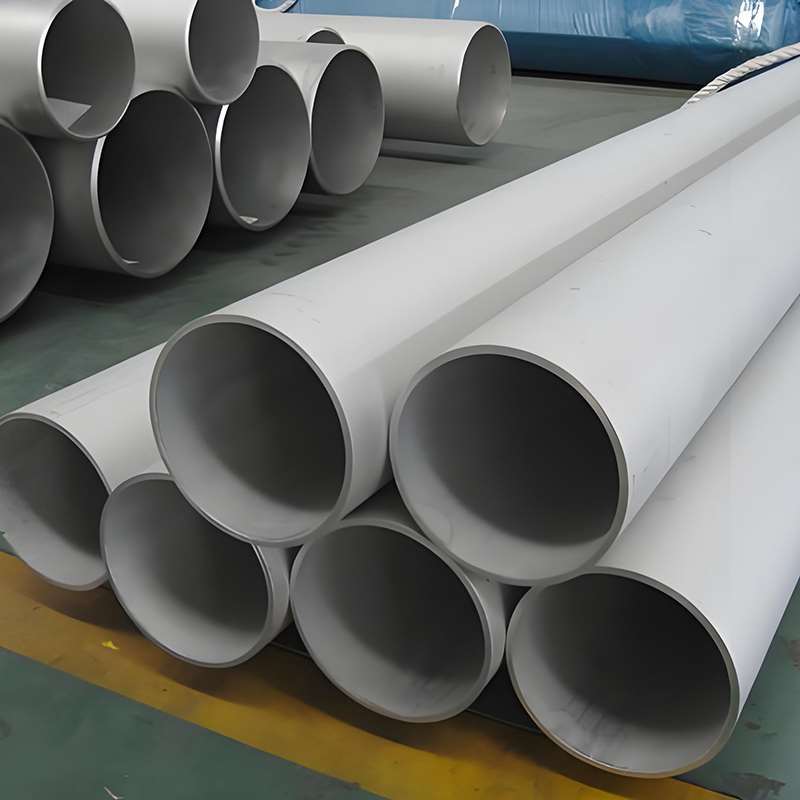
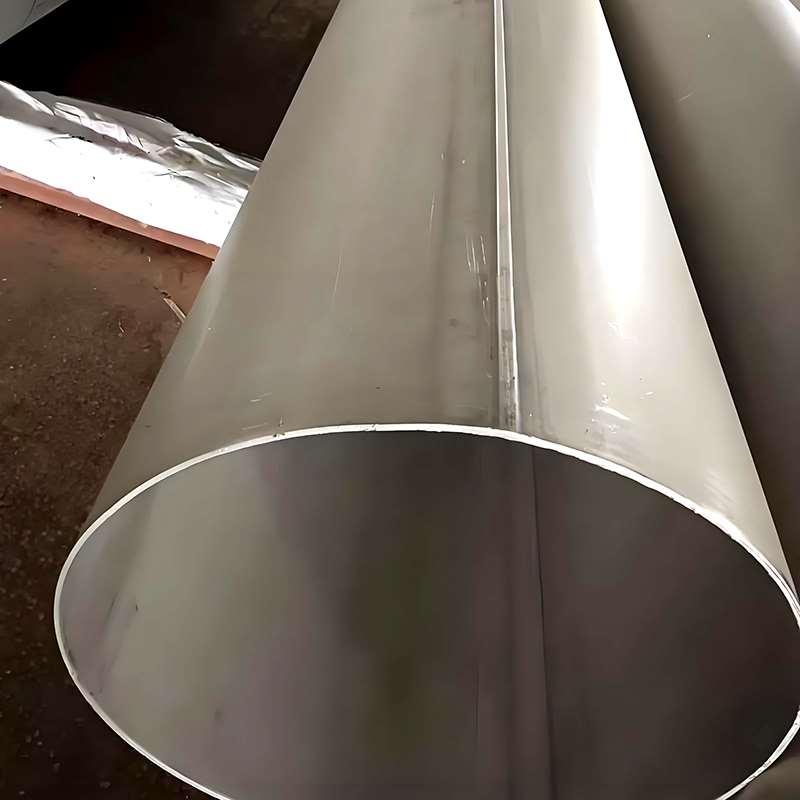
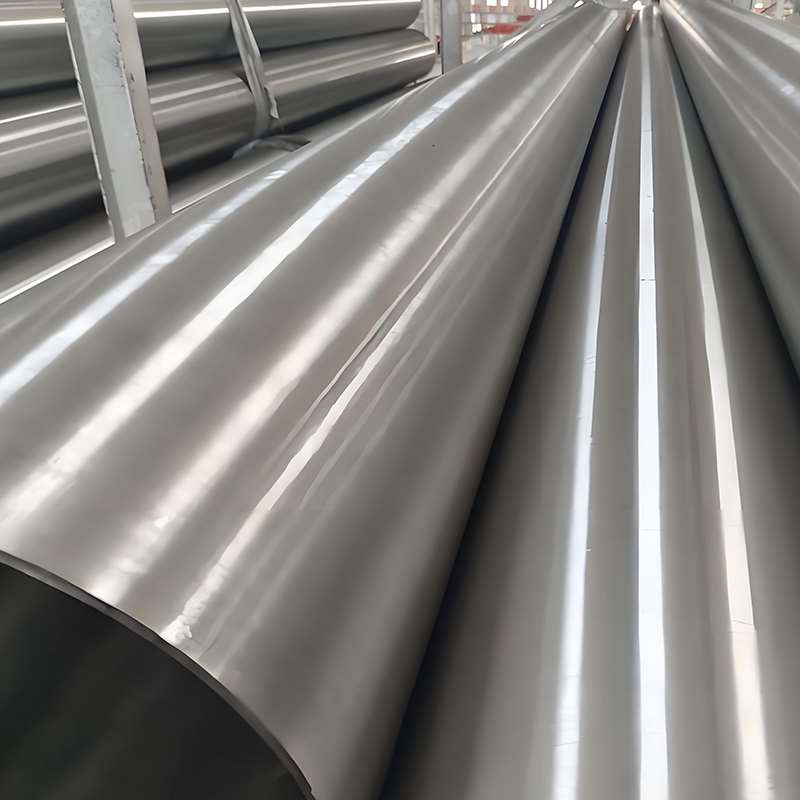
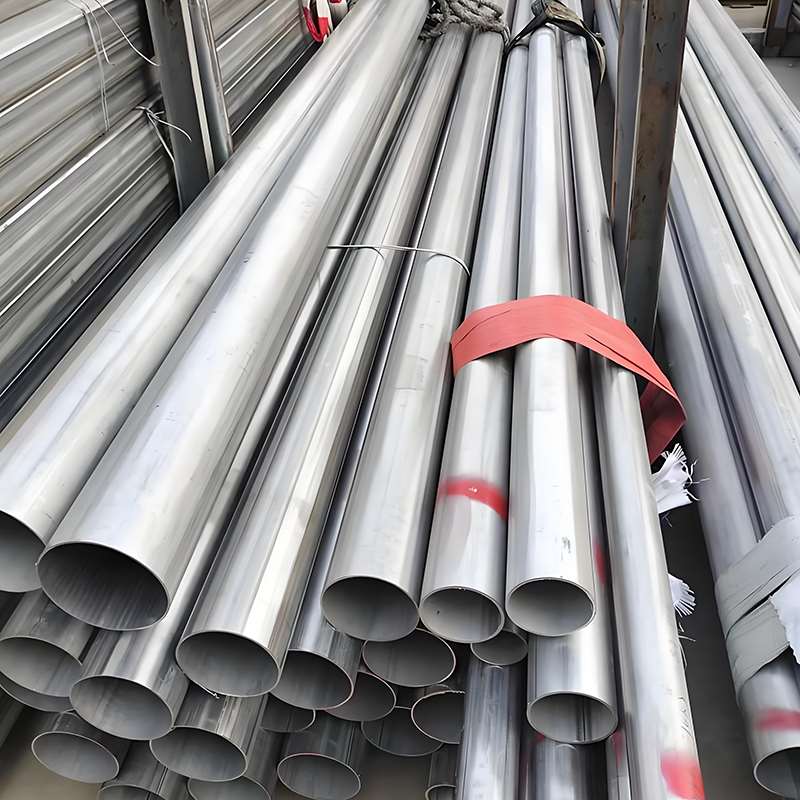
316L stainless steel welded pipe is a type of welded pipe made from low-carbon austenitic stainless steel. It is manufactured through high-precision plate rolling and welding processes, resulting in uniform welds and reliable strength. It is suitable for pipeline systems transporting various industrial fluids and corrosive liquids.
ii. Material Characteristics and Advantages
Strong Corrosion Resistance: Contains molybdenum, enhancing resistance to pitting corrosion from chlorides and chemical media.
Stable Mechanical Properties: Low-carbon design (L series) ensures minimal intergranular corrosion after welding, while maintaining good tensile strength and toughness.
High and Low Temperature Resistance: Suitable for various temperature environments, meeting the pressure requirements of industrial fluid transportation.
Sanitary Grade Optional: Smooth surface finish, can be pickled, passivated, or polished, suitable for food, pharmaceutical, and beverage piping.
Excellent Weldability: Low-carbon design ensures stable welds after welding, without compromising corrosion resistance.
iii. International Standards
316L stainless steel welded pipes comply with multiple international and domestic standards, ensuring product quality and traceability:
ASTM A312: Standard for austenitic stainless steel welded pipes, covering industrial and sanitary grades.
ASTM A269: Standard for stainless steel welded pipes for low- or medium-pressure fluid transport.
EN 10217-7: European standard for industrial stainless steel welded pressure pipes, suitable for high-pressure and corrosive environments.
II. 316L Stainless Steel Welded Pipe Specifications and Dimensions Comparison Table
| Outer Diameter (mm) | Standard Wall Thickness (mm) | Recommended Thickness - Low Pressure ≤1.0 MPa (mm) | Recommended Thickness - Medium Pressure 1–5 MPa (mm) | Recommended Thickness - High Pressure >5 MPa (mm) | Remarks |
|---|---|---|---|---|---|
| 15 | 1.0–2.0 | 1.0 | 1.5–2.0 | 2.5 | Suitable for industrial and sanitary use |
| 20 | 1.0–2.5 | 1.0 | 1.5–2.5 | 3.0 | Common small diameter |
| 25 | 1.5–3.0 | 1.5 | 2.0–2.5 | 3.0–4.0 | Sanitary grade can be polished |
| 32 | 1.5–3.2 | 1.5 | 2.0–3.0 | 3.5–4.0 | Common for industrial liquids |
| 40 | 2.0–3.5 | 2.0 | 2.5–3.5 | 4.0–5.0 | Suitable for medium pressure applications |
| 50 | 2.0–4.0 | 2.0 | 3.0–4.0 | 5.0–6.0 | High pressure requires thick wall |
| 65 | 2.5–4.5 | 2.5 | 3.5–4.5 | 5.5–7.0 | Common for industrial pipelines |
| 80 | 3.0–5.0 | 3.0 | 4.0–5.0 | 6.0–8.0 | Suitable for food and chemical use |
| 100 | 3.5–6.0 | 3.5 | 5.0–6.0 | 7.0–9.0 | High pressure industrial liquids |
| 125 | 4.0–6.5 | 4.0 | 5.5–6.5 | 8.0–10.0 | Large diameter conventional industrial pipe |
III. Application Scenarios of 316L Stainless Steel Welded Pipes
(1) Suitable Fluid Types
316L stainless steel welded pipes possess excellent corrosion resistance and pitting resistance, making them suitable for conveying various industrial and sanitary fluids, including:
Industrial fluids: chemical liquids, acid and alkali solutions, seawater, oil, industrial cooling water, etc.
Sanitary fluids: drinking water, milk, juice, beer, pharmaceutical liquids, food processing liquids.
(2) Differences in Application Between Industrial Fluids and Sanitary Fluids
Industrial fluid pipelines: Emphasize pressure resistance and corrosion resistance.
Surface can be pickled or matte treated.
Mainly used for conveying chemical, seawater, refrigeration, and general industrial liquids.
Sanitary pipelines: Require smooth inner and outer surfaces, which can be polished or mirror-finished.
Ensuring the liquid remains uncontaminated, facilitating cleaning and disinfection.
Widely used in the food, beverage, dairy, and pharmaceutical industries.
(3) Applicable Temperature and Pressure Range
Temperature Range: -196°C ~ 300°C (for general industrial applications), sanitary liquids are typically in the range of 0–100°C.
Operating Pressure: Low pressure ≤1.0 MPa, medium pressure 1–5 MPa, high pressure >5 MPa (high pressure requires thick-walled pipes and ensures weld quality).
IV. 316L Stainless Steel Welded Pipe Selection Reference
| Medium Type | Pressure Rating | Temperature Range | Recommended Material | Recommended Wall Thickness (mm) | Surface Treatment / Grade | Application Description |
|---|---|---|---|---|---|---|
| Corrosive chemical liquids (containing chlorides) | Low Pressure ≤1.0 MPa | -20 ~ 150°C | 316L | 1.5–3.0 | Pickling & Passivation / Industrial Grade | General chemical transport |
| Corrosive chemical liquids (containing chlorides) | Medium Pressure 1–5 MPa | -20 ~ 200°C | 316L | 3.0–5.0 | Pickling & Passivation / Industrial Grade | Industrial liquid transport |
| Corrosive chemical liquids (containing chlorides) | High Pressure >5 MPa | -20 ~ 250°C | 316L | ≥5.0 | Pickling & Passivation / Industrial Grade | High-pressure chemical pipeline |
| General industrial liquids (water, oil) | Low Pressure ≤1.0 MPa | 0 ~ 100°C | 316 | 1.0–2.0 | Matte / Industrial Grade | Industrial cooling water, general liquids |
| General industrial liquids (water, oil) | Medium Pressure 1–5 MPa | 0 ~ 150°C | 316 | 2.0–4.0 | Matte / Industrial Grade | Industrial liquid transport |
| Food & beverage liquids | Low Pressure ≤1.0 MPa | 0 ~ 100°C | 316L | 1.5–3.0 | Mirror Polished / Sanitary Grade | Juice, milk, beer, etc. |
| Food & beverage liquids | Medium Pressure 1–5 MPa | 0 ~ 100°C | 316L | 3.0–4.0 | Mirror Polished / Sanitary Grade | Sanitary fluid transport |
| Pharmaceutical liquids | Medium Pressure 1–5 MPa | 0 ~ 100°C | 316L | 3.0–4.0 | Mirror Polished / Sanitary Grade | Injection solutions, liquid transport |
| Seawater & brine liquids | Medium Pressure 1–5 MPa | 0 ~ 80°C | 316L | 3.0–5.0 | Pickling & Passivation / Industrial Grade | Seawater pipelines, cooling water |
| Highly corrosive special industrial liquids | High Pressure >5 MPa | -20 ~ 250°C | 316L | ≥5.0 | Pickling & Passivation / Industrial Grade | Strongly corrosive chemical liquid transport |
V. Differences in the selection of sanitary and industrial grades of 316L stainless steel welded pipes
| Selection Dimension | Sanitary Pipeline | Industrial Pipeline |
|---|---|---|
| Application Fluid | Food, beverages, dairy products, juice, pharmaceutical liquids | Chemical liquids, seawater, oil, industrial cooling water |
| Surface Requirement | Inner and outer mirror polished or pickled & passivated, Ra ≤0.4 μm | Inner and outer pickled or matte finish, surface roughness can be larger |
| Cleaning & Sterilization | Easy to clean, high-temperature sterilizable, prevents contamination | Low cleaning requirement, focus on corrosion resistance and pressure resistance |
| Wall Thickness Selection | Moderately increased based on pressure to ensure smooth sanitary fluid flow | Strictly selected based on pressure, ensure load-bearing capacity |
| Weld Seam Requirement | Smooth weld seam, no depressions; post-weld polishing or pickling required | Focus on strength and sealing; surface can be slightly rough |
| Applicable Pressure Range | Low to medium pressure, generally ≤5 MPa | Low, medium, and high pressure; >5 MPa requires thick-walled pipe |
| Corrosion Resistance | Medium to high, focus on preventing liquid contamination | High, focus on chemical media resistance and pitting prevention |
| Cost | Higher (due to processing and surface treatment requirements) | Relatively low, focus on pressure and corrosion resistance |
VI. Precautions for the Use of 316L Stainless Steel Welded Pipes in High and Low Temperature Environments
i. Precautions for Use in High Temperature Environments
(1) Temperature Limits:
The applicable temperature for 316L stainless steel is generally ≤300°C. Prolonged exposure to high temperatures may reduce its strength and pressure resistance.
(2) Thermal Expansion:
Pipes will expand or contract with temperature changes. Expansion space should be reserved or expansion joints should be used to avoid pipe deformation or stress concentration.
(3) Changes in Corrosion Resistance:
Chronic or acidic media in high-temperature environments may accelerate pitting corrosion. Materials with good high-temperature corrosion resistance should be selected, and regular inspections should be conducted.
(4) Welding and Heat Treatment:
Appropriate welding processes should be used for high-temperature pipes. Welds must undergo heat treatment or pickling passivation to ensure corrosion resistance and mechanical properties.
(5) Regular Inspection:
Stress corrosion cracking or pipe wall thinning is prone to occur under high-temperature conditions. Weld thickness and pipe wall thickness should be checked regularly.
ii. Precautions for use in low-temperature environments
(1) Brittleness Risk:
At low temperatures, the toughness of the metal decreases, potentially leading to brittle fracture due to impact. Ensure the material is austenitic 316L stainless steel to maintain toughness.
(2) Weld Toughness:
Welded areas especially need to maintain low-temperature toughness to prevent the weld from becoming a brittle fracture point.
(3) Thermal Stress and Shrinkage:
Low temperatures cause pipe shrinkage. Thermal stress during installation and support fixation should be considered to prevent pipe deformation under stress.
(4) Fluid Freezing:
The liquid inside the pipe may freeze in low-temperature environments. Insulation or heating measures are necessary to prevent pipe rupture.
(5) Regular Maintenance:
Inspect the pipe for cracks, leaks, or deformation at low temperatures to ensure long-term safe operation.