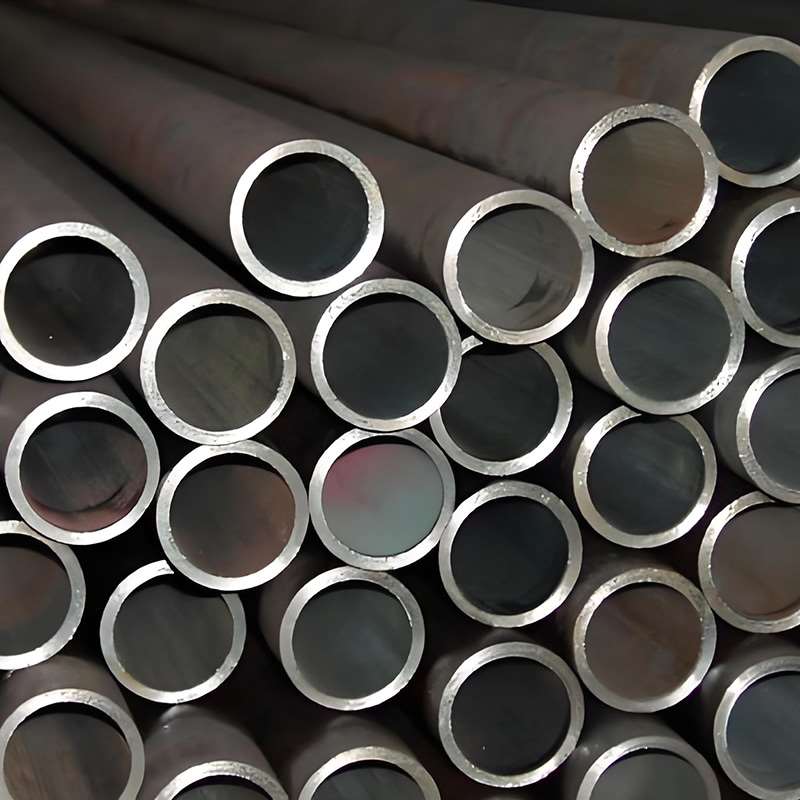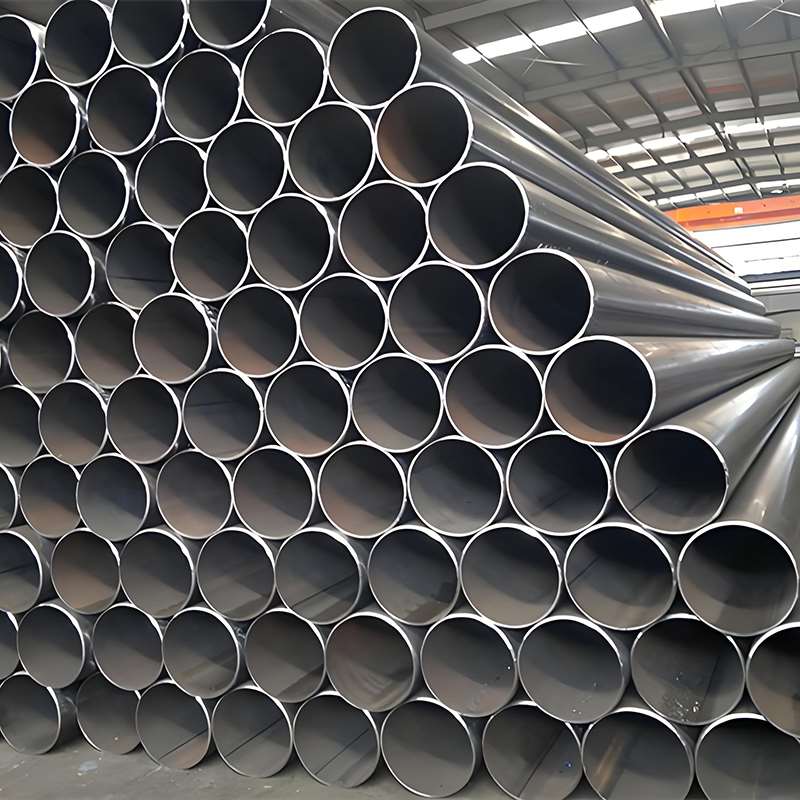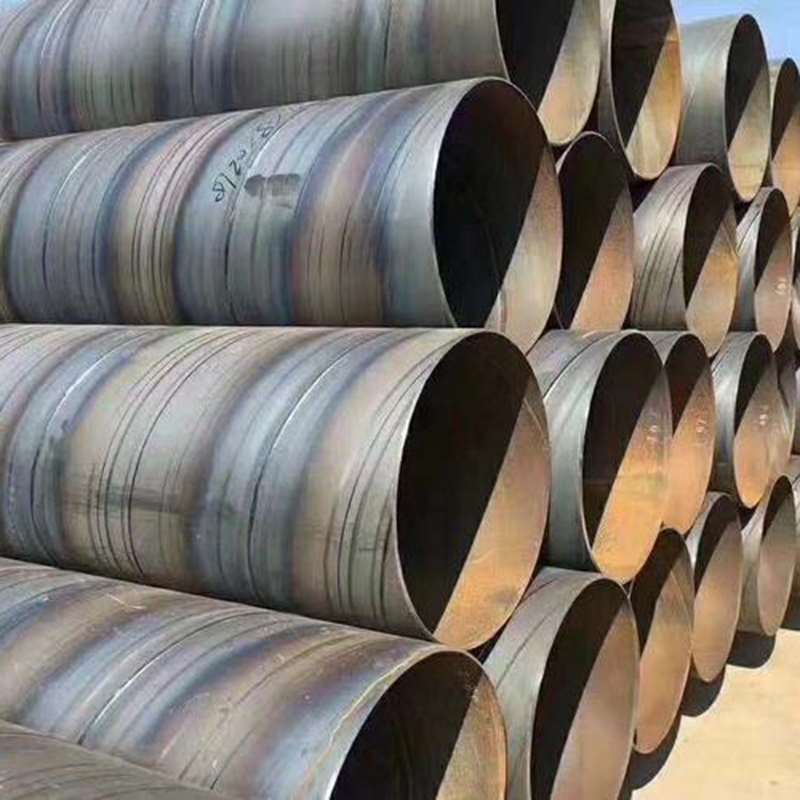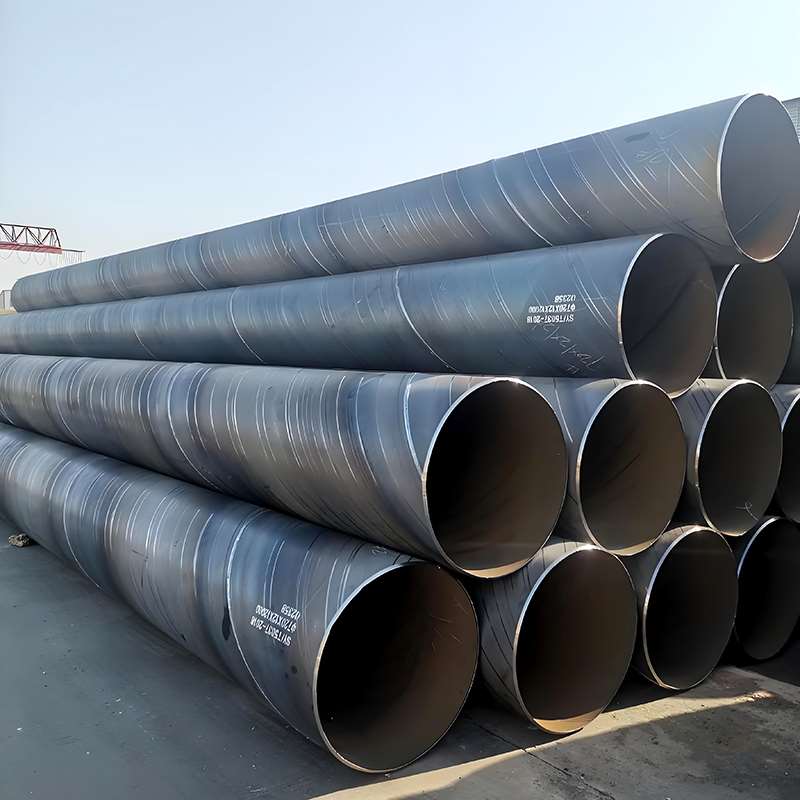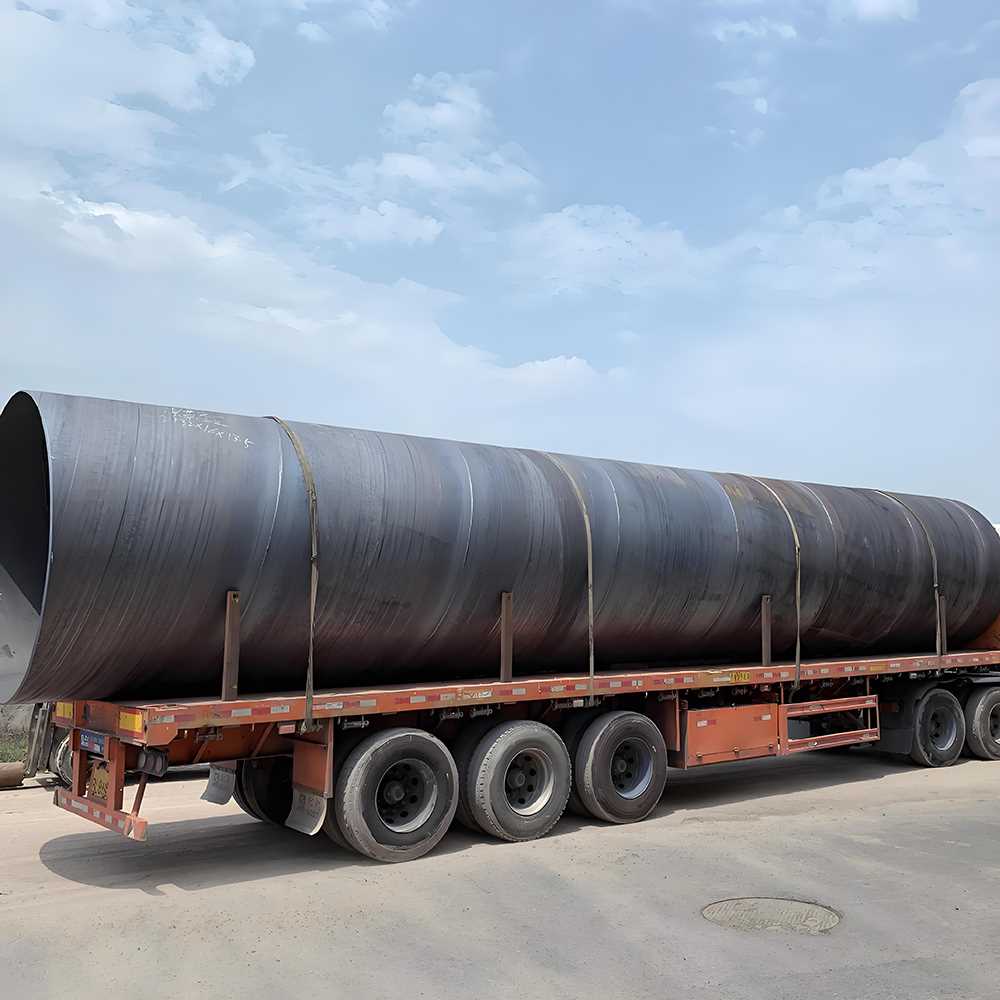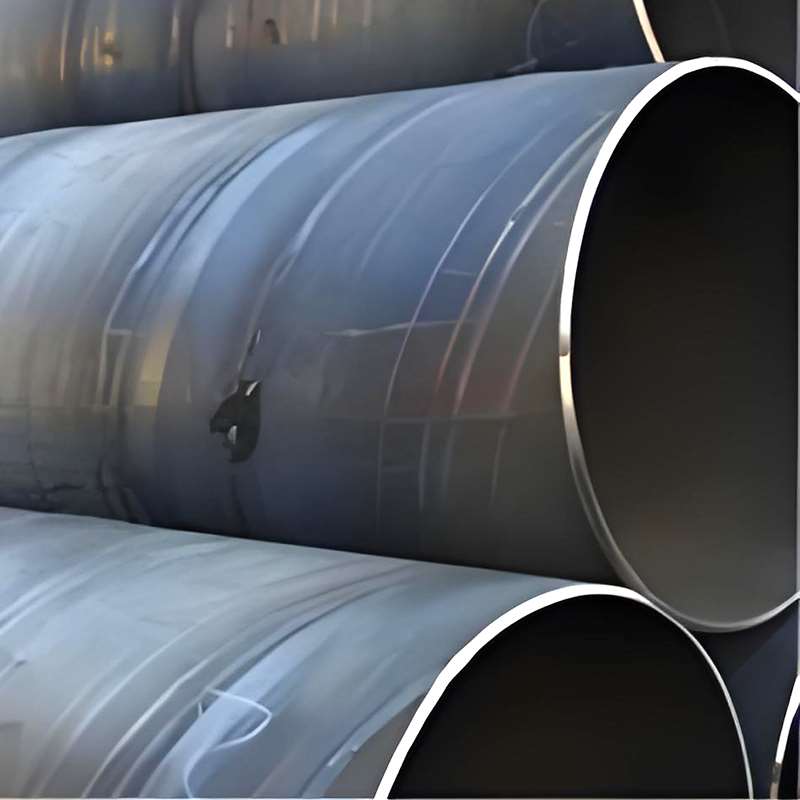
In industrial engineering projects and pipeline procurement, SSAW (Spiral Submerged Arc Welded Pipe), LSAW (Longitudinal Submerged Arc Welded Pipe), and ERW (Electric Resistance Welded Pipe) are the three major types of welded steel pipes.
For procurement managers and engineers, pipe selection is not simply a matter of comparing prices. It requires finding the right balance between pressure-bearing capacity, size limitations, welding quality, project schedule, and budget cost. An improper selection may either lead to significant budget overruns or create potential safety risks during project operation.
I. Quick Comparison Overview
Before delving into the details, you can quickly understand the core parameters and positioning differences of these three types of welded pipes using the table below:
| Comparison Dimension | ERW (Electric Resistance Welded Pipe) | LSAW (Longitudinal Submerged Arc Welded Pipe) | SSAW (Spiral Submerged Arc Welded Pipe) |
|---|---|---|---|
| Welding Process | High-frequency electric current welding (without filler metal) | Double-sided submerged arc welding (with welding wire) | Double-sided spiral submerged arc welding (with welding wire) |
| Raw Material | Hot Rolled Coil (HRC) | Heavy Steel Plate (Plate) | Hot Rolled Coil (HRC) |
| Common Pipe Diameter | Small and medium diameters (1/2″ – 24″) | Medium and large diameters (16″ – 60″+) | Extra-large diameters (8″ – 120″+) |
| Wall Thickness Range | Thin to medium wall thickness (maximum approximately 20 mm) | Heavy wall thickness (maximum approximately 50 mm+) | Medium wall thickness (maximum approximately 25.4 mm) |
| Weld Seam Type | Single straight weld seam (almost no weld reinforcement) | Single or double straight weld seams | Spiral-shaped helical weld seam |
| Pressure Rating and Safety Level | Low to medium pressure applications | Highest pressure rating (preferred choice for ultra-high-pressure oil and gas transmission pipelines) | Medium to high pressure applications |
| Production Efficiency and Cost | High efficiency and low cost | Lower production efficiency and highest cost | High efficiency with significant cost advantages for large-diameter pipes |
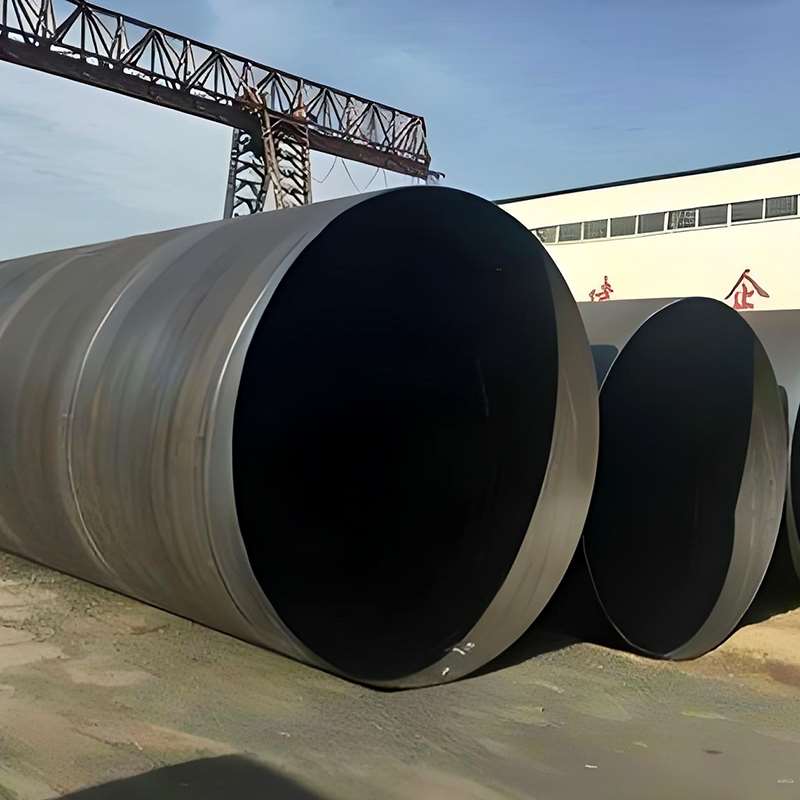
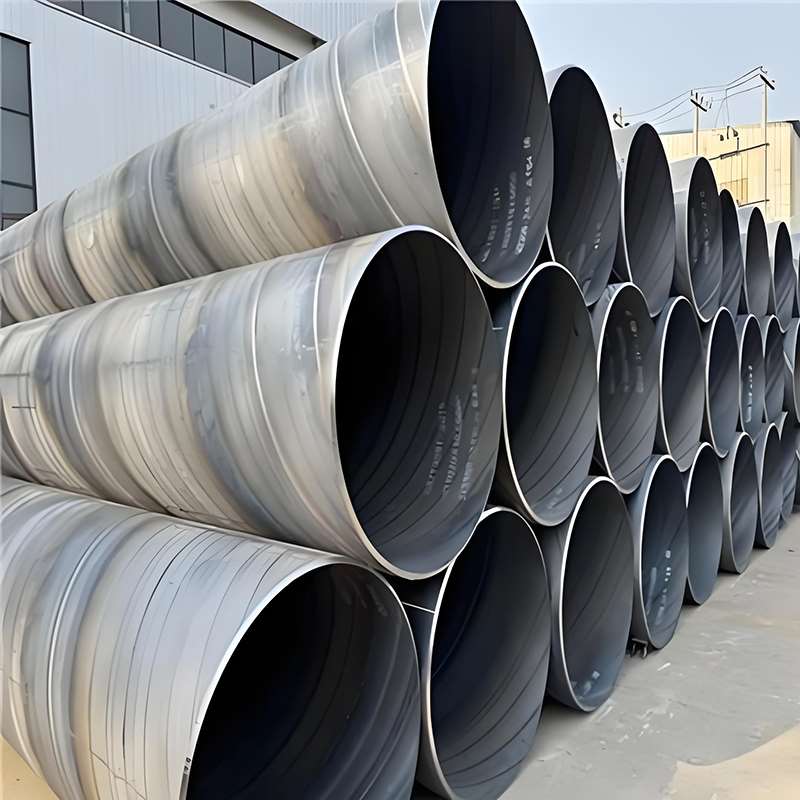
II. Technical Processes, Advantages and Limitations of the Three Welding Methods
1. ERW (Electric Resistance Welded Pipe)
ERW steel pipes are manufactured from hot-rolled steel coils, which are continuously formed into a round pipe through forming rolls. The edges of the pipe blank are instantly heated to a molten state by utilizing the skin effect and proximity effect of high-frequency electric current, and then welded together through extrusion rollers.
Advantages:
- No filler metal: The welding speed is fast, resulting in high production efficiency and shorter delivery time.
- High dimensional accuracy: The wall thickness is uniform, and the internal and external surfaces are smooth, making them suitable for subsequent anti-corrosion coating processes.
- Good cost efficiency: For small and medium-diameter pipes, the overall procurement cost is relatively low.
Limitations:
Due to forming process limitations, ERW cannot produce heavy-wall or large-diameter steel pipes. Early ERW processes had issues such as gray spot defects. Although modern HFW (High-Frequency Welded) technology has significantly improved quality, ERW pipes are still less commonly used in ultra-high-pressure natural gas transmission pipelines.
Applicable Applications:
Urban water supply and drainage systems, low-pressure natural gas transmission, building structural pipes, fire protection pipelines, and piling applications.
2. LSAW (Longitudinal Submerged Arc Welded Pipe)
LSAW pipes use individual heavy steel plates as raw materials. The plates are formed into a cylindrical shape through presses or forming machines, followed by double-sided automatic submerged arc welding.
Advantages:
- Pressure-bearing capacity and safety performance: The weld seam is longitudinal, with a shorter length, and the use of high-quality submerged arc welding provides strong mechanical properties at the joint.
- Suitable for heavy wall thickness and high-strength steel grades: It can easily meet the requirements of high-strength pipeline steels such as X80 and X100, as well as heavy-wall applications requiring high pressure resistance.
- Expansion process improves accuracy: The production process usually includes full-length mechanical expansion, which effectively eliminates internal stress and ensures roundness and dimensional tolerances.
Limitations:
Since each pipe is produced individually from a single steel plate, production efficiency is relatively lower and equipment investment is higher, resulting in a higher cost per ton.
Applicable Applications:
Cross-border and long-distance high-pressure oil and gas transmission pipelines, deep-sea pipelines, nuclear power projects, large bridges, high-rise building columns, and other critical load-bearing structures.
3. SSAW (Spiral Submerged Arc Welded Pipe)
SSAW pipes are manufactured using narrower hot-rolled steel coils, which are spirally formed into a round pipe at a certain forming angle. During the forming process, both the internal and external weld seams are continuously welded using submerged arc welding.
Advantages:
- Producing large-diameter pipes from narrower steel strips: By using standardized steel coils and adjusting the forming angle, various large-diameter steel pipes can be produced.
- Stress distribution advantage: The main stress direction forms a certain angle with the weld seam. Under internal pressure, the circumferential stress acting on the weld seam is lower than that of longitudinal welded pipes.
- Continuous production: Production efficiency is higher than LSAW, providing significant cost advantages for large-diameter applications.
Limitations:
The weld seam length is 30%–50% longer than that of longitudinal welded pipes, which theoretically means a relatively higher probability of defects. The weld reinforcement height is also higher; if the anti-corrosion process (such as 3LPE coating) is not properly controlled, cathodic disbonding of the coating may occur along both sides of the weld seam.
Applicable Applications:
Long-distance medium- and low-pressure water transmission projects, onshore low-pressure natural gas pipelines, piling pipes, bridge and port support structures, and district heating pipeline networks.