I. Manufacturing Processes for Three Types of Steel Pipes
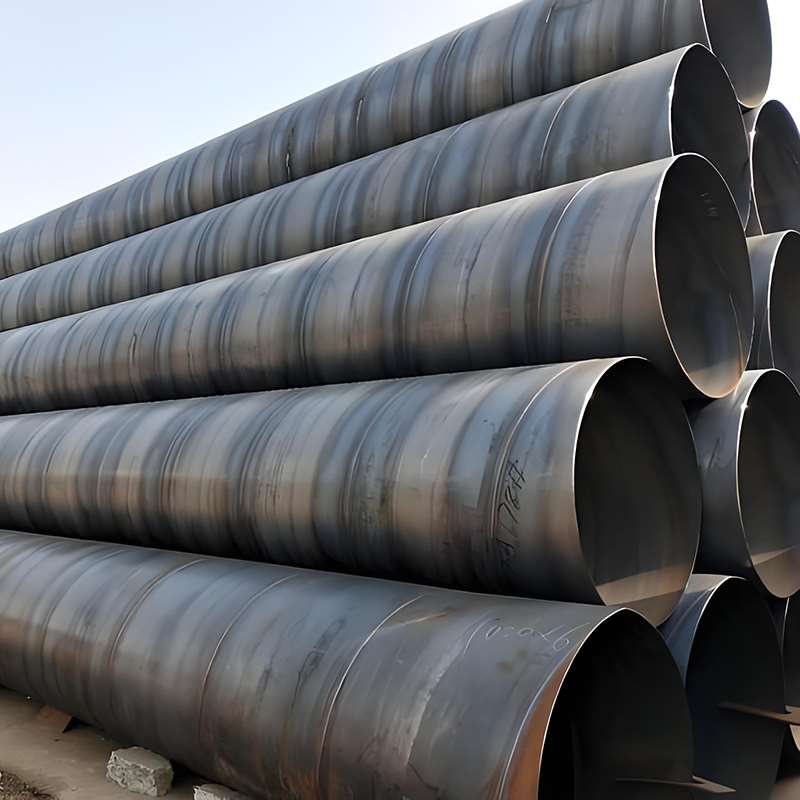
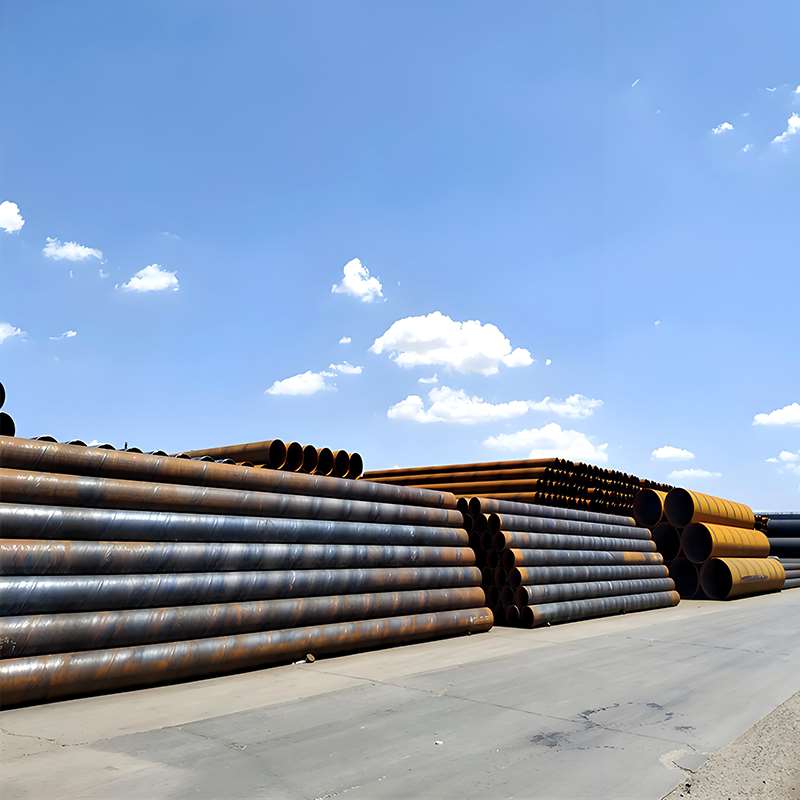
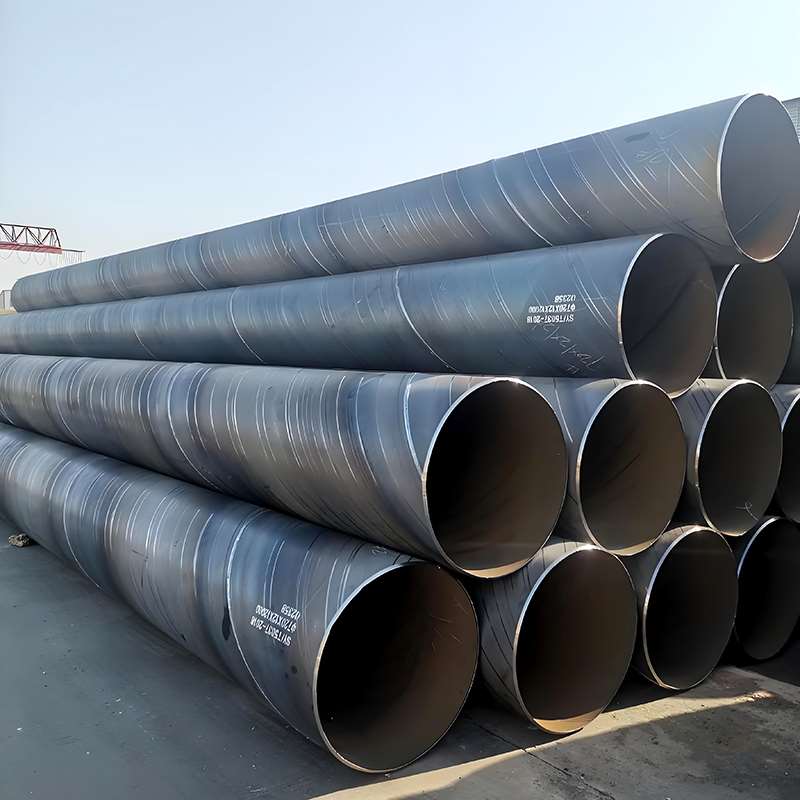
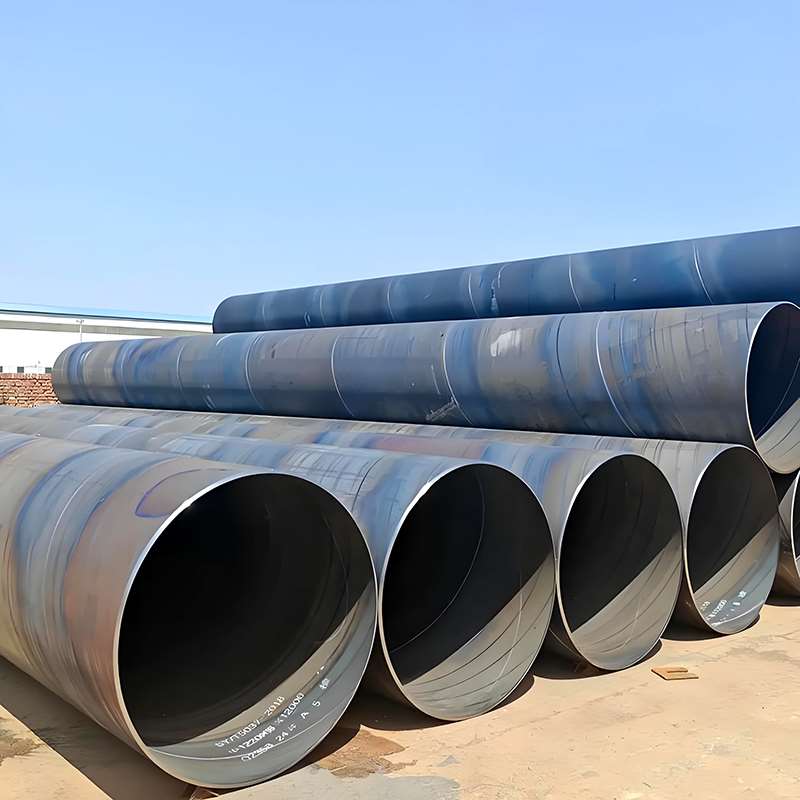
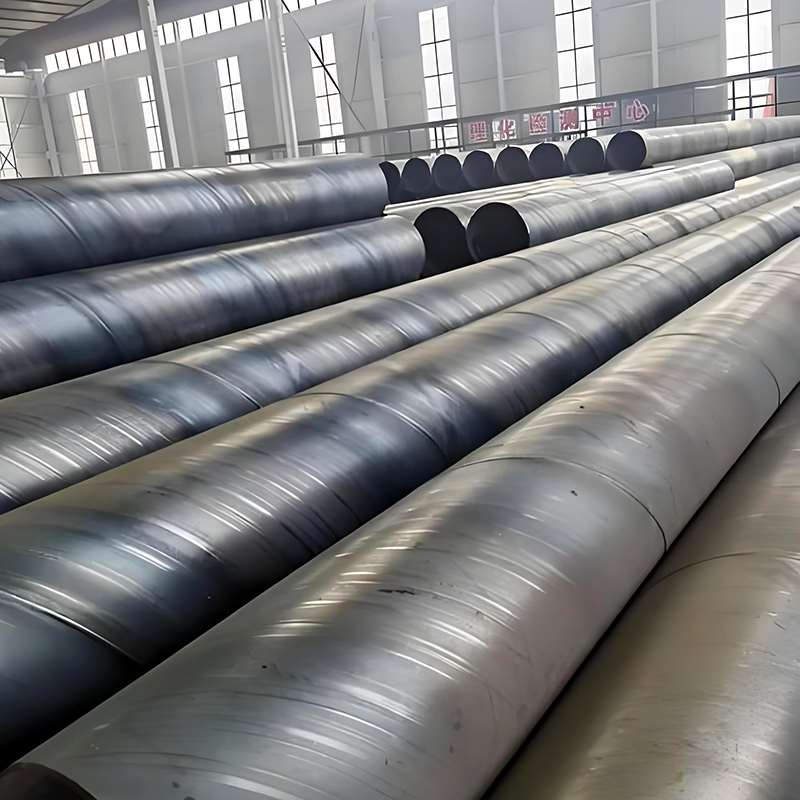
- Spiral-welded steel pipes: Hot-rolled steel strips are used as raw material, coiled into pipe blanks at a specific spiral forming angle, and then welded along the seam. A key feature of this process is the ability to produce large-diameter steel pipes using relatively narrow steel strips.
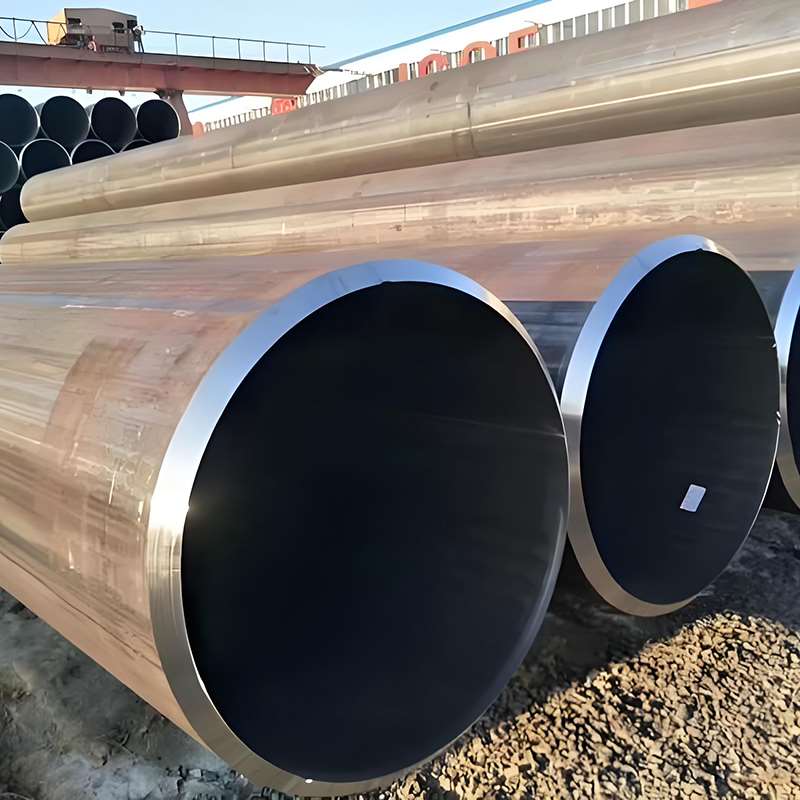
- Longitudinally Submerged-Arc Welded Steel Pipes: Typically made from medium- to heavy-gauge steel plates, these are pressed into shape using dies or forming machines and then welded along the longitudinal axis using double-sided submerged-arc welding. The weld seam forms a straight line, offering high precision and excellent resistance to high pressure.
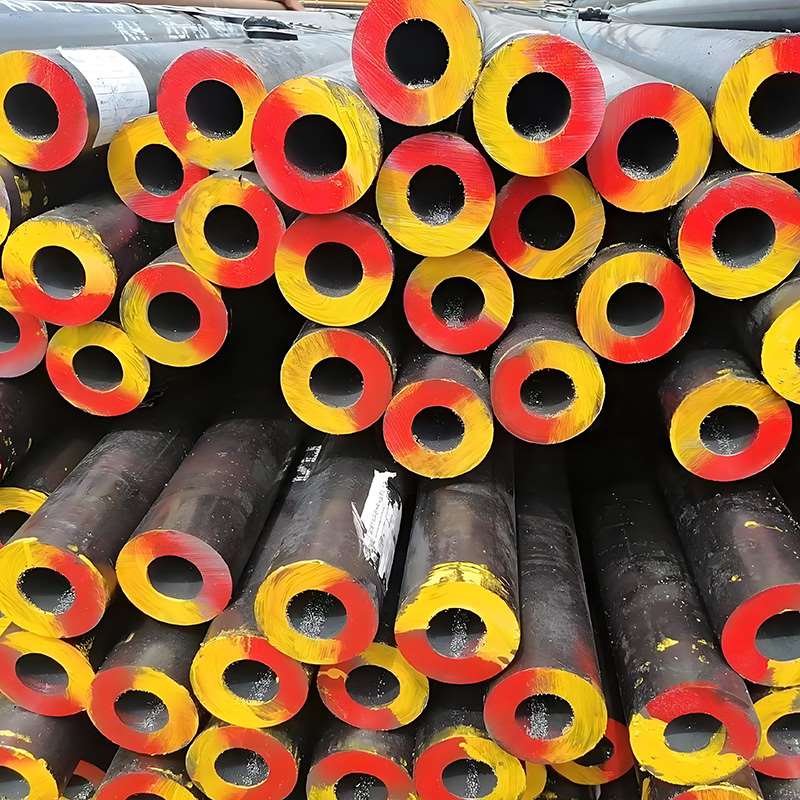
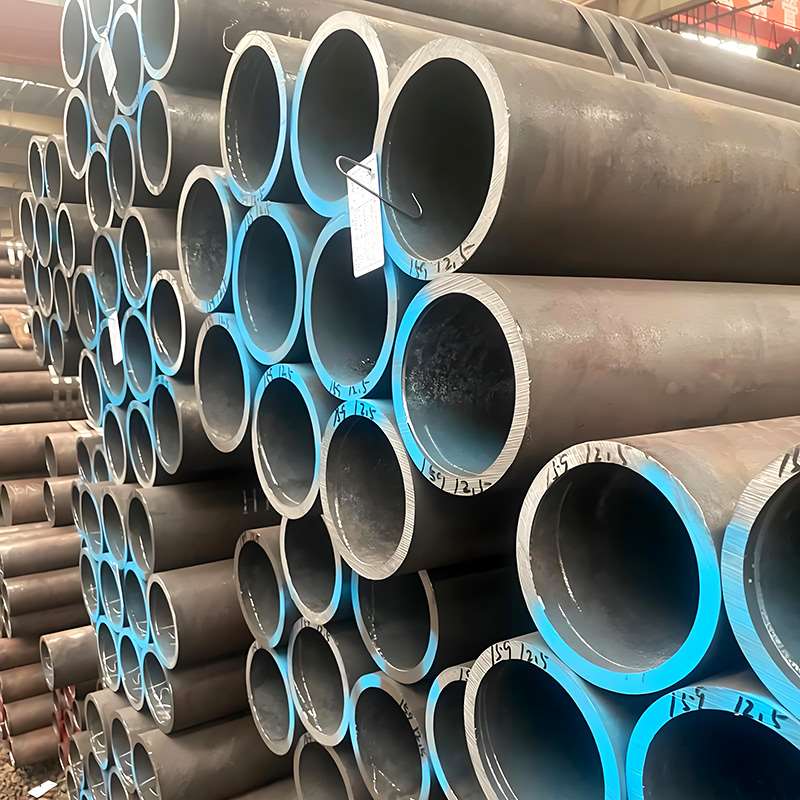
- Seamless Steel Pipes: Solid round bars are pierced to form pipe blanks, which are then processed through hot rolling, cold rolling, or drawing. The entire pipe body contains no welds, ensuring excellent structural continuity.
II. Comparison of SSAW vs LSAW vs Seamless Steel Pipes
When selecting a pipe type, we typically need to balance three key factors: diameter, pressure capacity, and procurement cost.
| Comparison Item | Spiral Welded Steel Pipe (SSAW) | Longitudinal Submerged Arc Welded Pipe (LSAW) | Seamless Steel Pipe |
|---|---|---|---|
| Weld Configuration | Spiral weld seam | Longitudinal straight weld seam | No weld seam |
| Diameter Range | Large to extra-large diameters (219 mm–3000 mm+) | Medium to large diameters (406 mm–1422 mm) | Small to medium diameters (typically below 610 mm) |
| Pressure Resistance | Moderate to high | High | Very high |
| Wall Thickness Uniformity | Excellent (uniform strip steel thickness) | Good | Hot-rolled pipes may have wall thickness variation; cold-drawn pipes offer better uniformity |
| Production Cost / Price | Cost-effective | Higher | Highest |
III. Which Type of Steel Pipe Is Best Suited for Your Specific Application?
1. Long-distance water transmission, municipal water supply, and drainage projects — SSAW spiral welded steel pipes are recommended
For projects such as urban water supply, irrigation, reservoir water diversion, and wastewater treatment, SSAW (spiral-welded steel pipes) are typically a cost-effective choice.
Its manufacturing process allows for the production of large-diameter pipes suitable for long-distance transmission, and it offers lower manufacturing costs compared to LSAW and seamless steel pipes. When treated with 3PE, FBE, or epoxy coatings for corrosion protection, it can effectively resist soil corrosion and groundwater erosion, significantly extending the pipeline’s service life.
Many international water transmission projects choose experienced spiral steel pipe manufacturers not only because their products are more competitively priced but also because established manufacturers can provide comprehensive quality inspection and corrosion protection solutions, ensuring the long-term, stable operation of the pipelines.
2. High-Pressure Oil and Gas Transmission — Recommended: LSAW Longitudinally Seam-Welded Steel Pipes
For high-pressure, long-distance oil and gas transmission pipelines, LSAW is typically the more ideal choice.
LSAW pipes are formed from steel plates, feature shorter welds, and offer high dimensional accuracy, resulting in more stable performance under high internal pressure. Consequently, they are widely used in onshore and subsea oil and gas pipelines, large-scale energy infrastructure, and transnational oil and gas transmission projects.
Although the procurement cost is higher than that of SSAW, their performance advantages under high-pressure conditions often offset the price difference.
3. High-Temperature, High-Pressure Industrial Equipment — Seamless Steel Pipes Recommended
Boilers, power plants, refineries, chemical plants, and high-pressure steam systems typically must withstand high temperatures and pressures, making seamless steel pipes the preferred choice for such applications.
Because they lack weld seams, they distribute stress more evenly across the entire structure, offering superior safety and reliability under extreme conditions; consequently, they are widely used in pressure vessels, heat exchangers, and boiler piping systems.
However, for large-diameter projects, seamless steel pipes are not only expensive but also have limited size options, so they are generally not the first choice for large-scale water transmission projects.
4. Bridges, Docks, and Building Piling Projects — SSAW Spiral Steel Pipes Recommended
In bridge foundations, port terminals, offshore platforms, and building pile foundation projects, spiral-welded steel pipes have become the mainstream product in the market due to their large diameters, high strength, and cost-effectiveness.
Since piling projects have different pressure requirements for steel pipes compared to medium- and low-pressure industrial fluid conveyance—with a greater emphasis on structural strength and construction efficiency—SSAW effectively meets project needs while significantly reducing material costs.
5. Medium- and Low-Pressure Industrial Fluid Conveyance — Both SSAW and LSAW Are Viable Options
For pipelines transporting circulating cooling water, fire protection water, industrial wastewater, or general industrial media, both SSAW and LSAW can meet the application requirements.
If the project budget is limited and the pipe diameter is large, SSAW typically offers greater advantages; if design specifications are more stringent or higher dimensional accuracy is required, LSAW is the preferred choice.
6. How to Make the Final Decision?
| Application | Recommended Pipe Type | Reason |
|---|---|---|
| Municipal Water Supply & Water Transmission | SSAW | Large diameter, cost-effective, and excellent corrosion resistance |
| Oil & Gas Transmission Pipelines | LSAW | High pressure resistance and excellent dimensional accuracy |
| High-Temperature & High-Pressure Equipment | Seamless Steel Pipe | No weld seam, providing superior safety and reliability |
| Bridge Foundations & Marine Piling | SSAW | High strength and economical for large-diameter structural applications |
| Chemical Plants & Power Stations | Seamless Steel Pipe | Excellent resistance to high temperatures and high pressures |
| General Industrial Fluid Transportation | SSAW / LSAW | Selection depends on project budget and engineering requirements |