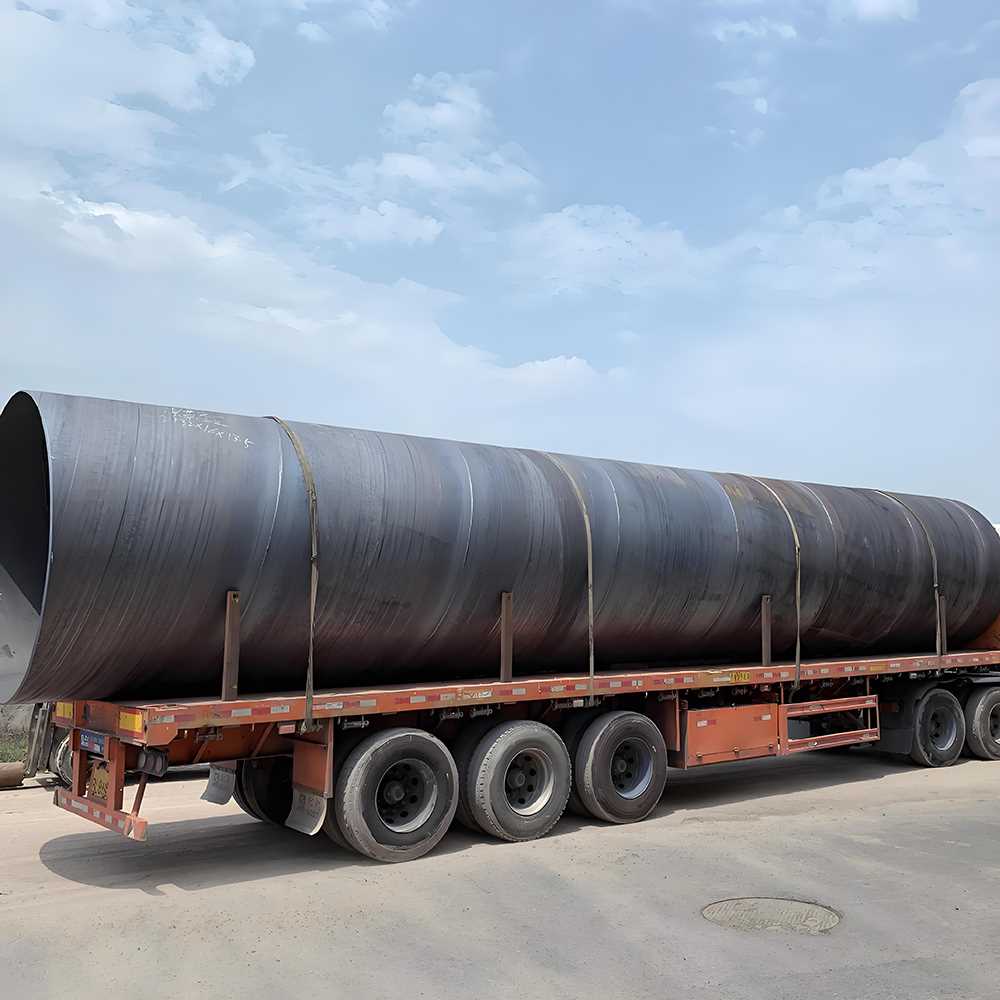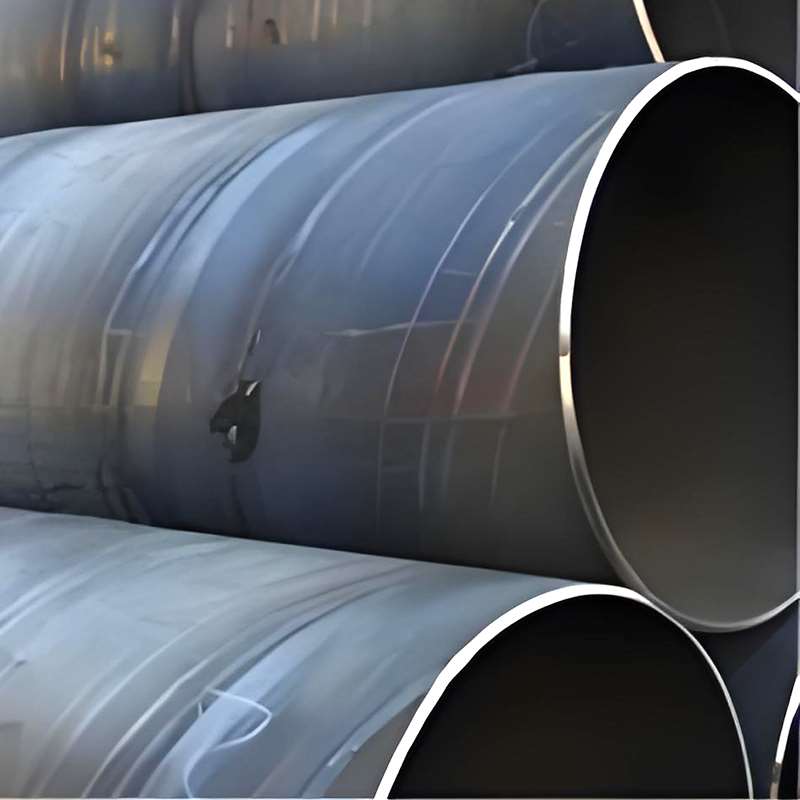
I. Product Specifications and Manufacturing Technology
1. Which international/national standards do steel pipes comply with?
Large-diameter steel pipes typically have specific applicable standards. You need to confirm whether the manufacturer can provide certificates demonstrating compliance with your project requirements. Common standards include:
- Oil and gas/pipeline transmission: API 5L (PSL1/PSL2), GB/T 9711, ISO 3183
- Structural and Piling: ASTM A252, SY/T 5040, EN 10219
- Low-Pressure Fluid/Water Conservancy Projects: ASTM A139, GB/T 3091, SY/T 5037
2. Which steel mills supply the raw materials (hot-rolled coils/medium- and heavy-gauge plates)?
- The quality of steel pipes largely depends on the raw materials. Ask the supplier whether they use wire rod from large, reputable steel mills such as Baosteel, Shougang, or Hebei Steel, and request a material traceability report for the raw materials to avoid purchasing substandard pipes made from re-rolled secondary scrap or those that fail to meet material specifications.
3. What is your factory’s production capacity and customization capability?
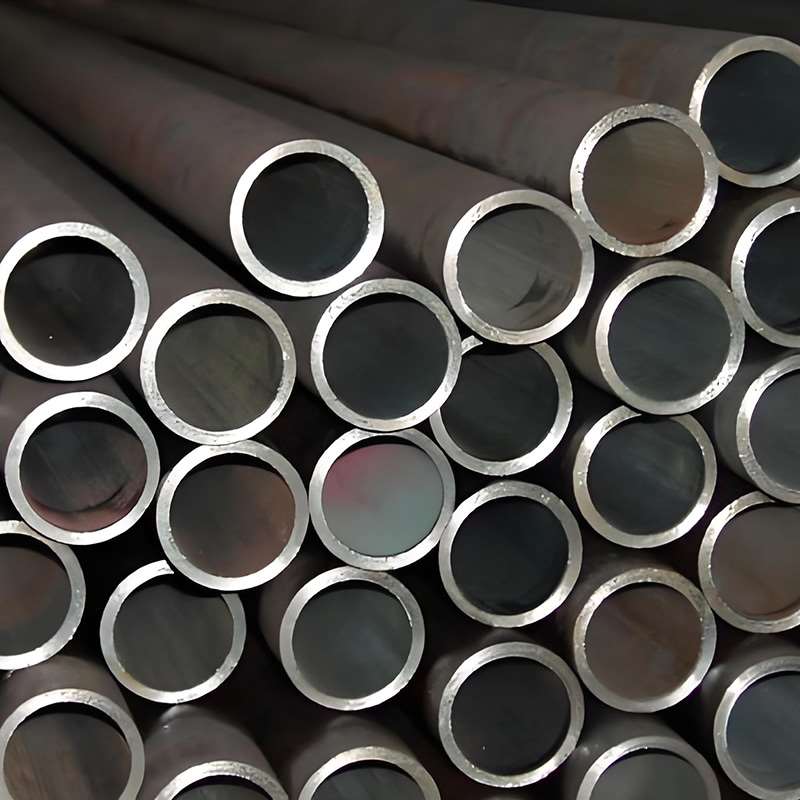
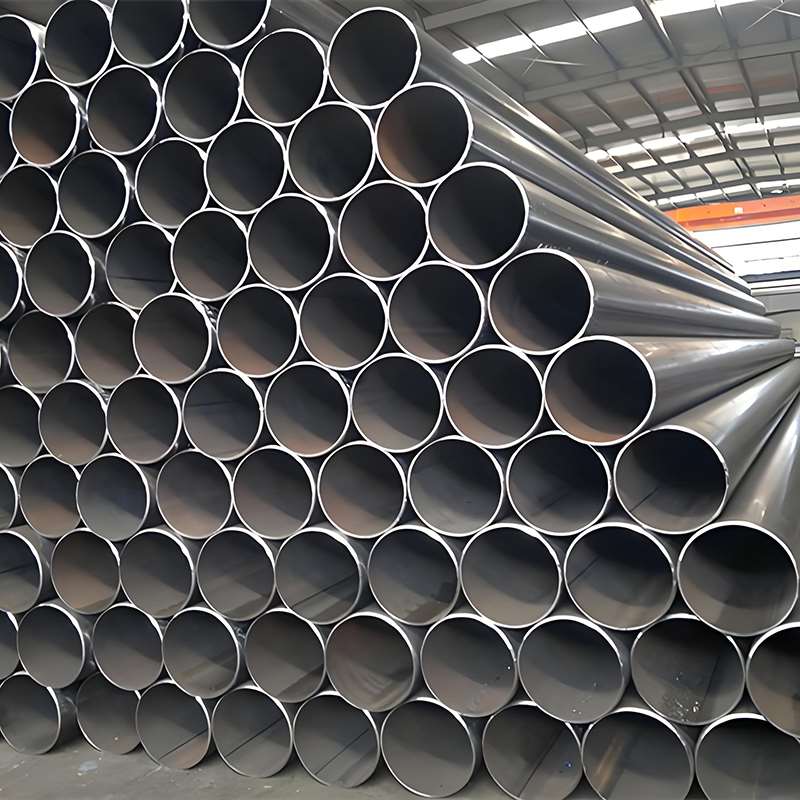
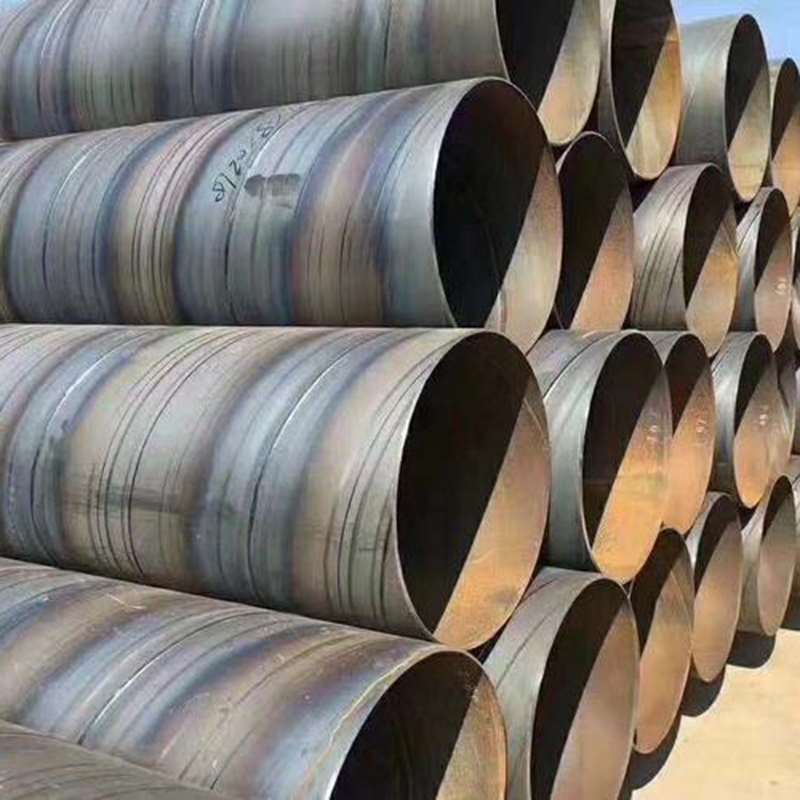
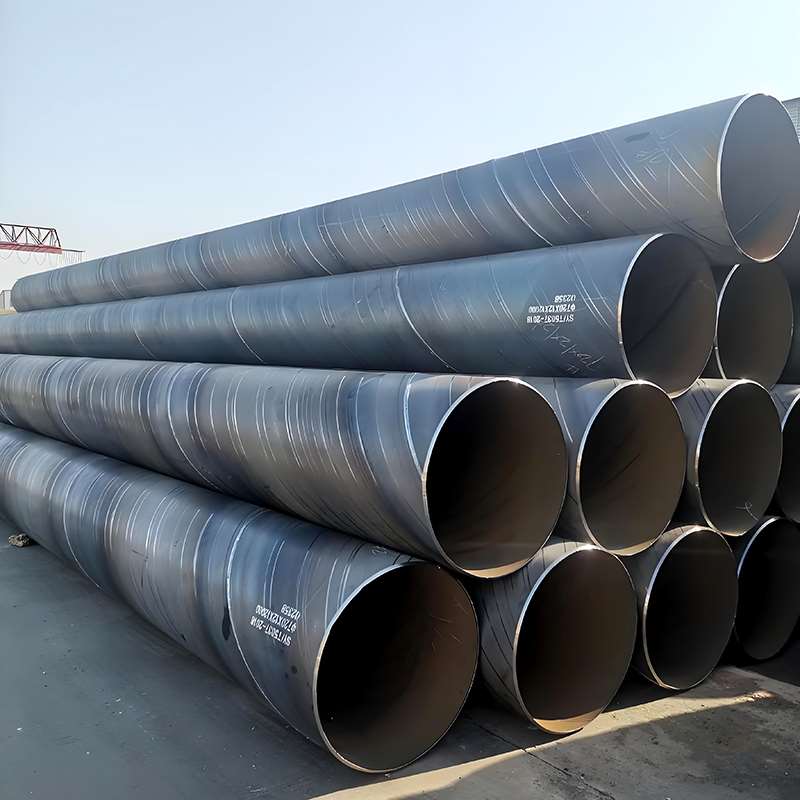
- For large-diameter spiral steel pipes, the factory’s ability to flexibly adjust the pipe diameter and wall thickness is critical. A professional and large-scale spiral steel pipe manufacturer typically has multiple automated production lines and can customize special diameters (such as 219 mm to 3,000 mm+), specified wall thicknesses, and non-standard lengths according to project drawings.
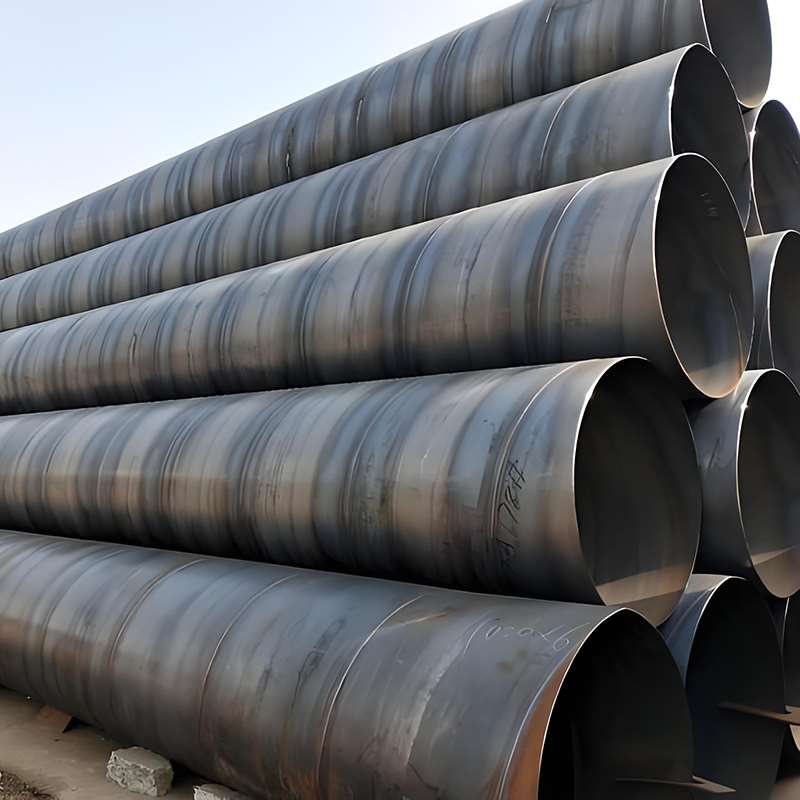
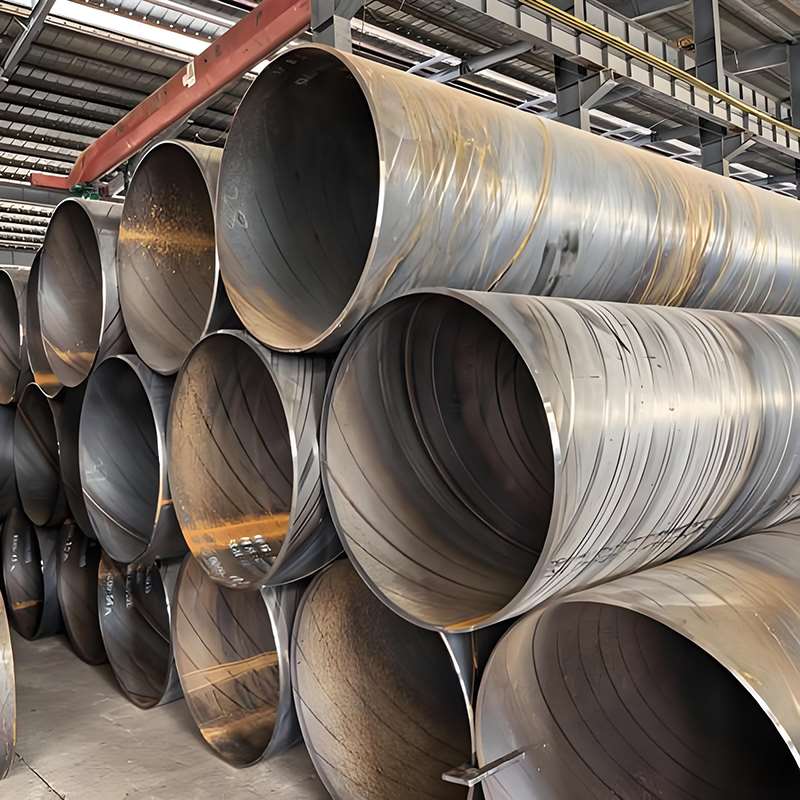
II. Quality Control and Inspection (QC)
4. What non-destructive testing (NDT) methods are used during production?
Weld quality is a critical safety factor for large-diameter welded pipes. It is essential to verify whether the manufacturer is equipped with:
- In-line/off-line ultrasonic testing (UT): To detect internal defects in welds.
- Real-time X-ray imaging inspection (RT): To re-inspect suspicious welds and perform final quality control.
- Hydrostatic Testing: 100% hydrostatic pressure stabilization testing on individual pipes to ensure there are no leaks.
5. Do they accept third-party on-site inspections and random sampling before shipment?
- Suppliers who are willing to accept on-site manufacturing supervision and pre-shipment random sampling by third-party organizations typically have more standardized quality systems. If a manufacturer refuses or delays third-party inspections, you should exercise caution.
6. What specifications do the pipe end machining and beveling meet?
- When connecting large-diameter steel pipes on-site, the precision of the pipe ends directly affects welding efficiency. Ask the manufacturer whether the pipe ends are plain ends or beveled ends, and verify that the bevel angle (typically 30°–35°) and the size of the blunt edge meet on-site construction requirements.
III. Corrosion-Resistant Coatings and Subsequent Processing
7. What types of external corrosion-resistant coatings and internal lining treatments are available?
Buried or water transmission pipelines have very high corrosion protection requirements. Verify whether the manufacturer has the capability for “integrated pipe coating” treatment, such as:
- External corrosion protection: 3LPE (three-layer polyethylene), 3LPP, epoxy coal tar, FBE (fused epoxy powder)
- Internal Corrosion Protection: Solvent-free liquid epoxy resin (IPN8710), cement mortar lining (suitable for drinking water pipes)
8. How are the thickness standards for corrosion-resistant coatings and spark testing ensured?
- The adhesion and thickness of the corrosion-resistant coating determine the pipeline’s service life underground. Require the supplier to specify the thickness tolerances for the corrosion-resistant coating and confirm that each pipe has passed high-voltage spark leak testing before leaving the factory.
IV. Packaging, Logistics, and After-Sales Support
9. How are large-diameter steel pipes packaged and protected to prevent damage during transport?
During loading and unloading for sea or land transport, the pipe ends of large-diameter steel pipes are prone to deformation or loss of roundness. Ask the supplier:
- Are protective covers (plastic caps or metal protective rings) installed on the pipe ends?
- Are lifting slings used instead of steel wire ropes during hoisting to prevent scratching the anti-corrosion coating?
- Are there anti-roll measures and padding in place during loading for ocean freight?
10. What is the delivery lead time? How are quality disputes handled?
- Clarify the specific timeframe from payment receipt to completion of production. Additionally, the contract must specify terms regarding quality disputes: if quality defects are discovered during the Incoming Quality Inspection (IQI) or during construction, what are the response procedures and time limits for the supplier to provide replacements, refunds, or compensation?