I. Overview of ASTM A335 P11 Seamless Steel Pipe
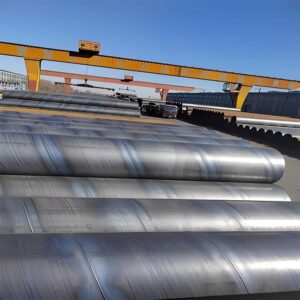
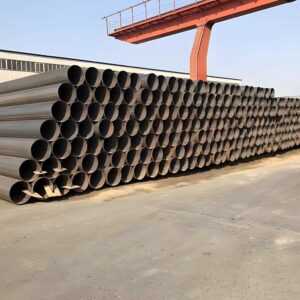
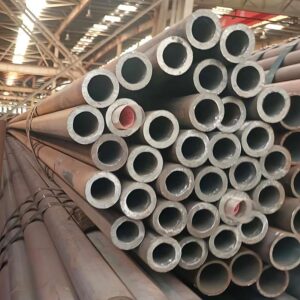
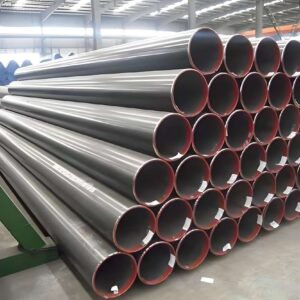
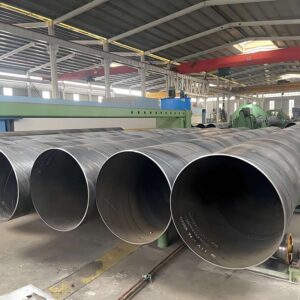
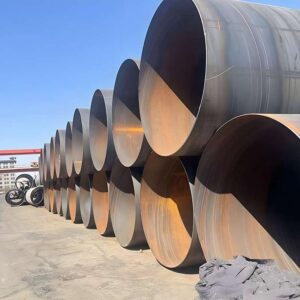
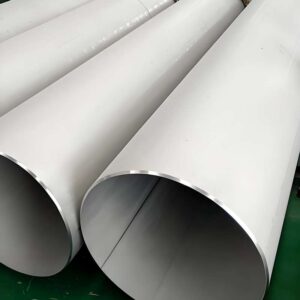
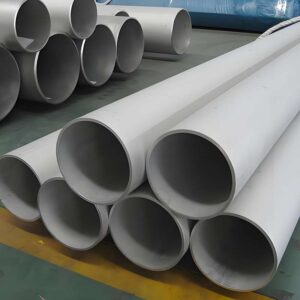
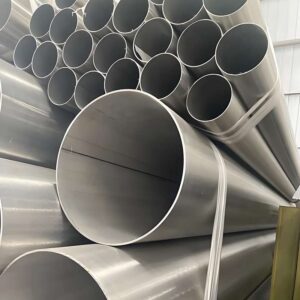
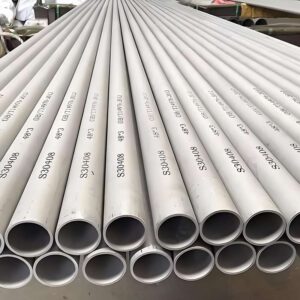
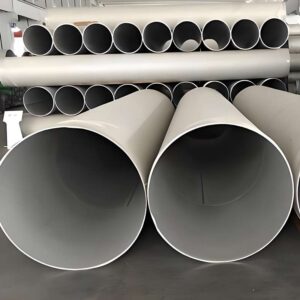
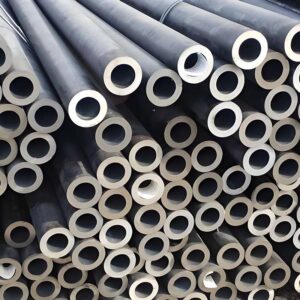
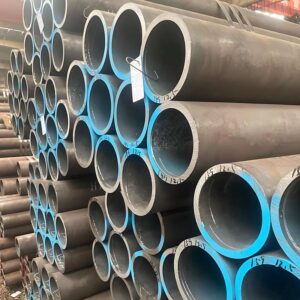
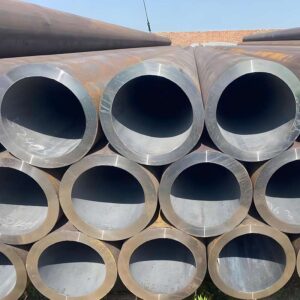
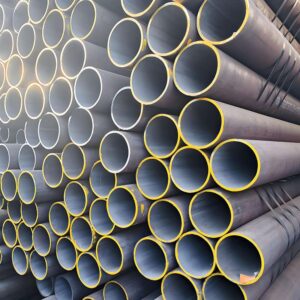
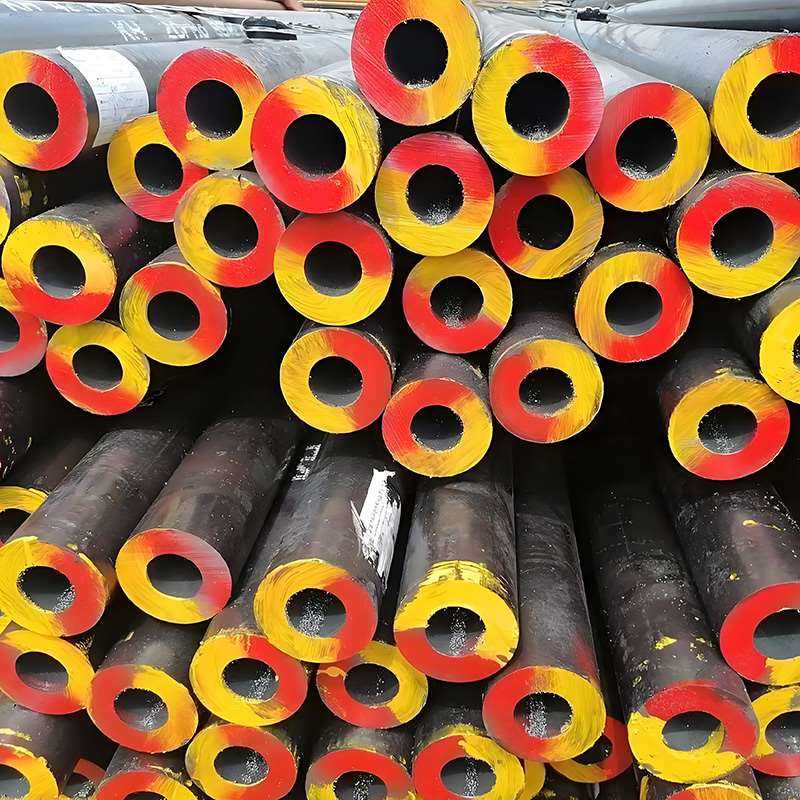
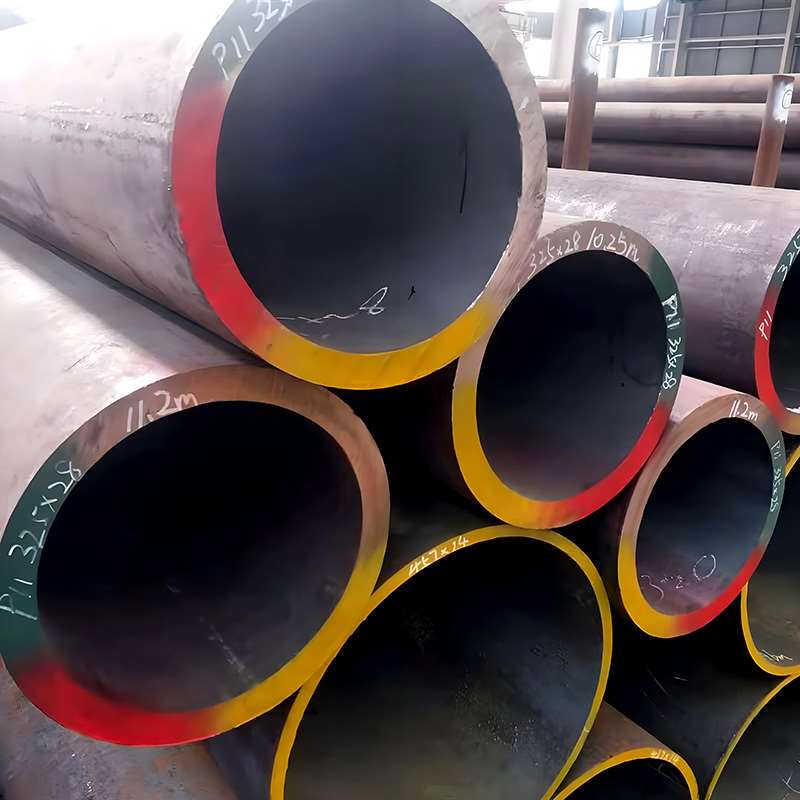
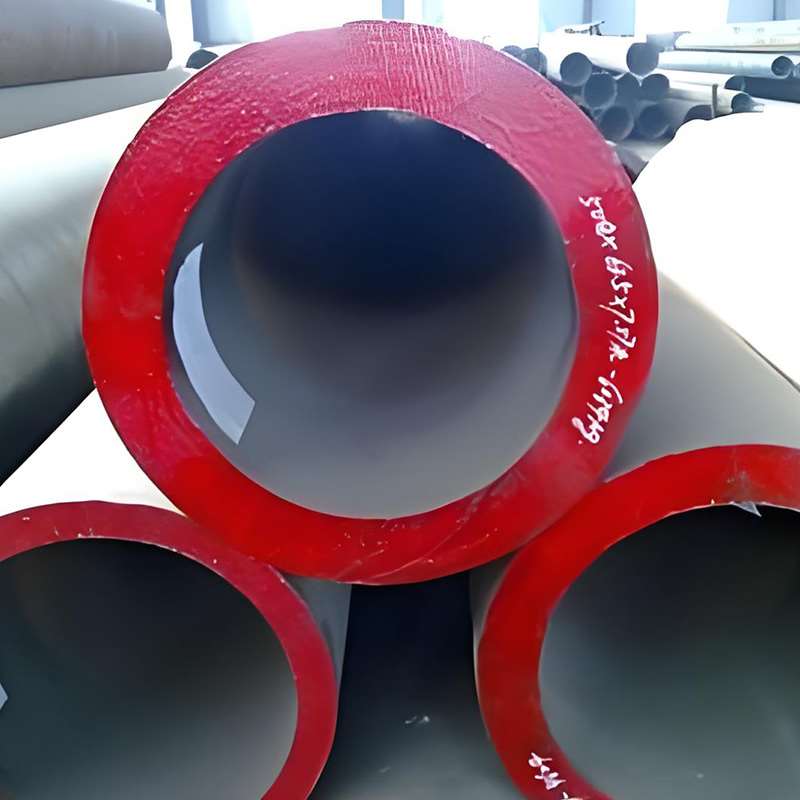
ASTM A335 P11 seamless steel pipe is a low-alloy, high-strength seamless steel pipe primarily used in industrial piping systems subject to high temperatures, high pressures, and low corrosion.
Manufactured in strict accordance with the ASTM A335 standard, it ensures excellent mechanical properties and durability in high-temperature and high-pressure environments.
II. ASTM A335 P11 seamless steel pipe chemical composition
| Element | Content Range (%) |
|---|---|
| C | 0.05–0.15 |
| Mn | 0.30–0.60 |
| P | ≤0.025 |
| S | ≤0.010 |
| Si | 0.50–0.80 |
| Cr | 0.50–0.60 |
| Mo | 0.44–0.55 |
| Ni | ≤0.40 |
| Cu | ≤0.40 |
III. ASTM A335 P11 Seamless Steel Pipe Mechanical Properties
| Performance Indicator | Value |
|---|---|
| Yield Strength (MPa) | ≥ 240 |
| Tensile Strength (MPa) | 415–550 |
| Elongation (%) | ≥ 20 |
| Impact Toughness (J @ -29℃) | ≥ 27 |
IV. Common grades and comparisons of ASTM A335 seamless steel pipe
(1)ASTM A335 common grades
| Grade | Main Chemical Elements | Yield Strength (MPa) | Tensile Strength (MPa) | Maximum Operating Temperature (℃) | Typical Application |
|---|---|---|---|---|---|
| P1 | Low Carbon Steel | 205 | 415–550 | ≤ 400 | General industrial steam pipelines, low-temperature low-pressure boiler tubes |
| P2 | C + Cr | 205 | 415–550 | ≤ 450 | Industrial steam pipelines, low to medium-pressure boiler tubes |
| P5 | Cr-Mo | 240 | 415–550 | ≤ 500 | Medium-temperature medium-pressure boilers, chemical pipelines |
| P9 | Cr-Mo | 240 | 415–550 | ≤ 525 | Medium-high temperature high-pressure boilers, thermal pipelines |
| P11 | Cr-Mo | 240 | 415–550 | ≤ 540 | High-temperature high-pressure boilers and steam pipelines |
| P22 | Cr-Mo | 275 | 415–550 | ≤ 560 | High-temperature high-pressure boilers, chemical pipelines |
| P91 | Cr-Mo-V | 415 | 585–720 | ≤ 600 | Ultra-high temperature high-pressure boilers, power plant steam pipelines |
| P92 | Cr-Mo-V-N | 450 | 620–760 | ≤ 620 | Ultra-high temperature high-pressure boilers, supercritical power plant pipelines |
(2)Level comparison analysis
| Comparison Dimension | Low Grade (P1/P2) | Medium Grade (P5/P9/P11) | High Grade (P22/P91/P92) |
|---|---|---|---|
| Main Alloy Elements | Low carbon, minor alloying | Medium Cr and Mo content | High Cr, Mo, V, N content |
| Yield Strength | 205–240 MPa | 240–275 MPa | 415–450 MPa |
| Tensile Strength | 415–550 MPa | 415–550 MPa | 585–760 MPa |
| Temperature Resistance | ≤ 400–450 ℃ | ≤ 500–540 ℃ | ≤ 600–620 ℃ |
| Typical Application | Low-temperature, low-pressure steam pipelines | Medium to high-temperature, high-pressure boilers and chemical pipelines | Ultra-high temperature, high-pressure boilers and power plant pipelines |
| Price / Cost | Low | Medium | High |
Summary:
Low-grade (P1/P2): Suitable for general industrial steam piping or low-pressure boiler piping, offering high economical performance.
Intermediate-grade (P5/P9/P11): Commonly used piping grades in industry and power plants, suitable for medium- to high-temperature, high-pressure steam and chemical piping.
High-grade (P22/P91/P92): Suitable for ultra-high-temperature, high-pressure boilers and supercritical piping in power plants, offering high performance at a competitive price.
V. ASTM A335 P11 seamless steel pipe application areas
Thermal power plant steam piping: Suitable for medium- and high-pressure steam at 500–540°C. Confirm pipe diameter, wall thickness, and corrosion protection requirements during procurement.
Chemical high-temperature process piping: Suitable for heat media at 450–540°C. Anti-corrosion coatings are optional for corrosive media.
Heat transfer piping: Resistant to medium- and high-temperature environments and creep resistance. Pay attention to length and thermal expansion treatment during procurement to reduce on-site welding.
Boiler main steam piping: Exposed to high temperatures and high pressures. Check mechanical properties and end finish quality when selecting materials.
Petrochemical steam systems: Suitable for medium- and high-temperature steam transportation. Corrosion protection should be added as necessary to ensure safe operation.
Industrial heat exchange systems: Meet the temperature and pressure resistance requirements of steam and thermal oil piping, selecting appropriate wall thickness and length.
High-temperature gas piping: Suitable for temperatures ≤540°C and medium pressures. Pay attention to low-temperature toughness and quality inspection.
Boiler auxiliary piping: Suitable for medium- and high-temperature environments. Cost-effective. Consider bends and accessories for ease of construction.
VI. ASTM A335 P11 Seamless Steel Pipe Testing Items
(1) Chemical Composition Analysis
Purpose: To ensure that the alloying element content meets the requirements of ASTM A335 standard.
Test method: Spectroscopic analysis or chemical wet analysis.
Main elements: C, Mn, P, S, Si, Cr, Mo.
(2) Tensile Test
Purpose: To verify the yield strength, tensile strength, and elongation of the steel pipe.
Requirements: P11 yield strength ≥ 205 MPa, tensile strength ≥ 415 MPa.
(3) Hardness Test
Purpose: To check whether the hardness is uniform after heat treatment.
Common methods: Brinell (HBW) or Rockwell (HRB) hardness test.
(4) Impact Toughness Test
Purpose: To verify the impact resistance of steel pipes at low temperatures.
Requirement: The average absorbed energy of the specimen at a specified low temperature (usually -20°C) must meet the standard.
(5) Hydrostatic Test
Purpose: To test the sealing and pressure resistance of steel pipes.
Requirement: No leakage and no visible deformation.
(6) Dimension and appearance inspection
Contents: Measure outer diameter, wall thickness, length, ovality and straightness; check for surface defects (cracks, delamination, pores, etc.).
(7) Nondestructive Testing (NDT)
Purpose: To detect internal defects in steel pipes.
Common methods: Ultrasonic testing (UT), eddy current testing (ET), or magnetic particle testing (MT).
(8) Heat treatment verification
Content: Confirm that the normalizing, tempering, or annealing process meets the standards.
Test points: Heat treatment curve, furnace temperature uniformity, and hardness distribution.
(9) Labeling and traceability inspection
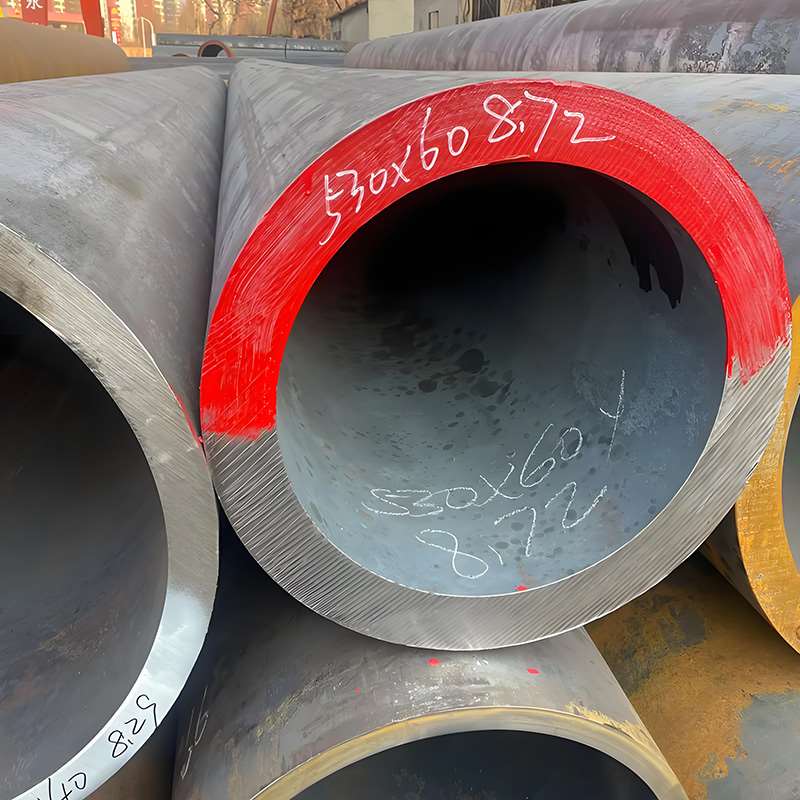
Requirement: Each steel pipe must be clearly labeled, including furnace number, specification, standard, material and heat treatment status to ensure traceability.