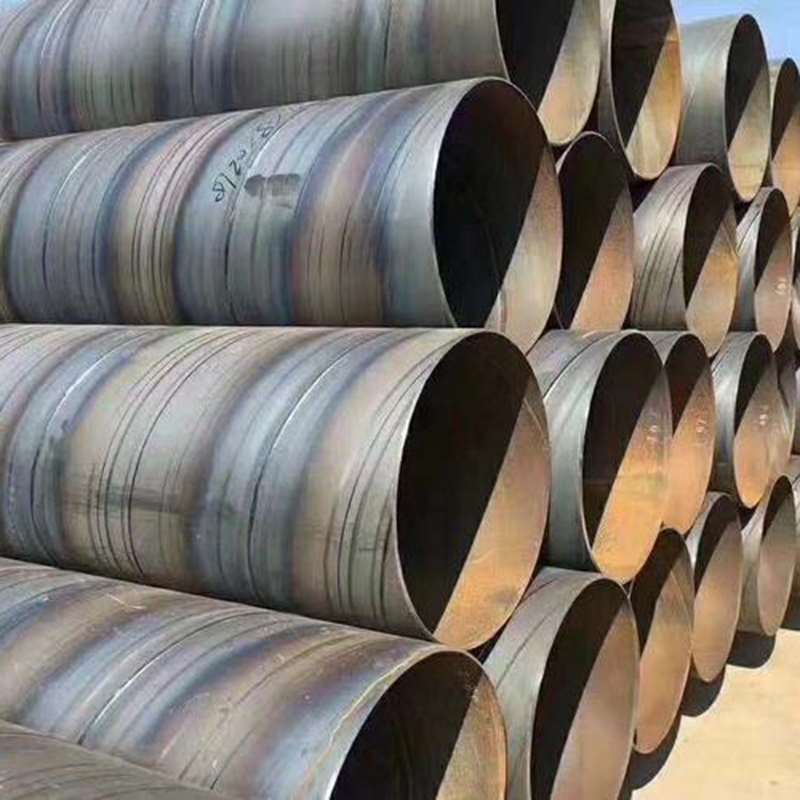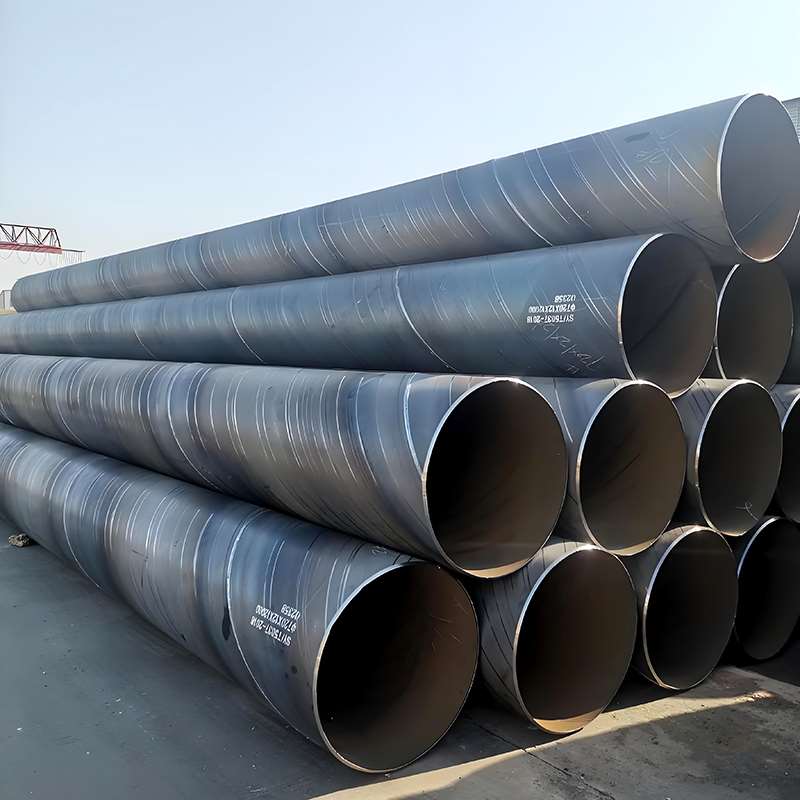
In the procurement and application of Large Diameter Spiral Welded Steel Pipe (SSAW), many decision-makers tend to fall into the misconception of “price-only selection” or “blindly pursuing higher specifications.” In reality, large-diameter pipeline engineering involves significant material costs and decades of safety responsibility. Incorrect selection may not only lead to budget overruns but also create serious engineering risks.
This article provides a practical selection guide from four key perspectives: engineering requirement analysis, critical technical parameters, quality risk control, and economic optimization.
I. Step 1: Define the “Core Logic” of the Project
Before selecting specifications, one fundamental question must be clarified:
Is the pipe designed for pressure transmission or structural load-bearing?
1. Transmission Projects (Fluid Pressure Systems)
If the project involves potable water, natural gas, district heating, or oil transportation, the key performance requirements are tightness and pressure resistance.
Recommended Standards: API 5L or GB/T 9711
Key Requirement: 100% non-destructive testing (NDT) and strict hydrostatic testing must be required.
2. Structural Projects (Load-Bearing Applications)
If the project involves bridge piling, port structures, or building supports, the key requirements are compressive strength, stiffness, and pipe end flatness.
Recommended Standards: ASTM A252 or SY/T 5040
Key Focus: Yield strength and wall thickness tolerance are critical. Weld seam tightness is less critical, but tensile performance of the weld must be ensured.
II. Step 2: Identify Key Technical Parameters
1. Material (Steel Grade) Selection
Avoid simply specifying “carbon steel pipe.” In SSAW applications:
- Q235B is commonly used for low-pressure municipal water systems and represents the most economical option.
- Q355B (or X52) is the most balanced and widely recommended grade for cost-performance optimization.
Low requirement applications: Q235 series (lowest cost)
Mainstream recommendation: Q355B / L360 (higher strength, allows reduced wall thickness, saving both material and transportation costs)
High-pressure applications: X60 and above (requires high-performance welding consumables and strict manufacturing capability)
2. Wall Thickness and Tolerance Risks
Wall thickness directly determines service life. During selection, it is essential to clarify whether pricing is based on theoretical weight or actual weighed weight.
Practical guidance:
SSAW pipes typically have a tolerance of ±10%. For critical structural applications, contracts should specify positive tolerance or zero negative tolerance to prevent insufficient wall thickness and potential structural failure.
3. Weld Seam Reinforcement (Internal Weld Bead)
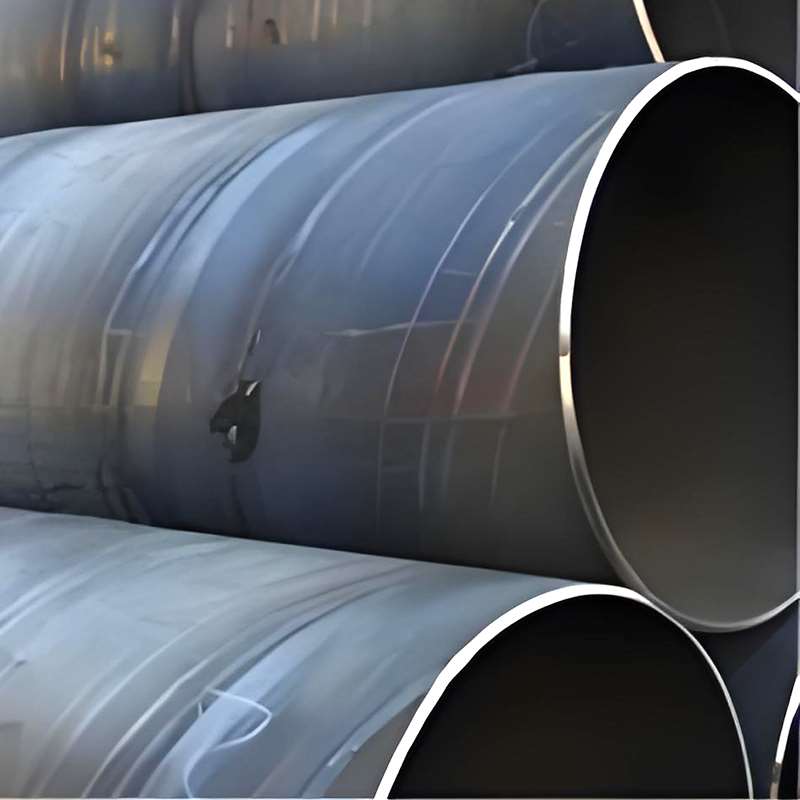
Spiral weld seams usually have a reinforcement height of 2–3 mm. If internal lining or external coating is required, excessive weld reinforcement may cause uneven coating thickness and create a “sharp edge effect,” accelerating corrosion.
In such cases, weld bead grinding should be requested from the manufacturer.
III. Step 3: Anti-Corrosion System as a Long-Term Investment
“Three parts pipe, seven parts protection.” Once installed underground, maintenance costs of large steel pipes can be several times higher than the material cost itself.
| Environmental Condition | Recommended Coating System | Reason |
| Normal buried (low corrosion) | Coal tar epoxy / fiberglass wrapping | Low cost, mature technology |
| Harsh environment (moist / acidic / alkaline) | 3PE coating | Excellent mechanical damage resistance with triple-layer structure |
| High-standard water systems | TPEP coating | Internal epoxy reduces flow resistance and ensures hygiene; external 3PE provides corrosion protection |
| Exposed environment | Hot-dip galvanizing + fluorocarbon paint | Combines rust protection and UV resistance |
IV. Step 4: Evaluating the Manufacturer’s Capability
For large diameter spiral pipes, production capability directly determines product quality limits.
1. Stability of Forming Equipment
Check whether the forming machine operates smoothly without excessive vibration, as this directly affects weld alignment accuracy.
2. Testing and Inspection Capability
Qualified manufacturers must be equipped with:
- Online automatic ultrasonic testing systems
- Hydrostatic pressure testing machines
- In-house physical and chemical laboratories
If a supplier only provides third-party inspection reports without internal testing capability, caution is strongly advised.
3. Project Experience
Review whether the manufacturer has delivered similar diameter and grade products. For large diameter spiral pipes (such as DN2000 and above), control of steel plate stress is significantly more demanding than small-diameter production.
V. Practical Cost Optimization Strategies
✔ Length Customization
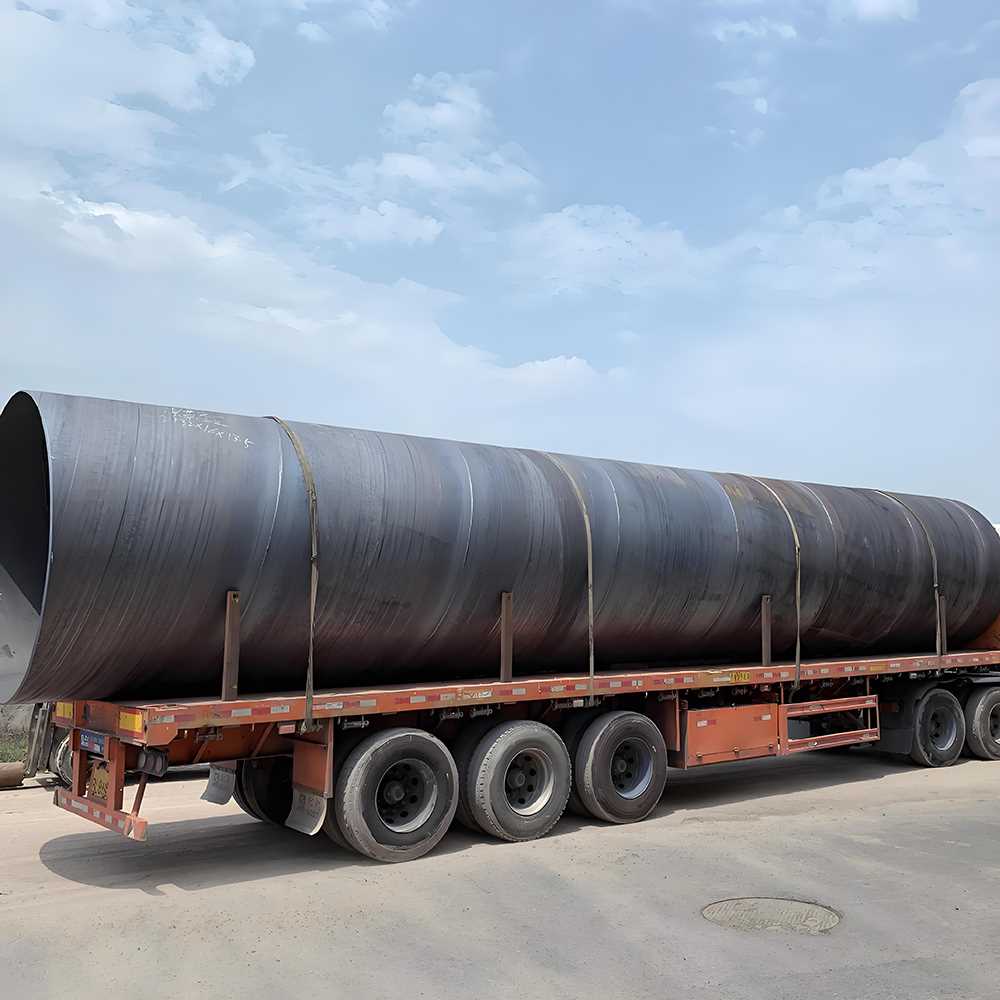
One major advantage of SSAW pipes is flexible length production. If transportation conditions allow, customizing 15 m or even 18 m pipe lengths can significantly reduce on-site welding joints, lowering labor costs and leakage risks.
✔ Material Upgrade Strategy
In some cases, upgrading from Q235B to Q355B may increase unit price, but allows reduced wall thickness. As a result, total weight decreases, and overall project cost may actually be lower.
✔ Freight Optimization
Large diameter steel pipes are considered bulky goods, and transportation costs account for a significant portion of total expenditure. It is recommended to prioritize suppliers within a 500 km radius whenever possible.
VI. Final Selection Conclusion
Selecting the right Large Diameter Spiral Welded Steel Pipe is not about choosing the “best,” but choosing the “most suitable.”
- Ensure safety: Focus on standards (API / ASTM / national standards) and non-destructive testing
- Control lifespan: Focus on coating system and wall thickness
- Optimize cost: Focus on material grade optimization and length customization
A well-informed selection ensures not only engineering safety but also long-term economic efficiency. For complex cross-regional or high-pressure pipeline projects, consultation with a professional pipeline engineer for secondary verification is strongly recommended.