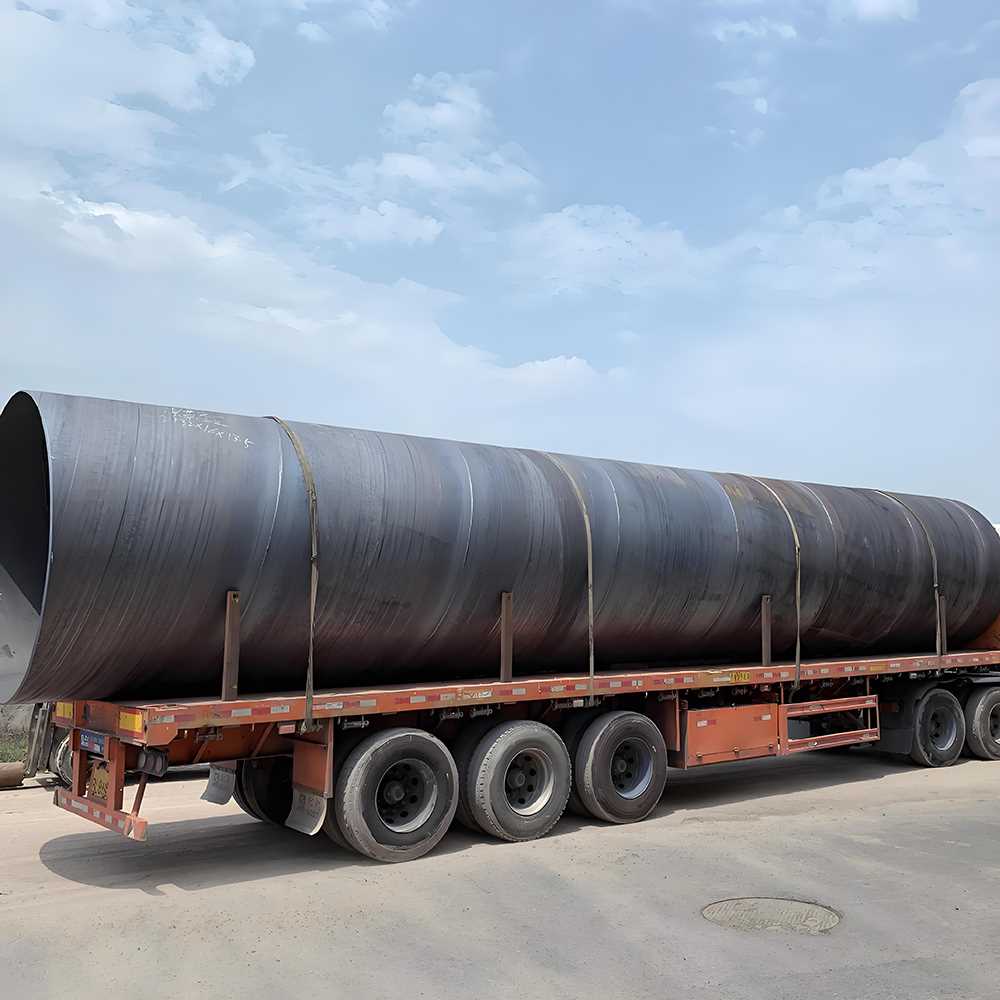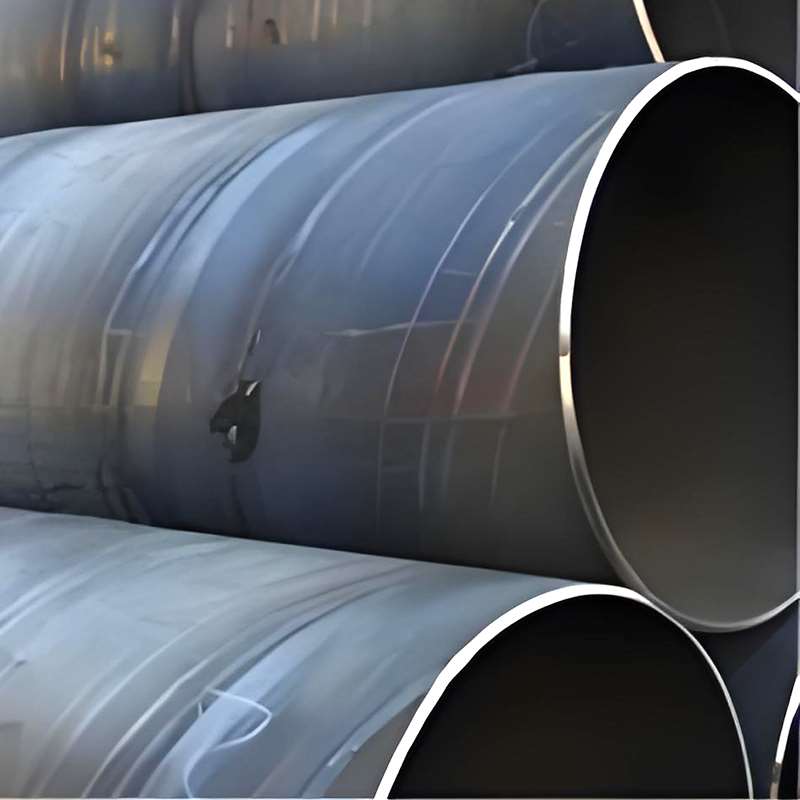
In infrastructure sectors such as oil & gas transmission, water supply, and municipal pipeline engineering, Spiral Steel Pipe (SSAW Pipe) has become a core transportation medium due to its excellent pressure-bearing capacity, flexible size customization, and cost efficiency. However, pipeline projects usually involve substantial investment and extremely strict safety requirements. Even minor material defects may lead to catastrophic failures.
So, how can buyers identify a truly reliable Spiral Steel Pipe Manufacturer among countless global suppliers? This article provides a comprehensive guide from four critical perspectives: technical certifications, manufacturing processes, quality control, and supply chain capabilities.
1. Verify Industry Certifications and Qualifications
For energy and water pipeline projects, certifications are the manufacturer’s “entry ticket.” Any factory lacking authoritative certifications should be excluded immediately, regardless of price advantages.
API 5L Certification
This is the gold standard for the oil and gas industry. A reliable manufacturer should hold valid American Petroleum Institute (API) certification, proving that its production processes comply with pipeline steel requirements.
ISO Management Systems
Evaluate whether the factory has obtained:
- ISO 9001 (Quality Management)
- ISO 14001 (Environmental Management)
- ISO 45001 (Occupational Health & Safety)
These certifications reflect the company’s overall operational and management standards.
Industry-Specific Certifications
For potable water projects, confirm whether the manufacturer has NSF/ANSI 61 certification or local sanitary approvals. For export projects, CE certification (Europe) or ASTM compliance is also essential.
2. Evaluate Raw Material Sources and Quality
The quality of Spiral Steel Pipe depends heavily on its raw material — Hot Rolled Coil (HRC). In many cases, raw materials account for nearly 80% of the final product quality.
Reliable manufacturers usually maintain long-term strategic partnerships with major steel mills such as Baowu Steel, Ansteel, or POSCO. During supplier evaluation, focus on the following aspects:
Mill Test Certificate (MTC)
The supplier should provide original Mill Test Certificates for every production batch, ensuring full traceability of chemical composition and mechanical properties.
Steel Grade Capability
For high-pressure natural gas pipelines, verify whether the manufacturer has experience producing high-grade materials such as X70X70X70 or X80X80X80 pipeline steel.
3. Assess Manufacturing Processes and Equipment
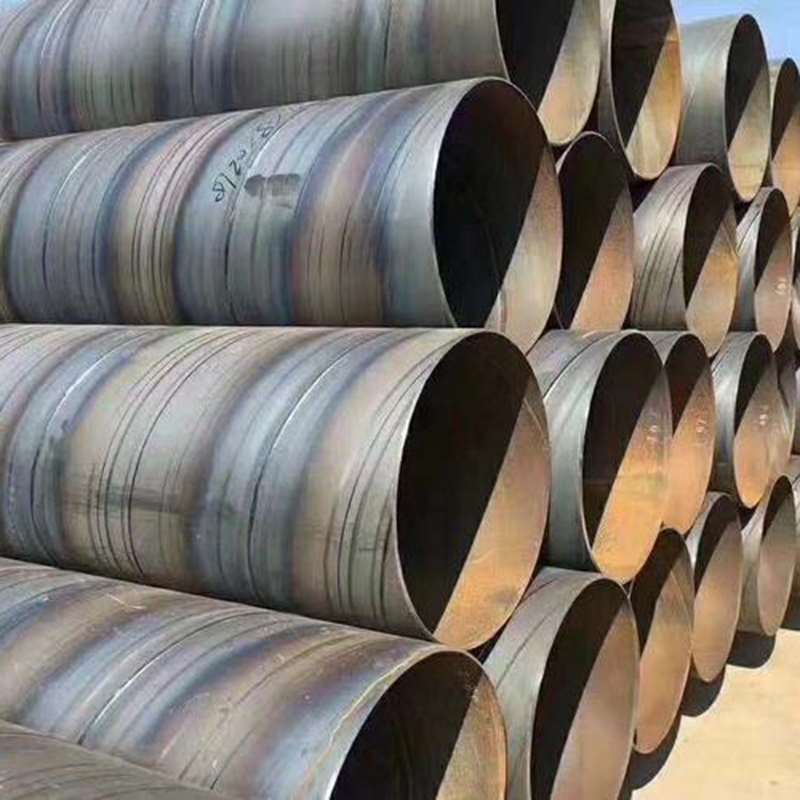
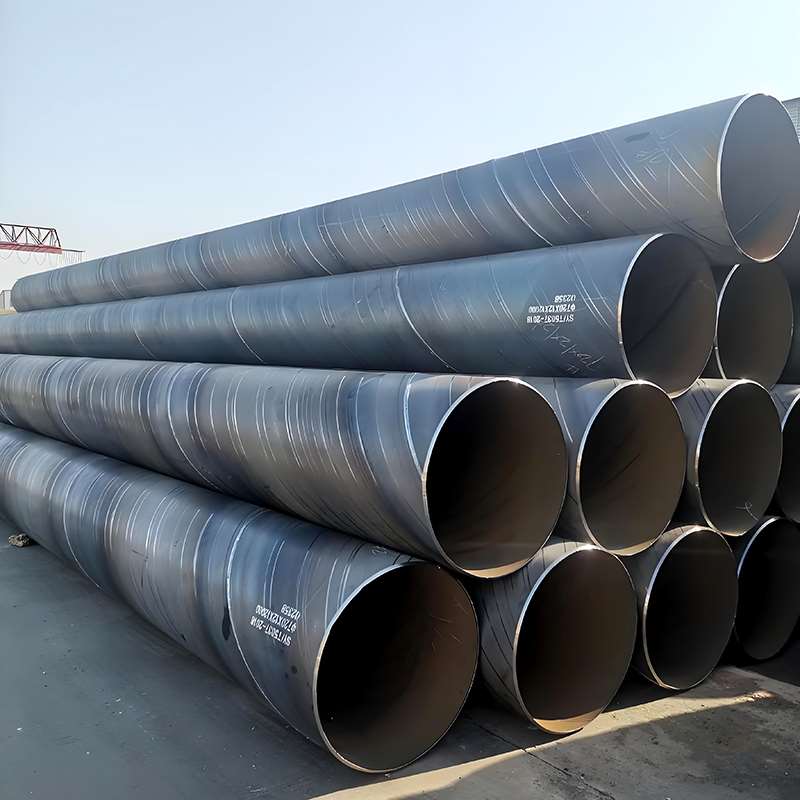
Spiral Steel Pipe is produced by forming steel strip into a tubular shape at a specific spiral angle and then welding it continuously. The key factors are forming precision and welding quality.
3.1 Welding Technology
Reliable manufacturers should adopt Double Submerged Arc Welding (DSAW) technology. This process provides deep weld penetration and excellent weld seam density.
Ask whether the factory uses automatic weld seam tracking systems to ensure the weld remains precisely centered throughout production.
3.2 Forming Stability
Inspect the precision level of the pipe-forming equipment. Advanced production lines can effectively control pipe ovality and circumference deviation, which is critical for field welding and pipeline installation.
4. Strict Quality Inspection Procedures (Critical Section)
Reliable manufacturers do not rely on verbal promises — they rely on measurable data and documented inspection results.
A standard Spiral Steel Pipe quality inspection process should include:
4.1 Non-Destructive Testing (NDT)
Online Ultrasonic Testing (UT)
Fully automated real-time monitoring of weld seam defects during production.
Offline Radiographic Testing (RT)
X-ray inspection is performed on suspicious areas or pipe ends, creating permanent quality records for traceability.
4.2 Hydrostatic Testing
This is one of the most critical safety procedures. Every steel pipe must undergo hydrostatic pressure testing and maintain the specified pressure for a designated duration (typically 5–10 seconds) without leakage.
Reliable manufacturers can provide automatically recorded hydrostatic test curves and reports.
4.3 Mechanical and Chemical Testing
The factory should operate its own laboratory capable of conducting:
- Tensile testing
- Cold bending testing
- Impact testing
- Metallographic analysis
These tests ensure the finished products fully comply with required mechanical performance standards.
5. Anti-Corrosion Coating Capabilities
Whether for buried oil pipelines or water transmission systems, anti-corrosion protection is essential for extending service life.
Professional manufacturers usually provide integrated “pipe + coating” production solutions.
External Coating
Common external anti-corrosion systems include:
- 3PE (Three-Layer Polyethylene)
- FBE (Fusion Bonded Epoxy)
Internal Coating
For water supply pipelines, internal coatings commonly include:
- Epoxy lining
- Cement mortar lining
Evaluate the manufacturer’s coating workshop based on:
- Temperature control systems
- Surface preparation quality
- Blast cleaning standards (should reach Sa 2.5Sa\ 2.5Sa 2.5 grade)
- Coating adhesion testing equipment
6. Supply Chain Management and Logistics Capability
Large-scale pipeline projects often operate under tight schedules. A manufacturer’s delivery capability directly impacts project timelines and budget control.
Production Capacity
Confirm whether the factory’s monthly production capacity can meet your project demand and avoid delays caused by insufficient output.
Packaging and Transportation
Steel pipes are large, heavy, and susceptible to damage during transportation. Reliable suppliers provide professional packaging solutions for ocean freight and long-distance transportation, including:
- Pipe end protection
- Lifting belt protection
- Export-standard bundling systems
In addition, experienced manufacturers usually maintain stable partnerships with international logistics providers.
Project Experience (Track Record)
Request project references and supply records from the past three years, especially projects similar in scale and application to your own.
Conclusion
Choosing a reliable Spiral Steel Pipe Manufacturer is not simply about comparing prices. It requires comprehensive evaluation of certifications, raw materials, production technology, inspection standards, coating capabilities, and delivery performance.
For oil, gas, and water pipeline projects, selecting the right supplier can significantly reduce operational risks, improve long-term reliability, and ensure the overall success of the project.