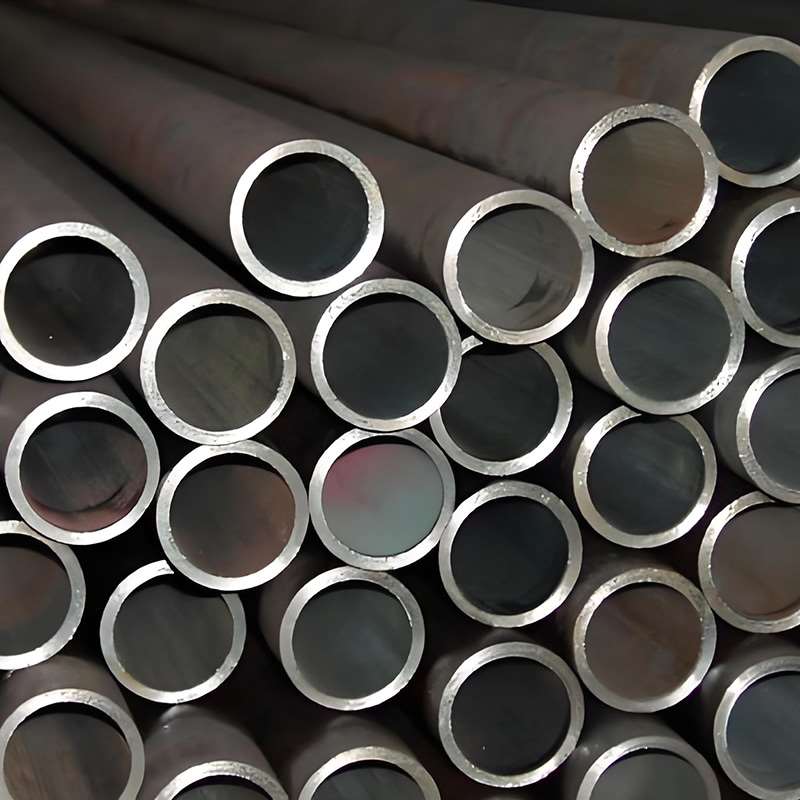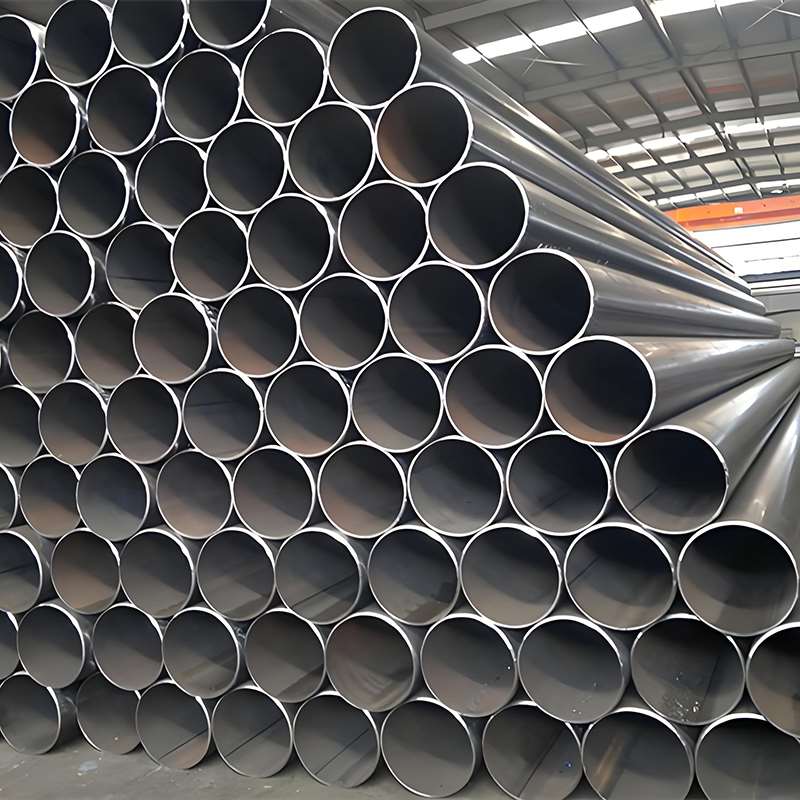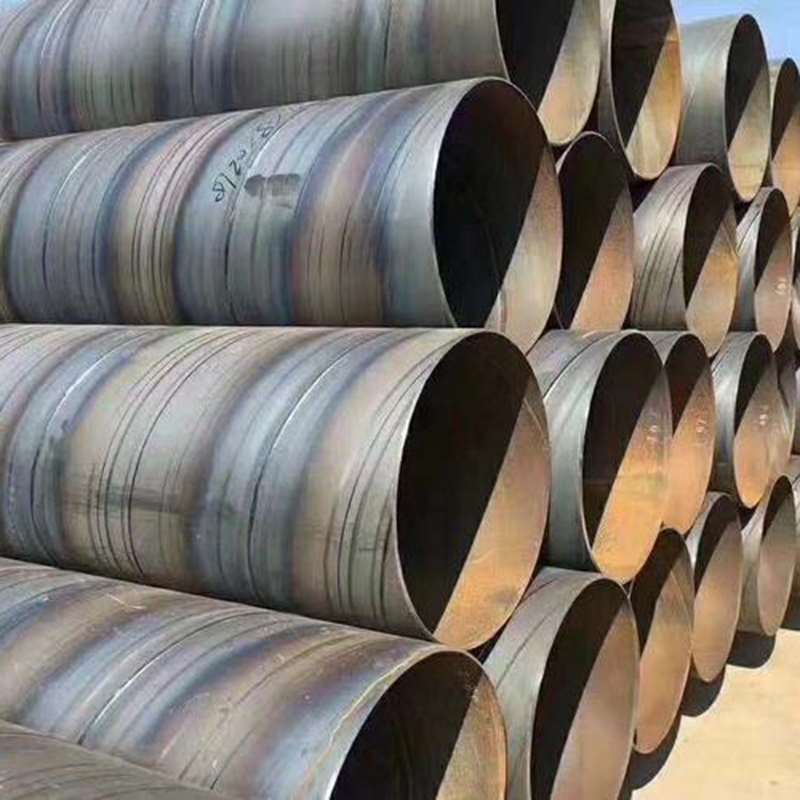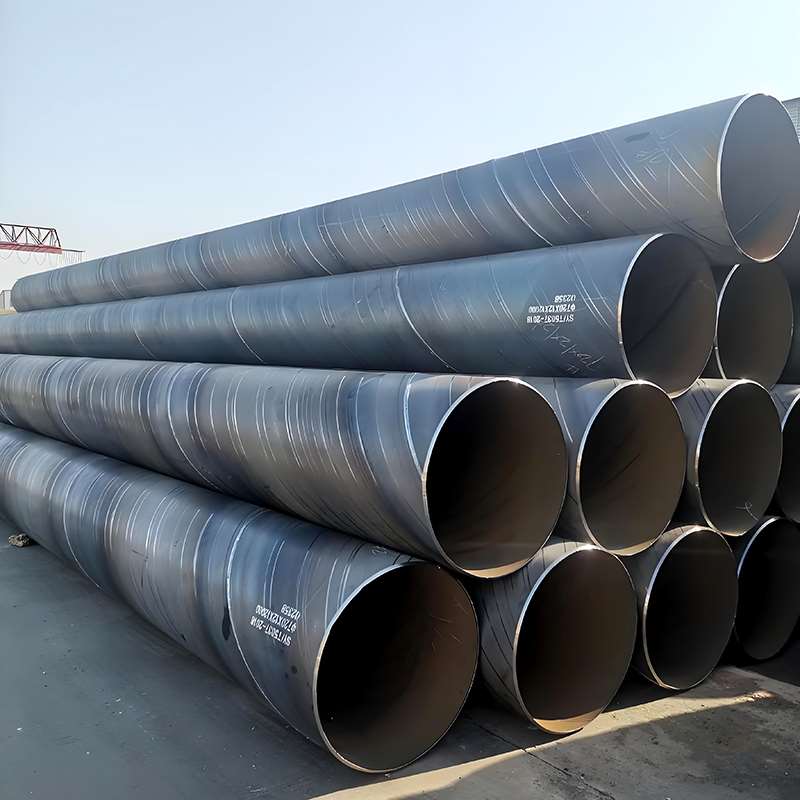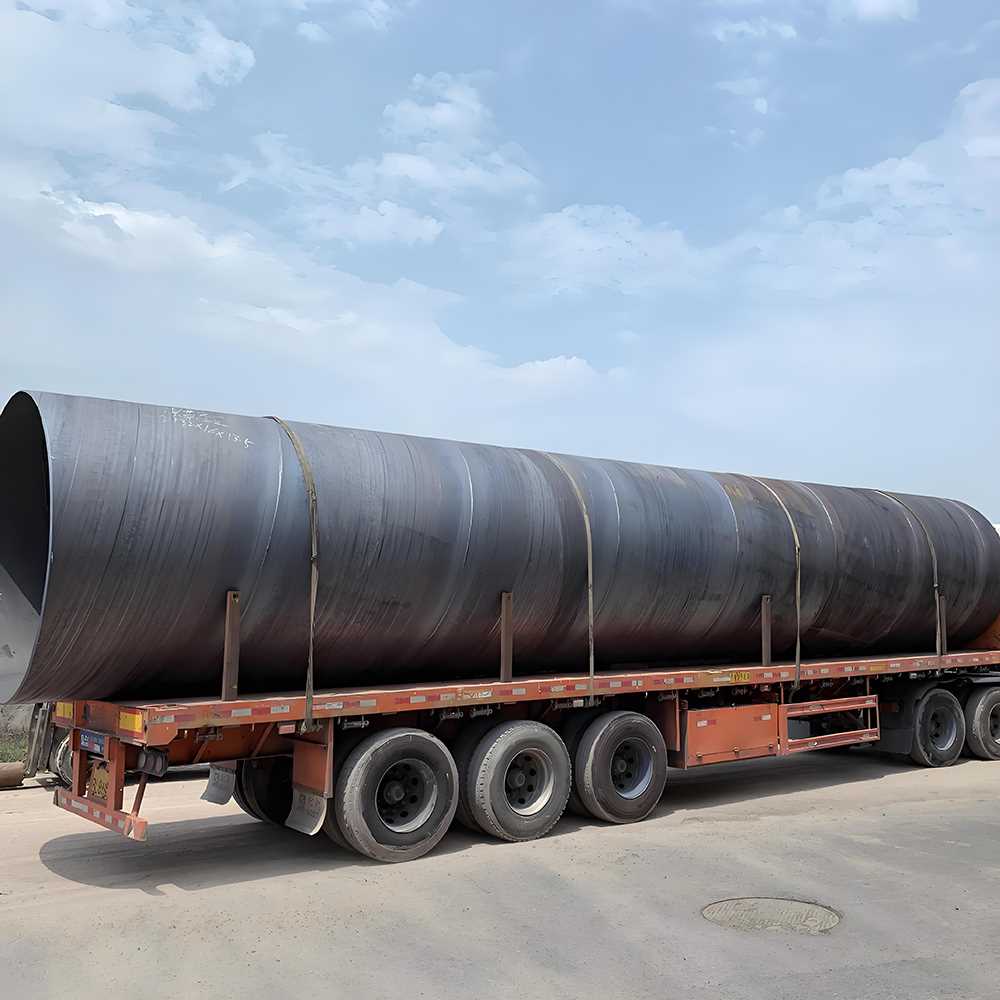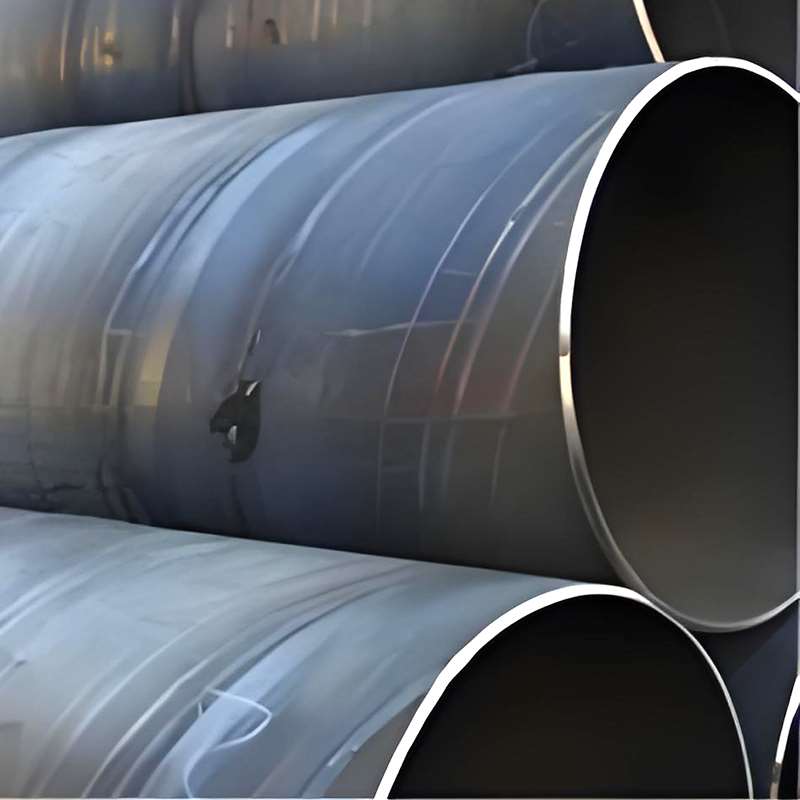
In oil and gas transmission systems, Spiral Welded Steel Pipe (SSAW) undertakes the critical responsibility of high-pressure, long-distance transportation. Due to its spiral weld seam geometry, its stress distribution and manufacturing logic differ significantly from longitudinal welded pipes.
The following summarizes five key technical requirements based on major oil and gas industry standards such as API 5L and ISO 3183.
I. Mechanical Properties and Chemical Composition of Base Material
Oil and gas pipelines require extremely high levels of strength and toughness to prevent catastrophic brittle fracture.
Yield-to-Tensile Ratio Control
The Yield-to-Tensile Ratio is typically required to be no higher than 0.90. A lower ratio indicates better plastic deformation capacity under overload conditions, improving pipeline safety under abnormal stress.
Low-Temperature Toughness (CVN & DWTT)
Charpy V-Notch (CVN) impact testing is mandatory. For high-pressure gas pipelines, Drop Weight Tear Test (DWTT) must also be conducted.
The shear area fraction (SA%) at the design minimum operating temperature should reach at least 85%, ensuring resistance to long-distance crack propagation in low-temperature environments.
Carbon Equivalent (CE) Control
To ensure field weldability, carbon equivalent must be strictly controlled. The Pcm formula is commonly used to evaluate weldability, ensuring that even high-strength grades such as X70 or X80 maintain excellent welding performance during field installation.
II. Geometric Dimensions and Forming Accuracy
Dimensional precision of spiral welded pipes directly affects field welding quality and long-term pipeline integrity.
Misalignment (Hi-Lo) Control
Misalignment is one of the most critical quality indicators for SSAW pipes. Industry standards typically require misalignment not to exceed 10% of wall thickness, with a maximum limit of around 3 mm.
Excessive misalignment can cause severe stress concentration and increase failure risk.
Residual Stress Management
Residual stress is generated during the forming process. Advanced manufacturing techniques require precise control of forming angle and forming pressure, or post-forming stress-relief treatment, to minimize residual stress and reduce the risk of Stress Corrosion Cracking (SCC).
Pipe End Roundness and Beveling
Pipe ends must be machined with high precision to ensure proper roundness and bevel angles, meeting requirements for automatic welding systems during field installation.
III. Weld Quality and Welding Process
The weld seam is the most critical and weakest part of a spiral welded pipe and must meet the requirement of “equal-strength design” with the base material.
Multi-Wire Submerged Arc Welding (SAW)
Double-sided multi-wire submerged arc welding (such as three-wire or four-wire systems) is typically used to ensure sufficient penetration and high-quality weld formation.
Weld Profile Control
Weld reinforcement must not be excessively high, as this can lead to stress concentration. The weld must transition smoothly with the base material, and defects such as undercutting, slag inclusion, or porosity are strictly prohibited.
IV. Strict Non-Destructive Testing (NDT) Requirements
In oil and gas pipeline production, non-destructive testing is a mandatory “zero-tolerance” requirement.
100% Automatic Ultrasonic Testing (UT)
Full-length UT inspection is required to detect longitudinal defects, transverse defects, and lamination defects in the base material in real time.
Digital Radiographic Testing (DR)
Any suspected defects identified by ultrasonic testing must be verified using digital X-ray inspection. Critical areas such as pipe ends require 100% radiographic testing.
Hydrostatic Testing
Each pipe must undergo a hydrostatic pressure test above the operating pressure level, typically reaching stress levels up to 90% of yield strength, ensuring structural integrity and leak-free performance.
V. Surface Treatment and Anti-Corrosion Coating Systems
Since pipelines are often buried underground, corrosion resistance directly determines their service life, typically ranging from 30 to 50 years.
3PE Anti-Corrosion System
The most widely used system is the Three-Layer Polyethylene (3PE) coating:
- Fusion Bonded Epoxy (FBE) layer provides strong adhesion
- Adhesive middle layer ensures bonding strength
- Polyethylene outer layer provides mechanical protection
This structure offers excellent durability in harsh underground environments.
Internal Flow-Efficiency Coating
For long-distance natural gas transmission pipelines, internal epoxy coating is commonly required. This not only provides corrosion protection but also significantly reduces frictional resistance, improving overall transmission efficiency.
Conclusion
The key technical requirements of Spiral Welded Steel Pipe in oil and gas transmission systems can be summarized into five core aspects:
- High-strength and high-toughness base material
- Strict geometric and dimensional control
- High-integrity weld quality
- Full-process non-destructive testing (NDT)
- Durable anti-corrosion and internal coating systems
Only when all these technical requirements are fully satisfied can SSAW pipes reliably serve in high-pressure, long-distance oil and gas transmission applications with long-term operational safety and efficiency.