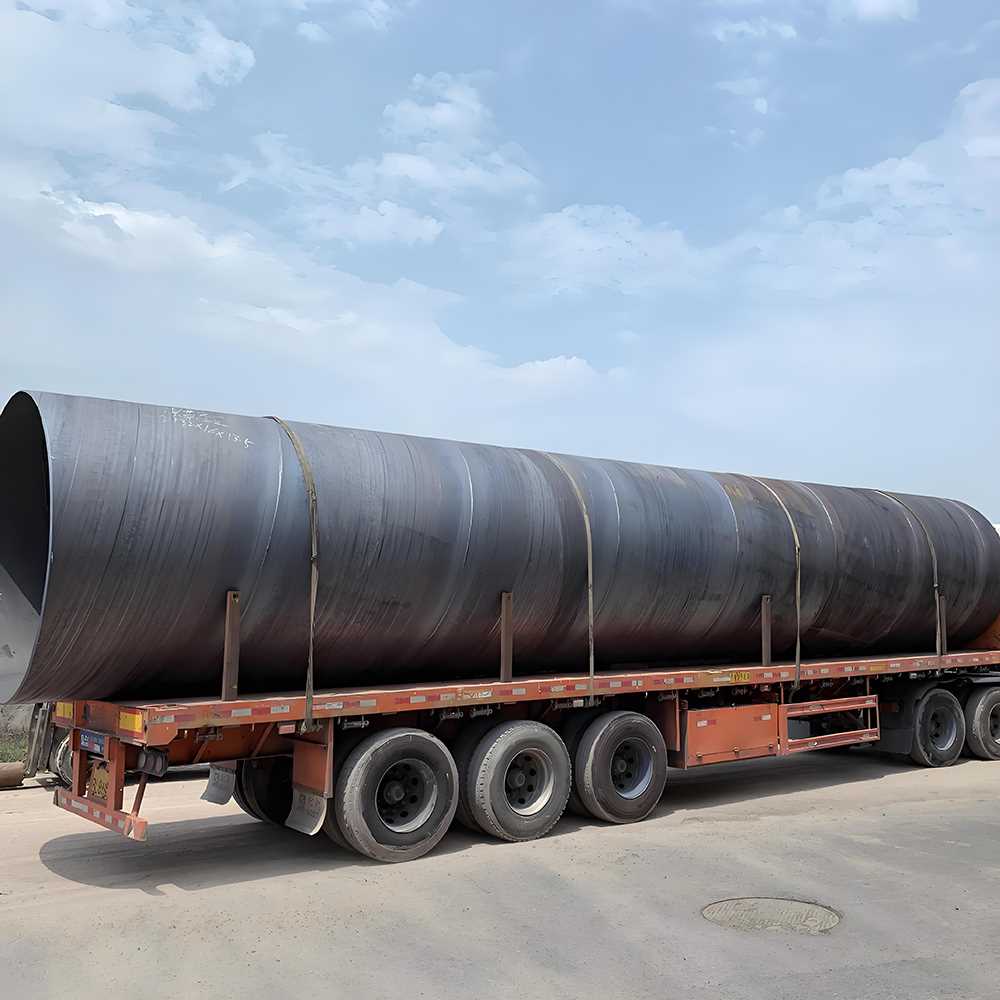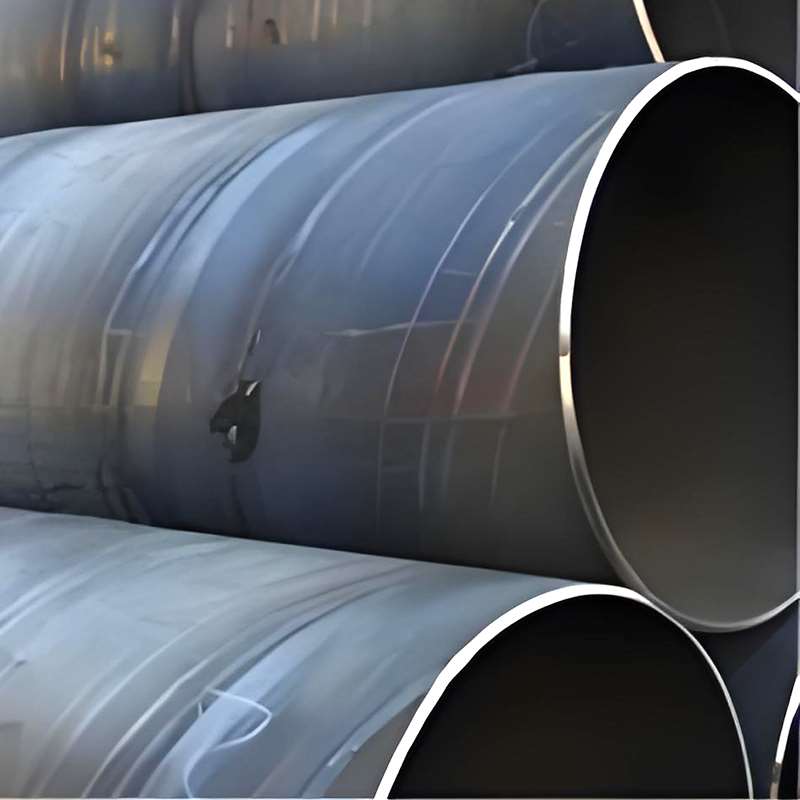
In oil & gas transmission, water supply and drainage systems, piling foundations, and long-distance pipeline projects, Large Diameter Spiral Welded Steel Pipe (SSAW) and Longitudinal Submerged Arc Welded Pipe (LSAW) are the two most widely used materials. Due to their fundamentally different manufacturing processes, they exhibit distinct performance characteristics and application scenarios.
Below is a professional comparison and selection guide for your reference.
I. Core Manufacturing Process and Appearance Differences
SSAW (Spiral Submerged Arc Welding):
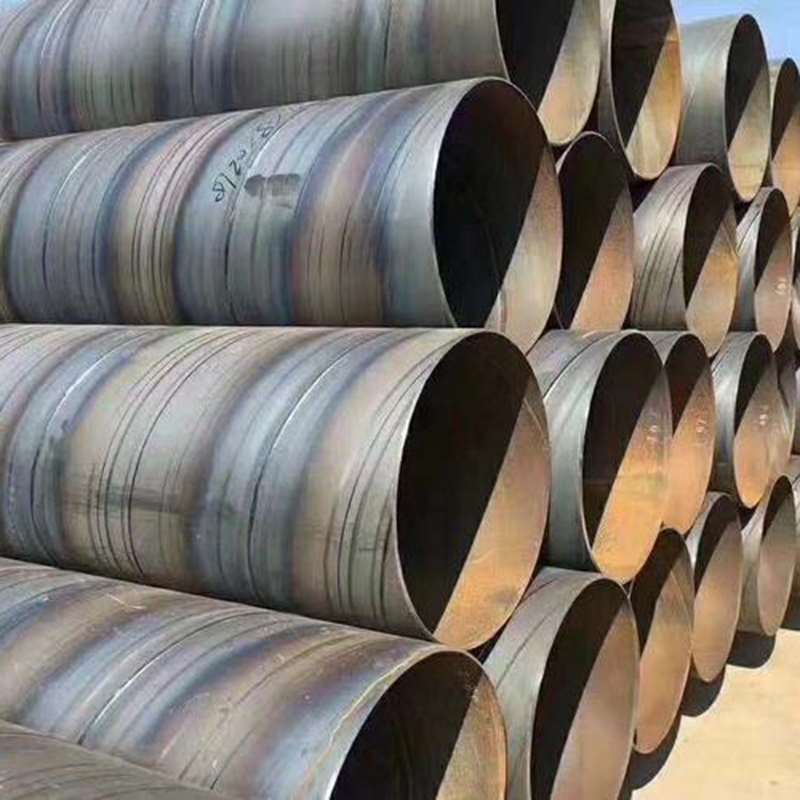
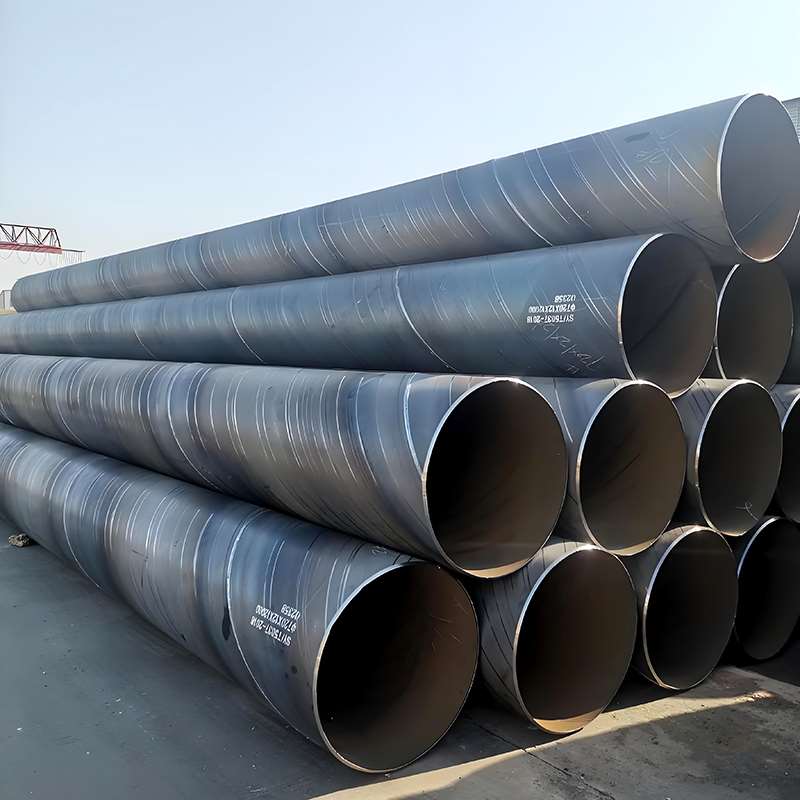
Manufactured from hot-rolled steel coils that are continuously formed into a pipe. The forming axis is set at a certain angle to the pipe axis, resulting in a spiral weld seam that runs helically along the pipe body.
LSAW (Longitudinal Submerged Arc Welding):
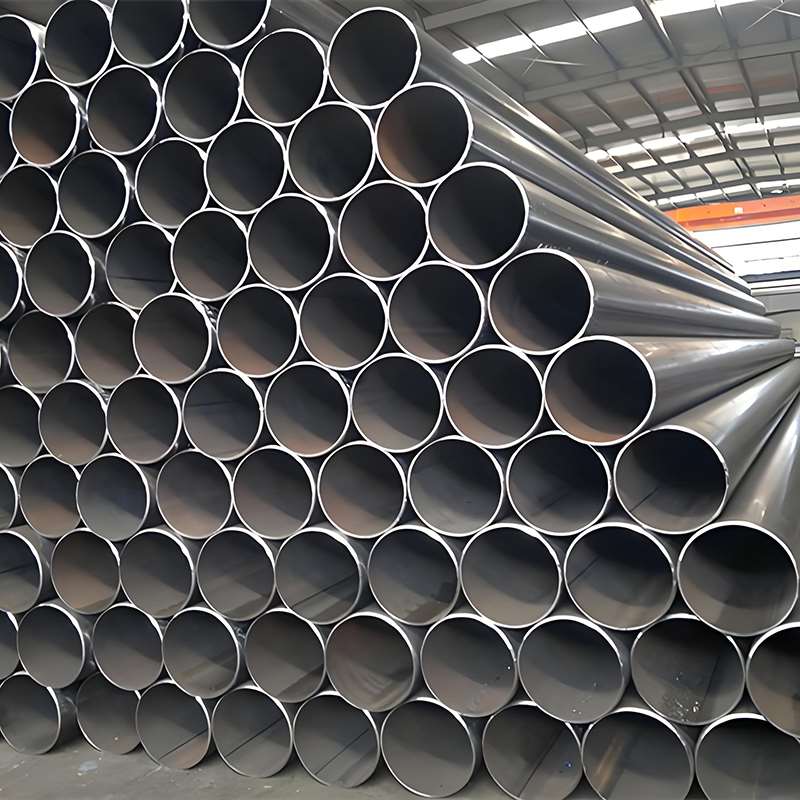
Typically produced from steel plates. The plate is formed into a cylindrical shape using a press or forming machine, and the weld seam runs in a straight longitudinal line.
II. SSAW vs. LSAW Performance Comparison Table
To better understand the differences, here is a structured comparison based on technical parameters and engineering applications:
| Feature | SSAW (Spiral Welded Pipe) | LSAW (Longitudinal SAW Pipe) |
| Raw Material | Hot-rolled steel coil | Wide and thick steel plate |
| Weld Seam Length | Longer (approx. 1.5–2 times the pipe length) | Shorter (equal to pipe length) |
| Diameter Range | Extremely wide; large diameters achievable from narrow strip | Limited by plate width; extra-large diameters may require double seams |
| Wall Thickness Capability | Relatively thinner (typically below 25 mm) | Extremely thick (can reach 40 mm to over 100 mm) |
| Geometrical Accuracy | Slightly lower (more complex residual stress) | Very high (usually mechanically expanded) |
| Impact Resistance | Moderate | Excellent; suitable for low temperature and high-pressure conditions |
| Overall Cost | Lower (high production efficiency, readily available raw material) | Higher (complex process, higher plate cost) |
III. Selection Guide: How to Make the Right Decision
In real-world projects, selection should not be based on price alone. Instead, evaluate four key factors: pressure, geological conditions, wall thickness, and budget.
3.1 When to Choose LSAW
High-pressure critical pipelines:
For high-pressure gas transmission lines (such as X70/X80 grades), LSAW is the preferred choice. Its shorter weld seam and mechanical expansion ensure superior dimensional accuracy and consistent mechanical performance, enabling it to withstand higher operating stress.
Extreme wall thickness requirements:
When the required wall thickness exceeds 25.4 mm, spiral welded pipes are often limited by coil thickness. In such cases, LSAW becomes the only viable option.
Complex geological conditions:
In seismic zones, permafrost regions, or areas with potential ground settlement, LSAW offers better deformation resistance and toughness.
Offshore and marine engineering:
Due to high external pressure and strict anti-corrosion requirements, subsea pipelines are almost exclusively manufactured using LSAW.
3.2 When to Choose SSAW
Medium- to low-pressure long-distance transmission:
Applications such as municipal water supply, drainage systems, low-pressure gas pipelines, and district heating networks benefit from SSAW due to its excellent cost-performance ratio.
Structural and piling applications:
For bridge piles, port construction, and structural components, spiral welded pipes are more economical thanks to high production efficiency and flexibility in large-diameter manufacturing.
Cost-sensitive projects:
Under the condition that design strength requirements are met, SSAW is typically 15% to 25% more cost-effective than LSAW. For large-diameter, low-pressure projects, this can result in significant savings.
Non-standard large diameters:
SSAW pipes can be produced in various diameters by adjusting the forming angle of the steel strip, making them ideal for customized, non-standard sizes.
IV. Final Selection Recommendations
Select based on pressure level:
For very high pressure (above 10 MPa), prioritize LSAW. For medium to low pressure (1.6 MPa to 6.4 MPa), SSAW is a more economical choice.
Consider diameter and wall thickness:
For large diameters with moderate wall thickness, SSAW has a clear advantage. For large diameters combined with very thick walls, LSAW is the only feasible solution.
Evaluate application scenario:
For oil and gas transmission pipelines, LSAW is generally preferred. For municipal infrastructure and construction projects, SSAW is typically the optimal choice.