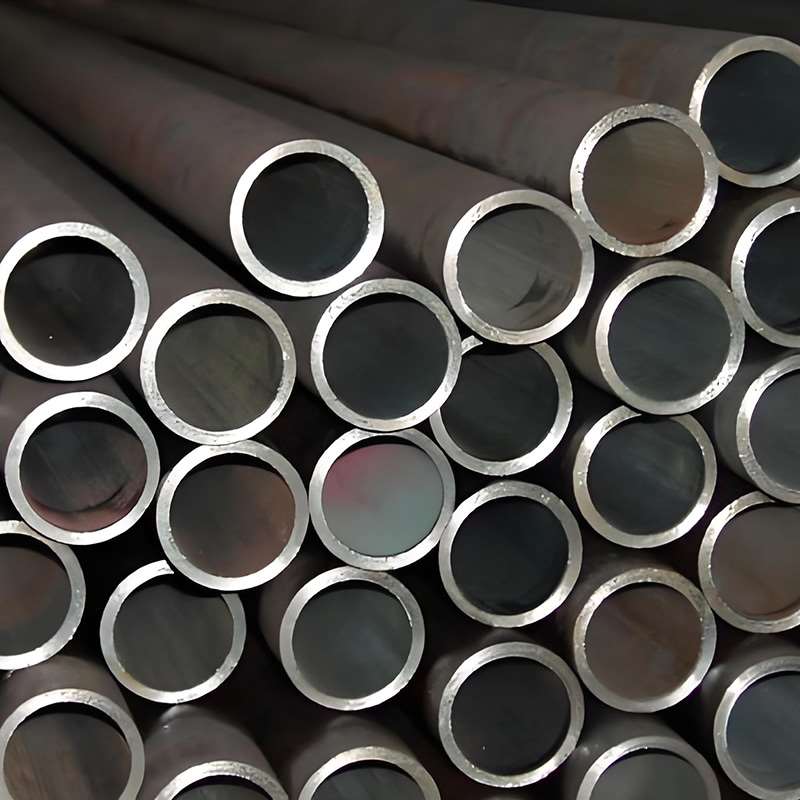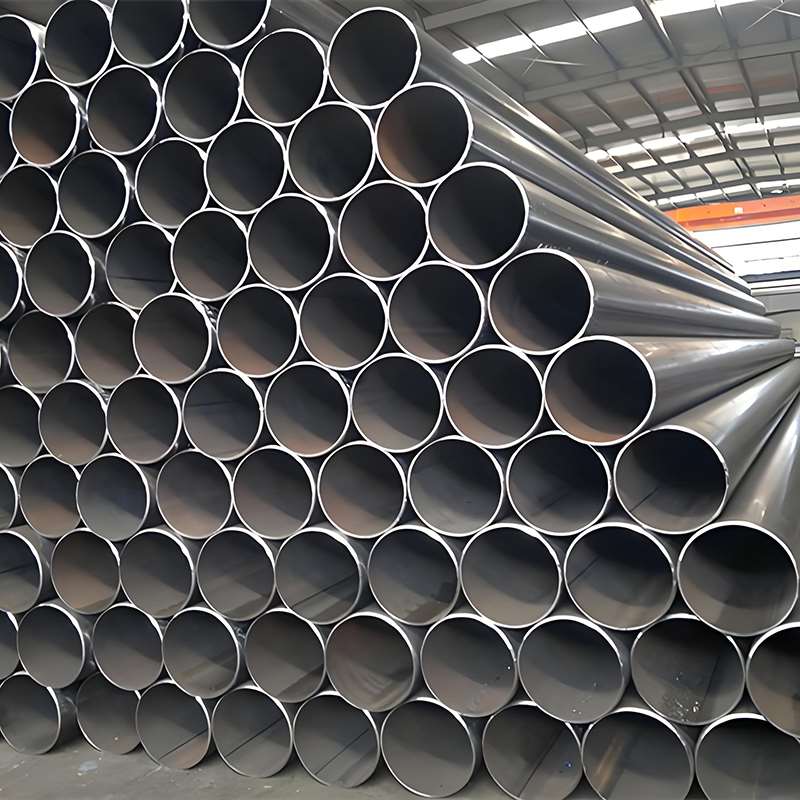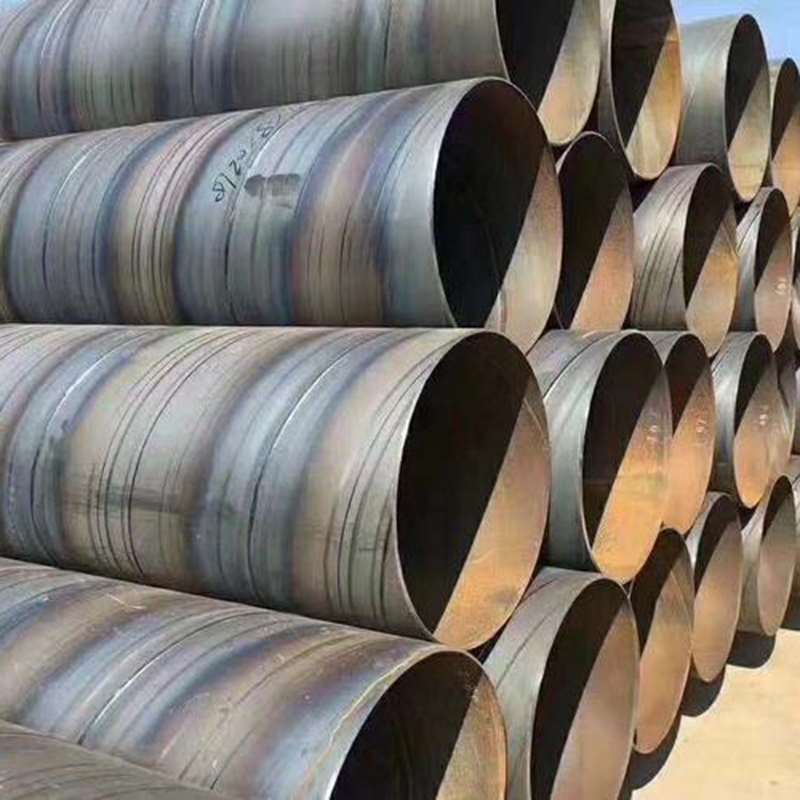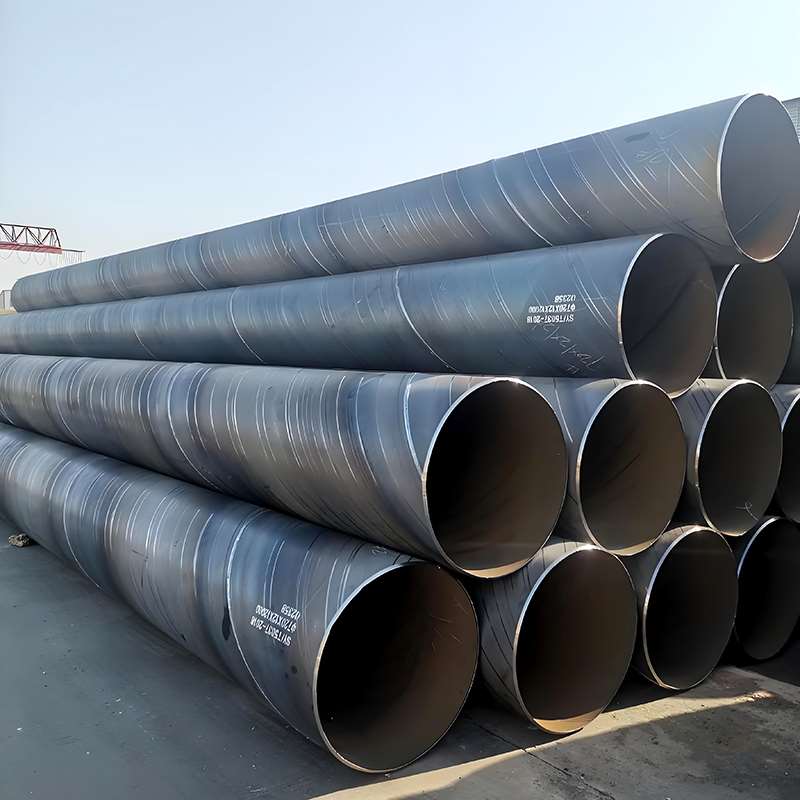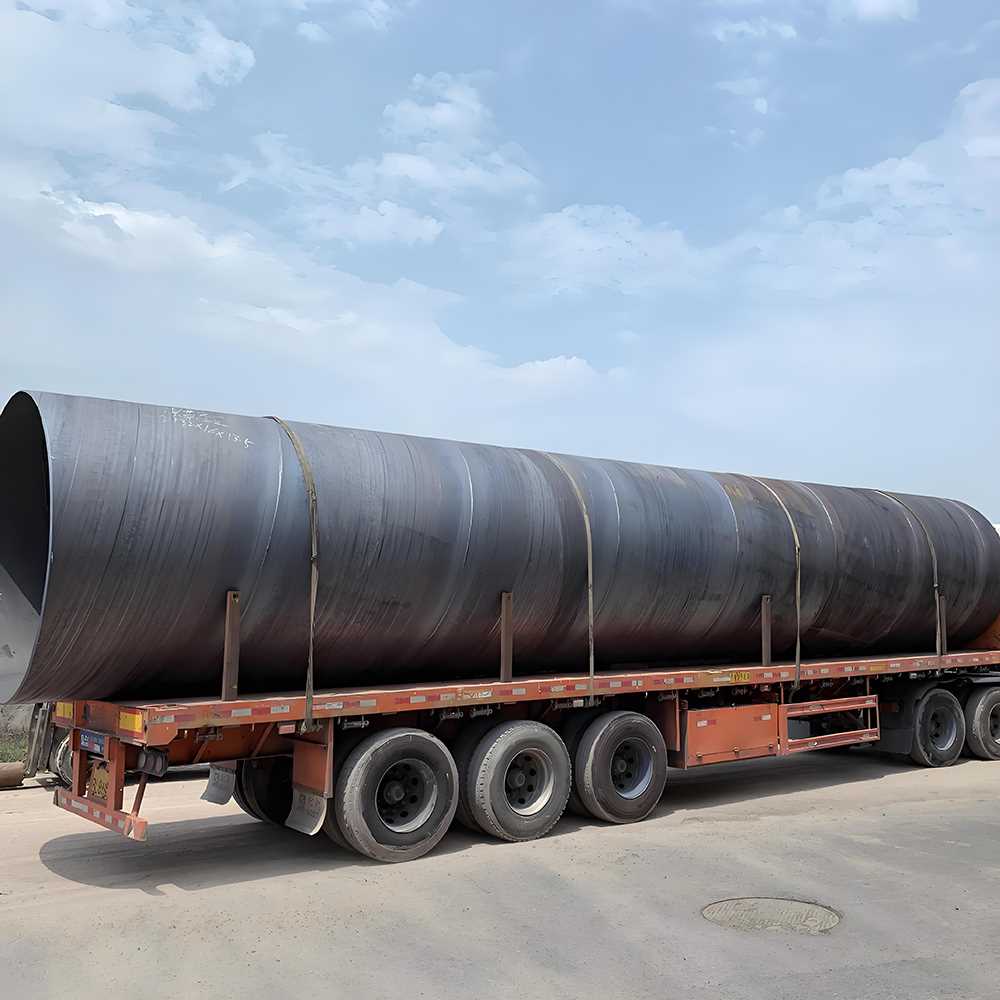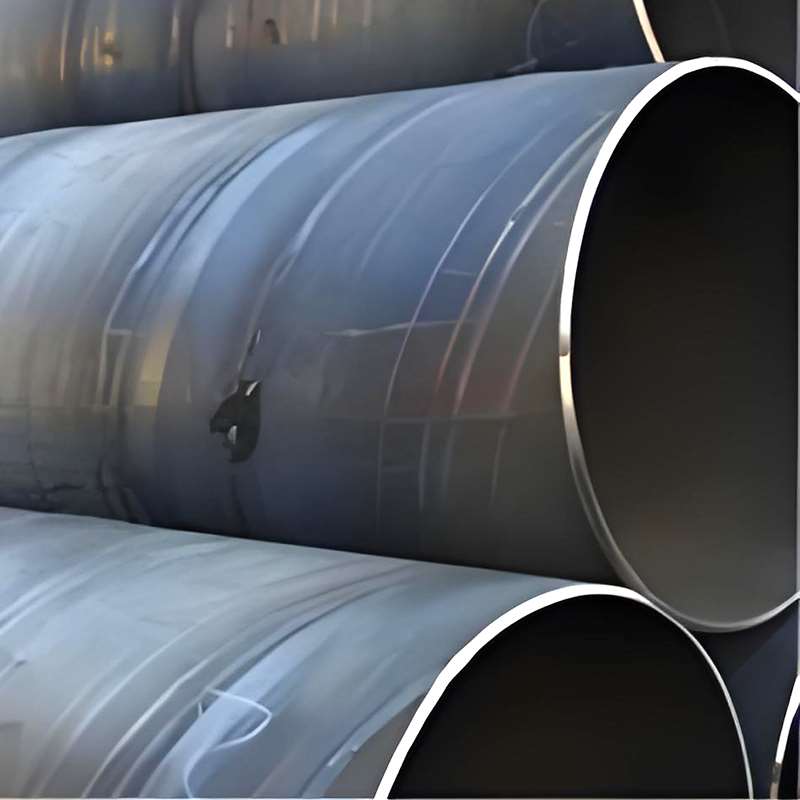
In oil and gas transmission, water supply systems, and infrastructure construction, the Large Diameter Spiral Welded Steel Pipe has become one of the most widely used pipeline types due to its cost advantage, dimensional flexibility, and stable supply capability.
However, in actual procurement, buyers often face several key questions:
How to select specifications?
What is the difference between API and ASTM standards?
Which steel grades are suitable for different working conditions?
This article provides a systematic overview of specifications, standards, and selection guidelines to help you make more reliable purchasing decisions.
I. Spiral Welded Steel Pipe Specification Parameters
| Item | Specification Range |
| Outer Diameter (OD) | 219 mm – 3500 mm |
| Wall Thickness (WT) | 5 mm – 30 mm (standard) / customized thicker available |
| Length | 6 m / 9 m / 12 m / fixed length |
| Manufacturing Process | SSAW (Spiral Submerged Arc Welded) |
| Steel Grade | Gr.A / Gr.B / X42 / X52 / X60 / X65 / X70 |
| Applicable Standards | API 5L / ASTM A53 / ASTM A252 |
| End Type | Plain End / Beveled End / Threaded |
| Surface Treatment | Black / Varnish / 3LPE / FBE / Coal Tar Epoxy |
| Application Fields | Oil, gas, water transmission, piling, structural engineering |
II. Standard System Comparison (API 5L vs ASTM)
| Standard | Application Scope | Key Features | Common Grades |
| API 5L | Oil and gas transmission pipelines | Focuses on strength, toughness, and pipeline safety | Gr.B / X42 / X52 / X60 / X65 / X70 |
| ASTM A53 | Structural and low-pressure fluid systems | General-purpose, cost-effective | Gr.A / Gr.B |
| ASTM A252 | Piling applications | Emphasizes load-bearing capacity | Gr.1 / Gr.2 / Gr.3 |
Selection Guidance:
- Oil & Gas Projects → API 5L
- Municipal Water Systems → ASTM A53
- Piling Engineering → ASTM A252
III. Mechanical Properties of API 5L Spiral Steel Pipe
| Grade | Yield Strength (MPa) | Tensile Strength (MPa) | Elongation (%) |
| Gr.B | ≥ 245 | ≥ 415 | ≥ 20 |
| X42 | ≥ 290 | ≥ 415 | ≥ 20 |
| X52 | ≥ 360 | ≥ 460 | ≥ 18 |
| X60 | ≥ 415 | ≥ 520 | ≥ 17 |
| X65 | ≥ 450 | ≥ 535 | ≥ 16 |
| X70 | ≥ 485 | ≥ 570 | ≥ 15 |
These parameters directly determine:
- Pressure resistance capacity
- Service life
- Engineering safety level
IV. API 5L Chemical Composition Table
| Grade | C | Mn | P | S |
| Gr.B | ≤0.26 | ≤1.20 | ≤0.030 | ≤0.030 |
| X42 | ≤0.26 | ≤1.30 | ≤0.030 | ≤0.030 |
| X52 | ≤0.26 | ≤1.40 | ≤0.030 | ≤0.030 |
| X60 | ≤0.26 | ≤1.40 | ≤0.030 | ≤0.030 |
| X65 | ≤0.26 | ≤1.45 | ≤0.030 | ≤0.030 |
| X70 | ≤0.26 | ≤1.65 | ≤0.030 | ≤0.030 |
Key Point:
Lower carbon content improves weldability, but may reduce strength.
V. Inspection and Testing Requirements
| Inspection Item | Test Method | Standard Requirement |
| Hydrostatic Test | Hydrostatic Test | No leakage |
| Ultrasonic Testing | UT | No weld defects |
| Radiographic Testing | RT | Required for critical projects |
| Dimensional Inspection | Caliper / Gauge | Within tolerance limits |
| Chemical Analysis | Spectrometer | Meets standard requirements |
| Mechanical Testing | Tensile Test | Complies with API 5L |
Procurement Advice:
Always confirm whether UT and Hydrostatic Testing are included — this is a critical quality benchmark.
VI. How to Choose the Right Large Diameter Spiral Welded Steel Pipe
In real engineering projects, selection can follow the logic below:
✔ Step 1: Determine Application
- Oil & Gas → API 5L
- Water Systems → ASTM A53
- Piling → ASTM A252
✔ Step 2: Select Steel Grade
- General use → Gr.B
- Medium pressure → X52
- High pressure → X60 and above
✔ Step 3: Select Anti-Corrosion System
- Buried pipelines → 3LPE coating
- General environment → FBE coating
Key Conclusion
Selection is not about choosing the most expensive option, but about selecting the most suitable solution for the actual operating conditions.
A properly selected Large Diameter Spiral Welded Steel Pipe ensures not only cost efficiency but also long-term structural safety and stable pipeline performance.