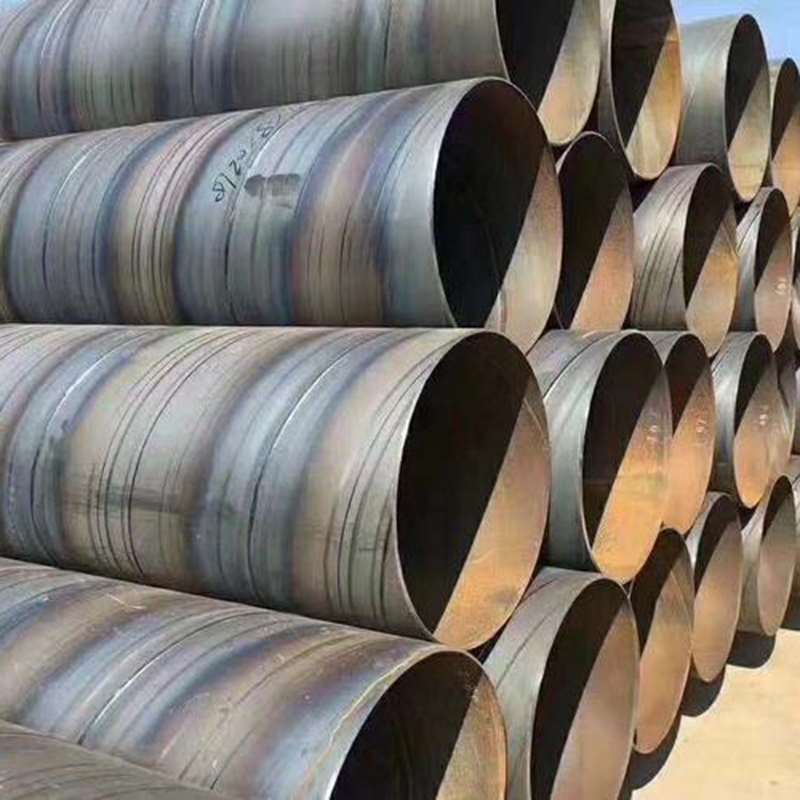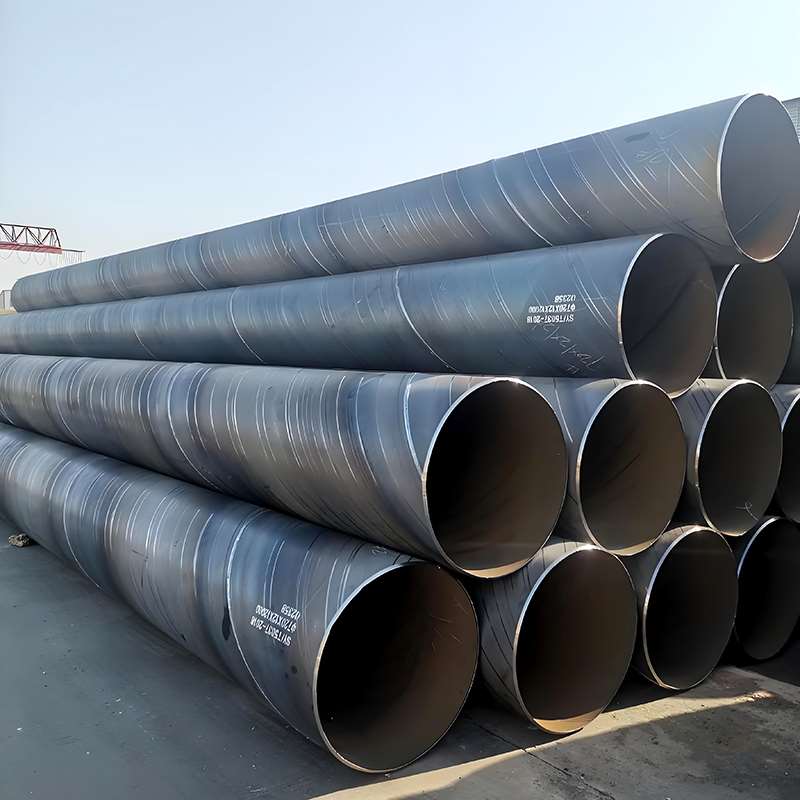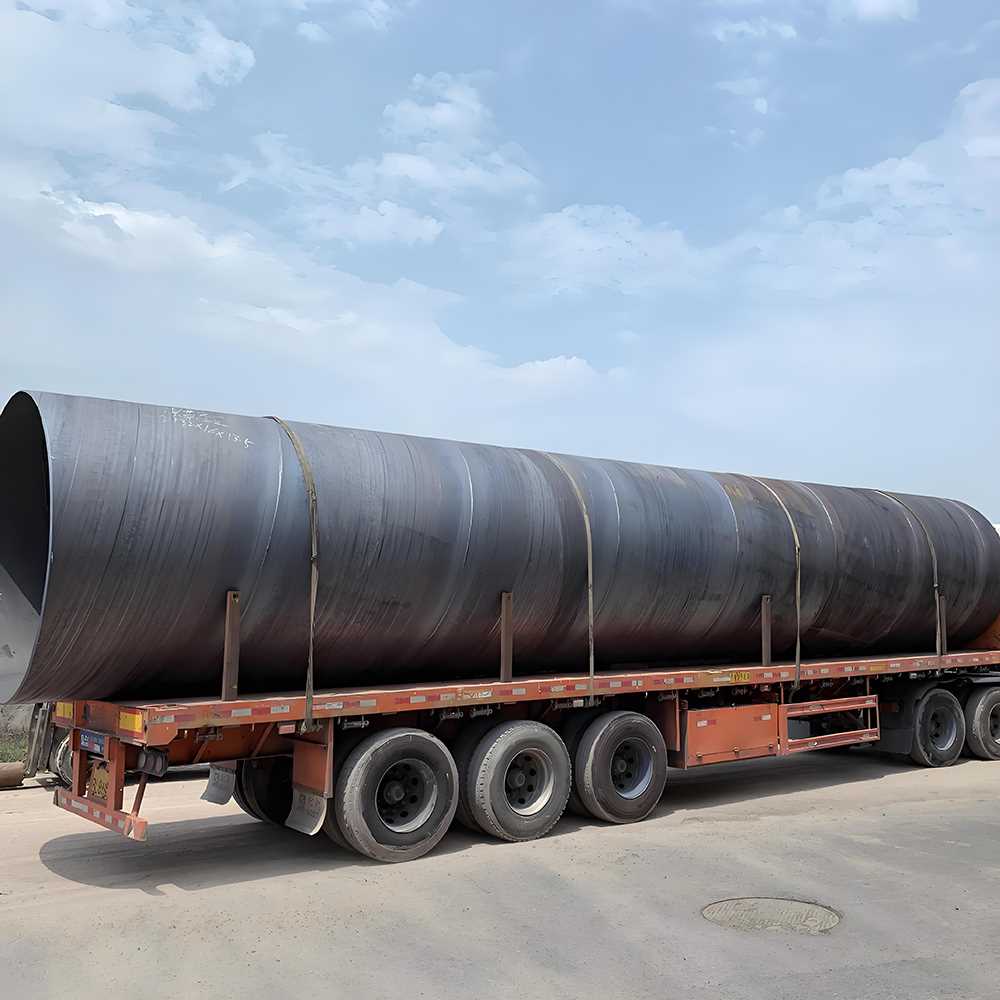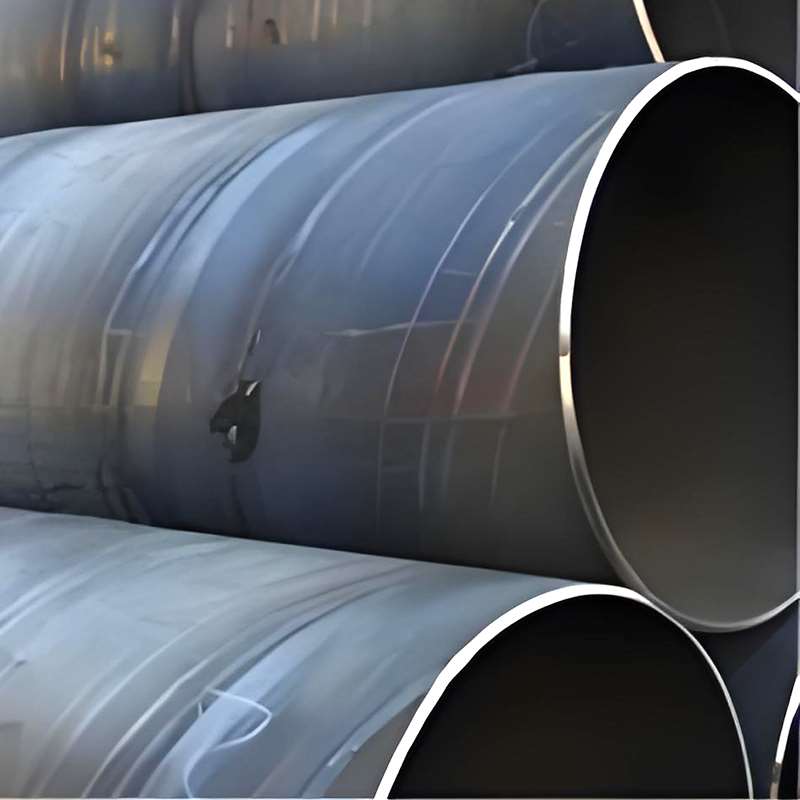
In the oil and gas industry, pipelines are regarded as the “lifeline of energy transportation.” As global energy development moves toward higher pressure systems, larger flow capacities, and increasingly complex geological environments, Spiral Welded Steel Pipe (SSAW) has been widely adopted in long-distance transmission projects due to its high production efficiency, cost advantages, and ability to support large diameters.
However, for oil and gas procurement teams, selecting spiral welded pipes is far more than a simple price comparison. It is a comprehensive evaluation involving safety, regulatory compliance, and supply chain stability. This article provides a structured, in-depth evaluation framework for procurement professionals in the oil and gas sector.
I. Compliance Review of Core Technical Standards
In the oil and gas industry, standards are equivalent to “laws.” The primary responsibility of procurement teams is to ensure full compliance with industry-approved specifications.
Strict Implementation of API 5L
As the globally recognized benchmark, it is essential to verify that steel pipes fully comply with API 5L (American Petroleum Institute) standards. The evaluation focus is not only on PSL1 (basic requirements), but more importantly on PSL2.
PSL2 imposes stricter mandatory requirements on chemical composition, toughness performance, and carbon equivalent (CE). These parameters are critical for high-pressure oil and gas transmission pipelines.
Chemical Composition and Weldability
Procurement teams must carefully review the carbon equivalent of the material. A lower carbon equivalent indicates better field weldability, which significantly reduces the risk of cold cracking during on-site construction.
Fracture Toughness (CVN) and Drop Weight Tear Test (DWTT)
For pipelines operating in low-temperature regions or high-pressure gas transmission systems, low-temperature crack arrest capability is a life-critical parameter.
Buyers should request historical DWTT energy transition curves from suppliers to verify material performance consistency in real engineering projects.
II. Deep Analysis of Manufacturing Process and Quality Control
The structural nature of spiral welded pipes results in weld seams that are typically 30%–100% longer than those of longitudinal welded pipes. Therefore, weld quality becomes the most critical evaluation factor.
Weld Geometry Control
Procurement teams must closely monitor the forming angle during production. Unstable forming angles can lead to weld misalignment, which directly affects structural integrity.
Residual Stress Management
Unlike LSAW pipes, which typically undergo full-body mechanical expansion, SSAW pipes are generally not fully expanded. This means residual stress remains in the pipe body.
High-quality manufacturers mitigate this through stress-relief processes or precise forming pressure control. Procurement teams should verify these process controls through on-site audits.
Non-Destructive Testing (NDT) Coverage
In oil and gas projects, 100% online ultrasonic testing (UT) is the minimum requirement.
In addition, procurement teams should require supplementary digital radiographic (DR) inspection, especially at critical areas such as pipe ends, to ensure zero-defect delivery.
III. Anti-Corrosion and Coating Evaluation for Oil & Gas Environments
The service life of pipelines largely depends on their protective coating system.
3PE and FBE Coating Systems
The most commonly used systems are:
- Three-Layer Polyethylene (3PE)
- Fusion Bonded Epoxy (FBE)
Procurement teams should evaluate the supplier’s coating facility automation level, particularly:
- Surface preparation standard (must reach Sa2.5 blasting grade)
- Anchor profile depth control
Cathodic Disbondment Testing
This is a critical indicator for evaluating coating adhesion performance.
Procurement teams should review 28-day cathodic disbondment test data conducted under simulated operating temperatures to ensure the coating will remain stable over a 30-year service life.
IV. Supplier Qualification and Supply Chain Stability
In complex international trade and energy geopolitical environments, a supplier’s “soft capability” often determines project success.
Project Track Record
Oil and gas companies are typically conservative in procurement decisions. Suppliers with proven experience in similar pressure classes and corrosive media (such as high-sulfur natural gas) should be prioritized.
Logistics and Delivery Capability
Spiral welded pipes are usually large-diameter products with high transportation costs and handling risks.
Evaluation should include:
- Port accessibility
- In-house logistics systems
- Pipe-end protection solutions
ESG and Carbon Footprint
With the global energy transition, major operators such as Shell and BP are increasingly integrating low-carbon manufacturing into procurement evaluation criteria.
Assessing carbon emissions in steelmaking and pipe forming processes is expected to become a standard requirement in the next 3–5 years.
V. Commercial Risk Assessment: Price Volatility and Hedging Strategies
Oil and gas pipeline projects typically have long execution cycles, and steel price fluctuations can significantly impact project profitability.
Raw Material Price Lock Mechanism
Leading procurement teams require suppliers to demonstrate strategic agreements with upstream hot-rolled coil (HRC) mills.
The ability to secure raw material supply directly determines on-time and on-quality delivery.
Exchange Rate and Trade Risk Management
For cross-border procurement, teams must carefully evaluate:
- Anti-dumping (AD) and countervailing duty (CVD) risks
- Currency fluctuation clauses
It is recommended to include dynamic price adjustment formulas in contracts to mitigate extreme market volatility.
Conclusion
For oil and gas procurement teams, evaluating Spiral Welded Steel Pipe is not a simple purchasing decision—it is a multidimensional engineering and risk management process.
A reliable evaluation framework must balance:
- Technical compliance (API 5L / DWTT / UT)
- Manufacturing quality (weld integrity / residual stress control)
- Long-term durability (coating system / corrosion resistance)
- Commercial stability (supply chain / price risk / ESG factors)
Only through systematic evaluation can procurement teams ensure pipeline safety, cost efficiency,