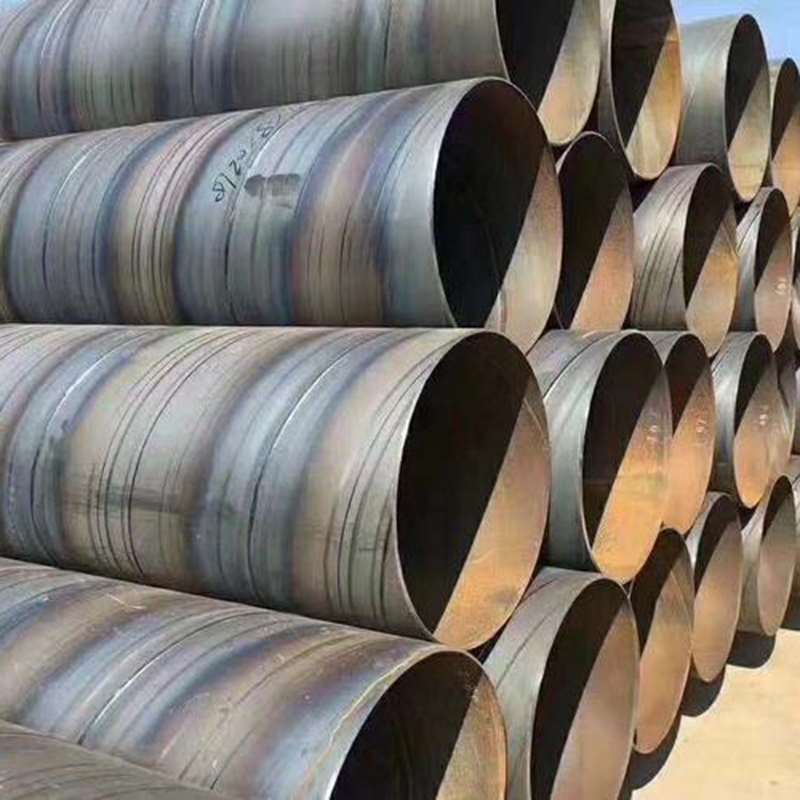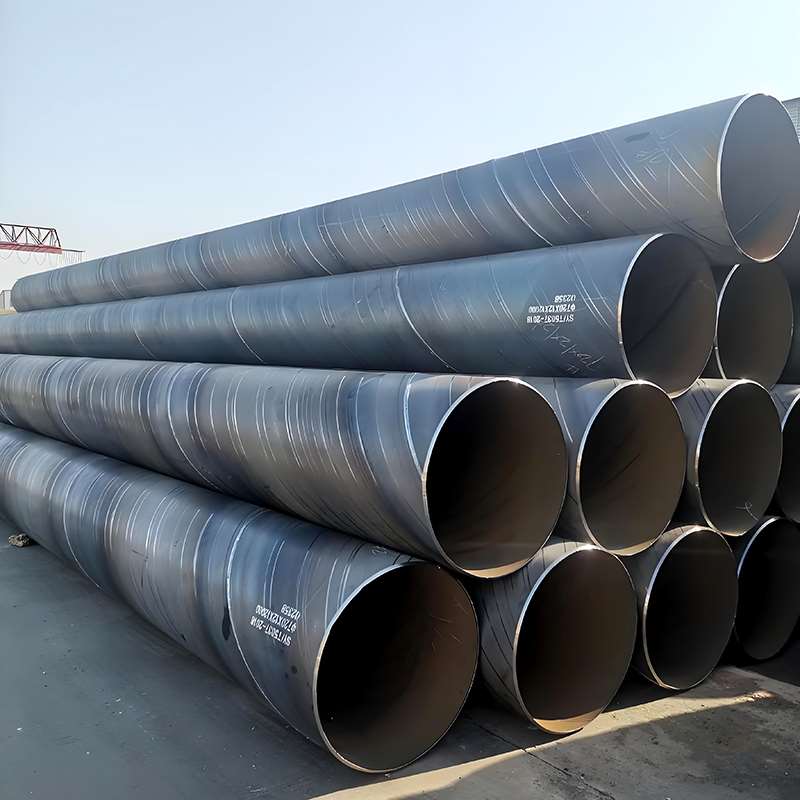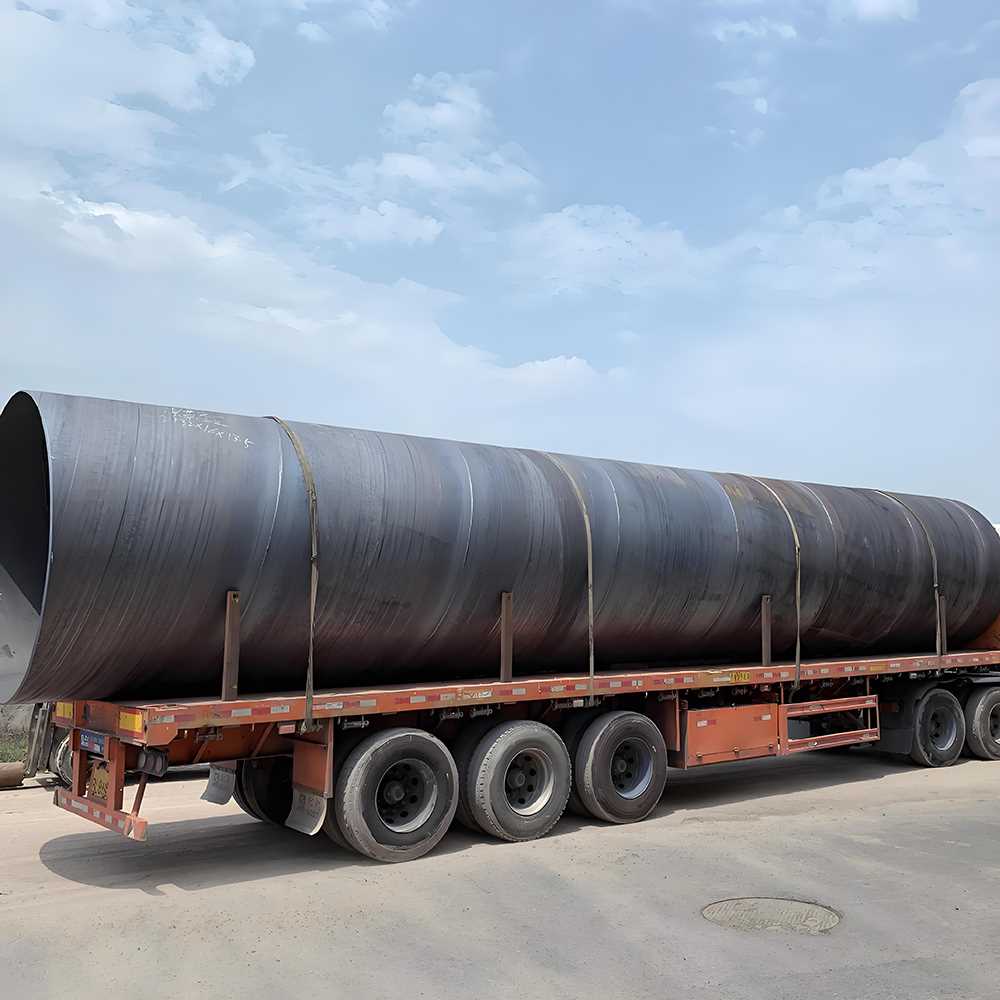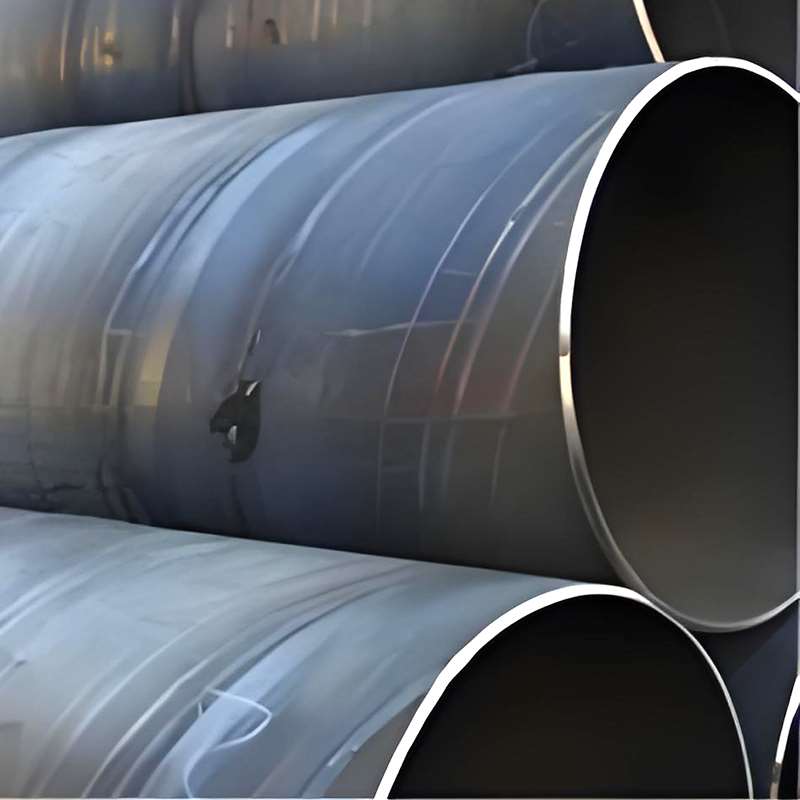
In infrastructure construction, oil & gas transmission, and municipal water pipeline projects, purchasing Spiral Steel Pipe (SSAW Pipe) is not only a major financial investment but also a critical safety decision. The quality of the steel pipe directly affects pipeline pressure resistance, corrosion protection performance, and long-term maintenance costs.
However, supplier quality in the global market varies significantly. To protect both your investment and project quality, buyers must conduct thorough due diligence before signing contracts or paying deposits to any Spiral Steel Pipe Manufacturer.
Below are the 7 key factors every buyer should carefully evaluate.
I. Certifications and Standards Compliance
Certifications are the “identity card” of a professional manufacturer. Different industries require different mandatory standards, so buyers should verify whether the supplier holds the following qualifications:
API 5L Certification
If your project involves oil or natural gas transmission, this certification is essential. It demonstrates that the manufacturer has the capability to produce pipeline steel pipes that meet international oil & gas industry standards.
ISO Management Systems
Check whether the factory has obtained:
- ISO 9001 (Quality Management System)
- ISO 14001 (Environmental Management System)
- ISO 45001 (Occupational Health & Safety Management)
Special Equipment Manufacturing License
In many countries, including China, manufacturers producing high-pressure pipeline products must hold specific government-issued production licenses.
International Product Standards
Verify whether the products comply with internationally recognized standards such as:
- ASTM A252 (Structural Piling)
- EN 10219
- AWWA C200 (Water Transmission Pipelines)
Recommendation
Do not rely solely on scanned certificates. Always verify certificate validity and authorized scope directly through the issuing organization’s official website.
II. Raw Material Traceability and Steel Mill Partnerships
The foundation of Spiral Steel Pipe quality lies in the Hot Rolled Coil (HRC) used during production.
Reliable manufacturers usually maintain long-term supply agreements with leading steel mills such as Baowu Steel, Ansteel, or Masteel.
Mill Test Certificates (MTC)
Request MTC documents from previous projects and carefully review:
- Chemical composition (carbon, sulfur, phosphorus content)
- Mechanical properties (yield strength, tensile strength)
Consistency across batches is extremely important.
Raw Material Storage Conditions
If possible, inspect the steel coil storage area either onsite or via live video inspection. Steel coils stored outdoors for long periods with severe rusting can negatively affect final surface quality and welding strength.
III. Welding Technology and Equipment Capability
The weld seam is often considered the most critical area of a Spiral Steel Pipe. Advanced equipment helps minimize human error and improve weld consistency.
Double Submerged Arc Welding (DSAW)
Confirm that the manufacturer uses mature double-sided automatic submerged arc welding technology.
Automatic Weld Tracking System
Check whether the forming line is equipped with infrared or laser weld seam tracking systems. These systems ensure precise weld alignment throughout production and help prevent weld deviation.
Misalignment Control
Ask how the manufacturer controls weld seam misalignment. High-quality production lines can typically control misalignment within 10%10\%10% of the wall thickness.
IV. Execution of Non-Destructive Testing (NDT)
Quality cannot rely on assumptions, but risks can be identified through rigorous inspection.
A responsible Spiral Steel Pipe Manufacturer should have a complete in-house inspection system, including:
Online Ultrasonic Testing (UT)
This is the first line of defense during production and is used to detect weld defects such as pores and cracks in real time.
Offline Radiographic Testing (RT)
For pipe ends, repaired weld areas, or randomly selected samples, X-ray inspection should be conducted to verify internal fusion quality.
Hydrostatic Testing
Every steel pipe must undergo hydrostatic pressure testing. Check whether the hydrostatic testing machine automatically generates and stores pressure curves for future traceability.
Avoid suppliers who only provide hydrostatic test results based on random sampling rather than full-pipe testing.
V. Coating and Internal/External Lining Capability
Most pipeline failures are caused not by insufficient strength, but by corrosion.
Therefore, buyers should verify whether the manufacturer has integrated anti-corrosion coating capabilities.
Surface Preparation
Was abrasive blasting performed before coating application? Does the surface cleanliness meet the Sa 2.5Sa\ 2.5Sa 2.5 standard?
Coating Systems
Check whether the supplier has experience with:
- 3PE Coating
- FBE (Fusion Bonded Epoxy)
- Coal Tar Epoxy
- Cement Mortar Lining
Environmental Control
Does the coating workshop include temperature and dust control systems?
The adhesion strength and coating thickness uniformity directly determine whether the pipeline can last underground for 10 years or 50 years.
VI. Packaging, Loading, and Logistics Solutions
Due to their large diameter and heavy weight, Spiral Steel Pipes are highly vulnerable to damage during handling and transportation, especially pipe end deformation and coating scratches.
Pipe End Protection
Does the manufacturer provide pipe end protectors such as plastic caps or steel protective rings?
Lifting Equipment
Do they use steel wire ropes directly (which may damage the pipe ends), or padded nylon lifting belts?
Export Loading Experience
For international shipments, verify whether the manufacturer has extensive experience loading containers or break bulk vessels.
Professional loading plans and proper reinforcement can save buyers tens of thousands of dollars in transportation-related losses.
VII. Project Experience and After-Sales Support
Finally, evaluate the manufacturer’s track record and service commitment.
Similar Project Experience
Have they supplied products to major oil companies, municipal water authorities, or large bridge construction projects?
Request copies of supply agreements, project references, or final acceptance reports whenever possible.
After-Sales Response Capability
Clarify how quickly the supplier responds to quality complaints.
For example, if out-of-roundness or weld defects are discovered during onsite installation, will the manufacturer dispatch technical personnel to assist?
Financial Stability
For large-volume orders, ensure the manufacturer has stable financial operations and sufficient cash flow.
A financially unstable supplier may fail to purchase raw materials on time, resulting in severe project delays.