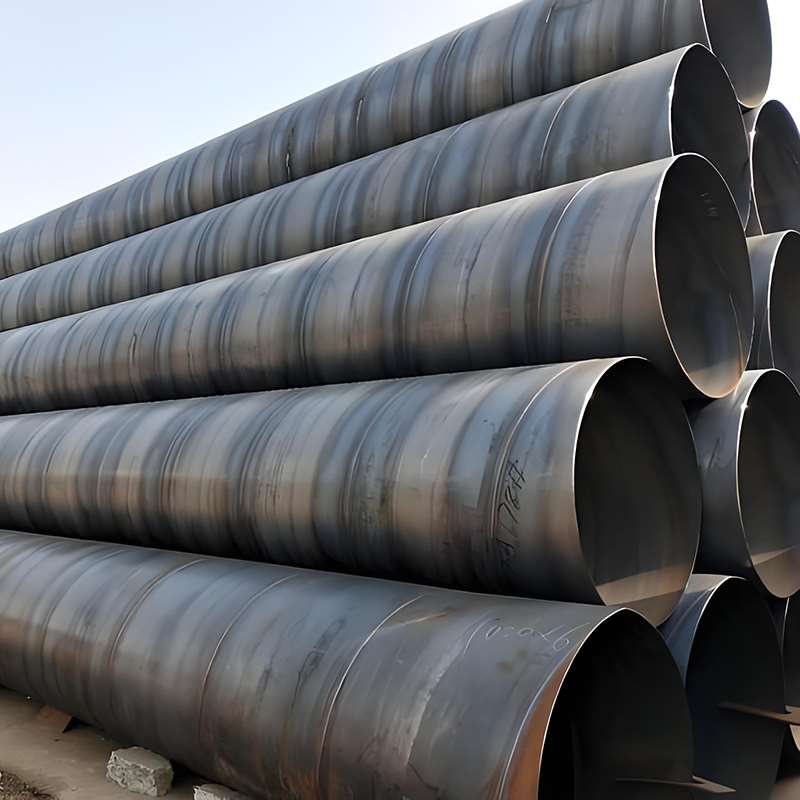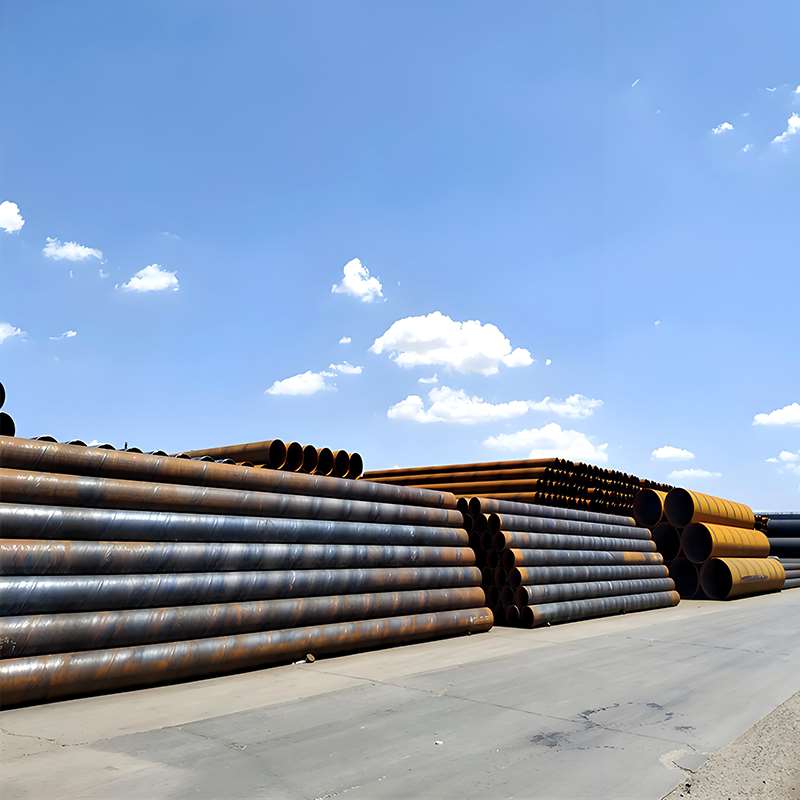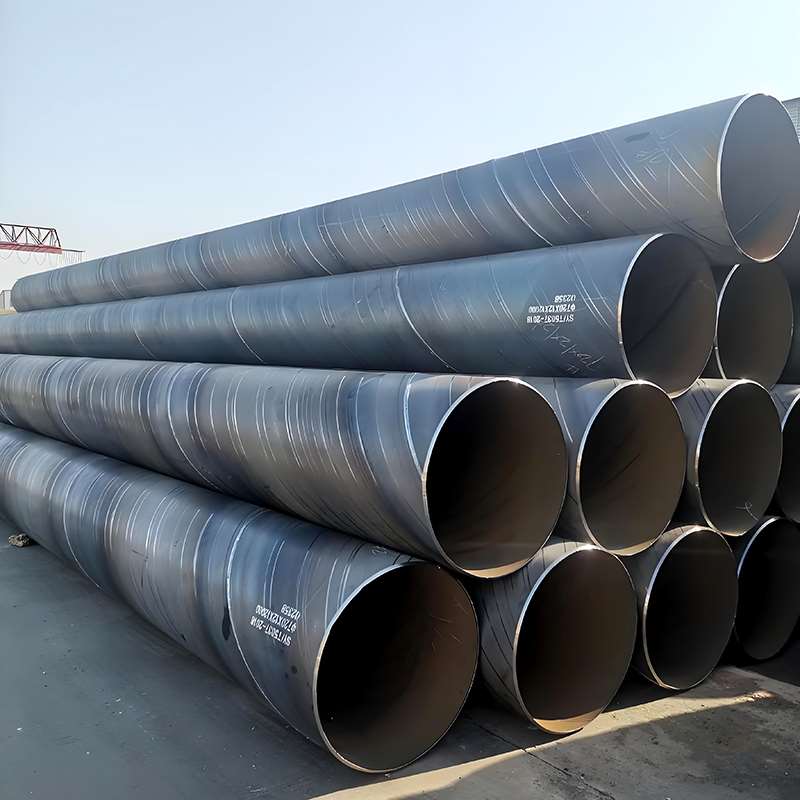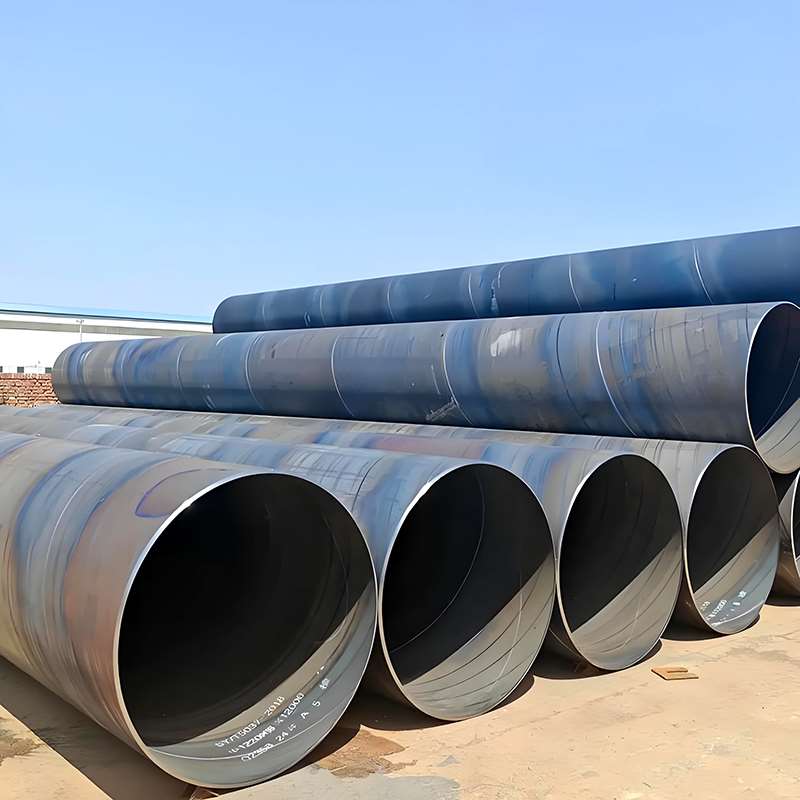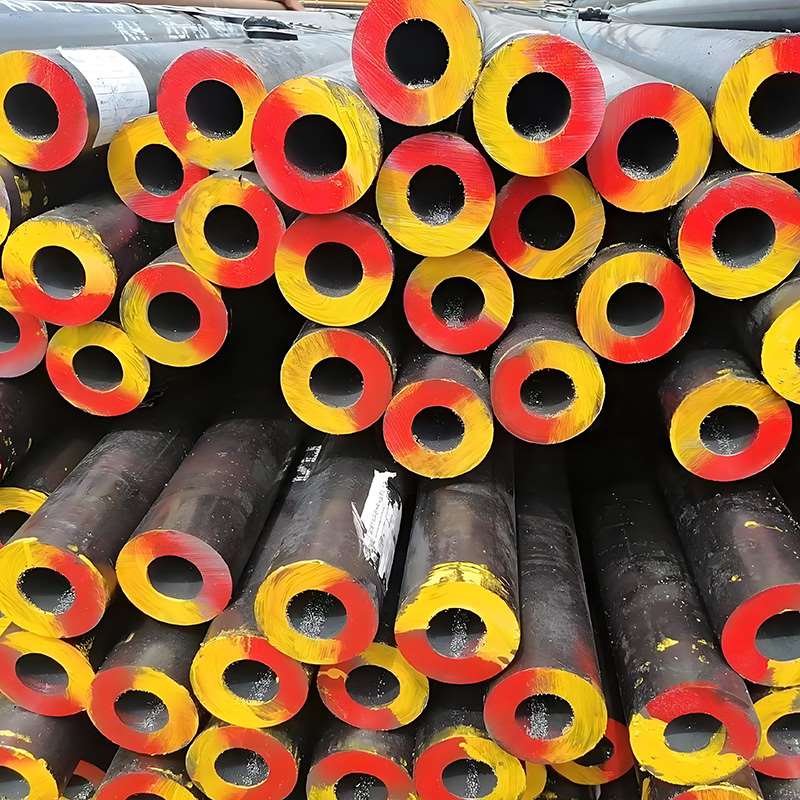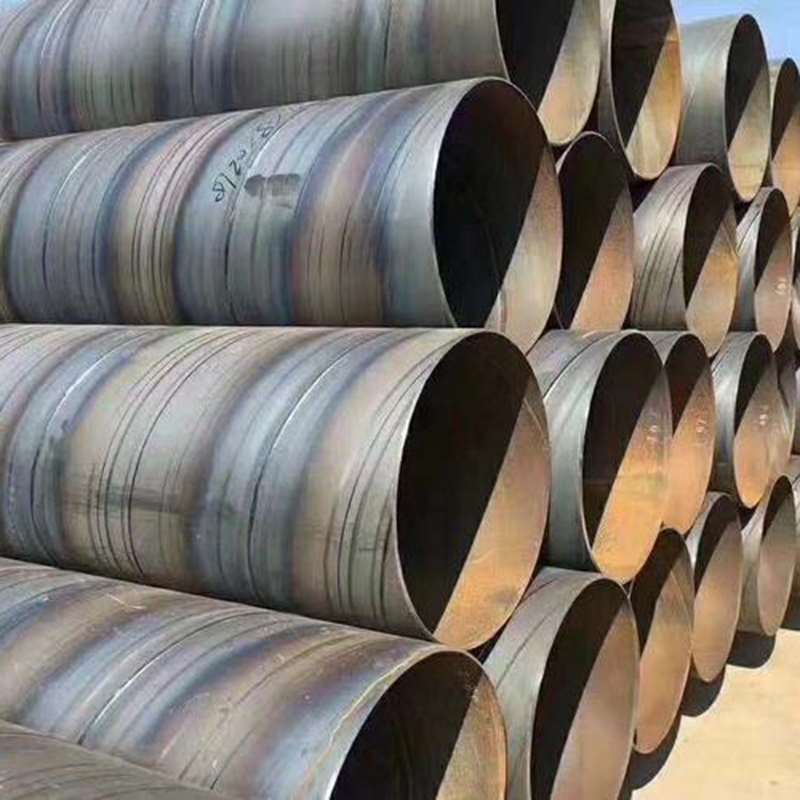
In modern industrial pipeline engineering, high-temperature and high-pressure transport systems place stringent demands on material performance. Seamless P11 steel pipes, due to their excellent high-temperature resistance and mechanical strength, have become a commonly used key pipe material in oil and gas transportation, steam boilers, and power systems.
This article will provide a detailed analysis from the perspectives of material properties, application areas, and selection considerations, offering a reference for engineering design and procurement.
I. Material Properties of P11 Steel Pipe
P11 steel pipe belongs to the low-alloy high-temperature steel pipe category. Its main chemical components include chromium (Cr), molybdenum (Mo), and trace amounts of carbon (C) and manganese (Mn). Its core advantages include:
- Excellent High-Temperature Strength
P11 steel pipe can be used for extended periods at approximately 540°C, ensuring stable performance in steam and hot oil systems. - Good Thermal Fatigue Resistance
For steam systems with repeated start-ups and shutdowns, P11 steel pipe can withstand the stress caused by thermal expansion and contraction, reducing the risk of cracking. - Excellent Weldability
P11 steel pipe is suitable for various welding processes (such as argon arc welding and gas shielded welding), facilitating on-site construction and pipeline assembly. - High Corrosion Resistance
For environments containing small amounts of sulfides or corrosive gases, P11 steel pipe can further enhance its corrosion resistance through internal and external anti-corrosion coatings or heat treatment.
II. Main Application Areas
P11 steel pipes are widely used in industrial systems that require high temperature and high pressure resistance, mainly including:
| Application Field | Typical Use | Advantages |
|---|---|---|
| Oil & Gas | Oil pipelines, natural gas transmission pipes | Stable under high temperature and pressure, suitable for long-distance transport |
| Steam Systems | Boiler pipes, steam distribution pipes | Resistant to thermal fatigue, adapts to repeated steam start-stop cycles |
| Power Industry | High-pressure superheated steam pipes in thermal power plants | Excellent high-temperature strength, ensures safe power generation |
| Chemical Industry | High-temperature process pipelines | Provides certain corrosion resistance against chemical media |
III. Selection and Design Considerations
When designing and procuring P11 steel pipes, the following aspects should be given special attention:
- Specifications and Dimensions: Select appropriate wall thickness and nominal diameter based on the system design pressure, flow rate, and pipe diameter to avoid cost waste or safety hazards caused by pipes that are too thin or too thick.
- Heat Treatment Process: P11 steel pipes typically require normalizing or tempering treatment to improve toughness and high-temperature strength, ensuring long-term safe operation.
- Welding and Installation: Use matching welding materials and processes whenever possible. Welds should undergo non-destructive testing to ensure the overall reliability of the pipeline.
- Corrosion Protection and Coating: For transporting media with a risk of corrosion, internal lining, spraying, or epoxy anti-corrosion coating can be selected to extend the service life of the pipeline.
Seamless P11 steel pipes, due to their high temperature and pressure resistance, fatigue resistance, and excellent weldability, have become an indispensable material in oil and gas, steam, and power systems.
Correct selection, proper installation, and scientific maintenance are crucial to ensuring the long-term stable operation of pipeline systems. For engineering designers and purchasers, understanding the performance characteristics and application scenarios of P11 steel pipes can optimize costs and efficiency while ensuring safety.