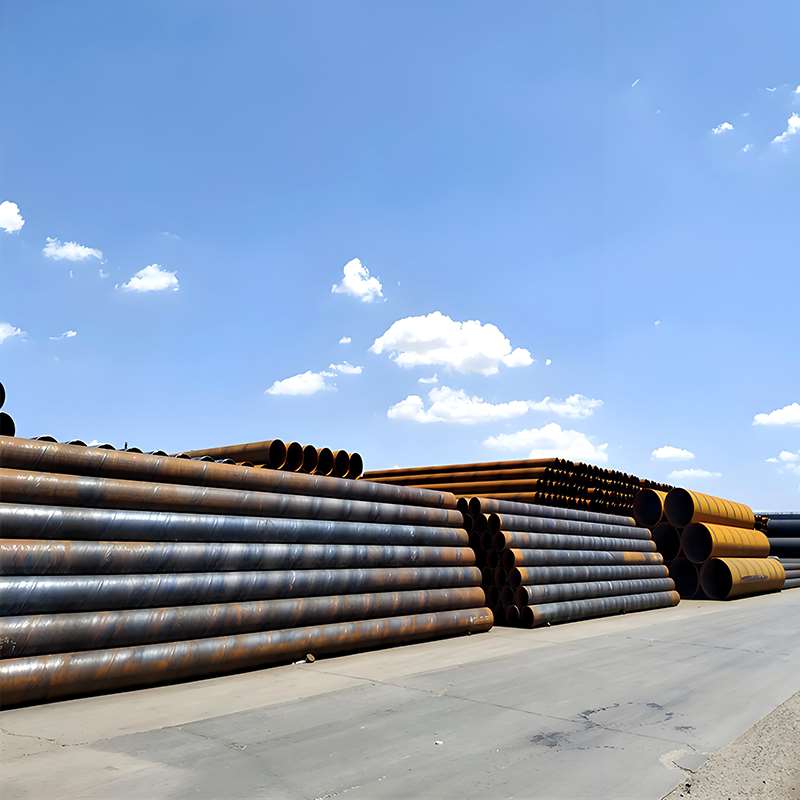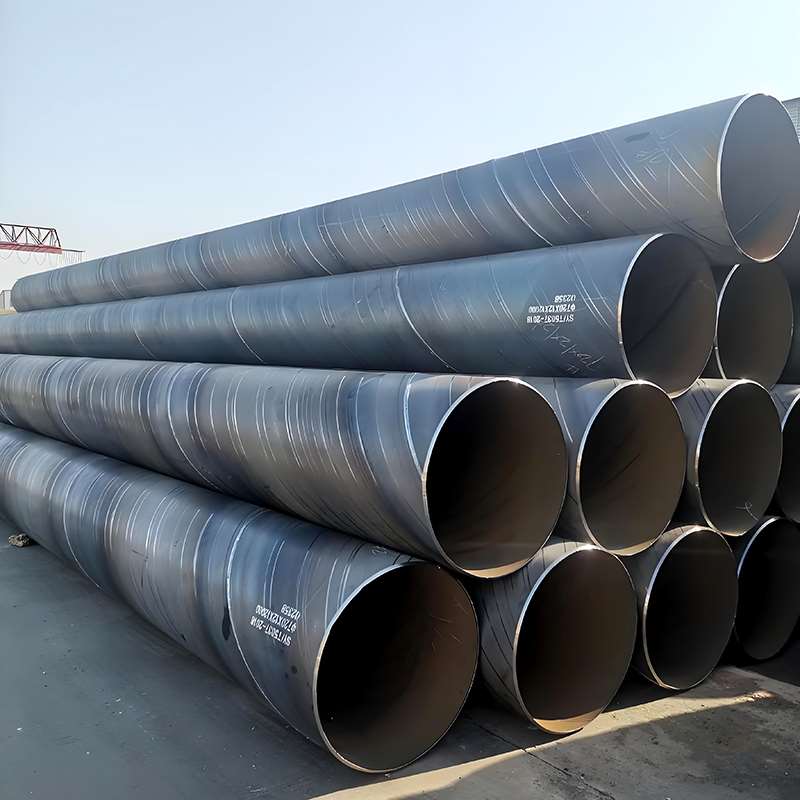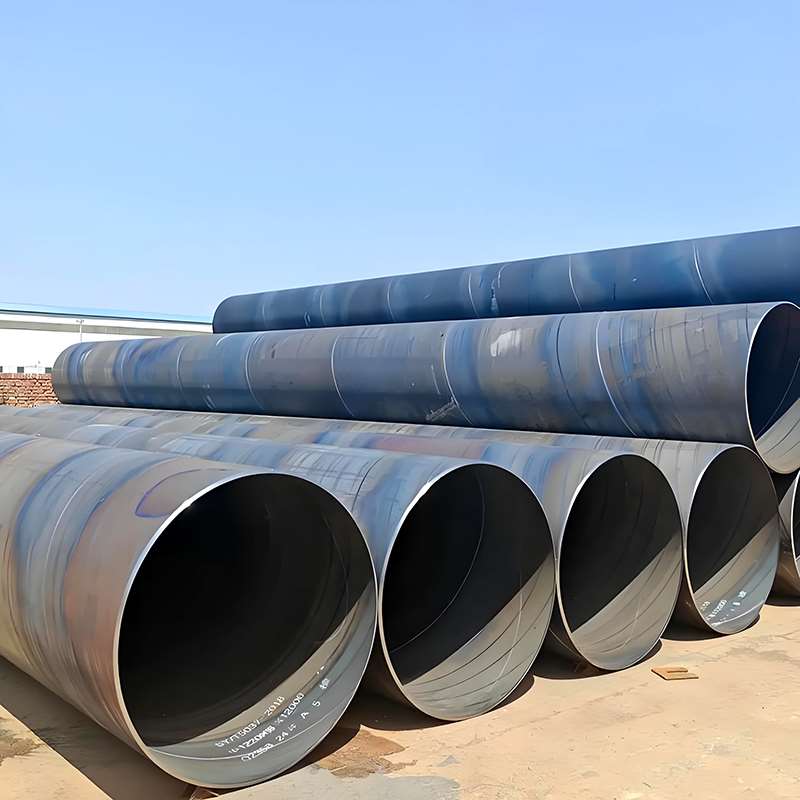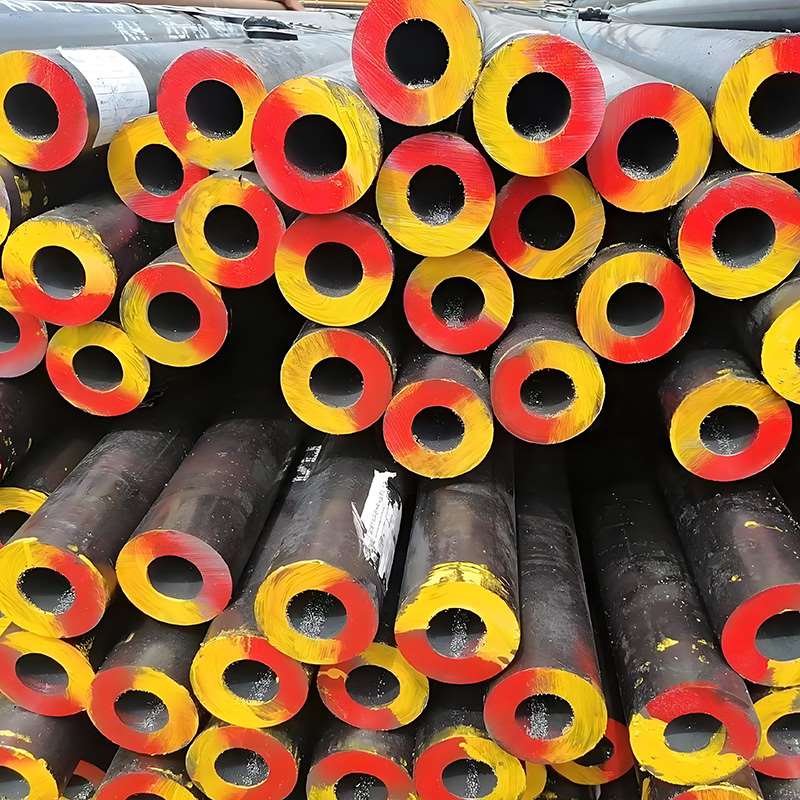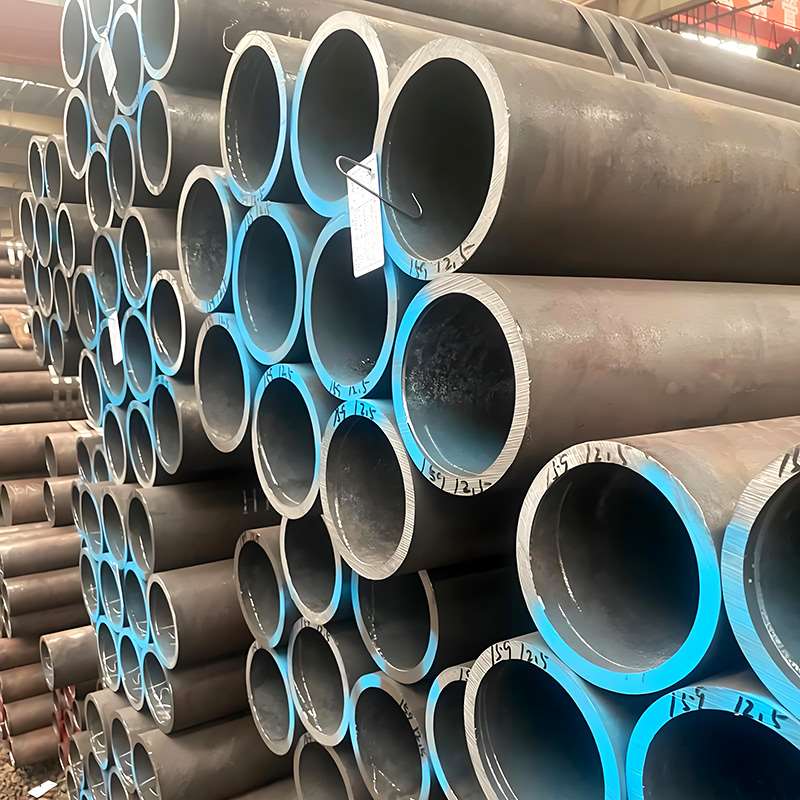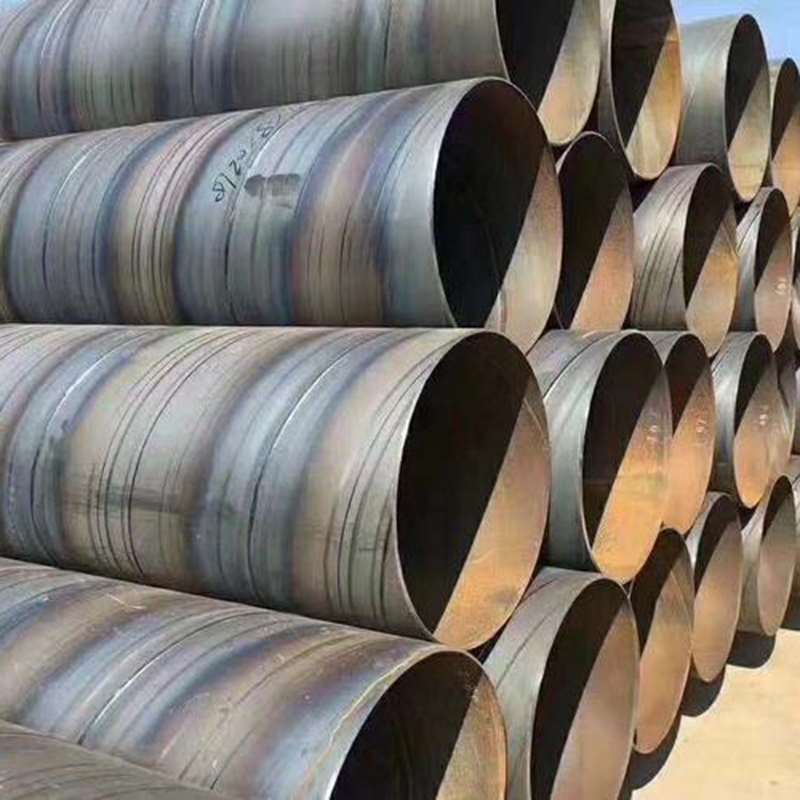
In steel structures, bridges, pipelines, and large-scale engineering projects, ASTM A572 spiral steel pipes are widely utilized due to their high strength and excellent weldability. However, regarding different grades of these pipes—particularly Gr. 50 and Gr. 60—there are key distinctions in selection and application that must be thoroughly understood to ensure project safety, cost-effectiveness, and ease of construction.
I. Differences in Chemical Composition
The ASTM A572 standard specifies the chemical composition of the steel, which primarily influences the material’s strength, toughness, and weldability.
- Gr.50: Features a slightly lower carbon content; the levels of elements such as manganese and silicon meet the requirements for medium-strength steel, making it suitable for general structural applications.
- Gr.60: Compared to Gr.50, this grade has a slightly higher carbon content and offers superior strength. Typically, the levels of elements such as manganese and silicon are also slightly adjusted to enhance both yield strength and tensile strength, while simultaneously maintaining good weldability.
Note: Differences in chemical composition directly determine the mechanical properties of the steel pipes, as well as the specific requirements for welding processes.
II. Differences in Mechanical Properties
| Performance Property | ASTM A572 Gr.50 | ASTM A572 Gr.60 |
|---|---|---|
| Yield Strength | ≥ 345 MPa | ≥ 414 MPa |
| Tensile Strength | 450–620 MPa | 485–655 MPa |
| Elongation | ≥ 20% | ≥ 18% |
III. Weldability and Machinability
Due to the higher strength of Gr.60, the precautions required during welding and processing are slightly increased:
- Welding: Gr.60 imposes slightly stricter requirements regarding welding heat input and preheating to prevent brittle cracking of the weld seams.
- Bending and Forming: During the forming of spiral-welded pipes, the cold bending radius for Gr.60 must be carefully controlled to avoid localized cracking.
- Cutting: Conventional cutting methods may be used; however, attention should be paid to the heat-affected zone (HAZ) along the cut edges.
IV. Comparison of Applicable Scenarios
| Application Scenario | Gr.50 | Gr.60 (Higher Strength) |
|---|---|---|
| Bridge Structures | √ | √ (for higher load requirements) |
| Industrial Pipelines | √ | √ (more suitable for high-pressure pipelines) |
| Building Structures | √ | √ (for high-rise buildings or special loads) |
| Large Machinery Supports | √ | √ (to withstand high-strength loads) |
Note: When selecting a steel grade, consideration should be given to structural load-bearing capacity, construction environment, and economic factors. Generally, Grade 50 is sufficient for most standard engineering projects, while Grade 60 is suitable for projects requiring high strength or meeting specialized engineering requirements.
V. Comparison Table of Key Differences Between ASTM A572 Gr.50 and Gr.60 Spiral Steel Pipes
| Difference Category | ASTM A572 Gr.50 | ASTM A572 Gr.60 | Notes / Considerations |
|---|---|---|---|
| Yield Strength | ≥ 345 MPa | ≥ 414 MPa | Gr.60 has higher strength, can bear greater loads |
| Tensile Strength | 450–620 MPa | 485–655 MPa | High-strength steel allows for optimized cross-section |
| Elongation / Ductility | ≥ 20% | ≥ 18% | Gr.50 has slightly better ductility, suitable for complex forming |
| Chemical Composition | Moderate carbon, Mn and Si meet medium-strength requirements | Slightly higher carbon, trace elements optimized for higher strength | Directly affects weldability and mechanical performance |
| Weldability | Tolerant to welding heat input | Sensitive to heat-affected zone; preheating/post-heating required | High-strength welding requires stricter process control |
| Low-Temperature Toughness | Good, suitable for low-temperature applications | Slightly lower than Gr.50; extreme low temperatures need verification | Consider carefully in cold-region applications |
| Machinability (Bending / Forming) | Easy to process and bend | Slightly higher risk of work hardening; radius control needed | Large-diameter/thick-walled pipes require attention |
| Sensitivity to Surface Defects | High tolerance for minor defects | Sensitive to cracks and shrinkage porosity | Requires stricter inspection and production control |
| Suitable Applications | Bridges, buildings, industrial pipelines | High-load bridges, high-pressure pipelines, high-rise buildings | Select based on strength requirements and engineering loads |
| Cost | Relatively low, economical | Slightly higher, but allows structural optimization | Consider both material cost and structural design |
Recommended Product:ASTM A572 Gr.50 / Gr.60 Spiral Steel Pipe