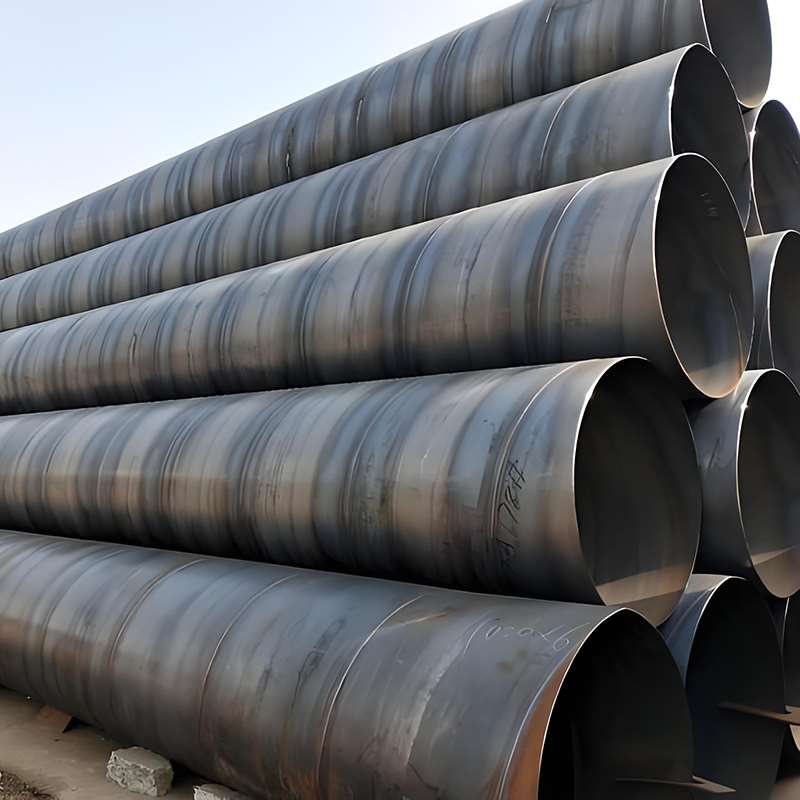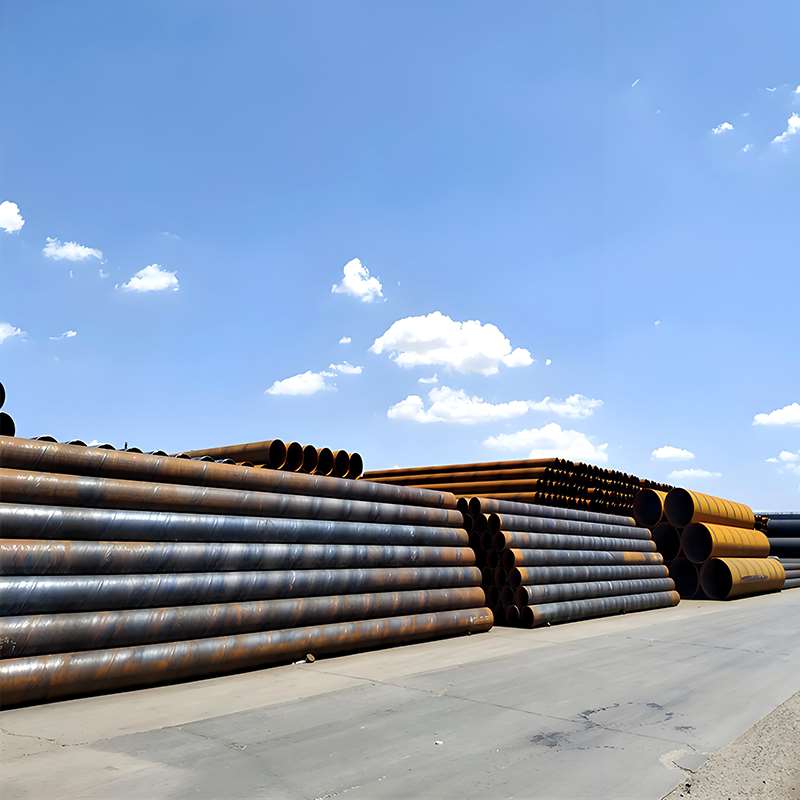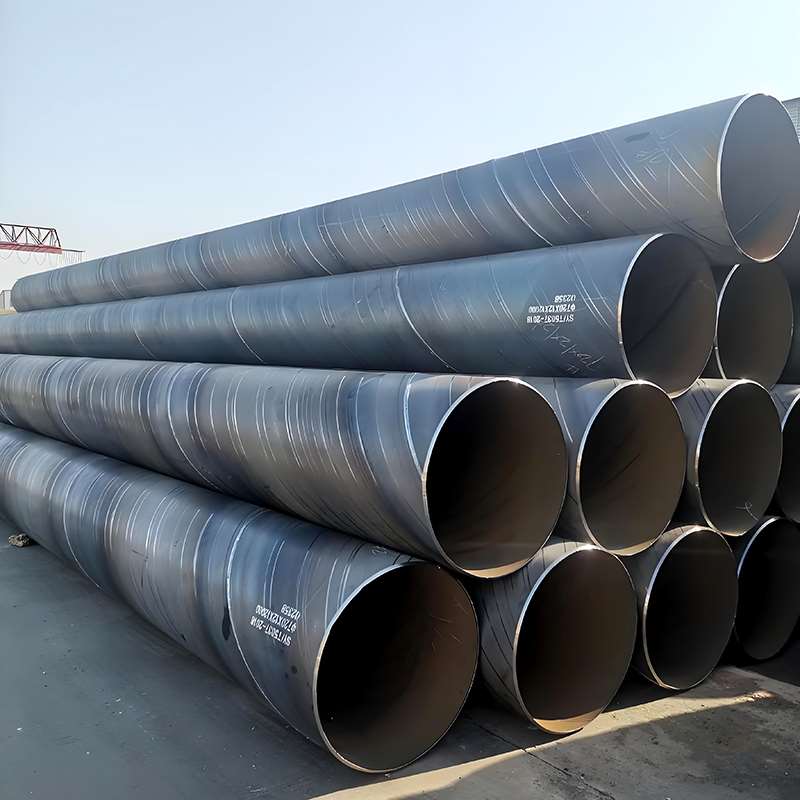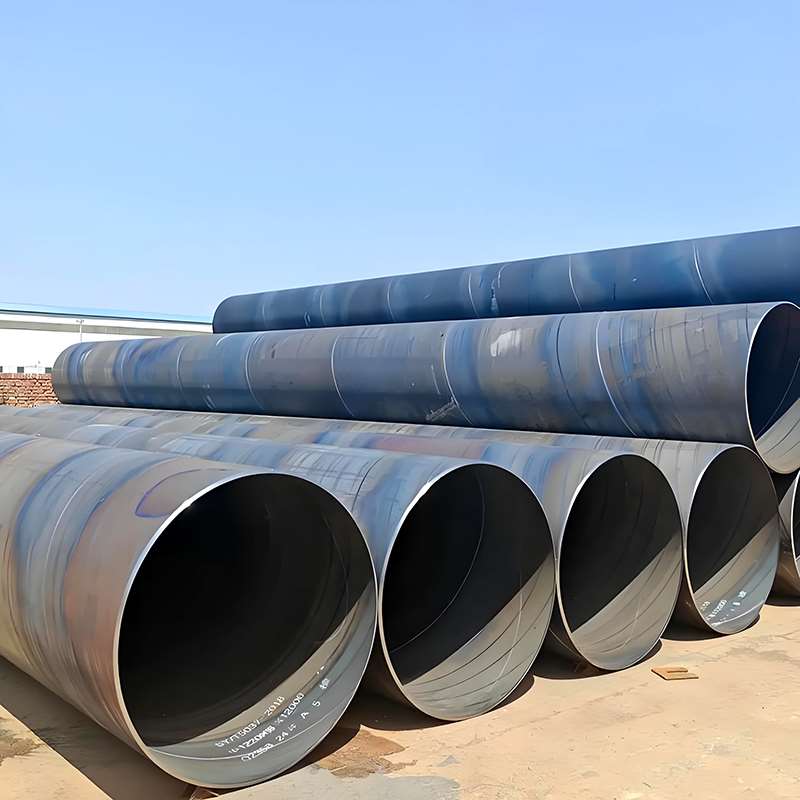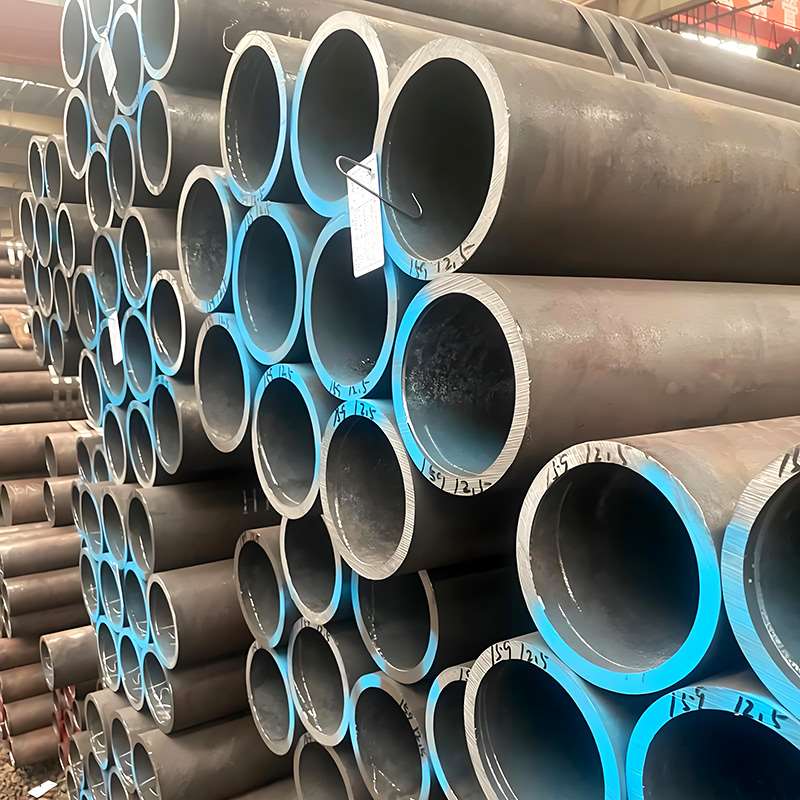
ASTM A335 P11 seamless steel pipe is widely used in high-temperature boilers and industrial piping systems. Characterized by its high temperature resistance, pressure resistance, and creep resistance, it is commonly used in critical process pipelines in power plants, petrochemical plants, and chemical plants.
This article, based on practical experience, introduces the core characteristics and application scenarios of P11 steel pipe, and provides practical optimization suggestions for selection, installation, and maintenance to help engineers and procurement personnel improve system safety and service life.
I. Core Characteristics
P11 is a low-alloy Cr-Mo steel, suitable for long-term resistance to high-temperature and high-pressure steam. Its main chemical composition and mechanical properties are as follows:
| Parameter | Typical Value | Description |
|---|---|---|
| Carbon (C) | 0.07–0.14% | Controls brittleness |
| Manganese (Mn) | 0.30–0.60% | Improves strength and toughness |
| Chromium (Cr) | 1.25% | Enhances heat resistance and creep resistance |
| Molybdenum (Mo) | 0.50% | Resists high-temperature creep |
| Tensile Strength | ≥415 MPa | Meets high-temperature and high-pressure requirements |
| Yield Strength | ≥205 MPa | Ensures pipeline stability |
| Elongation | ≥20% | Good crack resistance |
| Heat Treatment | Normalizing + Tempering | Optimizes microstructure and toughness |
The standard is ASTM A335/A335M (Seamless low-alloy steel pipe for high-temperature service), usually conforming to ASME SA335, and is suitable for high-temperature steam pipes at 450–540°C.
II. Application Areas of ASTM A335 P11 Seamless Steel Pipes
i. High-Temperature Boiler Systems
- Superheater and Reheater Piping: Withstands high-temperature steam, maintains pipe shape stability, and prevents creep.
- Main Steam Piping: Transports high-temperature, high-pressure steam, ensuring safe and stable boiler operation.
- Auxiliary Steam Branches: Piping for medium-temperature, medium-pressure branches.
ii. Petrochemical and Chemical Industries
- High-Temperature Cracking Furnace Piping: Resistant to high-temperature chemical media, with good stability.
- Hydrogenation Reactor Piping: Withstands corrosion under high temperature, high pressure, and hydrogen environments.
- Steam and Hot Oil Circulation Piping: Transports high-temperature media, reducing pipeline maintenance frequency.
iii. Power Plants and Energy Industries
- Gas-fired and Thermal Power Plant Steam Piping: Main steam, reheat steam, and hot water branches.
- Industrial Heat Recovery Systems: High-temperature heat pipelines, ensuring stable energy transmission.
iv. Other High-Temperature Industrial Piping
- Chemical Reactor and Heat Exchanger Inlet and Outlet Piping: High-temperature resistant, corrosion-resistant, and creep-resistant.
- Long-distance high-temperature steam or hot oil pipelines: improve safety factor and service life.
III. Selection Recommendations
| Service Condition | Recommended Schedule | Applicable Scenario |
|---|---|---|
| Medium Temperature & Pressure | SCH40 | Auxiliary steam, hot water branch lines |
| High Temperature & Pressure | SCH80 / SCHXXS | Main steam pipes, long-distance pipelines |
| Ultra-High Temperature | P22 / P91 alternative | Service conditions above 540°C |
Selection Guidelines:
- Match the pipe schedule according to temperature and pressure to avoid overloading.
- Confirm NPS compatibility with flanges and valves to prevent size mismatches.
- Increase wall thickness appropriately for critical pipe sections to reduce creep risk.
IV. Installation Optimization Recommendations
- Pretreatment: Remove scale and rust; preheat to 300–450°F (approx. 150–230°C) to prevent cracking.
- Welding Materials: Low-alloy welding electrodes or wires compatible with P11 are recommended (e.g., E8018-B2).
- Welding Heat Input: Strictly control welding parameters to avoid grain coarsening.
- Post-Weld Heat Treatment (PWHT): Temper at 1100–1200°F (approx. 600–650°C) for 1 hour per inch of thickness to eliminate residual stress.
- Installation Accuracy: Align elbows and tees; arrange supports appropriately to avoid localized stress concentration.
V. Maintenance and Monitoring Optimization
- Daily Inspection: Check welds, elbows, and supports for cracks, deformation, and corrosion.
- Non-Destructive Testing: Use UT/RT testing on critical pipe sections to ensure the internal quality of welds.
- Creep Monitoring: Regularly measure wall thickness and deformation of pipelines operating at long-term high temperatures to detect creep signs early.
- High-Temperature Corrosion Protection: Apply protective coatings or use linings in sulfur- or chlorine-containing environments.
- Thermal Cycle Management: Strictly control the temperature rise and fall rates during start-up and shutdown to reduce fatigue damage.
VI. Compliance and Testing Key Points
- Verify ASTM A335/ASME SA335 certificates of conformity and MTRs to ensure that materials, chemical composition, and mechanical properties meet requirements.
- Calculate allowable pressure and temperature according to ASME B31.1 to ensure pipeline safety factors.
- Require third-party UT/RT test reports for critical pipe sections to ensure weld quality.
- Use imperial NPS and metric dimensions consistently to prevent installation errors.
Recommended reading:ASTM A335 P11 Seamless Steel Pipe