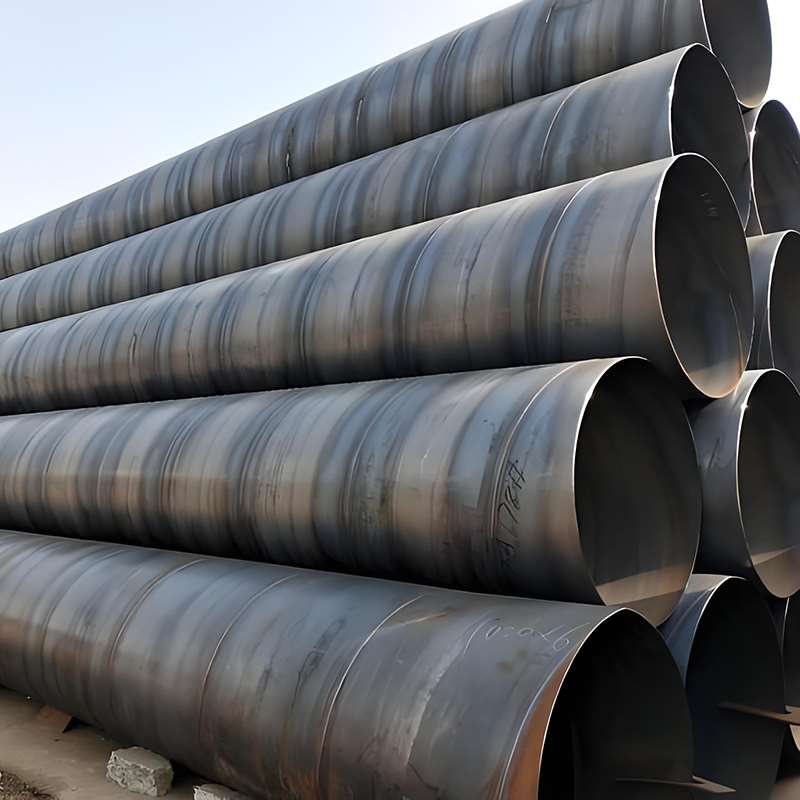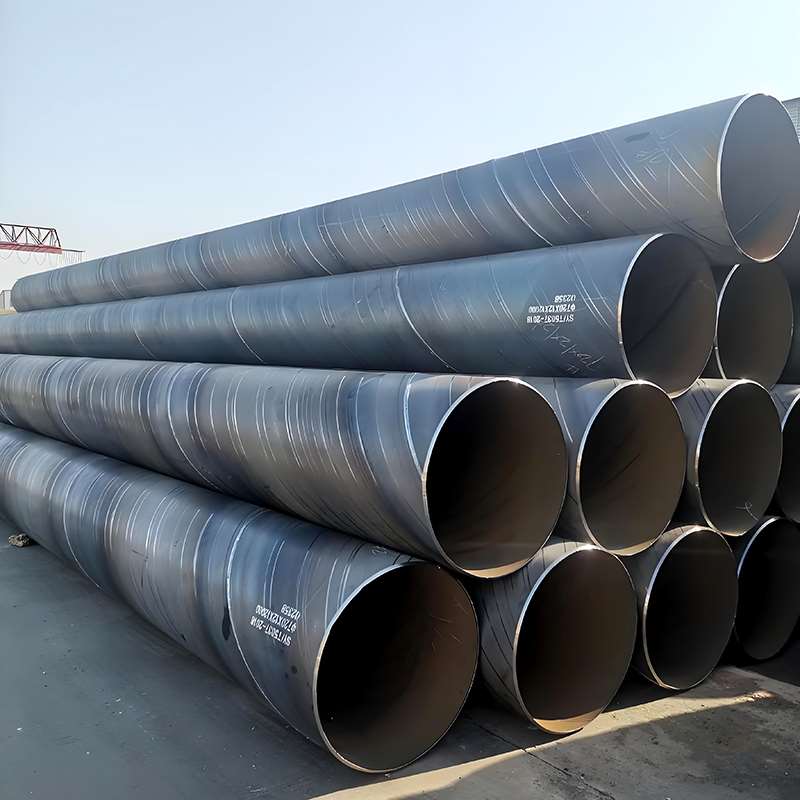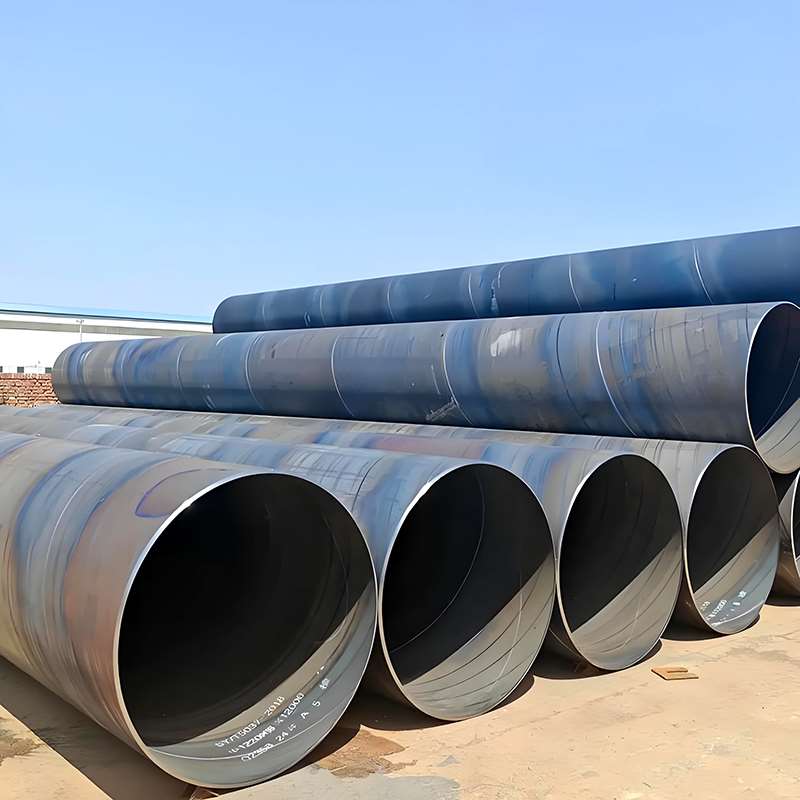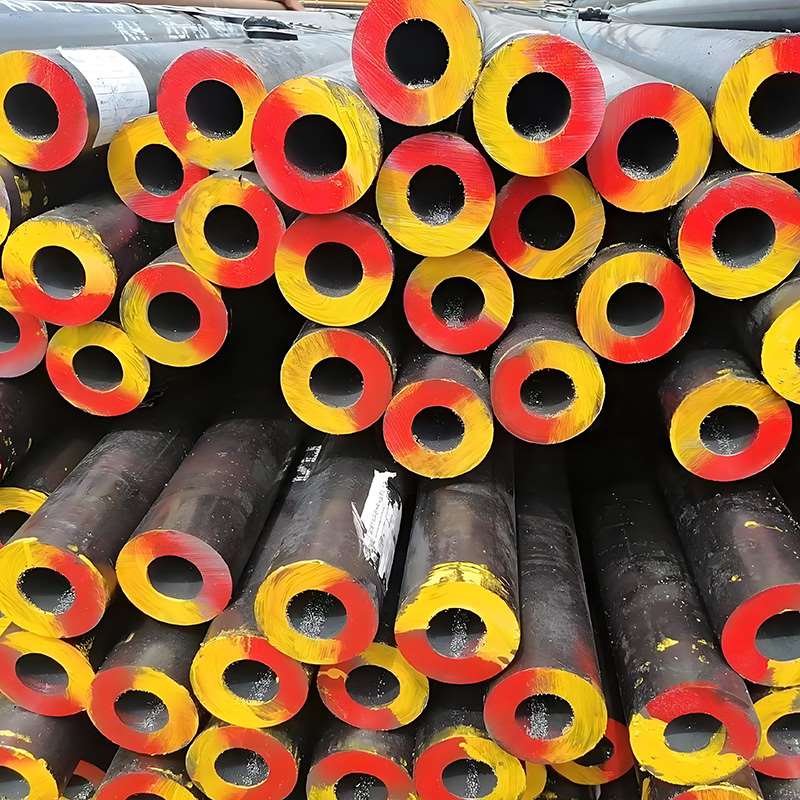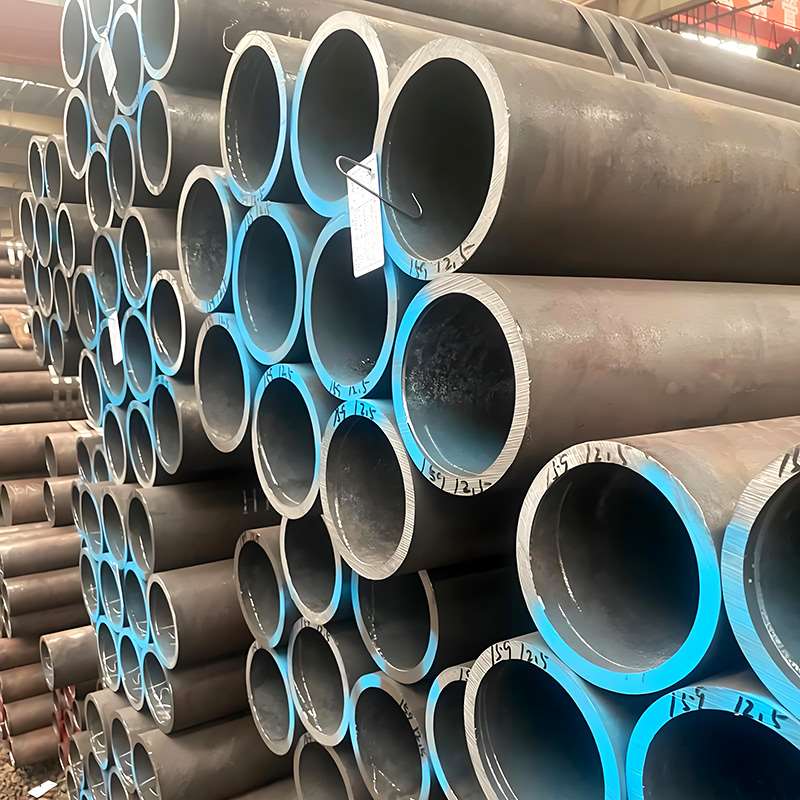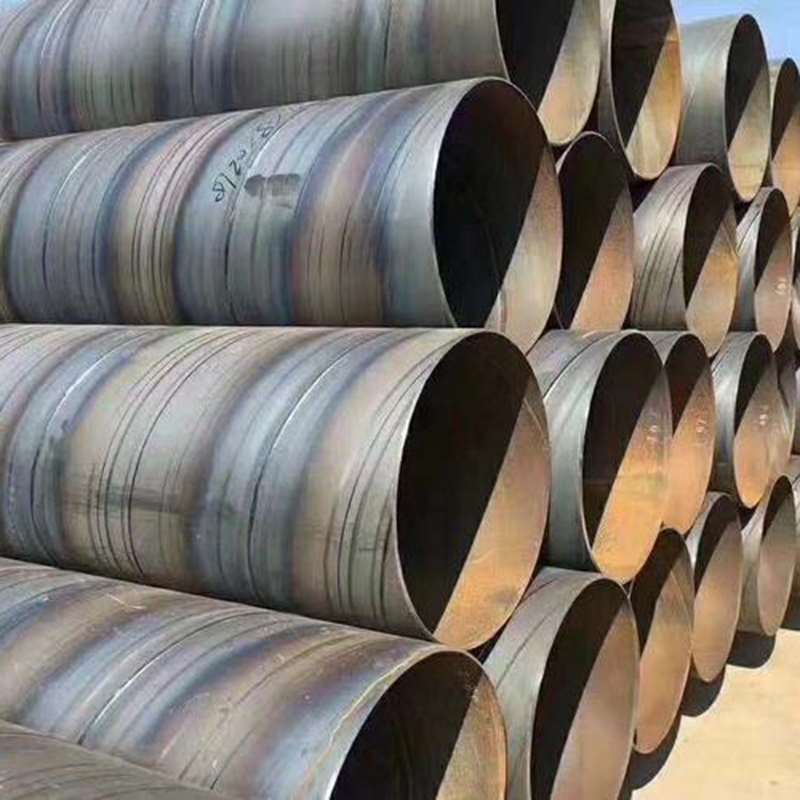
In engineering construction and pipeline installation, ASTM A572 spiral steel pipes are widely utilized for structural support, bridges, building frameworks, and transmission pipelines.
Steel materials conforming to this standard are classified into various strength grades—such as Gr.42, Gr.50, Gr.55, and Gr.60—among which Gr.50 and Gr.60 represent the most commonly used high-strength grades.
The proper selection of these two types of steel pipes allows for cost optimization while simultaneously ensuring structural safety. The following analysis examines the rationale behind this selection process across several key dimensions.
I. Design Loads and Strength Requirements
- Gr.50: Features a yield strength of 345 MPa and a tensile strength of 450–620 MPa. It is suitable for structures or pipelines with moderate strength requirements, capable of meeting the load-bearing demands of general bridges, building structures, and light-duty pipelines.
- Gr.60: Features a yield strength of 420 MPa and a tensile strength of 485–650 MPa. It is suitable for applications requiring high strength, such as large-scale bridges, heavy-duty steel structures, and high-pressure pipelines.
Selection Recommendation: During design calculations, first verify the specific loading conditions. If the structural load-bearing capacity requirements are high or a larger safety factor is mandated, Gr.60 should be prioritized; however, if the loads are moderate and the budget is limited, Gr.50 is entirely sufficient.
II. Matching Pipe Diameter and Wall Thickness
The outer diameter and wall thickness of spiral steel pipes directly influence their load-bearing capacity and ease of welding. Typically, for a given outer diameter, Grade 60 allows for the use of a thinner wall thickness to support the same load, thereby reducing the pipe’s self-weight and lowering material costs.
Selection Strategy:
- For small-diameter, medium-pressure pipelines, Grade 50 is the preferred choice;
- For large-diameter or high-pressure pipelines, Grade 60 should be selected to optimize the wall thickness ratio and structural stability.
Note: In structural design, one must consider not only the nominal diameter but also the impact of wall thickness uniformity and weld quality on overall strength.
III. Weldability and Construction Process
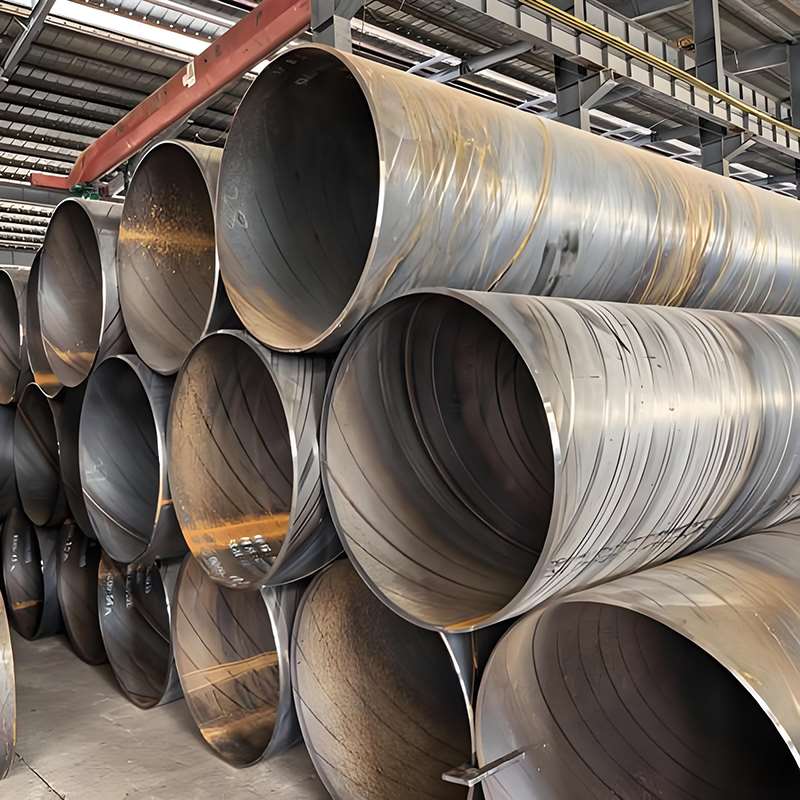
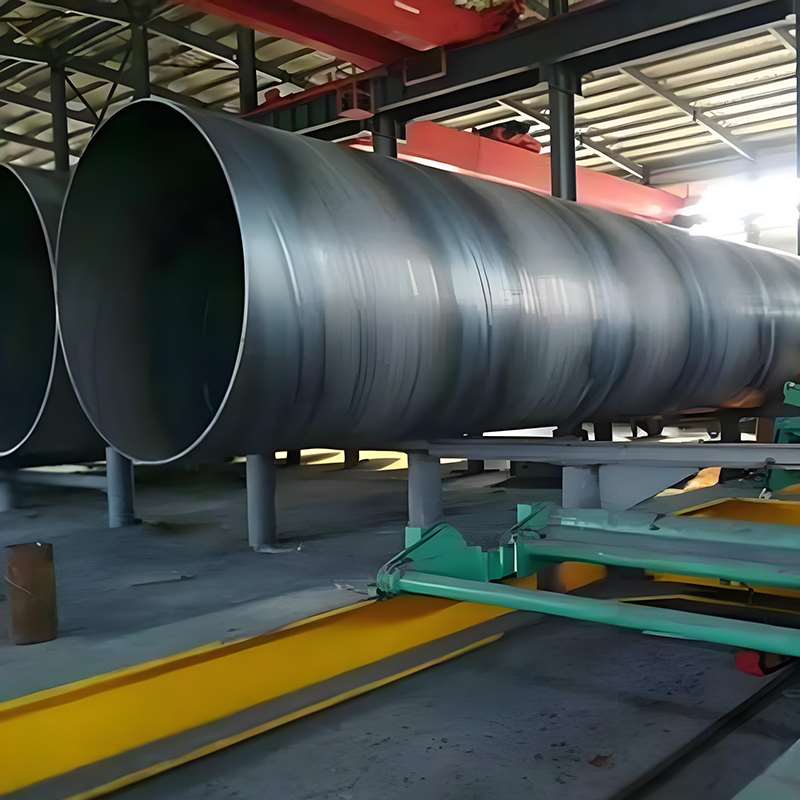
- Gr.50 steel pipe exhibits good weldability; its weld seams can easily achieve the designed strength, resulting in low construction risk.
- Gr.60 offers higher strength; however, the heat-affected zone (HAZ) of the weld may be prone to hardening, embrittlement, or stress concentration, necessitating strict control over the welding process and preheating temperatures.
Selection Recommendation: If welding conditions at the construction site are limited or the welders possess only average experience, Gr.50 represents the safer choice. Gr.60 becomes the more cost-effective option only when high strength is required and a proven, mature welding protocol is in place.
IV. Costs and Supply
- The material cost for Grade 60 typically exceeds that of Grade 50; this price differential is particularly pronounced in large-diameter spiral steel pipes. During the procurement process, it is essential to weigh material costs against construction costs: while the use of Grade 60 allows for reduced wall thickness—thereby lowering the cost per unit of weight—its unit price per ton is higher.
Recommendation: Conduct a comprehensive cost analysis—encompassing materials, welding, transportation, and installation expenses—to ensure that the selected grade represents the most economically rational choice.
V. Environmental and Corrosion Requirements
- In highly corrosive or outdoor environments, spiral steel pipes typically require painting, anti-corrosion treatment, or galvanization. Due to its higher strength, Grade 60 requires particular care during coating application and heat treatment to prevent stress concentration and crack propagation.
Selection Recommendation: For coastal areas, chemical plants, or high-humidity environments—provided the budget permits—Grade 60 may be utilized in conjunction with appropriate anti-corrosion measures. For general industrial environments, Grade 50, combined with standard anti-corrosion treatment, is sufficient to meet requirements.
VI. Practical Selection Process
Based on the factors outlined above, purchasers may refer to the following selection process:
- Confirm Load and Strength Requirements → Prioritize Gr.60 for heavy loads; select Gr.50 for moderate loads.
- Determine Pipe Diameter and Wall Thickness → For large-diameter or high-pressure pipelines, consider a thin-wall design utilizing Gr.60.
- Evaluate Welding and Construction Conditions → Prioritize Gr.50 when construction conditions are restricted.
- Compare Cost Budgets → Calculate the total cost encompassing both materials and construction.
- Assess Environmental Suitability → In highly corrosive environments, prioritize Gr.60 and apply appropriate anti-corrosion treatments.
- Final Decision → Make a comprehensive assessment that balances safety, cost, and ease of construction.
Recommended Product:ASTM A572 Gr.50 / Gr.60 Spiral Steel Pipe