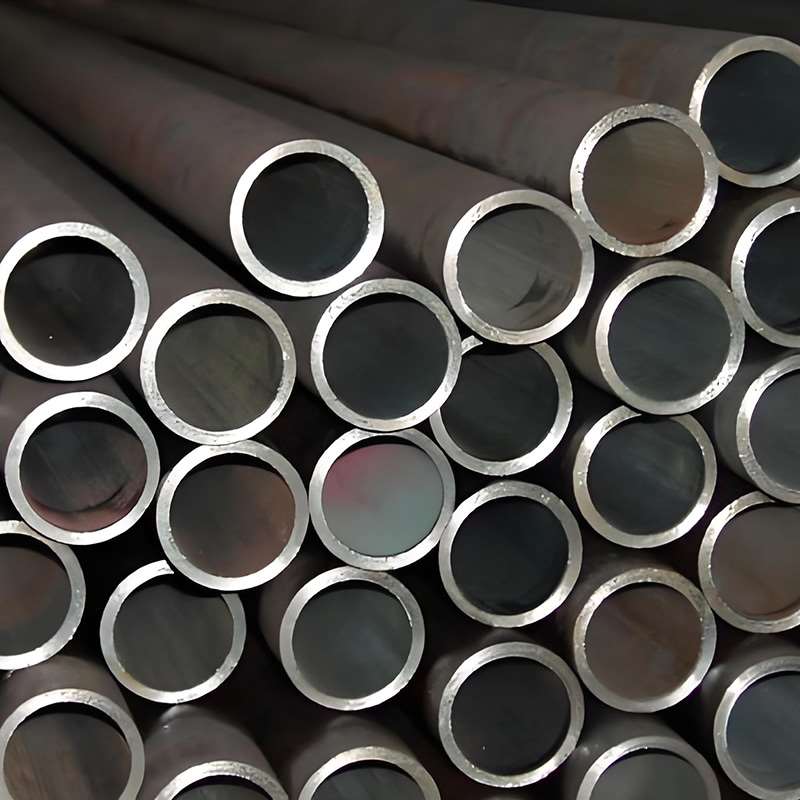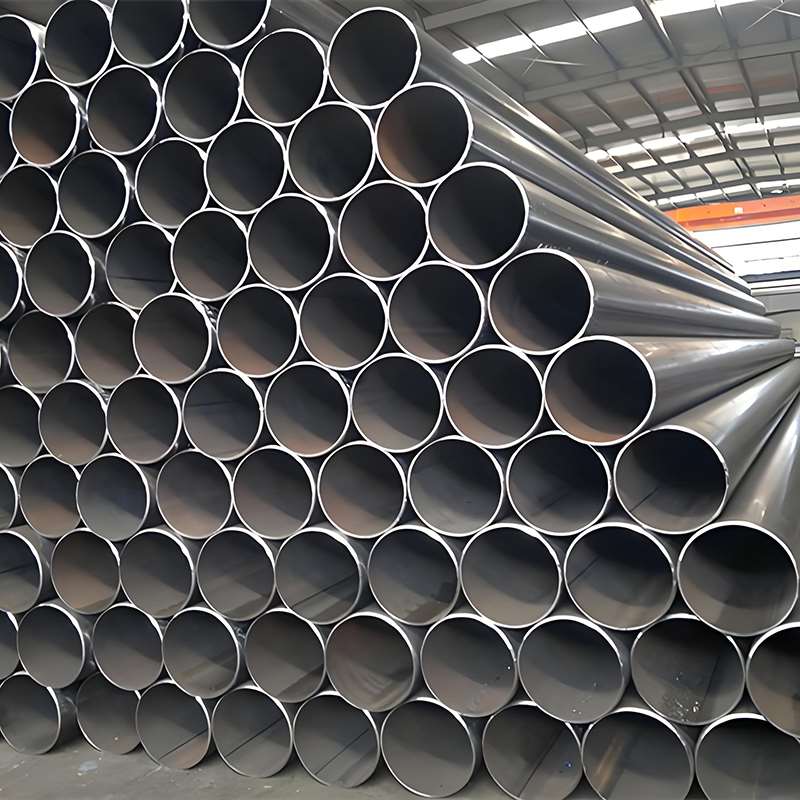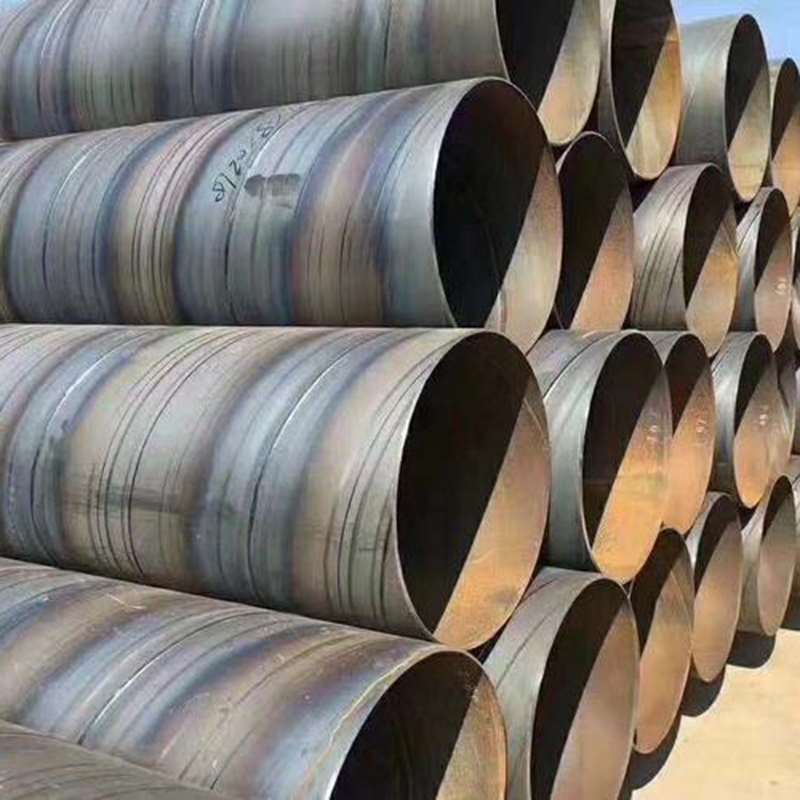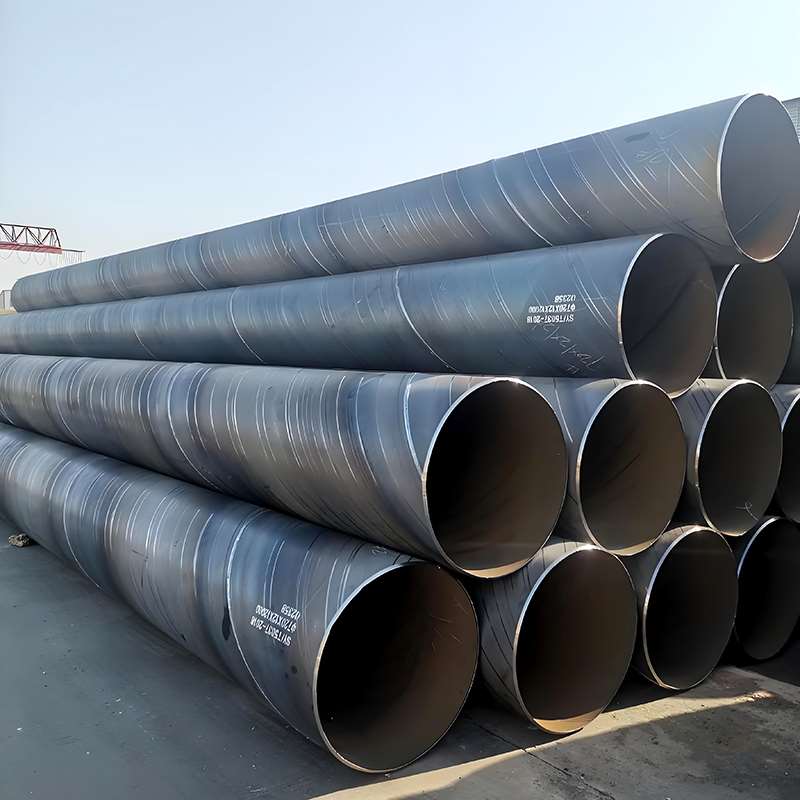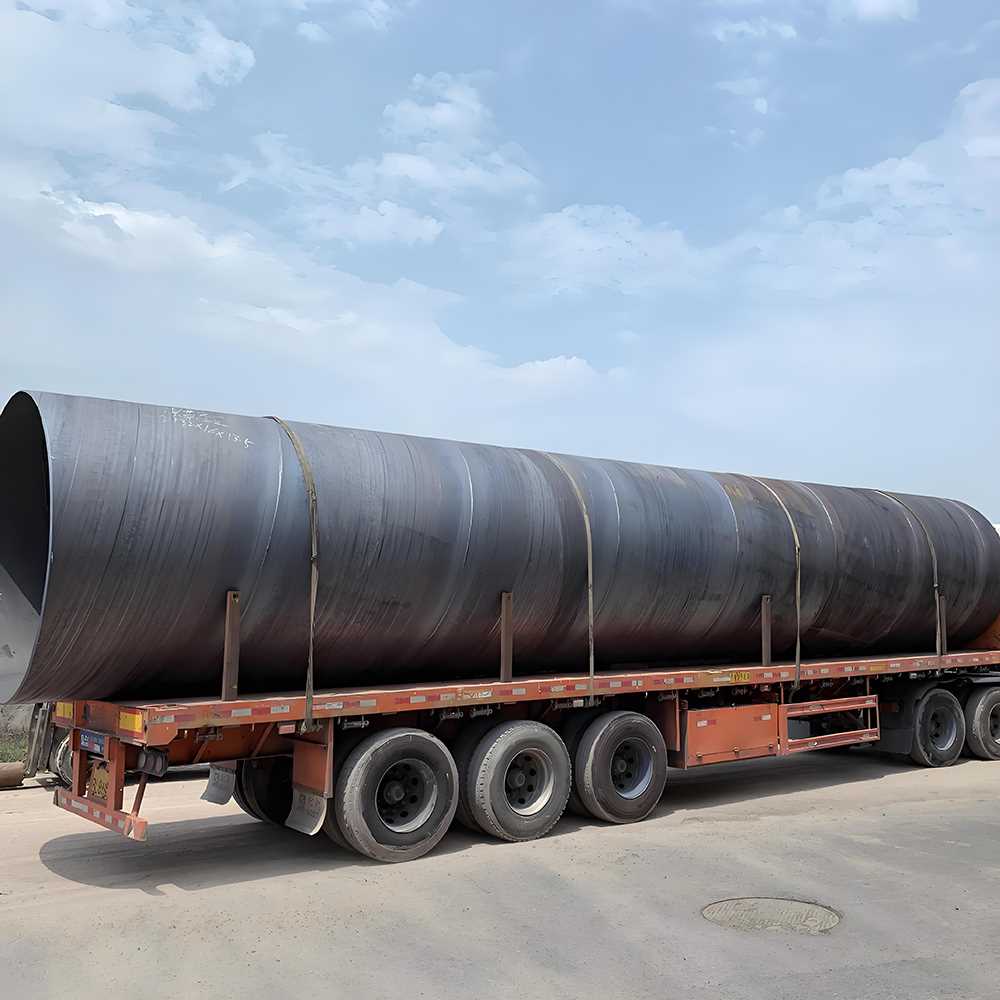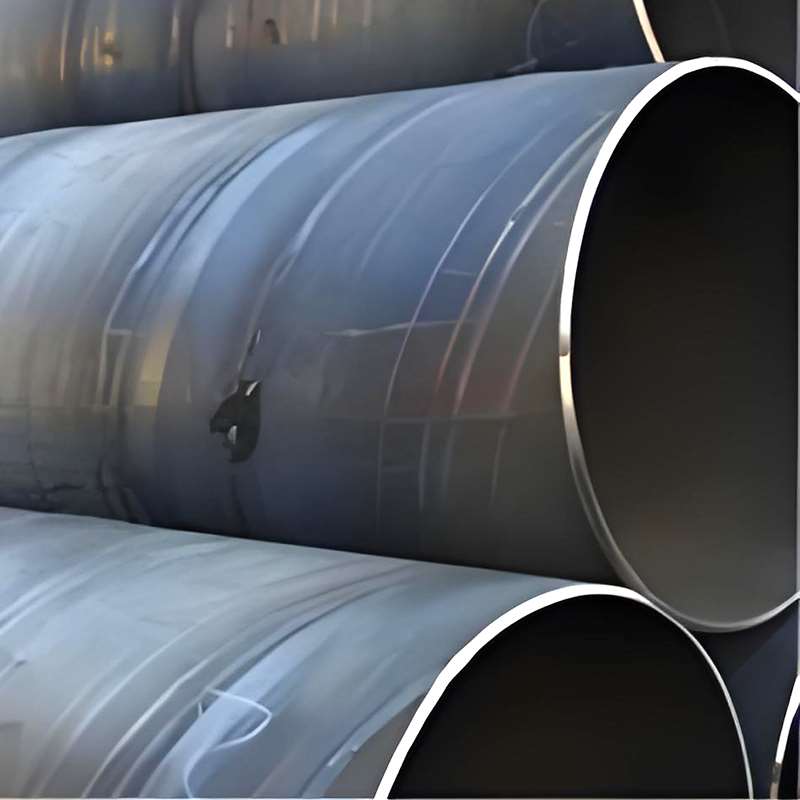
In modern industrial production, high-temperature, high-pressure, and corrosive environments are prevalent, placing stringent requirements on pipeline materials. P11 alloy seamless steel pipes, due to their excellent mechanical properties and high-temperature resistance, have become the preferred pipe material for the power, petrochemical, oil and gas, and boiler industries.
This article will systematically analyze the practical value of P11 seamless steel pipes from the perspectives of material properties, application areas, advantages, and selection guidelines.
I. Overview of P11 Alloy Seamless Steel Pipe
P11 is a typical chromium-molybdenum alloy steel (Cr-Mo steel), commonly used in the manufacture of high-temperature, high-pressure boiler pipes and industrial steam pipelines. Its main chemical composition and mechanical properties are shown in the table below:
| Parameter | Value Range | Unit | Description |
|---|---|---|---|
| C (Carbon) | 0.05–0.15 | % | Provides strength and hardness |
| Cr (Chromium) | 0.90–1.20 | % | Enhances heat resistance and oxidation resistance |
| Mo (Molybdenum) | 0.45–0.65 | % | Improves high-temperature strength and creep resistance |
| Allowable Operating Temperature | ≤ 550 | ℃ | High-temperature service capability |
| Tensile Strength | 415–585 | MPa | Meets pressure vessel requirements |
| Yield Strength | ≥ 205 | MPa | Ensures safe pipeline operation |
II. Main Application Areas
P11 seamless steel pipes, with their high-temperature strength and corrosion resistance, are suitable for a variety of critical industrial projects:
- Coal Power Plants: Boiler pipes, superheater tubes, reheater tubes
- Petrochemical Industry: High-pressure oil pipelines, steam pipelines
- Natural Gas Industry: High-temperature and high-pressure gas transportation
- Industrial Boiler Systems: Heat exchangers, steam transmission pipes
III. Advantages of P11 Seamless Steel Pipe
| Advantage | Description |
|---|---|
| High Temperature Resistance | Can operate long-term above 500℃ without deformation or softening |
| High Strength | Provides good pressure-bearing capacity, ensuring industrial pipeline safety |
| Creep Resistance | Maintains stable dimensions and mechanical properties under long-term high temperatures |
| Corrosion Resistance | Chromium-molybdenum alloy improves resistance to oxidation and acid/alkali corrosion |
| Good Workability | Weldable and bendable, facilitating pipeline installation and maintenance |
IV. Common Questions and Solutions in Daily Use
- How to determine pipe specifications?
Select the appropriate diameter and wall thickness based on system pressure, temperature, and fluid properties.
Refer to ASTM A335 P11 standard to ensure the material meets the pressure rating.
- Is welding complicated?
P11 can be welded using conventional processes (TIG, MIG, manual arc welding). Note that preheating to 150–200℃ is necessary to avoid weld cracks.
- Will long-term high-temperature operation cause failure?
With proper material selection, installation, and maintenance, P11 pipes can operate safely for 10–15 years or more in high-temperature environments.
- Is an anti-corrosion coating required?
For acidic or high-humidity environments, an anti-corrosion coating or lining is recommended to extend service life.
V. Recommendations for Selecting P11 Pipes
- Before Engineering Design: Determine the pressure rating, temperature range, and media properties.
- During Procurement: Choose a qualified steel mill and ensure ASTM/EN standard certification.
- Construction and Installation: Strictly adhere to welding, bending, support, and expansion compensation specifications.
- Regular Maintenance: Inspect for corrosion, wear, and high-temperature deformation; replace aging pipe sections promptly.
P11 alloy seamless steel pipes, with their excellent properties such as high temperature resistance, high strength, and corrosion resistance, have become the ideal pipe material for key projects in thermal power, petrochemical, natural gas, and industrial boilers.
Through proper material selection, scientific installation, and regular maintenance, pipeline failure rates can be significantly reduced, service life extended, and strong guarantees provided for the safe and stable operation of industrial projects.