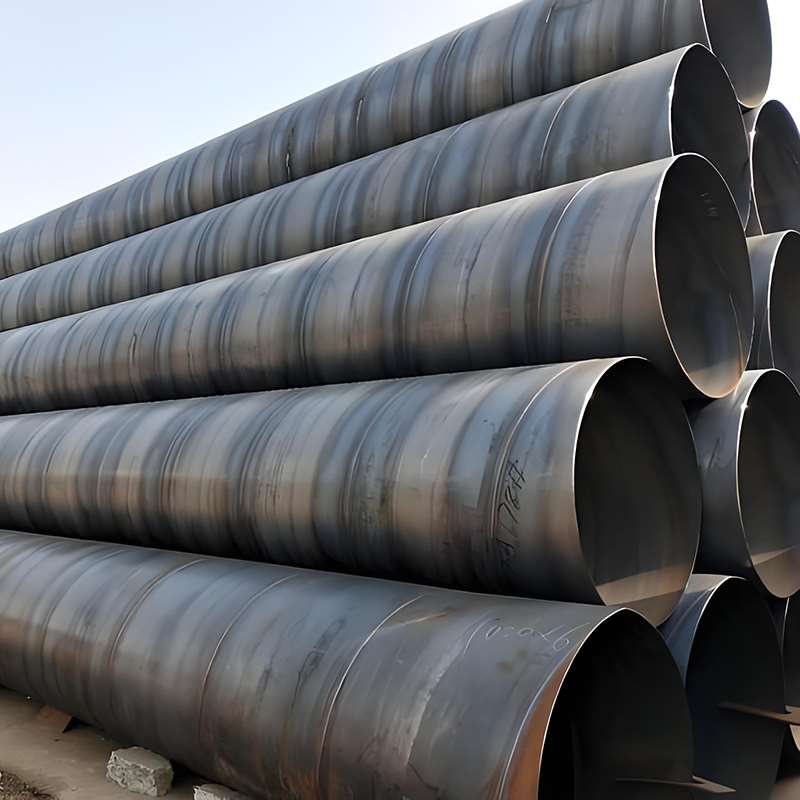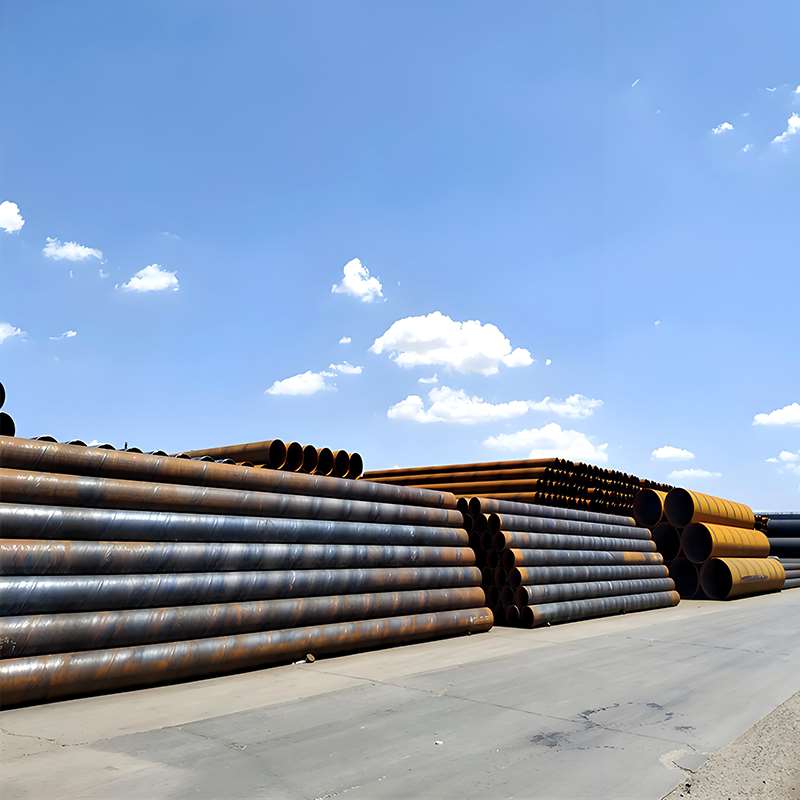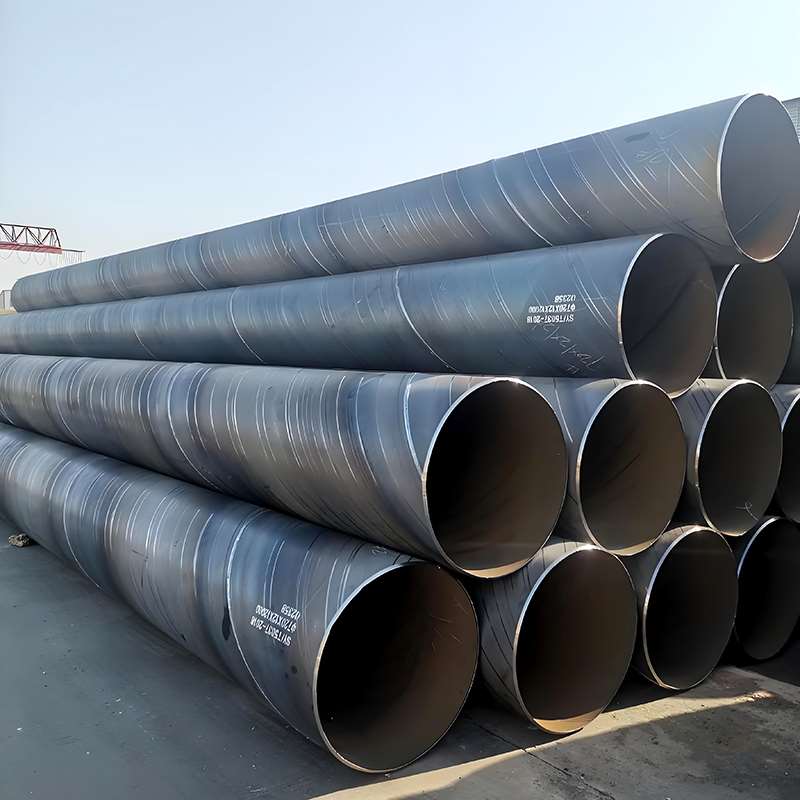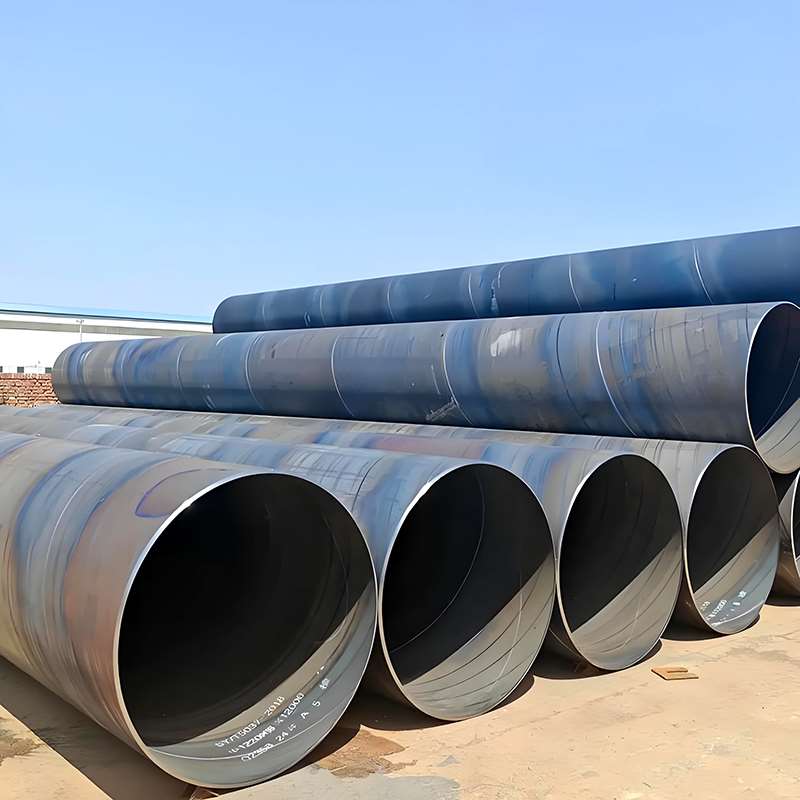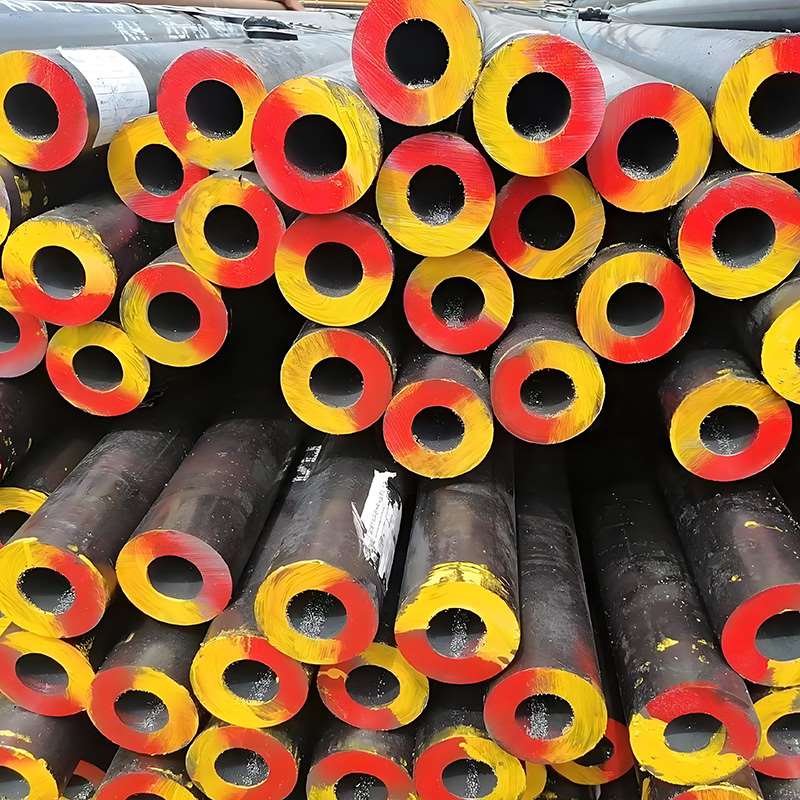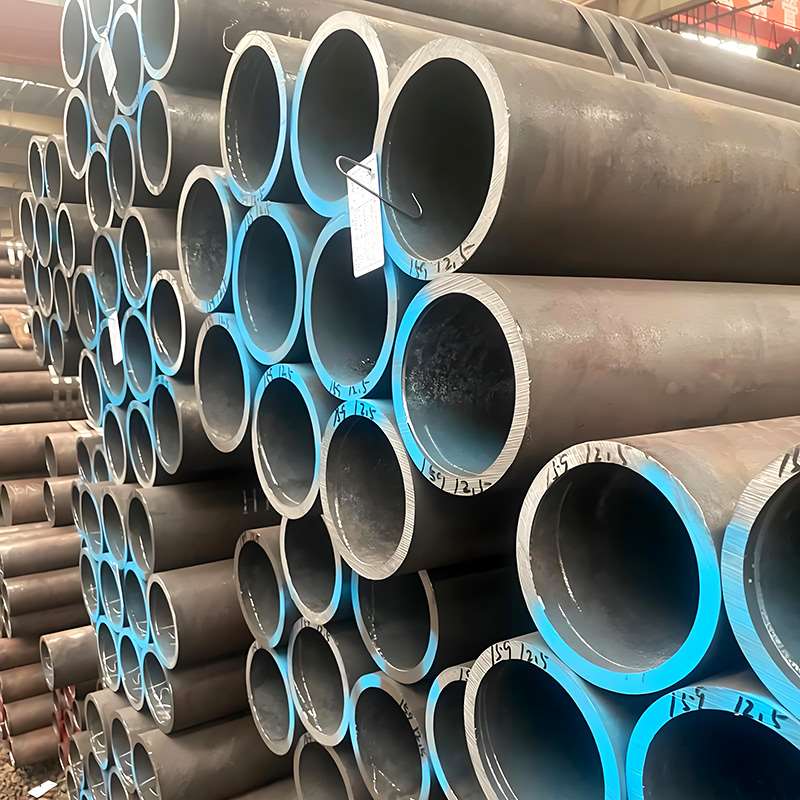
API 5L B-grade welded steel pipe is one of the most widely used pipeline steel pipes in the global industrial sector, commonly used in oil and natural gas transportation, municipal water supply, and general industrial fluid systems. Due to its good strength, weldability, and economy, it has become the mainstream choice for medium and low-pressure pipeline projects.
This article will systematically explain the core information of API 5L B-grade welded steel pipe from several aspects, including specifications, dimensions, manufacturing processes, and application scenarios, to assist in project selection and procurement decisions.
I. Overview of API 5L Grade B Welded Steel Pipes
API 5L Grade B (Grade B / L245) is a basic steel grade in the API 5L standard, possessing stable mechanical properties and good versatility.
Its basic mechanical properties are as follows:
- Minimum Yield Strength: 245 MPa
- Minimum Tensile Strength: 415 MPa
- Material Type: Carbon Steel
- Applications: Medium and low pressure transmission systems
- Its characteristics include: moderate strength, low cost, and good weldability, making it widely used in engineering projects.
II. Main Manufacturing Processes of API 5L Grade B Welded Steel Pipes
API 5L Grade B steel pipes can be produced using various welding methods, with different processes suitable for different specifications.
| Process Type | Full Name | Characteristics | Application Scope |
|---|---|---|---|
| ERW | Electric Resistance Welded Steel Pipe | High production efficiency, low cost, high dimensional accuracy | Small diameter, low to medium pressure pipelines |
| LSAW | Longitudinal Submerged Arc Welded Steel Pipe | High weld quality, strong pressure resistance | Medium to large diameter, high-pressure pipelines |
| SSAW | Spiral Submerged Arc Welded Steel Pipe | Moderate cost, suitable for large diameters | Long-distance transmission pipelines |
III. API 5L Grade B Welded Steel Pipe Specifications and Dimension Range
1. Common Outer Diameter and Wall Thickness Ranges
| Item | Range |
|---|---|
| Outer Diameter (OD) | 21.3 mm – 1422 mm |
| Wall Thickness (WT) | 1.5 mm – 40 mm (depending on manufacturing process) |
| Length | 5.8 m / 6 m / 12 m / custom length |
| End Types | Plain end / Beveled end / Threaded end |
2. Common Sizes and Specifications
| Nominal Size (NPS) | Outside Diameter (mm) | Common Applications |
|---|---|---|
| 1/2″ | 21.3 mm | Small fluid transport |
| 1″ | 33.4 mm | Industrial piping systems |
| 2″ | 60.3 mm | General pipeline networks |
| 4″ | 114.3 mm | Building / industrial systems |
| 6″ | 168.3 mm | Medium transmission pipelines |
| 8″ | 219.1 mm | Municipal and industrial pipelines |
| 12″ | 323.9 mm | Medium-pressure transmission |
| 24″ and above | ≥610 mm | Oil and gas trunk lines |
IV. Relationship between Wall Thickness (Schedule) and Pressure Rating
The pressure-bearing capacity of API 5L Class B steel pipes mainly depends on the wall thickness rating (Sch).
| Schedule (Sch) | Characteristics | Applications |
|---|---|---|
| Sch 10 / Sch 20 | Thin wall | Low-pressure water transport, ventilation |
| Sch 40 | Standard wall thickness | General industrial piping |
| Sch 80 | Thick wall | Medium to high-pressure systems |
| Sch 160 | Extra thick wall | High-pressure special service conditions |
V. Application Areas of API 5L B Grade Welded Steel Pipes
Due to their balanced performance, API 5L B grade welded steel pipes are widely used in multiple industries.
These mainly include:
- Oil and gas transmission pipelines
- Urban water supply and drainage systems
- Chemical and industrial fluid transportation
- Building HVAC systems
- Compressed air and general industrial piping
VI. How to Correctly Select Specifications and Processes?
In actual engineering projects, when selecting API 5L B-grade steel pipes, the following factors need to be considered comprehensively:
- Transporting medium (oil, water, gas, or chemical fluid)
- Working pressure rating
- Pipe diameter
- Operating environment (corrosive, low-temperature, or marine environment)
- Cost budget
General principles:
- Small diameter + Medium/low pressure → ERW
- Large diameter + High safety requirements → LSAW
- Long distance transportation + Cost control → SSAW
VII. Common Misconceptions
- Misconception 1: Only looking at the steel grade, not the specifications.
Actual: Outer diameter and wall thickness both determine pressure resistance. - Misconception 2: All welded steel pipes have the same performance.
Actual: ERW, LSAW, and SSAW have significant differences. - Misconception 3: The thicker the wall, the better.
Actual: It needs to be considered in conjunction with the working conditions to avoid over-design.