API 5L Welded Pipes: Specifications, Grades, and Applications Explained
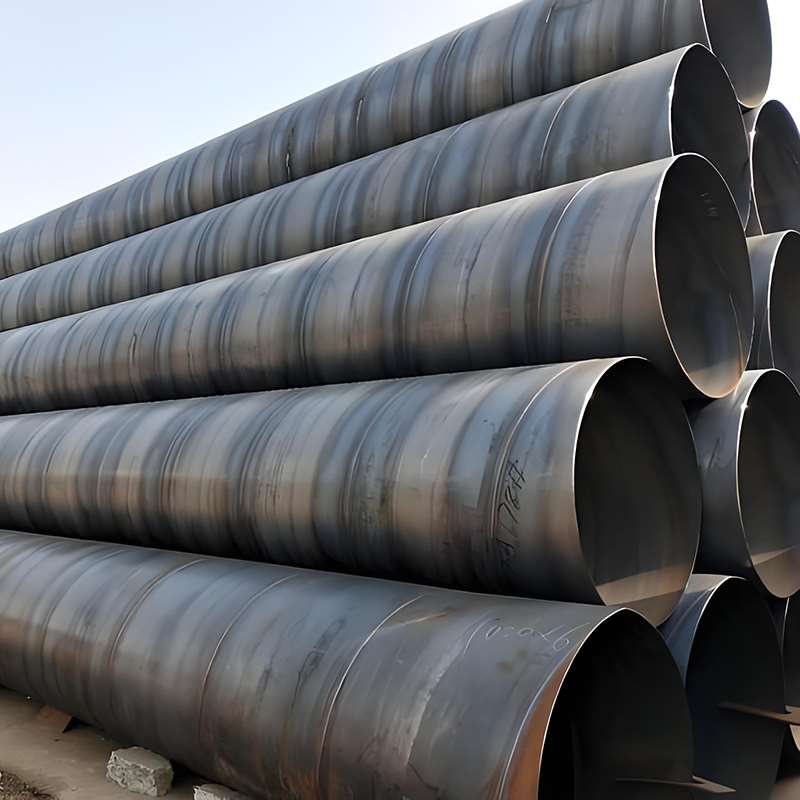
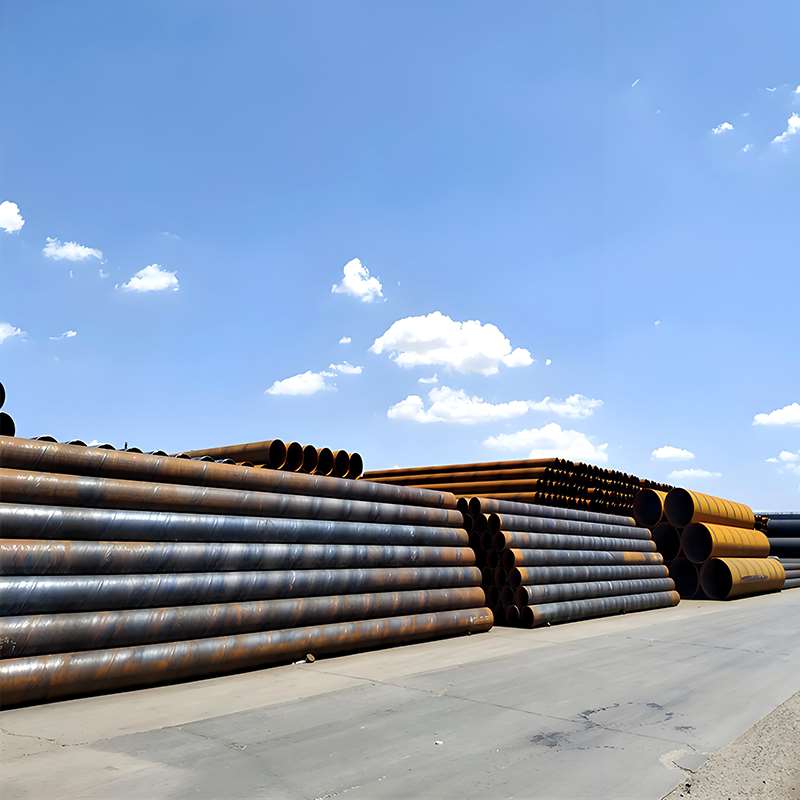
API 5L welded steel pipes are widely used in oil, natural gas, municipal engineering, and industrial transportation systems. Their core value lies in standardized production, controllable strength, and adaptability to various working conditions.
To select the correct type, it is essential to understand three key aspects: specifications, grade (PSL1/PSL2), and application scenario.
I. API 5L Welded Steel Pipe Common Specifications
Small Diameter ERW Steel Pipe Specifications (Commonly Used in Municipal/Industrial Applications)
Outside Diameter (OD)
Nominal Size
Common Wall Thickness (mm)
Common Applications
21.3 mm
1/2″
2.0 / 2.3 / 2.8
Low-pressure water supply, branch lines
26.9 mm
3/4″
2.3 / 2.8 / 3.2
Industrial piping systems
33.7 mm
1″
2.8 / 3.2 / 3.6
Air / water transmission
42.4 mm
1 1/4″
2.8 / 3.2 / 4.0
Municipal pipeline networks
48.3 mm
1 1/2″
3.2 / 3.6 / 4.0
General industrial systems
60.3 mm
2″
3.2 / 4.0 / 5.0
Low to medium-pressure transmission
Medium Diameter ERW/SSAW Steel Pipe Specifications (Industrial/Energy)
Outside Diameter (OD)
Nominal Size
Common Wall Thickness (mm)
Common Applications
76.1 mm
2 1/2″
3.2 / 4.0 / 5.0
Industrial fluids
88.9 mm
3″
3.2 / 4.0 / 5.5
Pressure pipelines
114.3 mm
4″
4.0 / 5.0 / 6.0
Petrochemical systems
168.3 mm
6″
4.5 / 6.0 / 7.1
Medium-pressure transmission
219.1 mm
8″
6.0 / 7.1 / 8.0
Industrial / municipal main lines
Large-diameter LSAW/SSAW steel pipe specifications (long-distance oil and gas pipelines)
Outside Diameter (OD)
Common Wall Thickness (mm)
Common Applications
273 mm
6.0 / 7.1 / 8.0 / 10.0
Medium-pressure transmission
323.9 mm
6.4 / 8.0 / 10.0 / 12.7
Oil and gas transmission
406.4 mm
8.0 / 10.0 / 12.7 / 14.3
Main trunk pipelines
508 mm
9.5 / 12.7 / 14.3 / 16.0
High-pressure transmission
610 mm
9.5 / 12.7 / 15.9 / 18.0
Long-distance pipelines
762 mm
12.7 / 15.9 / 19.1
Large-scale oil and gas projects
II. API 5L Grading System (PSL1 vs PSL2)
PSL Grading Comparison
Item
PSL1
PSL2
Standard requirements
Basic standard
Advanced standard
Chemical composition
Less strict
Strictly controlled
Non-destructive testing (NDT)
Optional
Mandatory
Impact toughness
No or low requirements
Mandatory requirement
Application scenarios
General engineering
High-pressure / critical pipelines
Common Steel Grades (Strength Grades)
Grade
Yield Strength
Application Scenarios
Grade B
Basic strength
Municipal / general industry
X42
Around 290 MPa
Low to medium-pressure pipelines
X52
Around 360 MPa
Conventional oil and gas transmission
X60
Around 415 MPa
Medium to high-pressure pipelines
X65
Around 450 MPa
High-pressure trunk lines
X70
Around 485 MPa
Long-distance high-pressure transmission
III. Application Scenarios of API 5L Welded Steel Pipes
Oil and Gas Industry (Core Area) Crude Oil Pipelines Long-Distance Natural Gas Pipelines Gathering and Transmission Systems Offshore Platform Pipelines Recommended Configuration: X52–X70 + PSL2
Municipal Engineering Systems Urban Water Supply Networks Drainage Systems Industrial Park Water Supply Recommended Configuration: Grade B / X42 + PSL1
Industrial Energy Systems Chemical Media Transportation Power Plant Circulating Water Systems Compressed Air Systems Recommended Configuration: X42–X60
Building Structure Applications Steel Structure Support Bridge Structures Pile Foundation Casings Recommended Configuration: ERW + Grade B
IV. Core Selection Logic
1: Determine Operating Conditions Pressure Rating Transport Medium Corrosive Environment
2: Select Grade General Engineering → PSL1 High Pressure Engineering → PSL2
3: Select Steel Grade Municipal Engineering → Grade B / X42 Industrial Engineering → X52 / X60 High Pressure Oil & Gas Engineering → X65 / X70
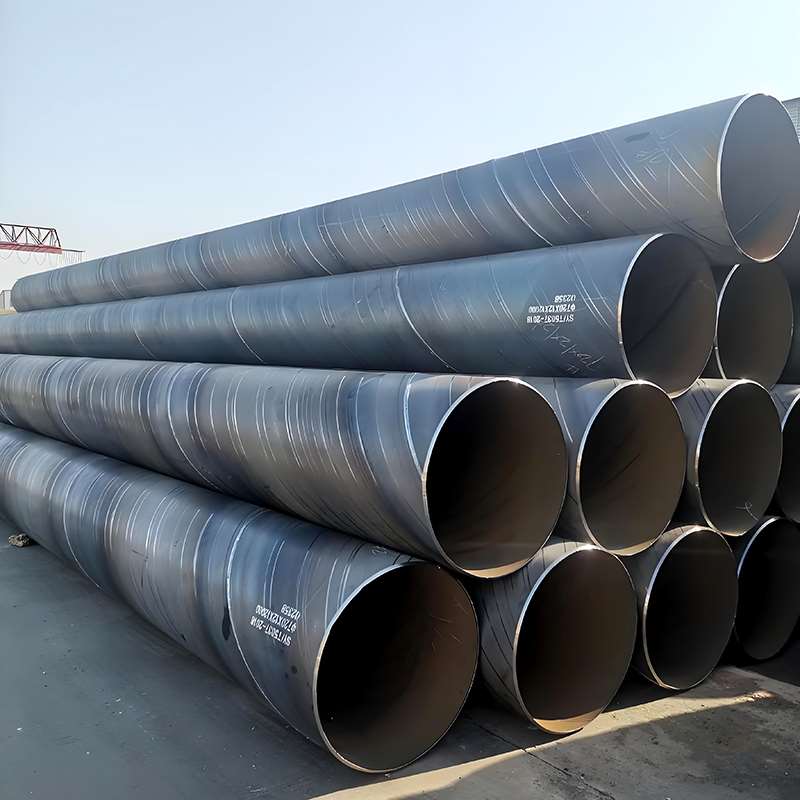
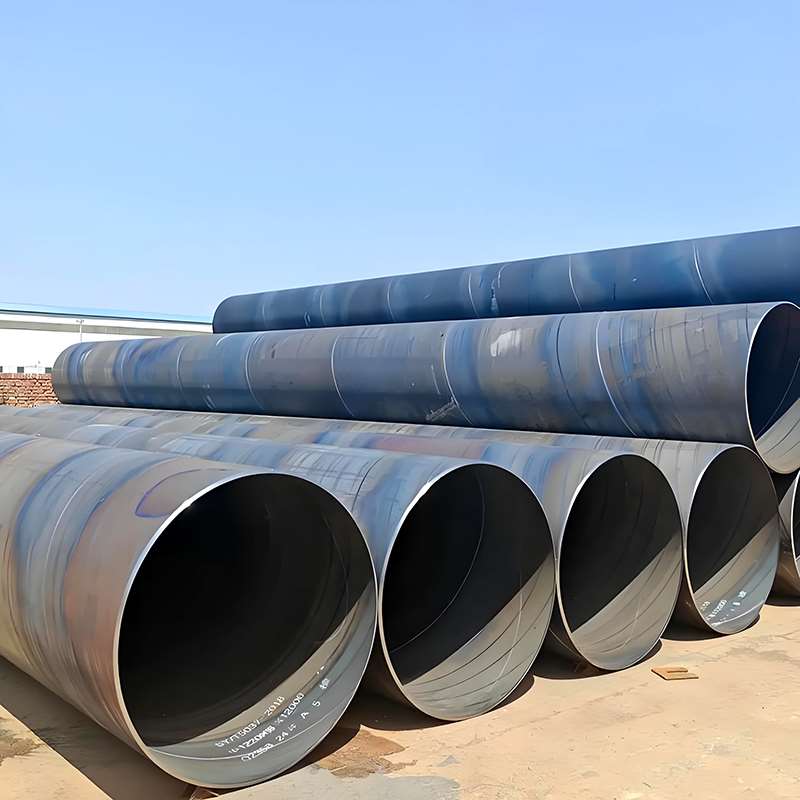
4: Select Welding Method ERW → Small Diameter LSAW → High Pressure Trunk Line SSAW → Large Diameter Long Distance