In the design and procurement of pipeline engineering, the choice between API 5L welded steel pipes and seamless steel pipes is a key decision affecting project cost, safety, and construction efficiency.
Many projects focus solely on “which is stronger” during selection, neglecting a core principle: the most suitable pipe material is not the most expensive, but rather the one best matched to the working conditions and cost structure.
This article will systematically compare the two from three core dimensions: cost, strength, and construction efficiency, helping engineering procurement and design personnel make more informed choices.
I. Manufacturing Process Overview
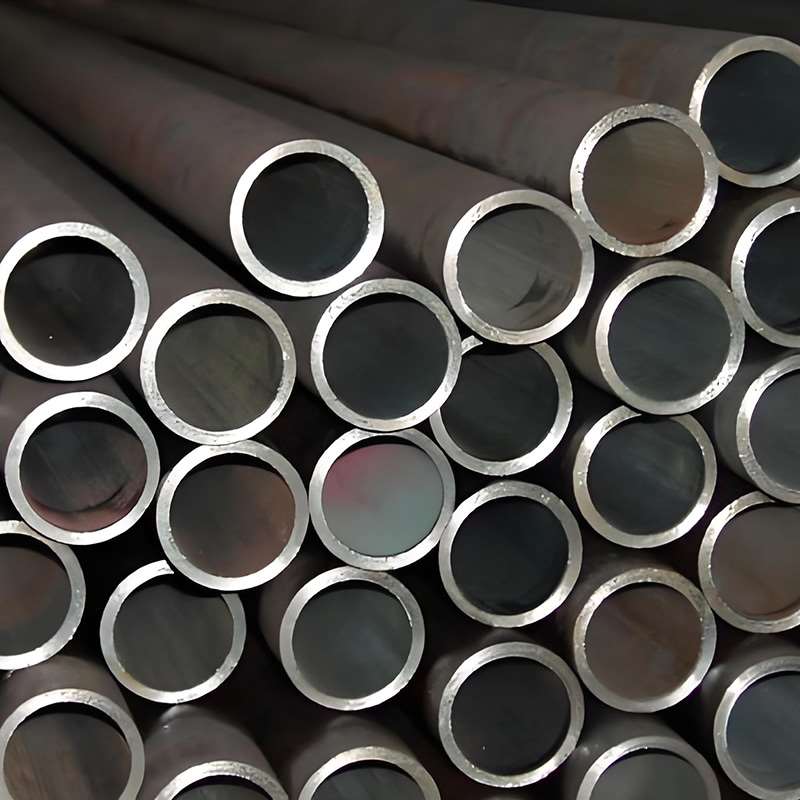
Seamless steel pipe: Manufactured through piercing and hot rolling or cold drawing processes, with no longitudinal weld seams in the pipe body.
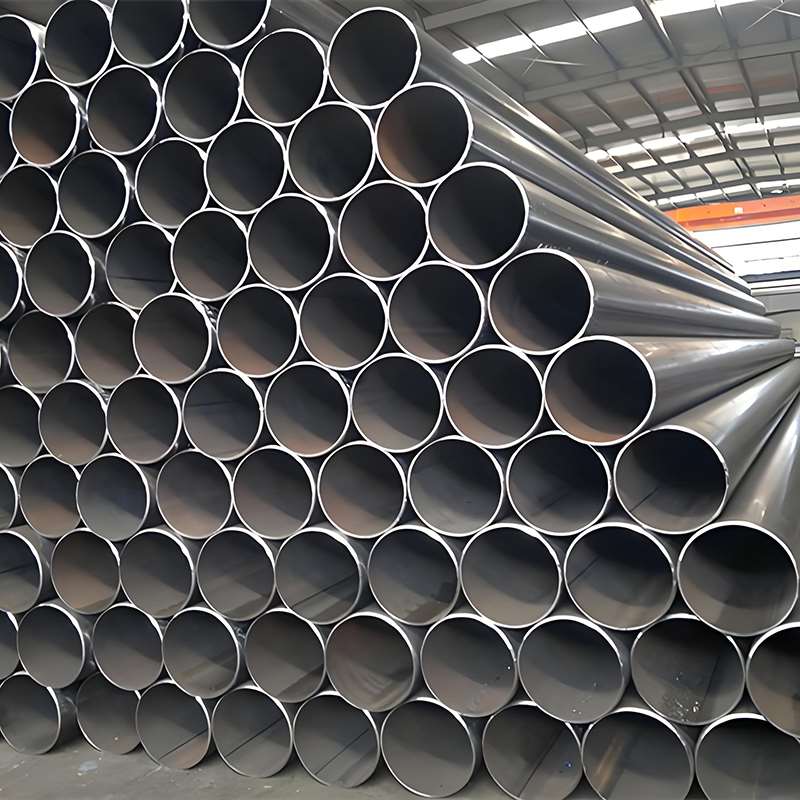
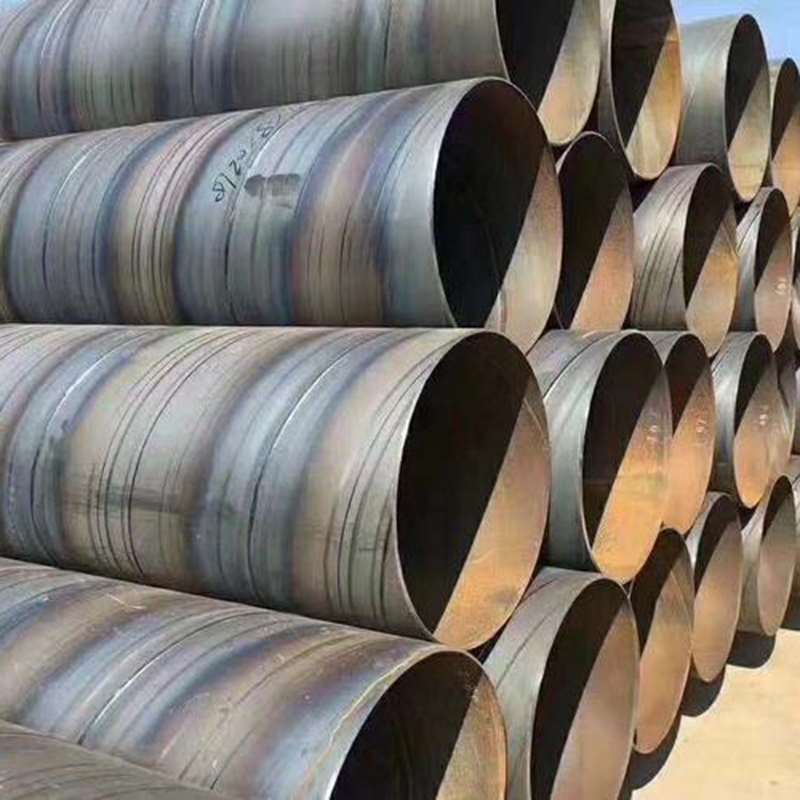
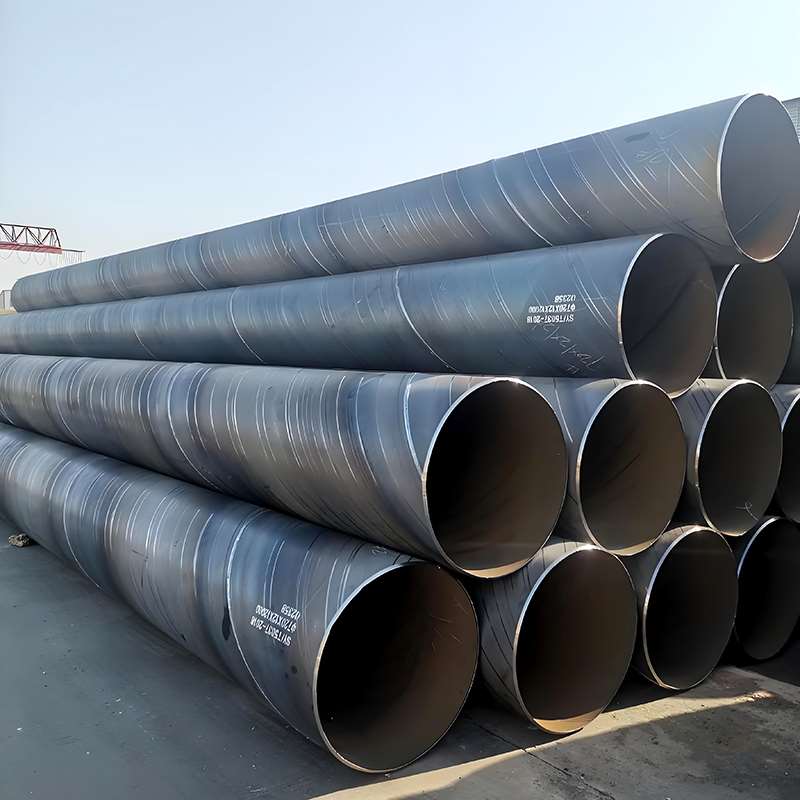
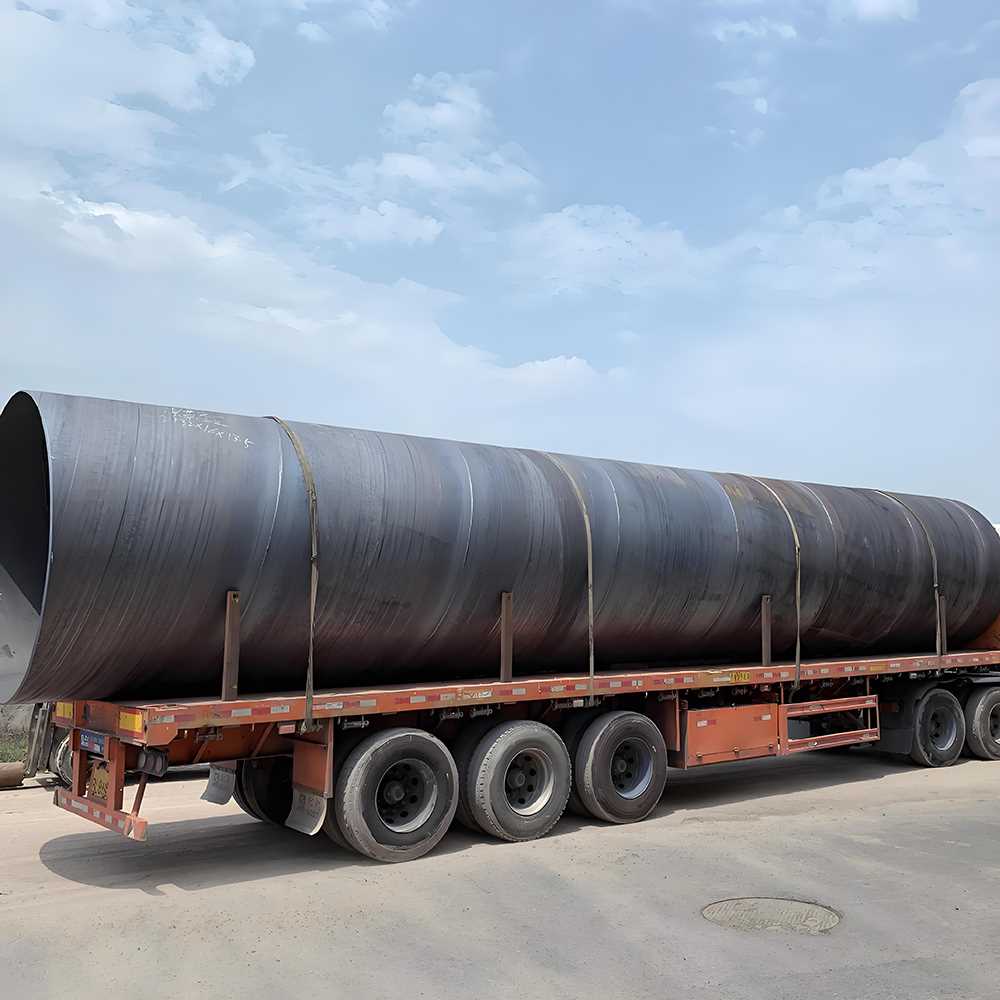
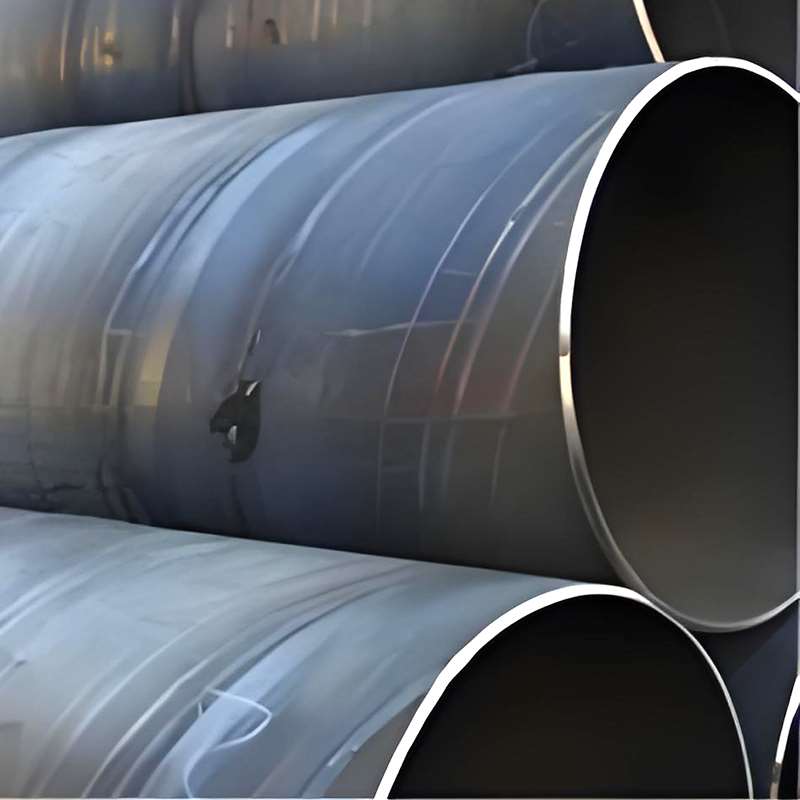
Welded steel pipe: Typically made by welding rolled steel plates or strips (e.g., ERW, LSAW, SSAW). Modern welding techniques (especially API 5L PSL2 grade) ensure that the weld quality is highly consistent with the pipe body.
II. Cost Comparison: Welded steel pipes have a greater economic advantage.
| Cost Factor | API 5L Welded Steel Pipe | Seamless Steel Pipe |
|---|---|---|
| Raw material utilization | High | Lower |
| Production process cost | Lower | Higher |
| Unit price level | Lower | Higher |
| Large-diameter cost | Significant advantage | Rapid cost increase |
Key Findings:
- Welded steel pipes are typically 20%–40% cheaper than seamless steel pipes.
- The advantage is even more pronounced in large-diameter (>DN300) projects.
Applicable Logic:
- Cost-sensitive projects → Prioritize welded steel pipes
- High-pressure critical systems → Consider seamless steel pipes only later.
III. Strength vs. Safety: Seamless steel pipes have a slight advantage.
| Performance Indicator | API 5L Welded Steel Pipe | Seamless Steel Pipe |
|---|---|---|
| Axial strength | High (close to base material) | High |
| Weld seam risk | Welded seam weak zone exists | No weld seam |
| Pressure resistance | Suitable for medium to high pressure | More stable under high pressure |
| Quality consistency | Depends on welding process | More uniform |
Key Explanation:
- The “potential weakness” of welded steel pipes lies in the weld area.
- However, modern API 5L standards (especially PSL2) have significantly reduced this risk through rigorous testing (UT, RT, hydrostatic testing).
- Seamless steel pipes, due to the absence of weld seams, are more stable in extreme high-pressure and high-temperature environments.
Conclusion:
- General industrial and medium-high pressure systems → Welded steel pipes are perfectly adequate.
- Ultra-high pressure and extreme conditions → Seamless steel pipes are safer.
IV. Construction and Efficiency
- Delivery Cycle: Welded pipe production lines are faster, and the delivery cycle for large-volume orders is typically shorter than that for seamless pipes, which helps shorten the overall project duration.
- On-site Welding Efficiency: Due to the better roundness and more uniform wall thickness of welded pipes, alignment is easier during butt welding on-site, thus increasing welding speed and reducing rework rates.
- Weight Control: Because of more precise wall thickness control, welded pipes are often lighter than seamless pipes of the same specifications, directly reducing transportation and hoisting costs.
V. Application Scenario Comparison: Not which is better, but which is more suitable.
| Application Area | Recommended Pipe Type | Reason |
|---|---|---|
| Urban water supply system | Welded steel pipe | Low cost, flexible specifications |
| Oil and gas medium-pressure pipelines | Welded steel pipe (API 5L PSL2) | High cost-performance ratio |
| High-pressure boiler systems | Seamless steel pipe | High pressure resistance requirements |
| Chemical high-temperature and high-pressure systems | Seamless steel pipe | High safety margin requirements |
| Large-diameter transmission pipelines | Welded steel pipe | Manufacturing and transportation advantages |
VI. Core Selection Logic
- Step 1: Determine Pressure Rating
≤6MPa → Welded steel pipe preferred
>6MPa → Evaluate seamless steel pipe - Step 2: Determine Safety Rating
General Engineering → Welded steel pipe
Critical Energy Systems → Seamless steel pipe - Step 3: Determine Cost and Schedule
Cost-sensitive + Tight schedule → Welded steel pipe
High safety + Long service life → Seamless steel pipe