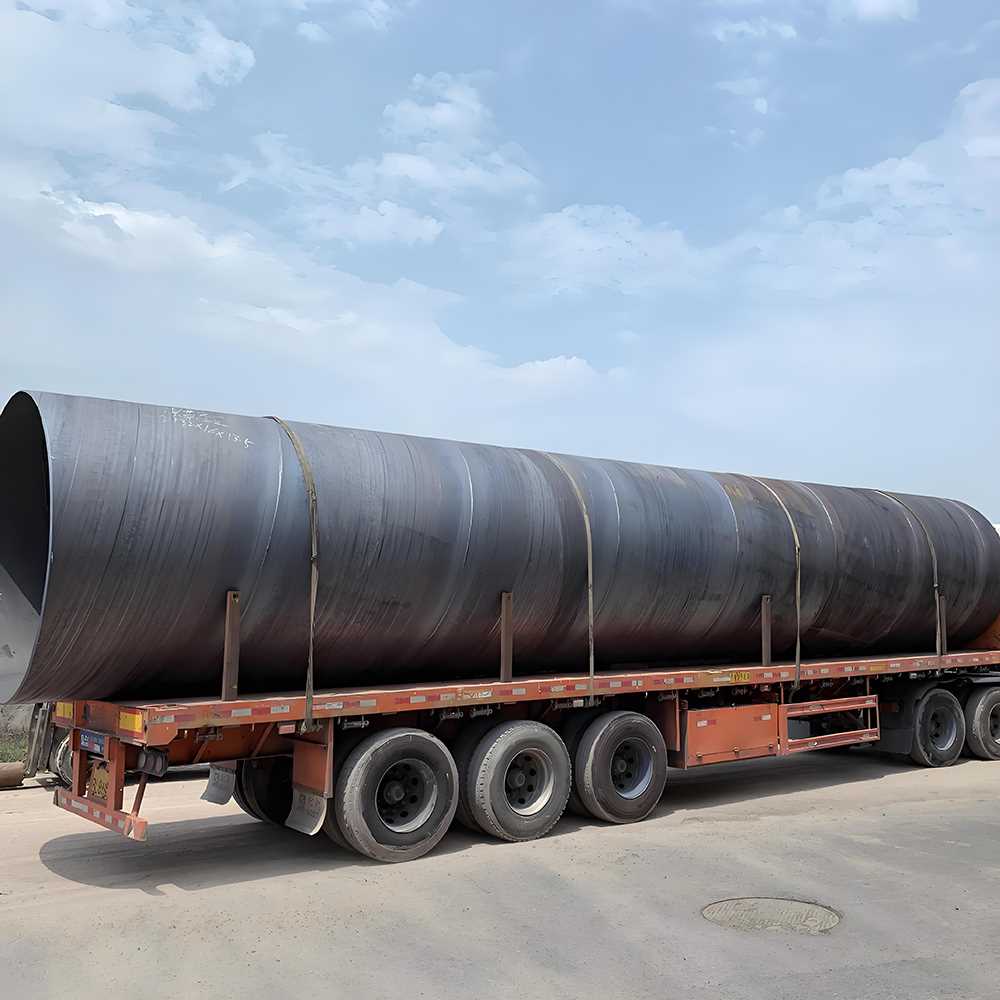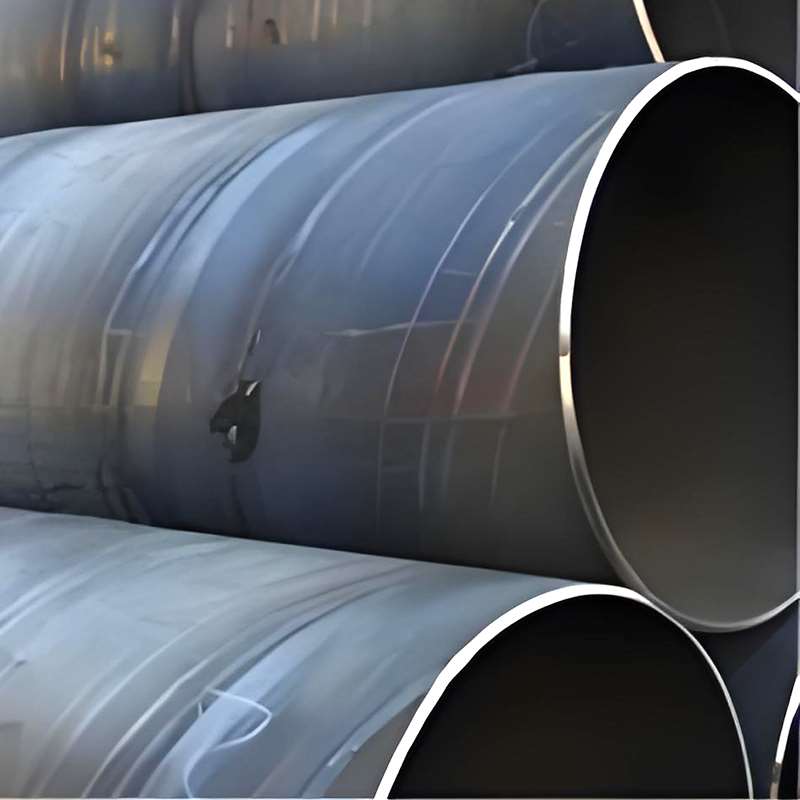
In the energy transportation industry, API 5L is the globally recognized industry standard for pipeline steel pipes. For purchasers, engineers, and project managers, a thorough understanding of the technical details of API 5L welded pipes is not only related to the safety of the project, but also directly affects the cost control and operational life of the project.
I. What is API 5L Welded Steel Pipe?
API 5L is a standard developed by the American Petroleum Institute (API) to provide standards for pipeline systems transporting gas, water, and oil in the oil and gas industry.
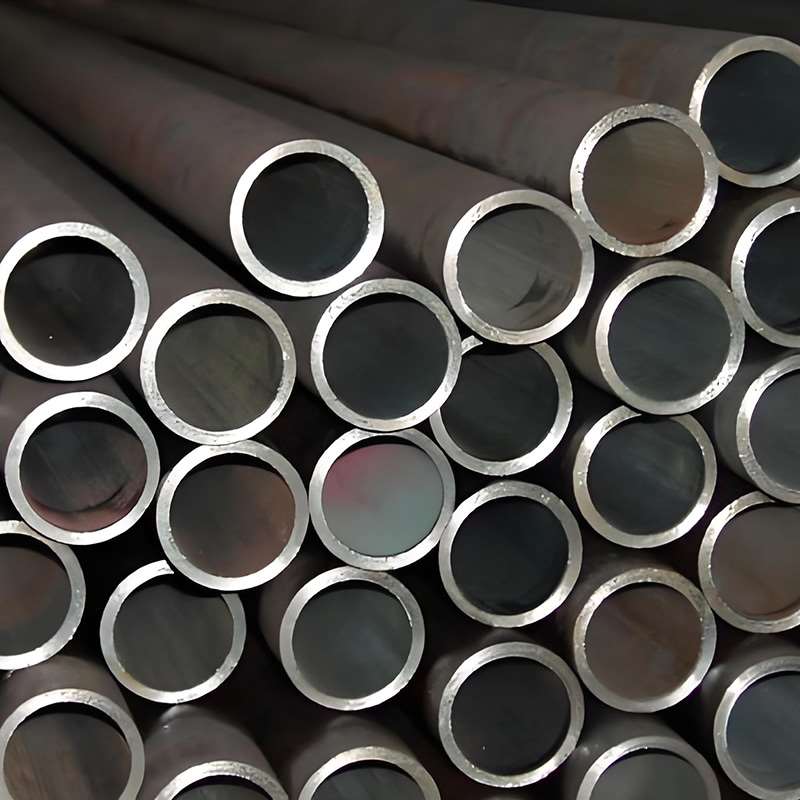
Welded steel pipe refers to steel pipe made by bending steel strips or plates into round, square, or other shapes, and then connecting the joints by welding. Compared to seamless pipe, its biggest advantages are higher production efficiency, more uniform wall thickness, and a significant cost advantage.
II. Core Technical Specifications Analysis
Under the API 5L standard, the technical specifications of welded steel pipes mainly consist of the following core elements:
- Product Specification Level (PSL1 vs PSL2)
This is the most critical indicator during selection:
- PSL1: Basic quality standard, with relatively lenient requirements for chemical composition and mechanical properties, and does not mandate impact toughness testing.
- PSL2: Strict quality standard, adding requirements for fracture toughness (Charpy Impact), mandatory non-destructive testing, and more stringent chemical equivalent control. PSL2 is typically required in acidic environments (Sour Service) or high-pressure transportation.
- Steel Grades
API 5L defines a range of steel grades from low to high, reflecting the material’s yield strength:
- Common grades: Grade B, X42, X46, X52, X56, X60, X65, X70, X80.
- Number Meaning: The number represents the minimum yield strength (in units of 1000 psi). For example, X52 means its minimum yield strength is 52,000 psi (approximately 360 MPa).
- Welding Process Classification
Based on different manufacturing processes, API 5L welded pipes are mainly classified as follows:
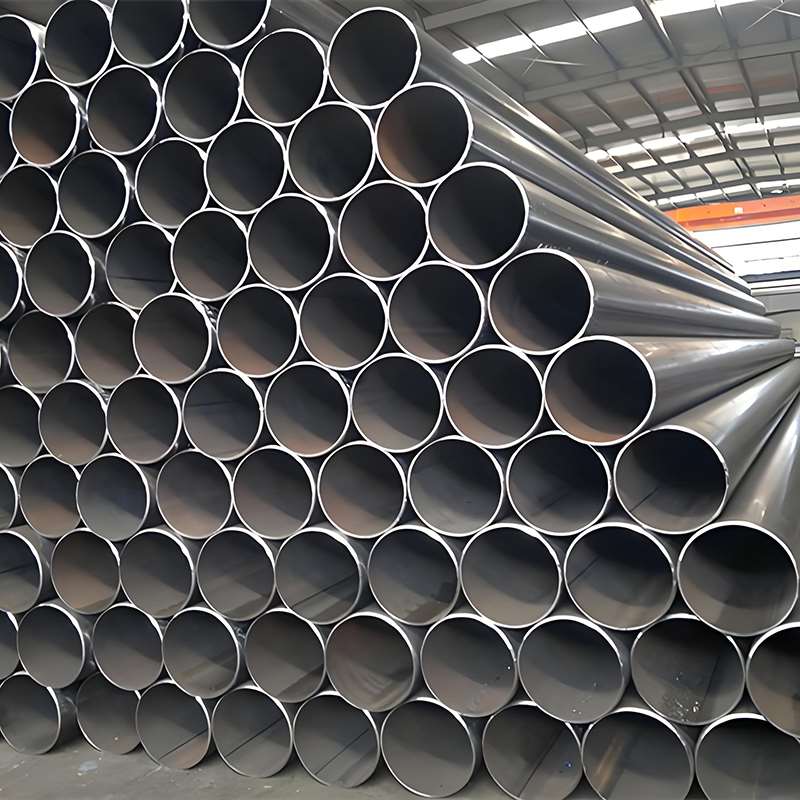
- ERW (Electric Resistance Welding): Resistance welding, mainly used for small and medium diameters, low cost.
- LSAW (Longitudinal Submerged Arc Welding): Longitudinal submerged arc welding, suitable for large diameter, thick-walled pipes.
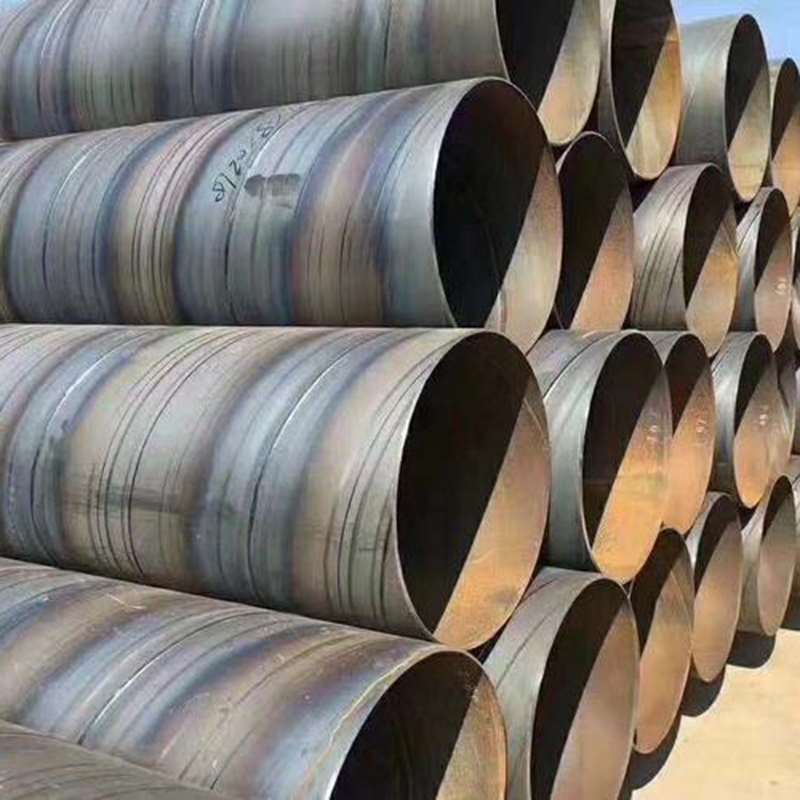
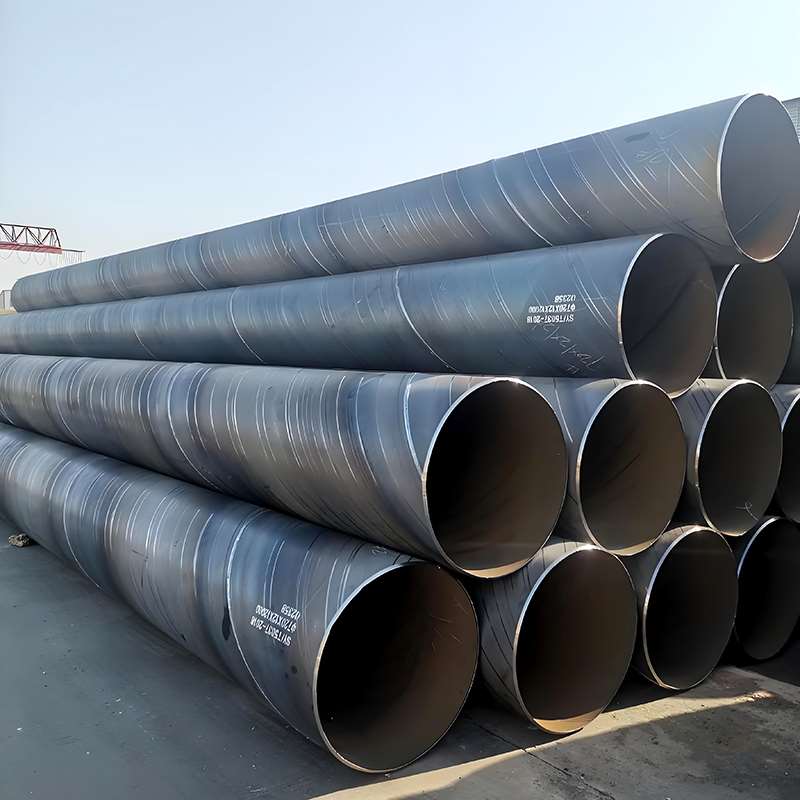
SSAW (Spiral Submerged Arc Welding): Spiral submerged arc welding, using spiral forming welding, can produce large diameter pipes with narrower steel strips.
III. Chemical Composition and Mechanical Properties
- Chemical Composition Table
| Grade (Grade) | Carbon (C) | Manganese (Mn) | Phosphorus (P) | Sulfur (S) | Carbon Equivalent (CEpcm) |
|---|---|---|---|---|---|
| L245 / Grade B | 0.22 | 1.20 | 0.025 | 0.015 | 0.25 |
| L290 / X42 | 0.22 | 1.30 | 0.025 | 0.015 | 0.25 |
| L360 / X52 | 0.22 | 1.40 | 0.025 | 0.015 | 0.25 |
| L415 / X60 | 0.12* | 1.60 | 0.025 | 0.015 | 0.25 |
| L450 / X65 | 0.12* | 1.60 | 0.025 | 0.015 | 0.25 |
- Mechanical Properties Table
| Grade (Grade) | Yield Strength Rt0.5 (MPa) | Tensile Strength Rm (MPa) | Yield-to-Tensile Ratio (max) | Elongation Af (%) |
|---|---|---|---|---|
| L245 / Grade B | 245 – 450 | ≥ 415 | 0.93 | Calculated based on wall thickness |
| L290 / X42 | 290 – 495 | ≥ 415 | 0.93 | Calculated based on wall thickness |
| L360 / X52 | 360 – 530 | ≥ 460 | 0.93 | Calculated based on wall thickness |
| L415 / X60 | 415 – 565 | ≥ 520 | 0.93 | Calculated based on wall thickness |
| L450 / X65 | 450 – 600 | ≥ 535 | 0.93 | Calculated based on wall thickness |
- Summary of the main technical differences between PSL1 and PSL2
| Characteristic Item | PSL1 (Basic Grade) | PSL2 (Strict Grade) |
|---|---|---|
| Chemical composition | Only specifies C, Mn, P, S | More stringent requirements, including mandatory carbon equivalent (CE) |
| Mechanical properties | Only tensile and yield strength required | Adds yield-to-tensile ratio limits and impact toughness requirements |
| Non-destructive testing (NDT) | Mandatory only under specific conditions | Mandatory full-length inspection |
| Traceability | Basic records | Full traceability from steelmaking to finished product |
| Weld inspection | Sampling inspection | 100% radiographic or ultrasonic testing required |
IV. Key Quality Inspections
To ensure that every API 5L welded steel pipe can withstand harsh service environments, it must undergo the following inspections:
- Hydrostatic Test: Each pipe must undergo a pressure test to ensure no leakage under the specified pressure.
- Non-destructive Testing (NDT): Includes ultrasonic testing (UT), X-ray inspection (RT), and magnetic particle testing, with a focus on inspecting weld defects.
- Dimensional Inspection: Strict control over outer diameter (OD), wall thickness (WT), roundness, and straightness.
- Flattening/Flanging Test: Verifies the reliability of the weld under stress, ensuring the weld does not crack.
V. Application Areas
API 5L welded steel pipes are widely used in:
- Long-distance pipelines: Backbone networks for transnational natural gas and crude oil transportation.
- Urban pipelines: Urban natural gas distribution systems.
- Offshore engineering: Submarine pipelines and internal transportation within offshore platforms.
- Structural applications: Due to its high strength, it is also commonly used in wharf foundations and large steel structures.