A common misconception during pipeline material selection is: “Seamless pipes are always better than spiral welded steel pipes.” Such blanket assumptions can significantly inflate project costs and may even disrupt construction schedules if the wrong specification is chosen.
This guide provides a detailed comparison of Spiral Submerged Arc Welded (SSAW) steel pipes and seamless steel pipes across manufacturing processes, core performance characteristics, and cost considerations, offering a pragmatic reference for material selection in real-world engineering projects.
I. Manufacturing Process and Appearance Differences
1. Spiral Welded Steel Pipes (SSAW)
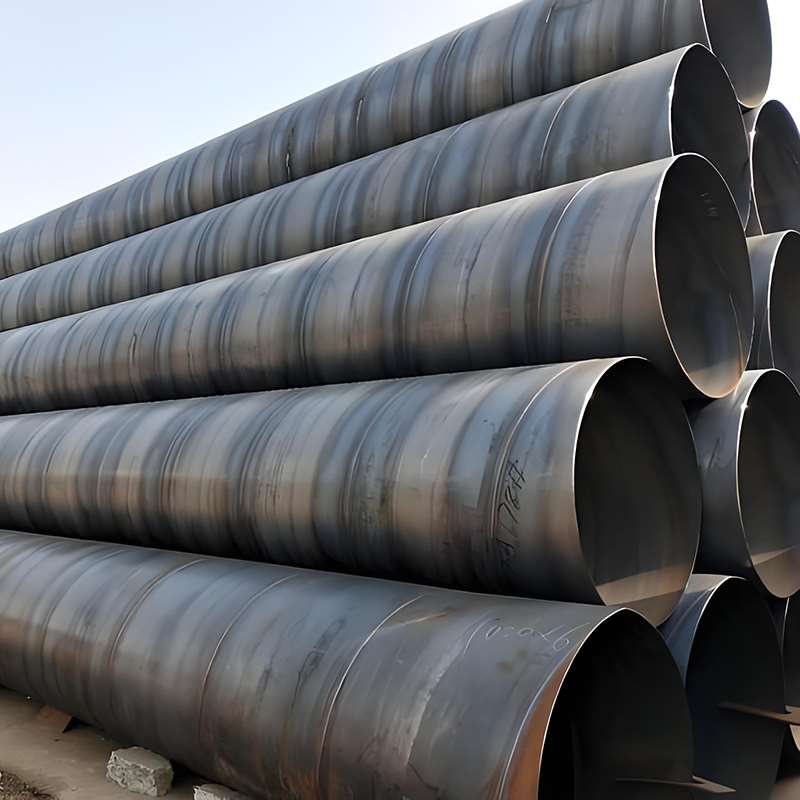
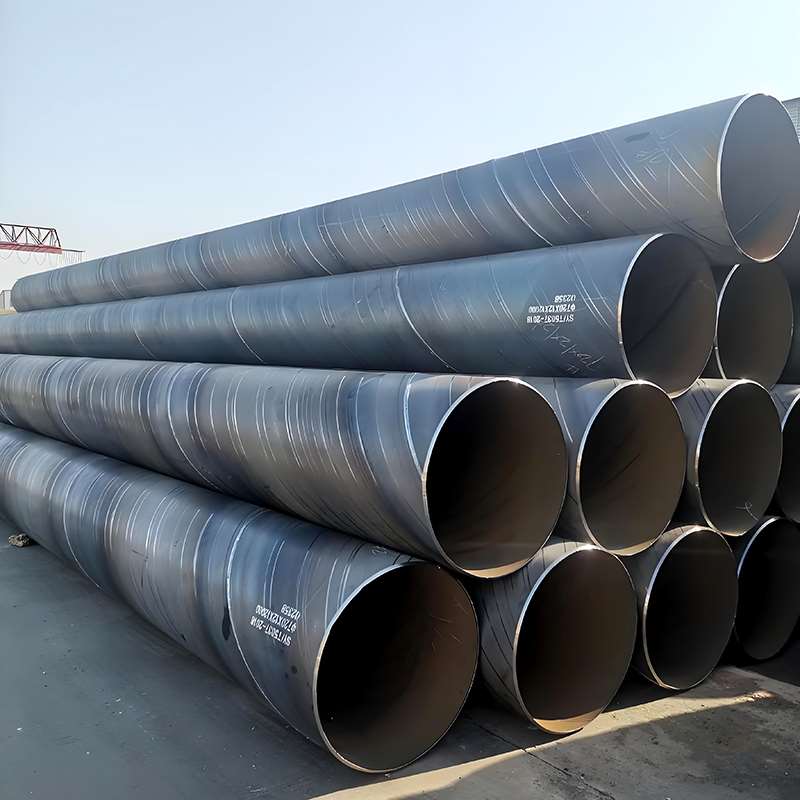
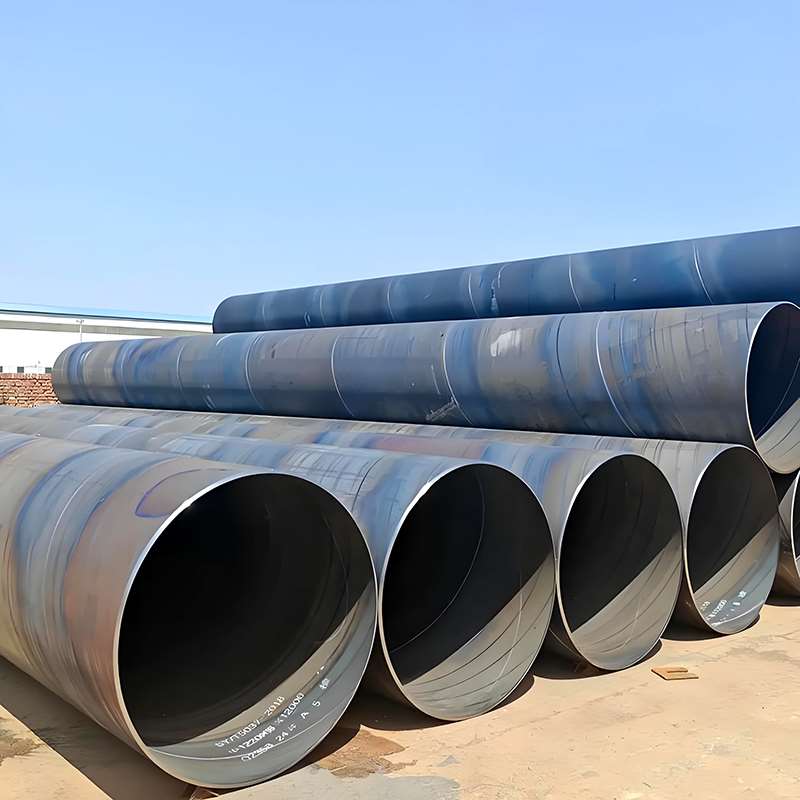
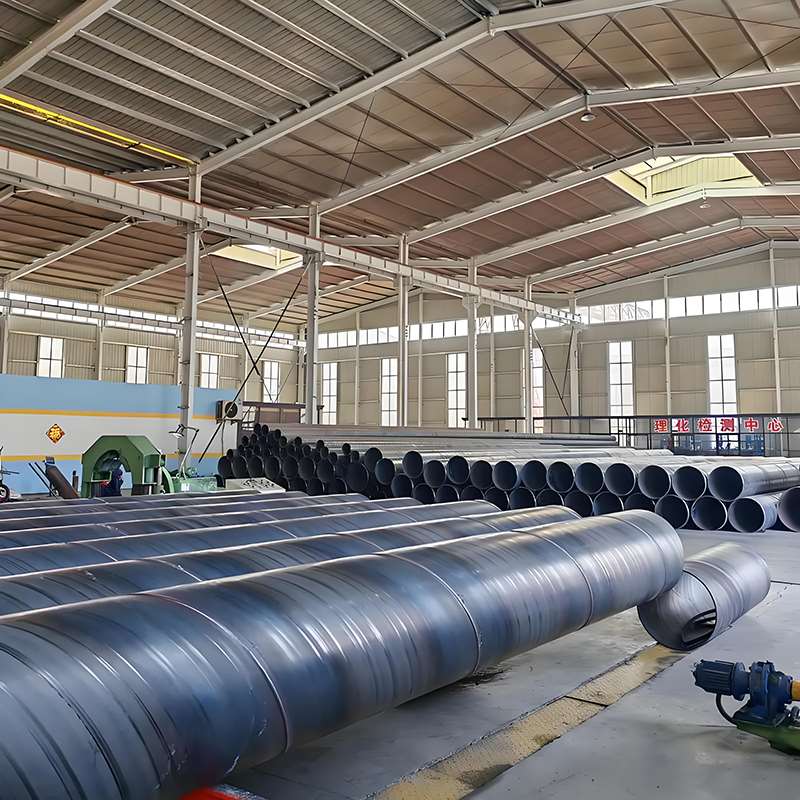
SSAW pipes are manufactured from hot-rolled steel coils. At ambient temperature, the steel strip is formed into a cylindrical shape at a specific spiral angle, and the seam edges are heated and fused using submerged arc welding for both inner and outer seams.
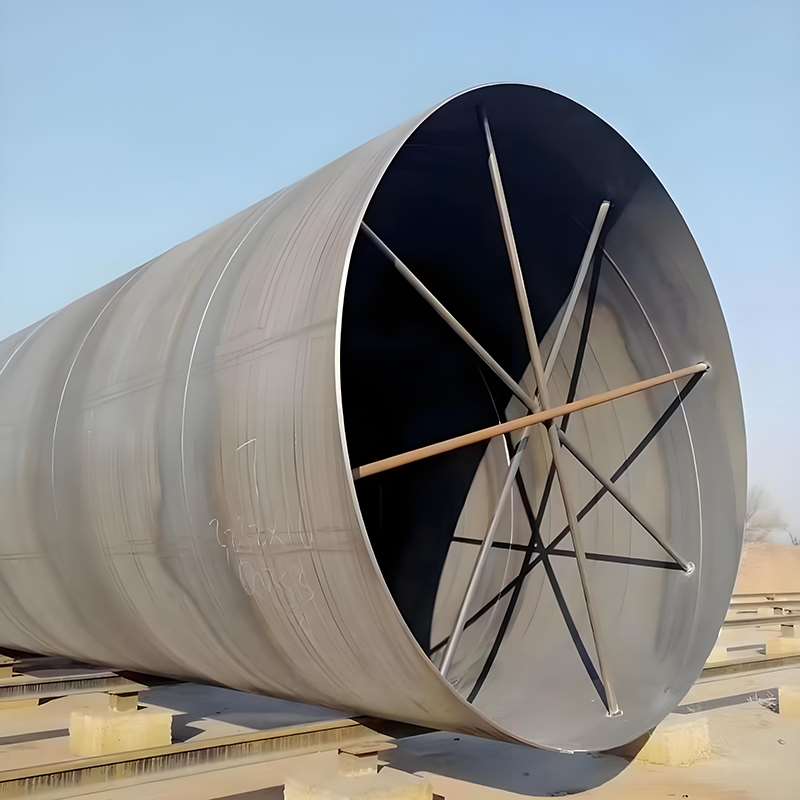
- Visual Feature: The pipe surface features a helical seam that winds around the cylinder like a spring.
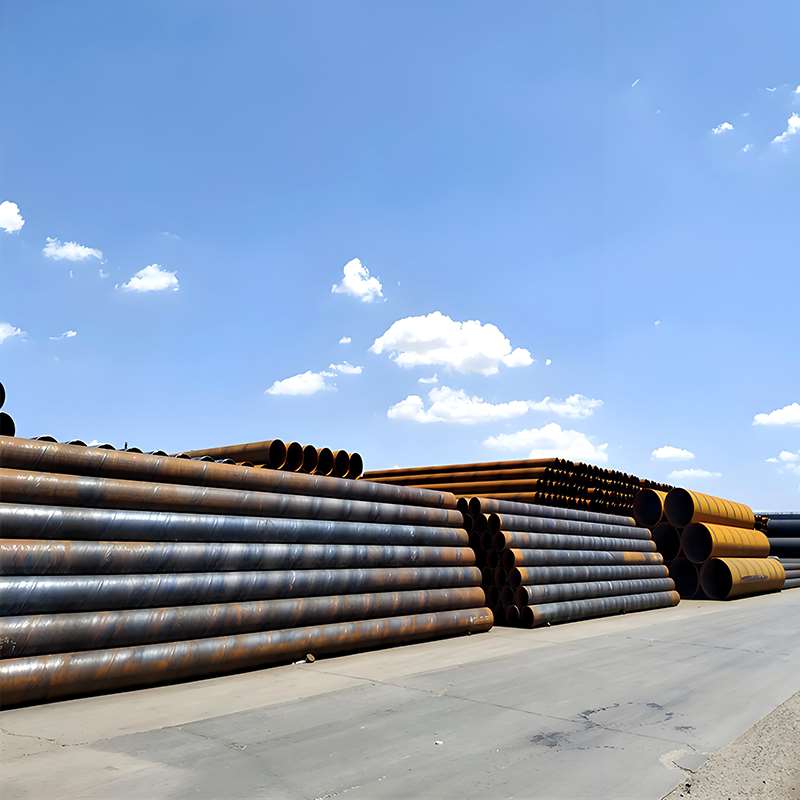
- Production Advantage: By using steel coils of fixed width and adjusting the forming angle, a wide range of diameters can be produced. This makes SSAW pipes particularly suitable for large-diameter applications.
2. Seamless Steel Pipes
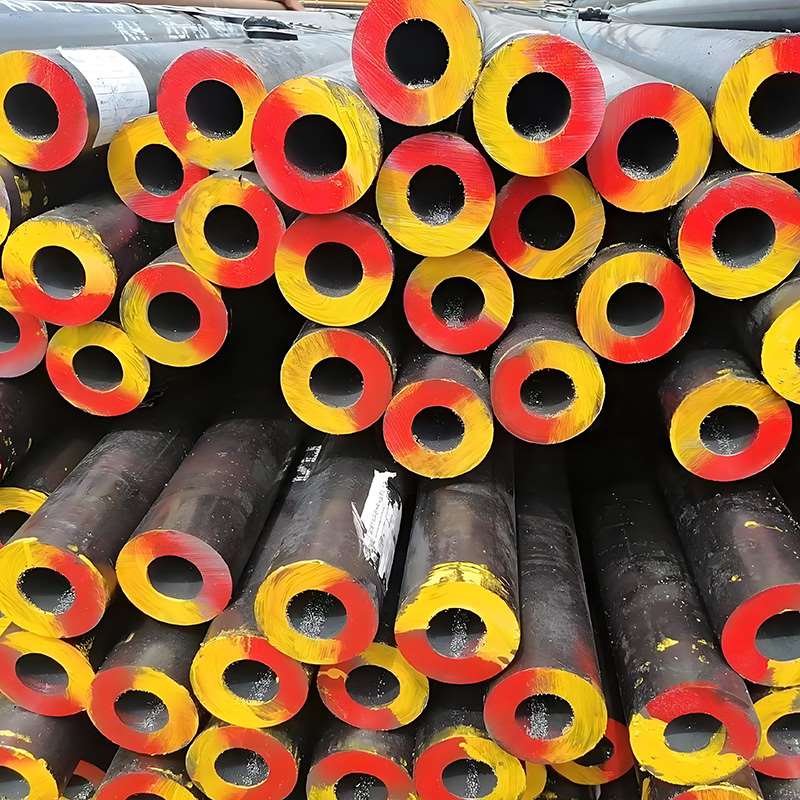
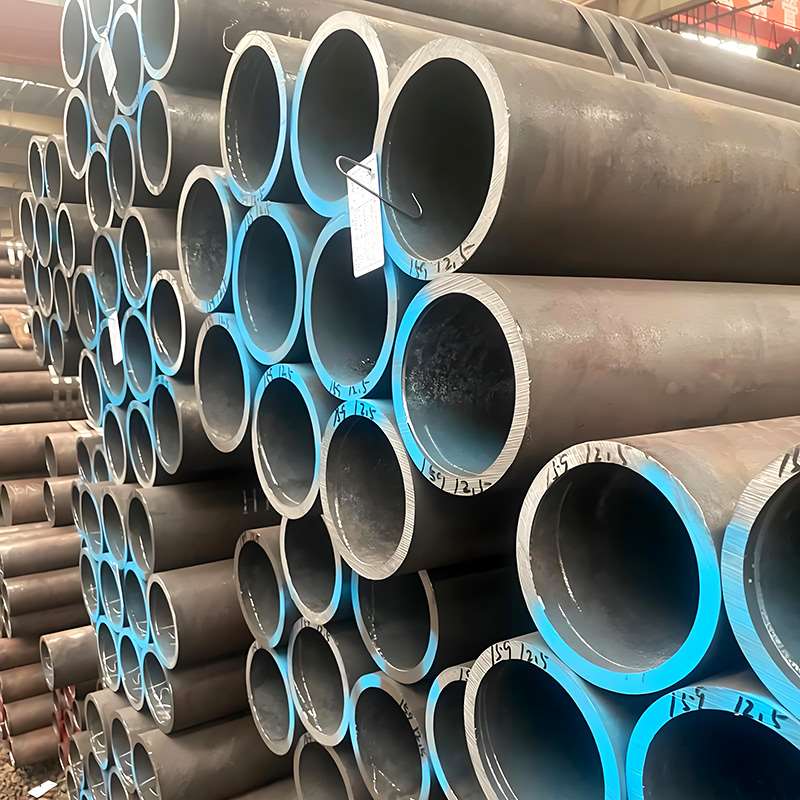
Seamless pipes are produced from solid round billets. The billets are pierced to form a hollow shell, which is then elongated, reduced in wall thickness, and sized via hot rolling, cold drawing, or cold rolling processes.
- Visual Feature: Seamless pipes are solid, continuous cylinders with no weld lines.
- Production Characteristics: The manufacturing process is more complex and requires high-end equipment. As diameter increases, maintaining uniform wall thickness and meeting equipment capacity limits becomes exponentially challenging. Seamless pipes are thus better suited for small- to medium-diameter, high-wall-thickness applications.
II. Welds: Advantages and Limitations
The presence or absence of a weld directly affects mechanical properties and safety performance.
1. Pressure Resistance and Safety Margin
- Seamless Pipes: Without welds as potential weak points, mechanical properties are highly uniform in all directions. They exhibit excellent stability and creep resistance under high or ultra-high pressure, extreme temperatures, or low-temperature impact. In pressure pipeline design, seamless pipes often allow higher safety and resistance coefficients.
- SSAW Pipes: Modern submerged arc welding can achieve weld strengths close to or matching the base metal. However, residual stresses remain in the weld, and it represents a geometric discontinuity. Excessive fluid pressure or severe water hammer may increase the likelihood of cracking at the weld and heat-affected zones compared to the pipe body.
2. Dimensional Accuracy
- SSAW Pipes: The use of uniform-thickness steel coils ensures highly consistent wall thickness and tight outer diameter tolerances, resulting in excellent roundness.
- Seamless Pipes: During hot-rolling and piercing, wall-thickness deviations (“eccentricity”) can occur. Although generally within standard tolerances, uniformity is typically lower than that of welded pipes made from precision-rolled coils.
III. Cost Comparison and Project Budget Impact
In practical projects, technical selection is inseparable from financial considerations. The cost structures of SSAW and seamless pipes differ markedly:
| Comparison Dimension | SSAW (Spiral Welded) | Seamless |
|---|---|---|
| Raw Material & Processing | Hot-rolled steel coil, highly efficient continuous production | Round billet, pierced and rolled through multiple steps, labor- and equipment-intensive |
| Unit Price per Ton | Competitive, cost-effective | Higher; 30–80% more expensive, sometimes double the price of SSAW |
| Custom Diameter & Length | Very flexible, capable of ultra-large diameters (Φ2020 mm or larger) | Limited; large diameters expensive, long lengths (>12 m) difficult to produce |
IV. Typical Engineering Applications
Performance and cost differences have led to clear application preferences:
1. SSAW Pipes
Large-diameter, long-distance, and cost-sensitive applications include:
- Medium- to large-scale water projects: municipal water mains, water diversion systems, agricultural irrigation networks (diameters 1–3 m+, pressures typically <2.5 MPa). SSAW pipes can meet structural requirements while saving millions in material costs.
- Low-pressure oil & gas pipelines: medium- to low-pressure onshore gas collection lines and crude oil transmission mains.
- Structural and piling applications: large-diameter SSAW pipes provide high bending resistance and stiffness, making them ideal for port wharves, bridge and dam foundations, high-rise structural columns, and elevated walkway supports in scenic areas.
2. Seamless Pipes
High-safety and extreme-condition applications include:
- High-pressure / ultra-high-pressure boilers and power plants: superheater and high-temperature steam pipelines requiring CrMo or alloy seamless pipes.
- Oil & gas exploration and refining: well casings, drill pipes, and high-pressure refinery piping are exposed to extreme torque, formation pressures, flammable/corrosive media — seamless pipes are mandatory.
- Urban high-pressure gas networks: pipelines through densely populated areas are often mandated to be seamless for safety compliance.
- Mechanical and hydraulic systems: drive shafts, hydraulic cylinders, and crane booms under high cyclic loads require seamless pipe integrity.
V. Practical Selection Recommendations
For engineering procurement or design confirmation, follow these three decision steps:
Step 1: Evaluate Pipe Diameter
- OD ≤ Φ219 mm → Prioritize seamless pipes. Medium and small diameters have abundant supply, standard specifications, and the price difference has minimal impact on total project cost, offering higher safety margins.
- OD ≥ Φ508 mm → Prefer SSAW pipes if design pressure permits. Large-diameter seamless pipes are costly and difficult to source; some diameters are even challenging to produce domestically.
Step 2: Consider Operating Pressure and Medium
- Ordinary fluids (water, air, slurry) / low pressure (≤1.6 MPa) → SSAW with proper internal lining (e.g., IPN8710 or cement mortar) is economical and practical.
- High-risk media (high-pressure gas, toxic chemicals, high-temperature steam) / high pressure (≥4.0 MPa) → Use high-standard seamless or LSAW pipes. Avoid SSAW whenever possible.
Step 3: Assess Total Cost and Corrosion Protection
- Long-distance projects involve material costs, corrosion protection (3PE, FBE), and on-site welding.
- SSAW pipes’ spiral welds require skilled field welding and may create micro-gaps at the edges of external coatings; mature corrosion protection contractors are recommended.
- Seamless pipes have smooth surfaces, simplifying coating and welding but with higher raw material costs. Always calculate material + corrosion protection + installation to compare total project cost.
Conclusion
SSAW and seamless pipes are not a matter of better or worse—each has distinct applications:
- SSAW Pipes: Ideal for large-diameter, long-distance pipelines such as water supply, drainage, gas distribution, and structural foundations. Advantages include large diameter capability, cost efficiency, and suitability for municipal or general engineering projects.
- Seamless Pipes: Best suited for high-pressure, high-temperature, or high-safety environments like petroleum, chemical, or specialized high-pressure transport systems. Weld-free construction ensures higher structural integrity and safety.
In procurement, avoid blindly assuming “seamless is always best” or selecting SSAW solely based on price. Selection should be guided by project-specific conditions: pressure, transported medium, pipe diameter, and budget.
In short: The best pipe is the one that fits your project requirements.