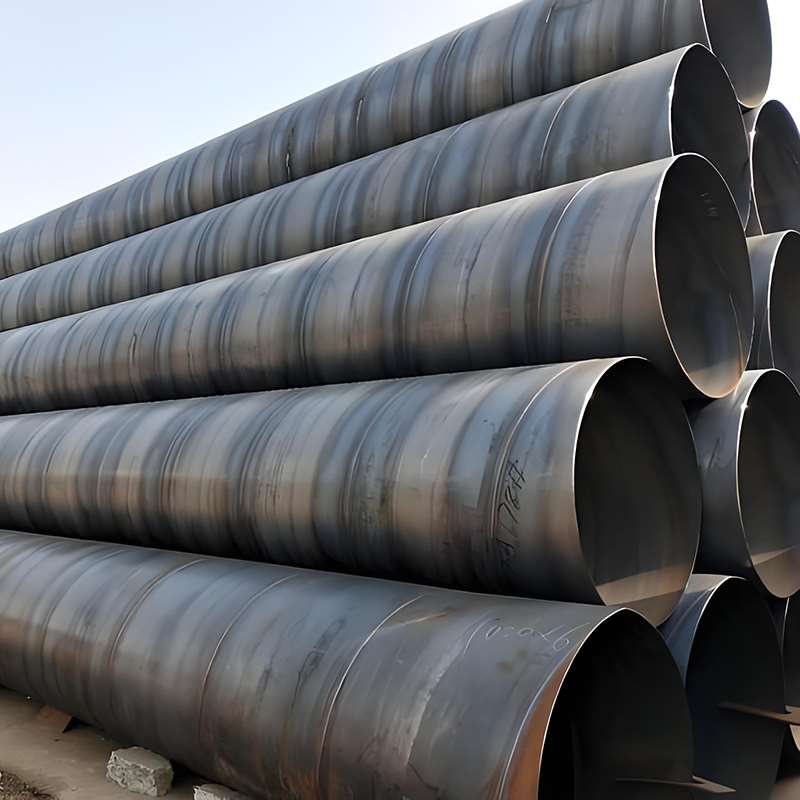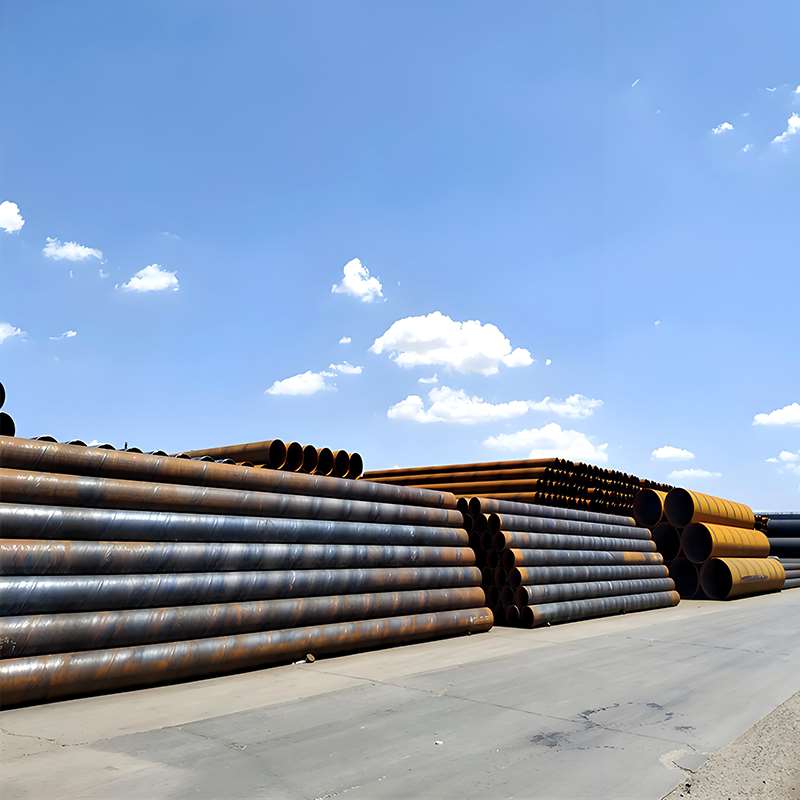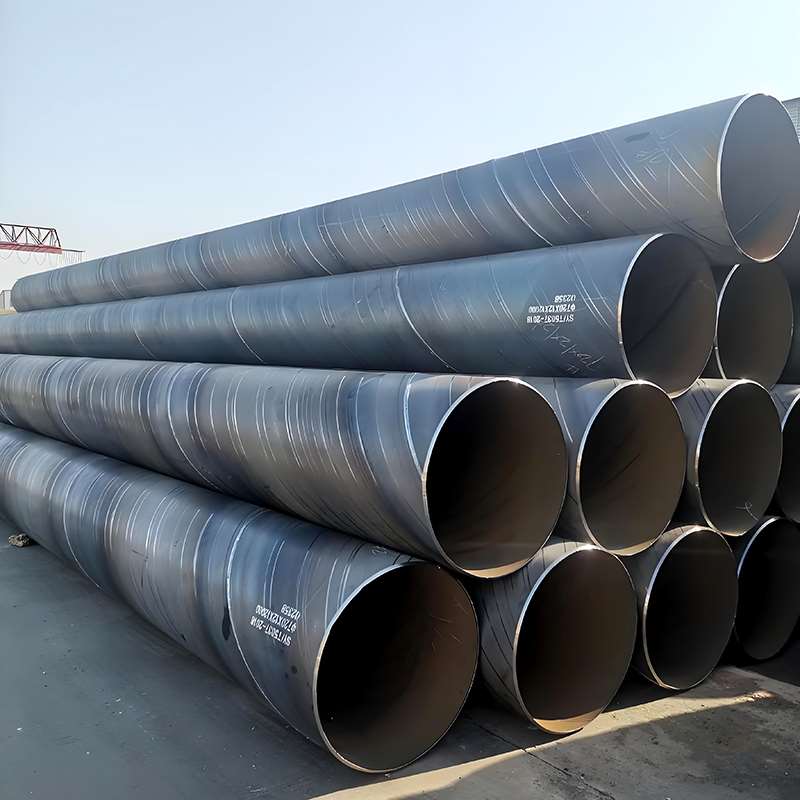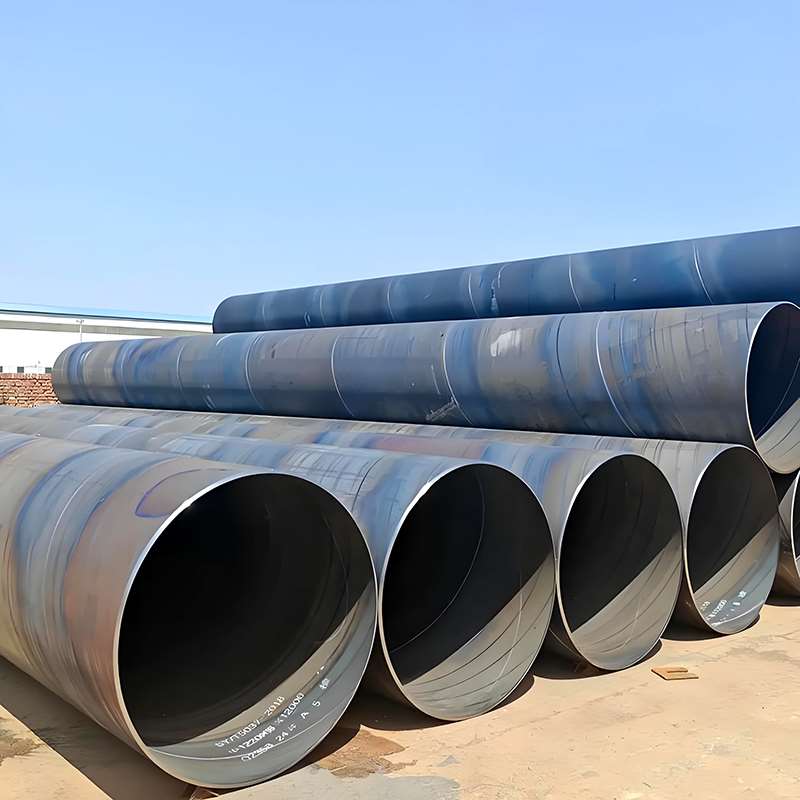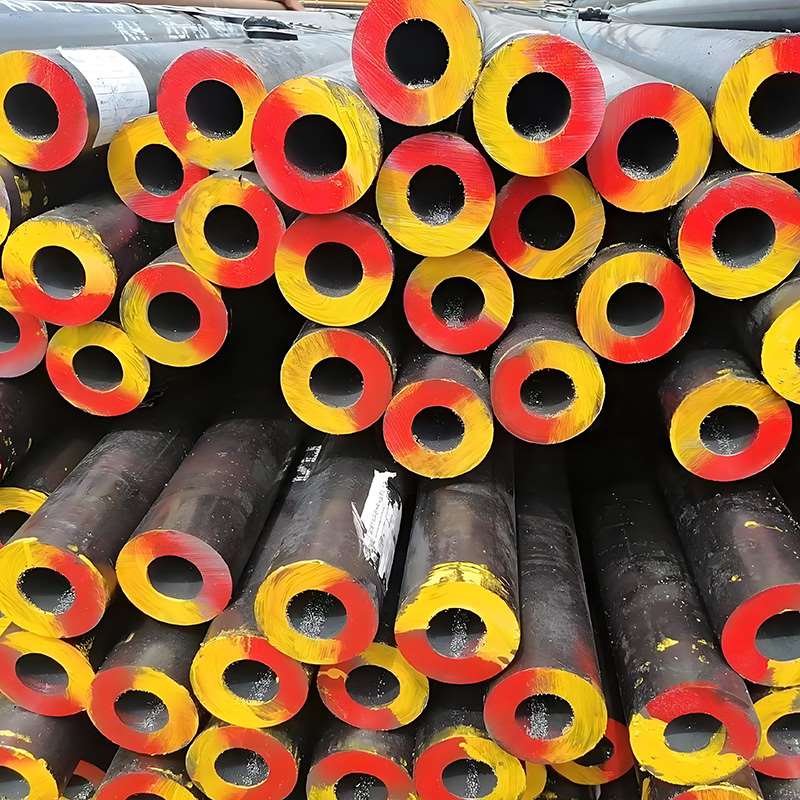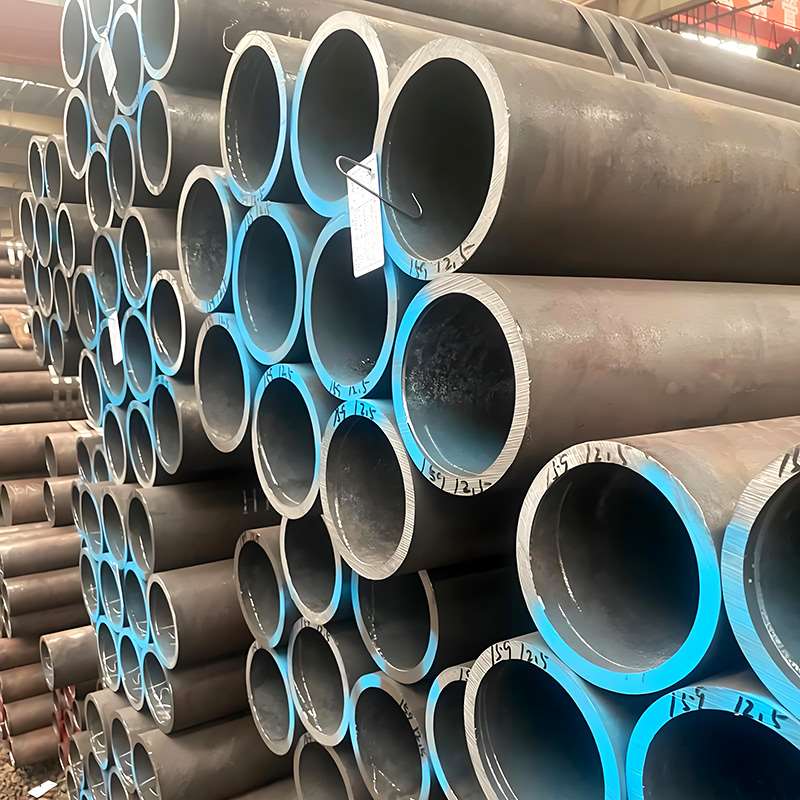
SSAW (Spiral Submerged Arc Welded) steel pipes are widely used in pile foundation construction, district heating, long-distance water transportation, and oil & gas pipelines due to their cost-effectiveness and broad range of specifications. However, during procurement and tendering, buyers often face a frustrating problem: prices for the same pipe specification can vary by hundreds or even thousands of RMB per ton between suppliers.
At first glance, the lowest price seems attractive, but in the steel pipe industry, “you get what you pay for” is a universal rule. Blindly choosing the cheapest offer can result in serious issues such as insufficient wall thickness, failed weld inspections, or delaminated anti-corrosion coatings, potentially causing project delays, rework, and significant losses.
How can buyers objectively and scientifically compare SSAW steel pipe prices without compromising quality? The following is a ready-to-use four-step price comparison method.
I. Standardize the Quotation Basis to Avoid Misleading Comparisons
Suppliers may quote based on theoretical weight or actual weight, include taxes or shipping, or quote Ex-Works (EXW), FOB, or DDP. Step one in price comparison is to align all quotes on the same basis.
1. Theoretical Weight vs. Actual Weight
- Theoretical Weight: Calculated according to national standards. Due to permissible negative tolerances in wall thickness, theoretical weight is typically 3%–8% higher than the actual weight.
- Actual Weight (Weighed): The pipe’s true weight measured on a scale.
Tip: Require all suppliers to quote based on the same weight method. If quoting by theoretical weight, the unit price should be lower; if quoting by actual weight, the price is usually higher. The most reliable approach is to convert all quotes to “actual weight net price per ton” for comparison.
2. Shipping and Taxes
Steel pipes are bulky and heavy, with shipping costs often accounting for 5%–10% of total cost. Clarify whether the quote is EXW, FOB, or DDP (delivered duty paid to site).
- For domestic transactions, a 13% VAT invoice is usually required; include tax in total price comparison.
II. Break Down the Price Structure: Identify Where “Low Cost” Comes From
When a supplier’s price is significantly below market average, dig into these three key cost components:
1. Raw Material Grade (Steel Coil)
Steel coil accounts for over 80% of the total SSAW pipe cost.
- Top-tier mills (e.g., Baowu Steel, Ansteel, Shougang, Jianlong) are more expensive but offer stable chemical composition and superior toughness.
- Lower-grade or small-mill materials may be cheaper but risk uneven thickness, inconsistent hardness, or other quality issues.
Tip: Specify in the inquiry:
“Only steel from top domestic mills is acceptable, with original MTCs provided with delivery.”
Never allow suppliers to use unknown or low-grade steel to undercut prices.
2. Quality Control and Inspection Costs
Reputable manufacturers conduct:
- 100% full-length automatic ultrasonic inspection
- X-ray spot checks
- 100% hydrostatic testing per pipe (≥5 seconds pressure hold)
These require significant investment in equipment depreciation, electricity, and labor. Some ultra-low-cost workshops skip hydrostatic testing or operate inspection machines without actually testing.
Tip: Ensure quotes explicitly include inspection costs and the commitment to provide third-party inspection reports. Extremely low prices usually indicate cost-cutting in quality control.
3. Labor and Process Quality
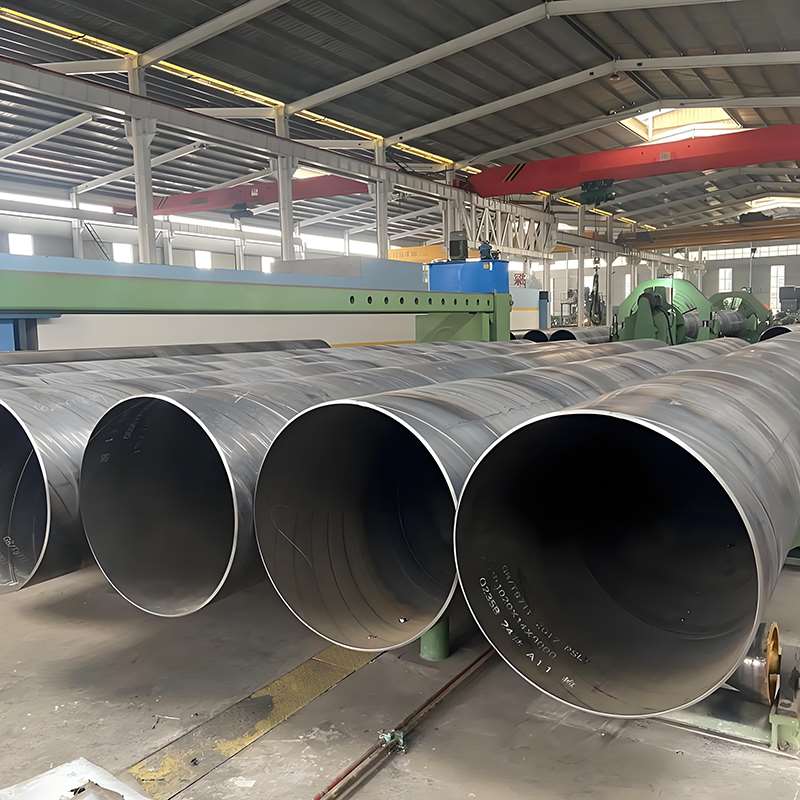
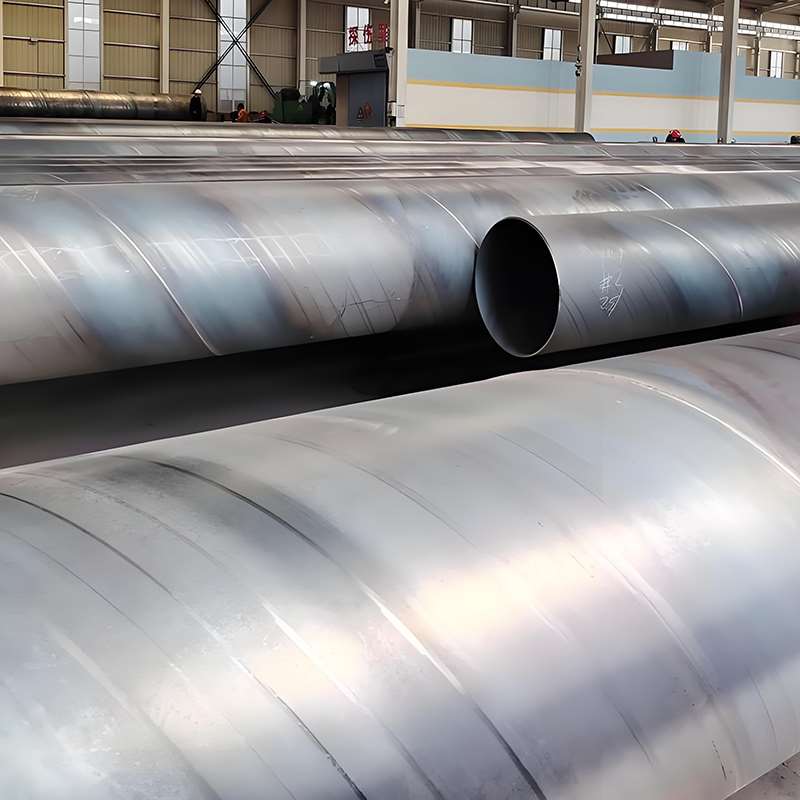
High-end factories invest in professional forming machines and dual-sided automatic SAW, with precise chamfering of pipe ends. Low-cost suppliers may manually cut pipe ends, causing uneven surfaces and slower welding on site, increasing indirect project costs.
III. Compare Product Tolerances: Smaller Negative Tolerances Mean Higher Value
SSAW pipe standards, whether GB/T 9711, GB/T 3091, or international (API 5L, ASTM A252), allow wall thickness and outer diameter tolerances (commonly referred to as “negative deviation” or “down tolerance”).
1. Wall Thickness Tolerance
For example, for an OD 820 mm, WT 10 mm pipe:
- Supplier A: Strictly controls wall thickness, actual WT 9.75 mm (within standard).
- Supplier B: Skims the lower limit, actual WT 9.2 mm (barely compliant in some standards).
Result: Supplier B appears cheaper per meter due to thinner steel, but real material consumption may be higher, and the thinner wall creates safety risks.
Tip: Specify the maximum allowable negative tolerance in the inquiry, e.g.:
“Wall thickness negative tolerance must not exceed ±5% or ±0.5 mm.”
2. Pipe End and Weld Quality
High-end factories use automatic forming and SAW machines, and chamfer pipe ends with specialized machines for precise bevels. Low-cost suppliers may manually cut ends, creating uneven surfaces that slow on-site welding and increase consumables usage—an additional hidden cost.
IV. Account for Additional Services: Anti-Corrosion & Insulation Must Be Included in Total Price
Most SSAW pipes are not directly buried as bare pipes; they often require coating (3PE, epoxy coal tar, internal/external epoxy powder) or polyurethane insulation.
1. Surface Rust Removal (Sa 2.5)
Coating quality depends 70% on surface preparation, 30% on coating material. Reputable factories use large shot blasting machines to achieve Sa 2.5 grade before coating. Small workshops may paint over poorly prepared surfaces, causing premature coating delamination within a couple of years.
2. Integrated vs. Split Supply
- Integrated supplier: Produces bare pipes and applies anti-corrosion/insulation in-house; total price is all-inclusive.
- Split supply: Bare pipes from Factory A transported to Factory B for coating.
Tip: Compare total delivered cost including bare pipe, secondary transport, and coating. Integrated suppliers often offer more competitive total pricing, and accountability for quality issues is clear, avoiding disputes between multiple parties.
This four-step method allows procurement teams to objectively evaluate SSAW spiral steel pipe prices while ensuring quality, safety, and long-term cost-effectiveness.