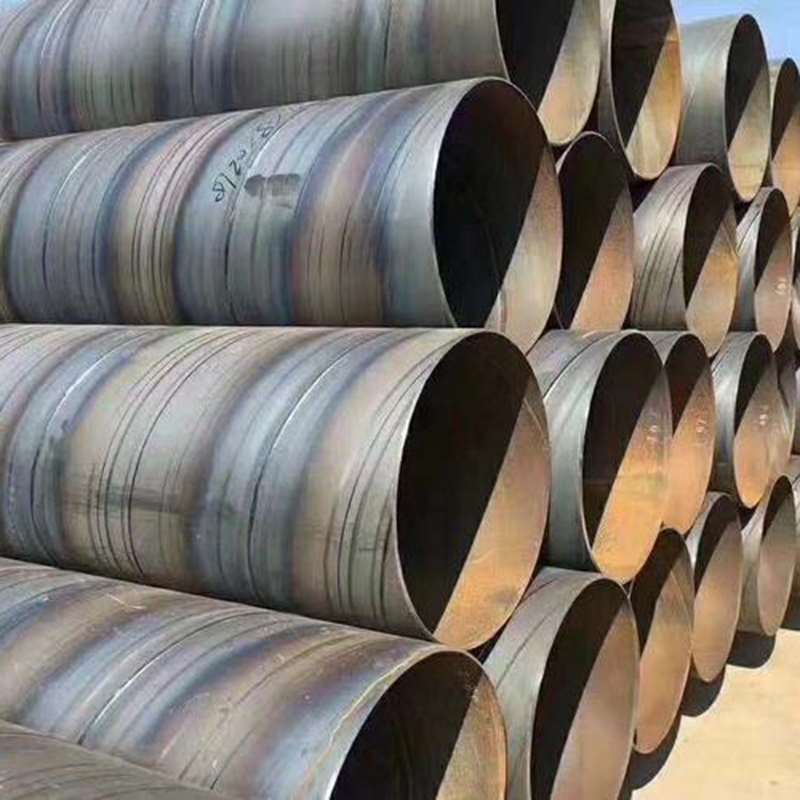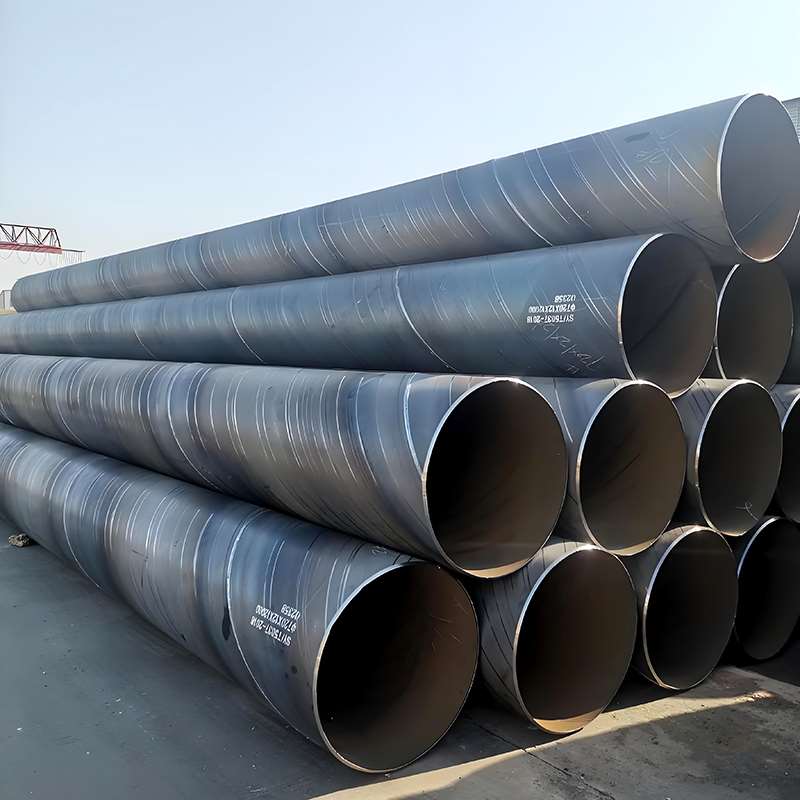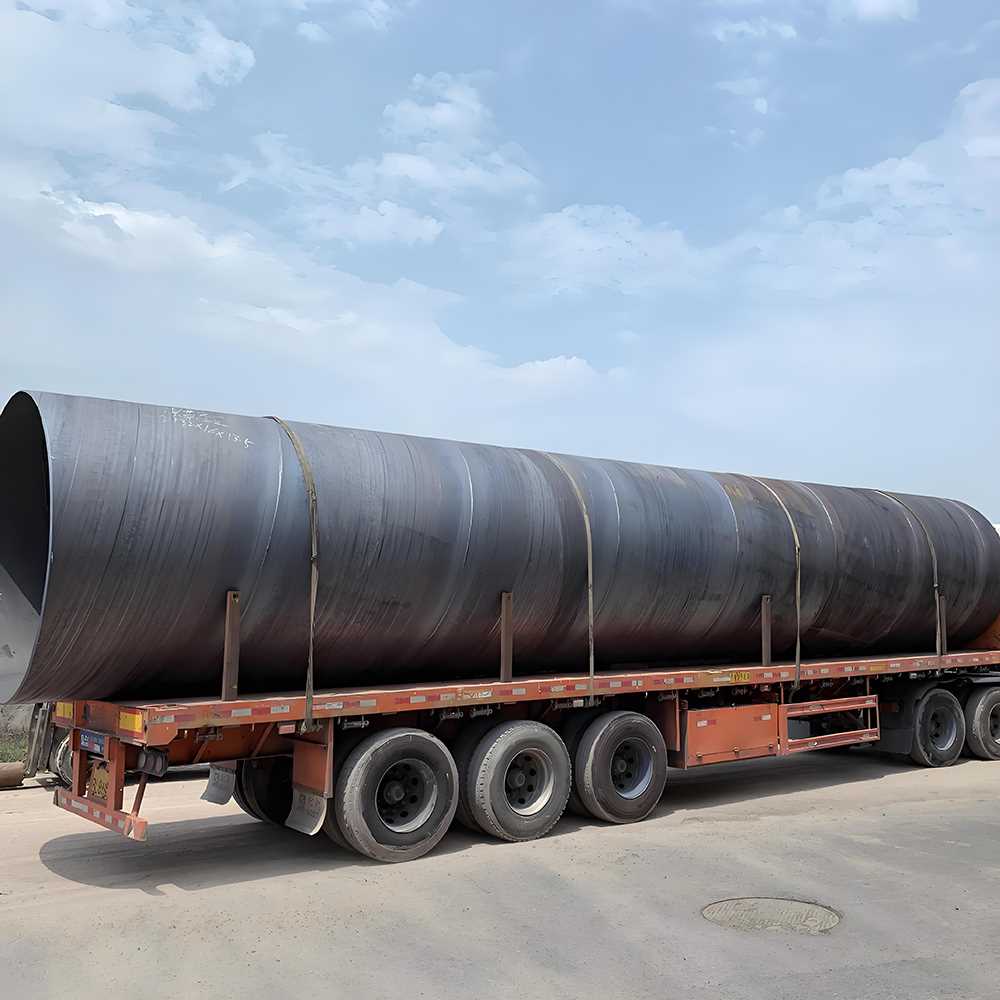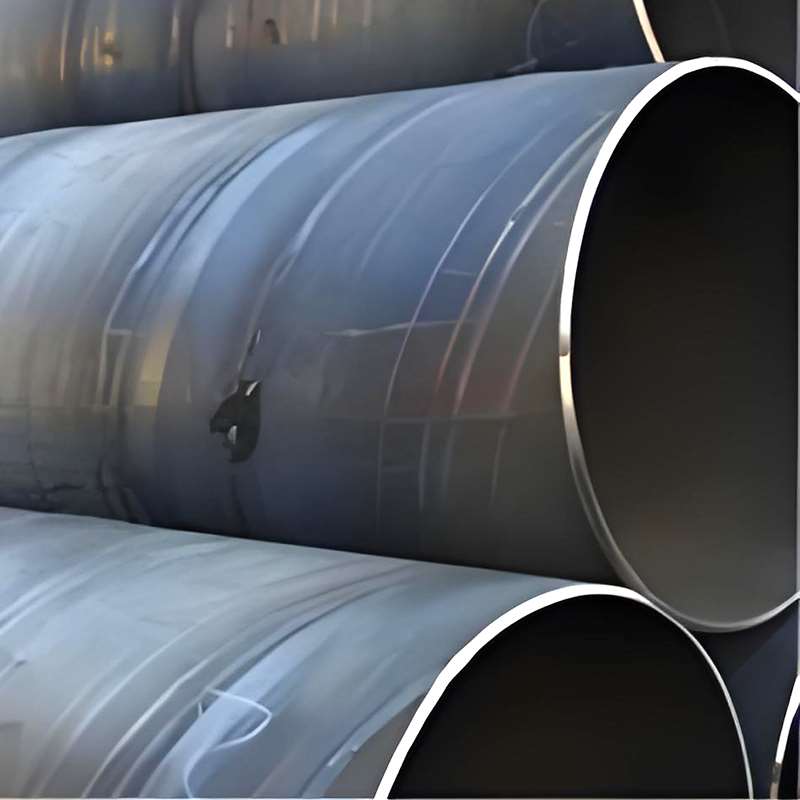
Bulk procurement of SSAW (Spiral Submerged Arc Welded) steel pipes often represents a significant project investment. Given their widespread use in water and gas transportation, district heating networks, and piling construction, any quality issues can not only increase subsequent maintenance costs but also cause project delays and even compromise overall safety.
Therefore, before placing a large-scale order, buyers must first verify the manufacturer’s quality reliability. Fortunately, this process does not need to be complicated. By following a few simple, practical steps, one can quickly assess a SSAW steel pipe manufacturer’s true production and quality control capabilities.
I. Understanding Material Certificates and Test Data
Before production or order placement, it is recommended to request the manufacturer’s Material Test Certificate (MTC) or inspection reports of similar products. When necessary, requesting sample pipes is also advisable. Focus on the following aspects:
1. Mechanical Properties Compliance
- Tensile Test: Determines whether the pipe’s strength meets project requirements.
- Impact Test: Assesses the risk of brittle fracture under low-temperature or high-stress conditions.
In simple terms: the steel must be both strong and tough, capable of withstanding real-world project pressures.
2. Dimensional Stability
- Wall Thickness Uniformity: Measure multiple points using thickness gauges to avoid localized under-thickness.
- Misalignment Tolerance: Check for uneven weld seams or “bevel nibbling.”
- Straightness: Inspect the pipe for bends or deformation.
These factors directly affect on-site installation and welding quality.
3. Weld Quality (Non-Destructive Testing)
- Ultrasonic Testing (UT)
- Radiographic Testing (RT)
Think of this as performing “ultrasound and X-ray checks” on the pipe to detect porosity, slag inclusions, or incomplete penetration.
4. Hydrostatic Pressure Test
Hydrostatic testing is the most direct factory quality inspection. Each pipe must withstand high-pressure water tests for a specified duration without leakage.
Recommended documentation from suppliers:
- Hydrostatic test records
- Video evidence of random testing
These are among the most reliable indicators of factory quality.
II. On-Site Factory Audit: Three Key Focus Areas
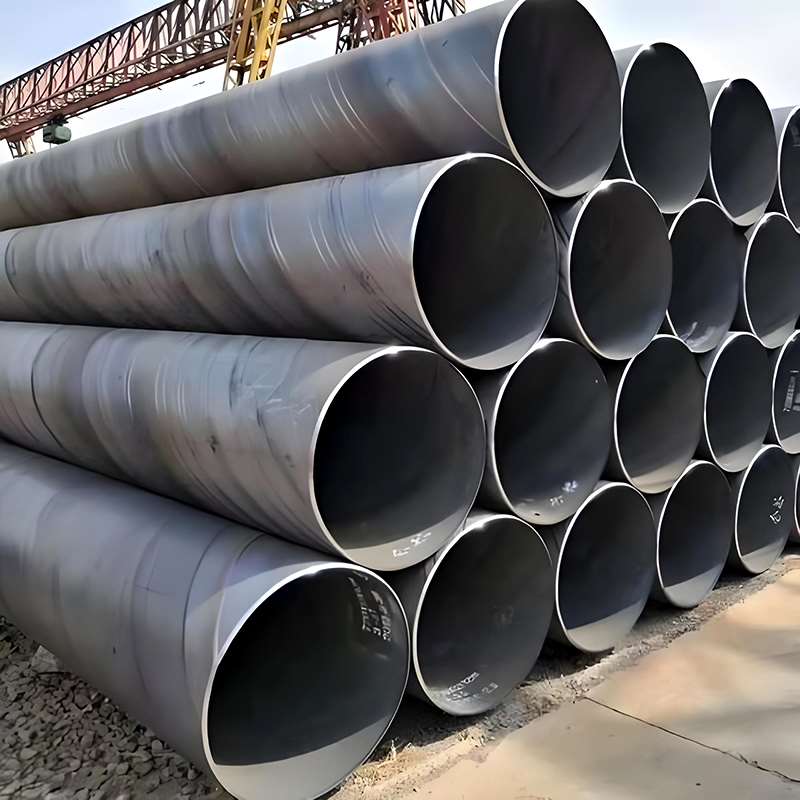
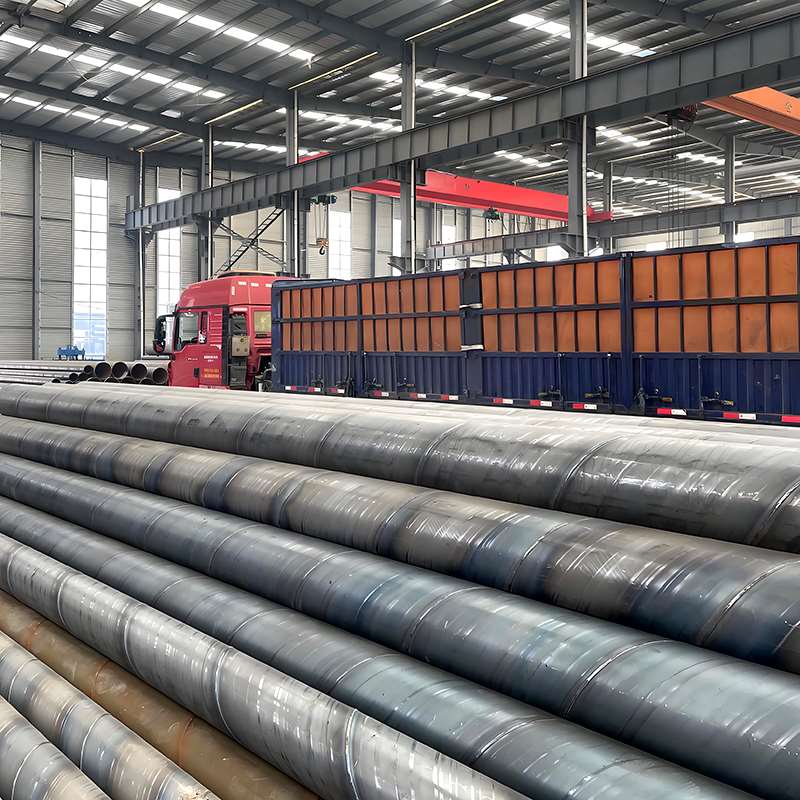
For large-volume procurement, a factory audit is highly recommended, either in person or through a third-party inspection agency (e.g., SGS, Bureau Veritas). Key areas to focus on include:
1. Raw Material Source
Verify the stability of steel strip/coil supply, preferably sourced from major steel producers such as Baowu, Ansteel, or Shougang. Raw material quality directly impacts final product consistency.
2. Operational Quality Testing Equipment
Check whether the equipment is genuinely operational:
- Online ultrasonic testing devices function correctly.
- Each pipe undergoes real-time inspection.
This prevents the scenario where equipment exists but is not in use.
3. Pipe End Preparation
Inspect whether the pipe beveling is standardized:
- Cut edges should be smooth.
- Bevel angles must be consistent.
Proper end preparation significantly improves on-site welding efficiency.
III. Inspection of Anti-Corrosion and Insulation Layers
For projects involving underground installation or external corrosion protection/insulation (e.g., 3PE coating, epoxy powder, polyurethane insulation), additional checks are essential:
1. Surface Treatment Quality (Rust Removal Level)
Before coating, shot blasting must meet the standard, typically:
- Sa2.5 Grade
Improper surface cleaning before coating can lead to premature peeling or delamination of the anti-corrosion layer.
2. Detection of Coating Defects
After coating, spark testing should be performed:
- Scan the pipe surface with a spark tester.
- Check for pinholes not visible to the naked eye.
Any defects must be repaired immediately.
IV. Two Key “Pitfall-Proof” Contract Clauses
1. Specify Applicable Standards
The contract should clearly define acceptance standards rather than vaguely stating “SSAW spiral steel pipes.” Common standards include:
- GB/T 9711 (for petroleum and natural gas pipelines)
- ASTM A252 (for piling applications)
- API 5L (for pipeline transportation)
Having defined standards ensures that subsequent inspections are measurable and enforceable.
2. Include Third-Party Random Inspection Clause
It is recommended to explicitly state in the contract that:
- The buyer has the right to commission a third-party agency for random pre-shipment inspections.
- Non-conforming batches may be rejected.
This clause is crucial for maintaining quality control of large-volume orders and significantly reduces procurement risk.
Bulk procurement of SSAW spiral steel pipes is a significant investment, but with systematic evaluation of material certificates, factory audits, and anti-corrosion inspections, buyers can confidently secure high-quality products while mitigating project risks.