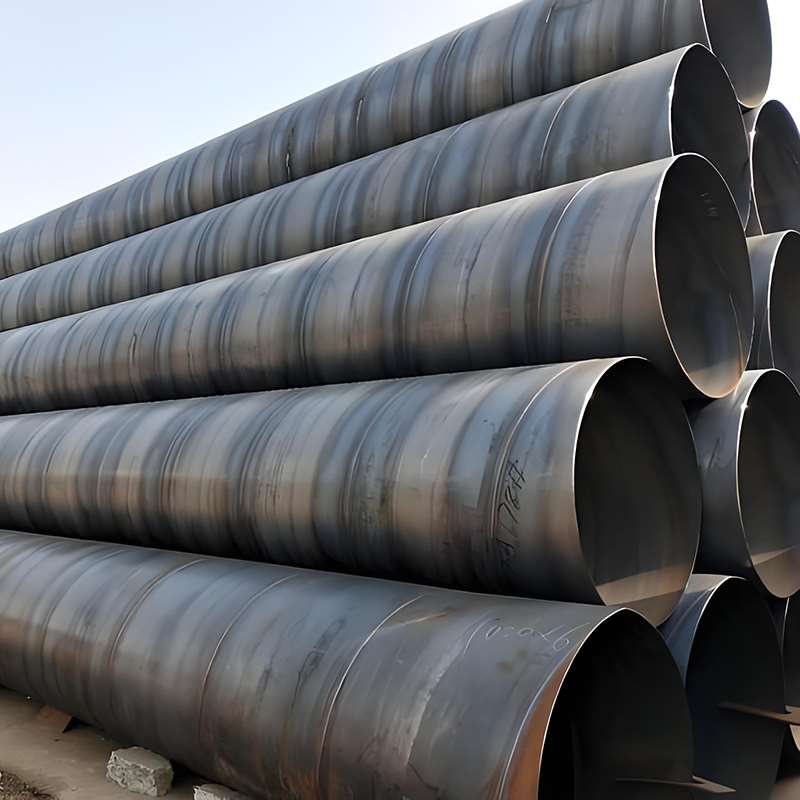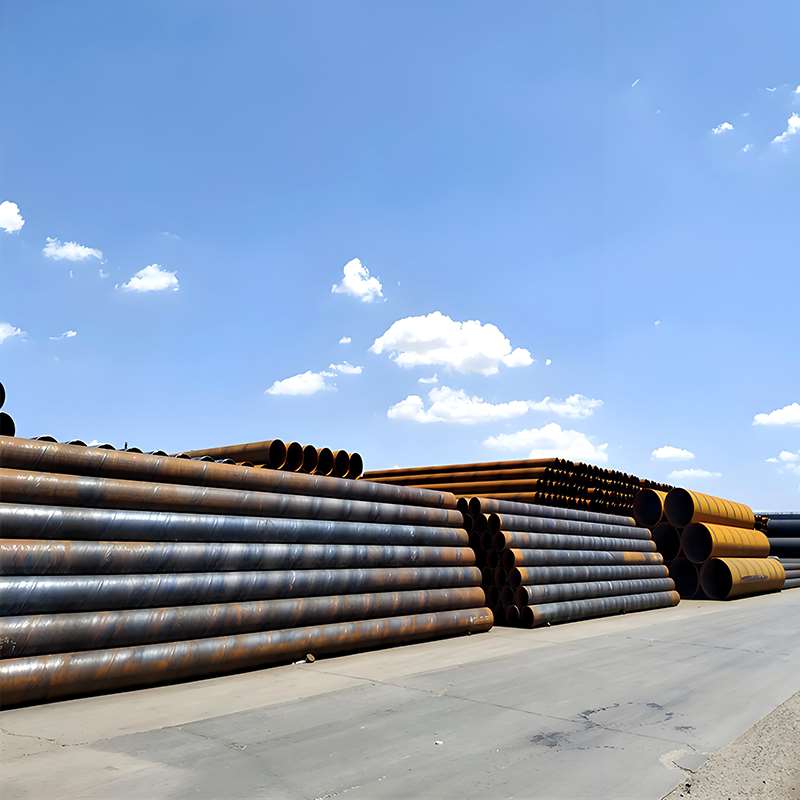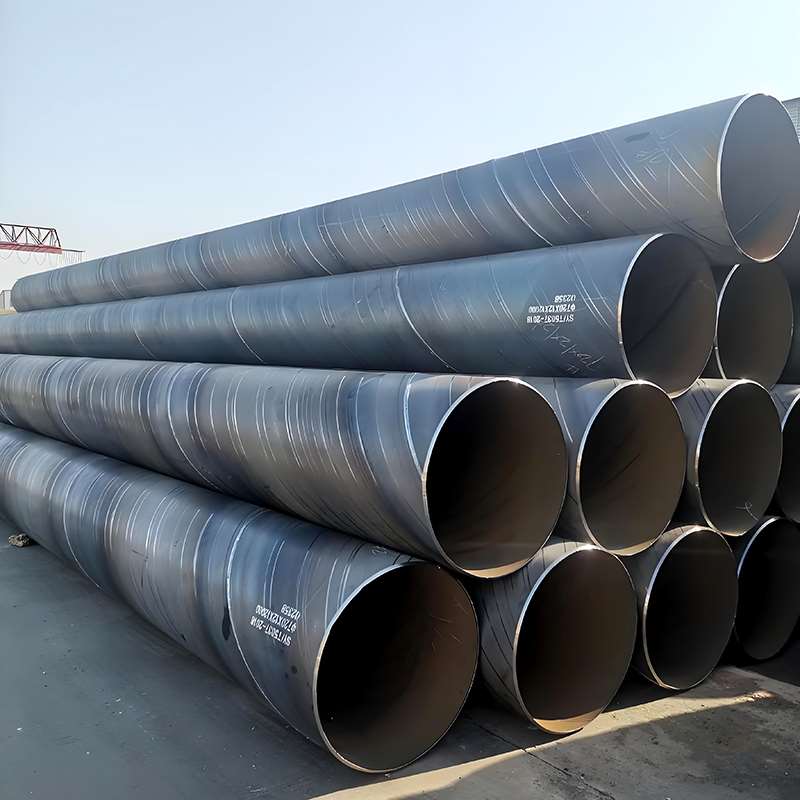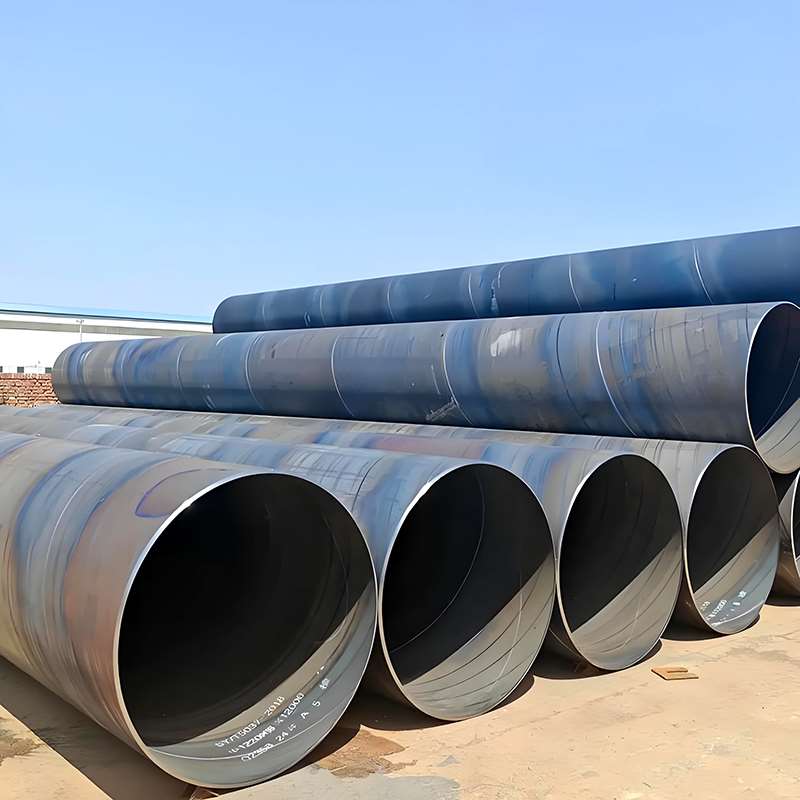
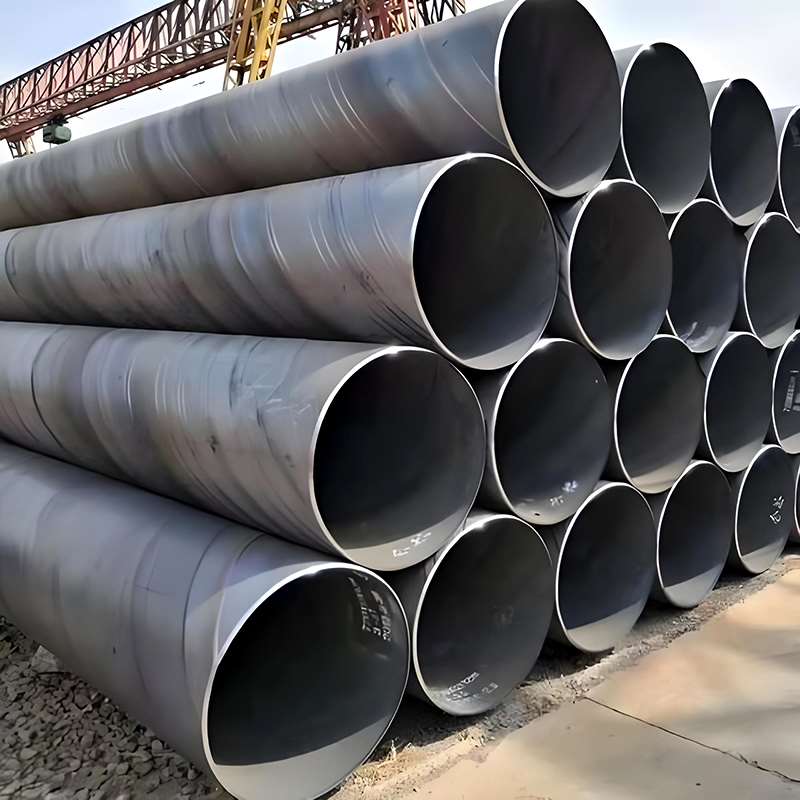
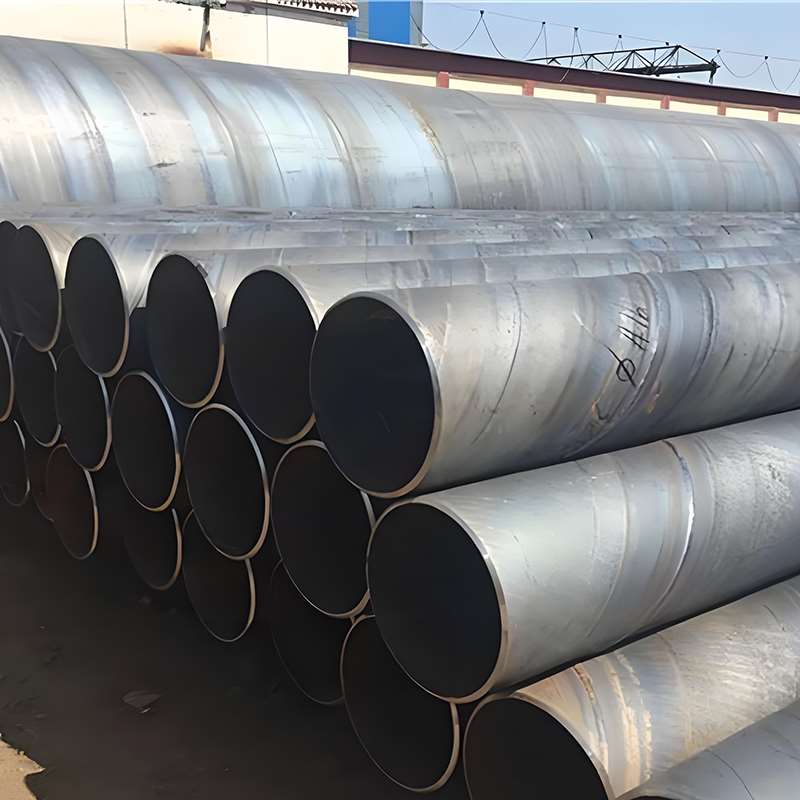
In water, gas, and oil pipeline projects, spiral welded steel pipes are widely used due to their high production efficiency, relatively low cost, and capability for continuous large-diameter manufacturing.
However, the physical and chemical characteristics, operating pressures, and safety requirements of water, gas, and oil differ significantly. Selecting the wrong steel pipe not only shortens the service life of a project but can also lead to major safety incidents.
This guide provides a practical reference for SSAW steel pipe procurement, focusing on four core dimensions: design standards, material grades, corrosion protection, and quality inspection.
I. Selection Principles: Choose Based on “Medium” and “Pressure”
It is crucial to identify the applicable standards and steel grades for a given project. Key selection points for different mediums are as follows:
1. Water Pipeline Projects
Water pipelines usually operate at relatively low pressures (typically 1.0–2.5 MPa), but water quality demands long corrosion-resistant service life.
- Common Standards: GB/T 9711, SY/T 5037 (China)
- Recommended Grades: Q235B, Q355B — offering good toughness, weldability, and cost-effectiveness.
2. Natural Gas / Fuel Gas Pipelines
Natural gas is flammable and explosive, and its compressibility means that a pipe rupture can release tremendous energy. Therefore, strict requirements apply to steel toughness, wall thickness uniformity, and weld quality.
- Common Standards: GB/T 9711 or API Spec 5L
- Recommended Grades: L245/X42, L290/X42, L360/X52, L415/X60, etc.
- Procurement Tip: Gas pipeline projects must use PSL2-grade pipes, which require individual impact testing and nondestructive inspection (NDT) for every pipe to ensure high-pressure safety.
3. Oil Pipeline Projects
Crude oil or refined petroleum transport is also high-pressure and high-risk. The oil often contains corrosive agents such as hydrogen sulfide (H₂S) and carbon dioxide (CO₂).
- Common Standards: GB/T 9711 (PSL2) or API Spec 5L
- Recommended Grades: X52, X60, X65, X70 — higher grades reduce wall thickness, lower pipe weight, and improve compressive strength.
II. Key Performance Parameters
When issuing inquiries or technical specifications, focus on these three parameters:
1. Diameter and Wall Thickness
Determine the nominal outer diameter (OD) to meet flow requirements, and calculate the safe wall thickness based on maximum operating pressure using mechanical formulas. Allow a margin for safety rather than reducing thickness solely to cut costs.
2. Hydrostatic Test Pressure
Hydrostatic testing is the direct method to verify a pipe’s pressure-bearing capacity. Each SSAW pipe must undergo hydrostatic testing before shipment, with a stabilization period of no less than 5 seconds. Always request test records during procurement.
3. Mechanical Properties (Impact Toughness)
For gas and oil pipelines, low-temperature impact energy (Akv) is critical. This parameter determines whether a pipeline will experience safe plastic deformation or catastrophic brittle fracture under accidental impact or extreme cold.
III. Medium-Specific Corrosion Protection
Exposed bare steel buried underground will corrode rapidly, so “30% material selection, 70% corrosion protection” is the rule. Corrosion protection solutions vary by medium:
| Medium | Common Internal Coating | Common External Coating | Selection Rationale |
|---|---|---|---|
| Water | Epoxy resin (IPN8710 drinking water grade) / cement mortar lining | 3PE / epoxy coal-tar / polyurethane insulation | Internal coating ensures water safety and prevents scaling; external coating protects against soil moisture corrosion. |
| Gas | Drag-reducing conductive coating (optional, depending on diameter) | 3PE (three-layer polyethylene) | 3PE is recognized as the safest and longest-lasting external coating for buried gas pipelines (up to 50 years). |
| Oil | Oil-resistant, anti-static epoxy / Fusion Bonded Epoxy (FBE) | 3PE / FBE | Internal coating prevents corrosion from crude oil impurities; external coating provides high impermeability and soil stress resistance. |
IV. Procurement Pitfalls: Ensuring Supplier Quality
The SSAW pipe’s weld is a continuous helical seam along the full pipe length. Therefore, weld quality is the lifeline of a spiral pipe. Consider the following when vetting suppliers:
1. Verify Certificates
- Water pipelines (especially potable water): Supplier must hold a hygiene license.
- Gas and oil pipelines: Supplier must have a Special Equipment Manufacturing License (Pressure Piping Components TS Certification) and API 5L certification. Never choose uncertified manufacturers.
2. Confirm Nondestructive Testing (NDT) Capabilities
Qualified production lines must be equipped with online ultrasonic testing (UT) and full-length X-ray inspection (RT) of pipe ends/welds. For high-pressure pipelines, request UT/RT reports and films for every batch.
3. On-Site Visual Inspection
- Misalignment: The misalignment at pipe butt joints should be within the standard range (typically ≤10% of wall thickness). Excessive misalignment causes stress concentration.
- Excess Weld Height: Internal and external weld reinforcement should be within 1.5–3.0 mm. Excess height may negatively affect subsequent corrosion coating application.