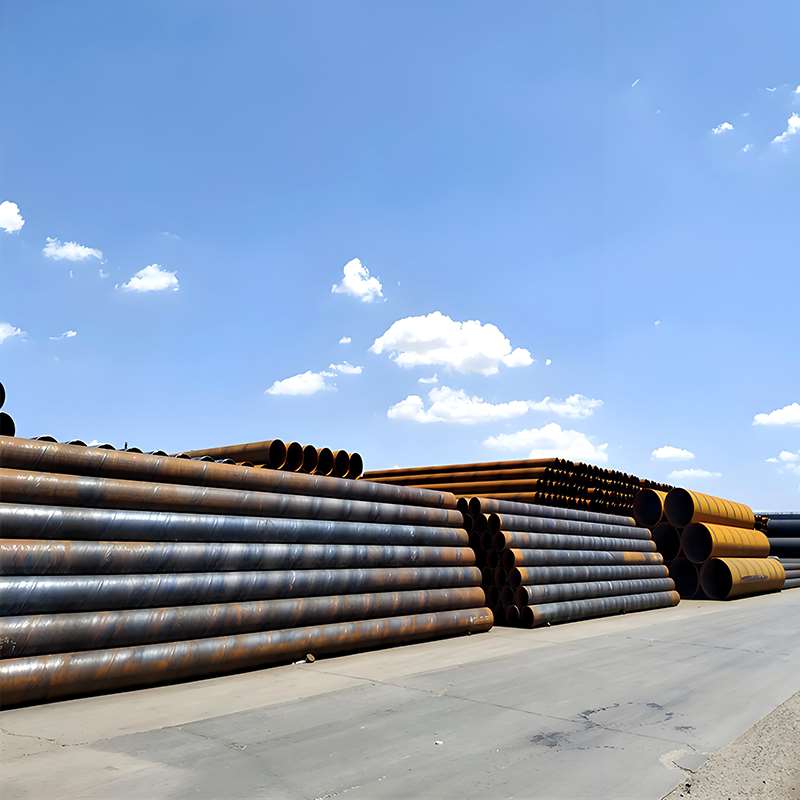
In modern industry and construction, welded steel pipes have become a powerful alternative to seamless steel pipes due to their advantages such as high cost-effectiveness, uniform wall thickness, and fast production efficiency. This article will take you through every key step from production process to final selection.
I. Manufacturing Processes: Core Classifications of Welded Steel Pipes
- ERW (Electrical Resistance Welding)
- Process: Melts the edges of the pipe blank through the thermal effect of high-frequency current, then extrudes and forms the pipe.
- Features: Extremely high production efficiency, small wall thickness tolerance.
- Common Applications: Low to medium pressure fluid transportation, scaffolding, structural pipes.
- LSAW (Longitudinal Submerged Arc Welding)
- Process: Uses medium-thick single-width steel plates as raw materials, presses them into shape in molds or forming machines, and employs double-sided submerged arc welding.
- Features: Large pipe diameter, thick wall, high pressure resistance, good toughness.
- Common Applications: Long-distance oil and gas pipelines, offshore engineering, high-rise building support.
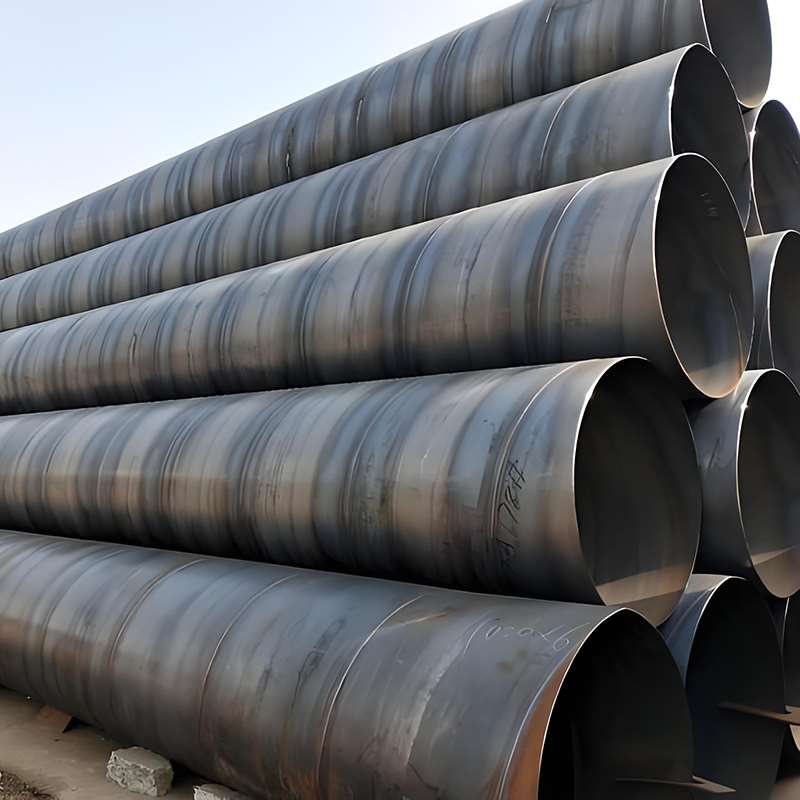
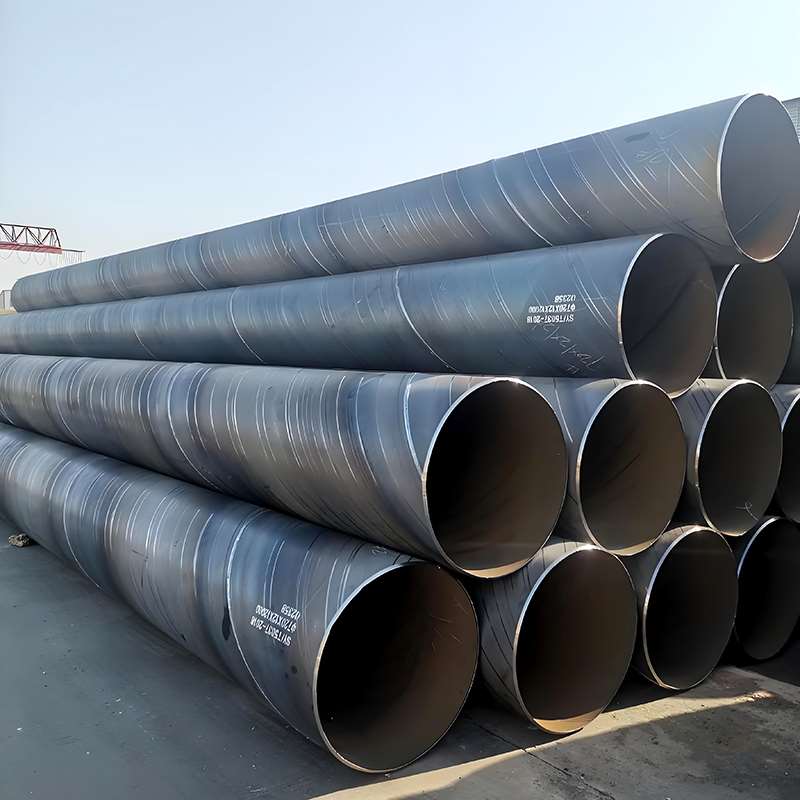
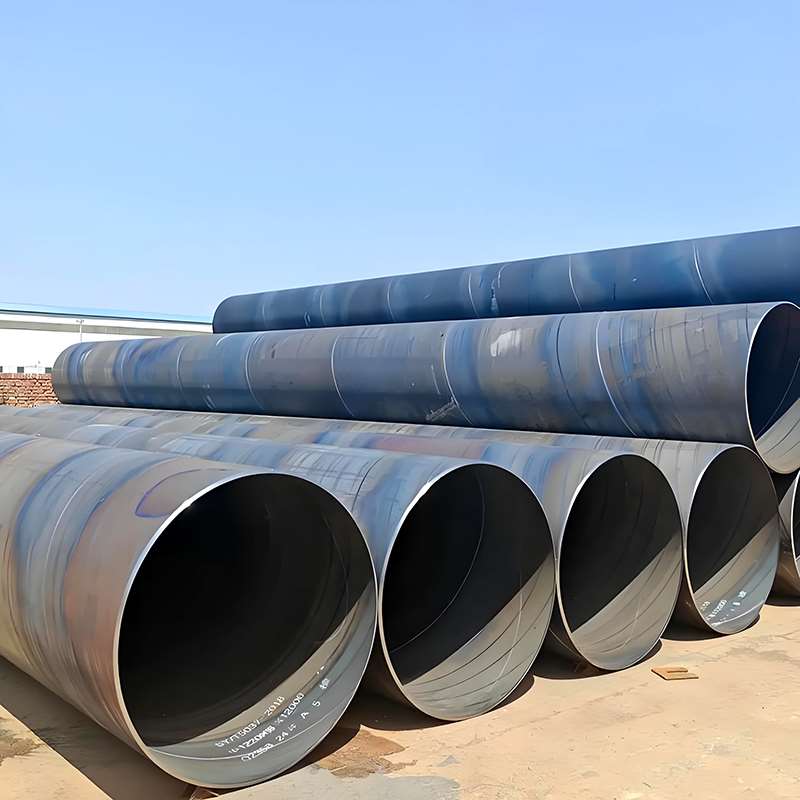
- SSAW / HSAW (Spiral Submerged Arc Welding)
- Process: Steel strip is wound into a spiral shape for welding.
- Features: Can produce large-diameter steel pipes with narrower steel strips, but the weld seam is longer.
- Common applications: drainage projects, low-pressure fluid transportation, and piling pipes.
II. Quality Grading and International Standards
| Application Field | Common Standards | Key Requirements |
|---|---|---|
| Oil & Gas | API 5L (PSL1 / PSL2) | Strict requirements on chemical composition, mechanical properties, and NDT. |
| General Fluid Transport | ASTM A53 / BS 1387 | Covers galvanized and black pipes for low-pressure water and gas transmission. |
| Structural Engineering | ASTM A500 / EN 10219 | Focus on yield strength, tensile strength, and cold forming performance. |
| Stainless Steel Industry | ASTM A312 | Emphasis on corrosion resistance and high-temperature performance. |
III. Selection Guide: How to Solve the “Supply and Demand Mismatch”?
- Pressure Rating
- Always confirm the pipeline’s working pressure. For ultra-high pressure environments, LSAW is the preferred choice; for medium and low pressure systems, ERW is a more economical option.
- Weld Reinforcement and Inspection
- 100% Radiographic Testing (RT) / Ultrasonic Testing (UT): Ensure the weld is free of porosity, slag inclusions, or incomplete penetration.
- Hydro Test: A pressure test that every pipe must undergo before leaving the factory.
- Coating & Lining
- Corrosion protection is crucial when welded steel pipes are used in buried or exposed environments.
- External: 3PE, FBE (fusion-bonded epoxy powder), or hot-dip galvanizing.
- Internal: Epoxy resin coating (drinking water) or cement mortar lining.
IV. Procurement Pitfall Avoidance Tips
- Verify Material Certificate (MTC): Ensure the origin, batch, and chemical composition match the order.
- Inspect Chamfers and Appearance: High-quality welded steel pipes have smooth welds, uniform chamfers at the pipe ends, and no obvious eccentricity.
- Confirm Tolerance Ranges: Pay particular attention to whether the deviations in outer diameter (OD) and wall thickness (WT) meet the standard requirements of the project design.