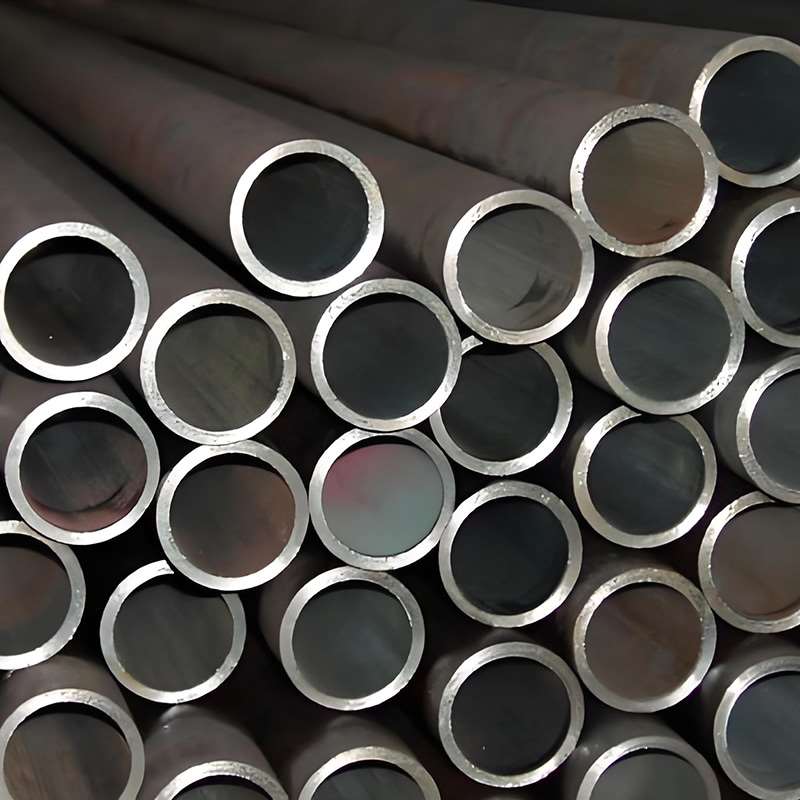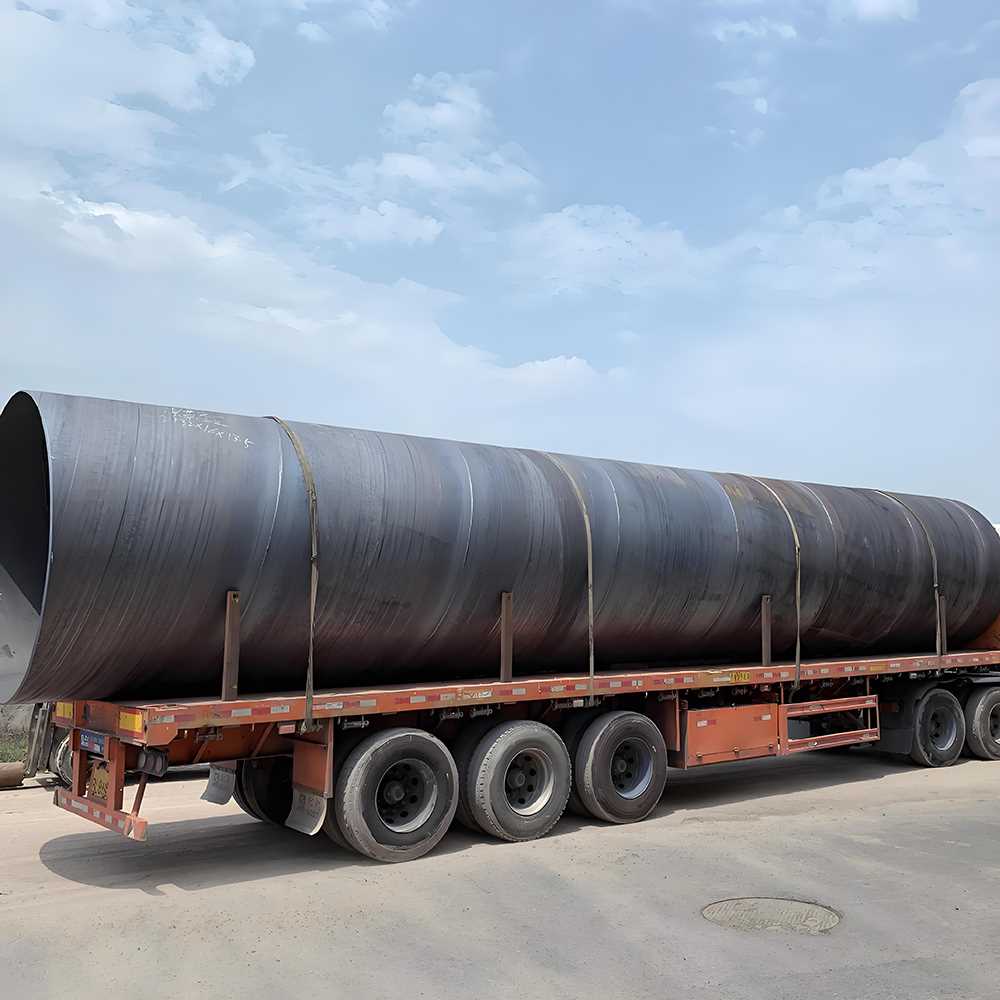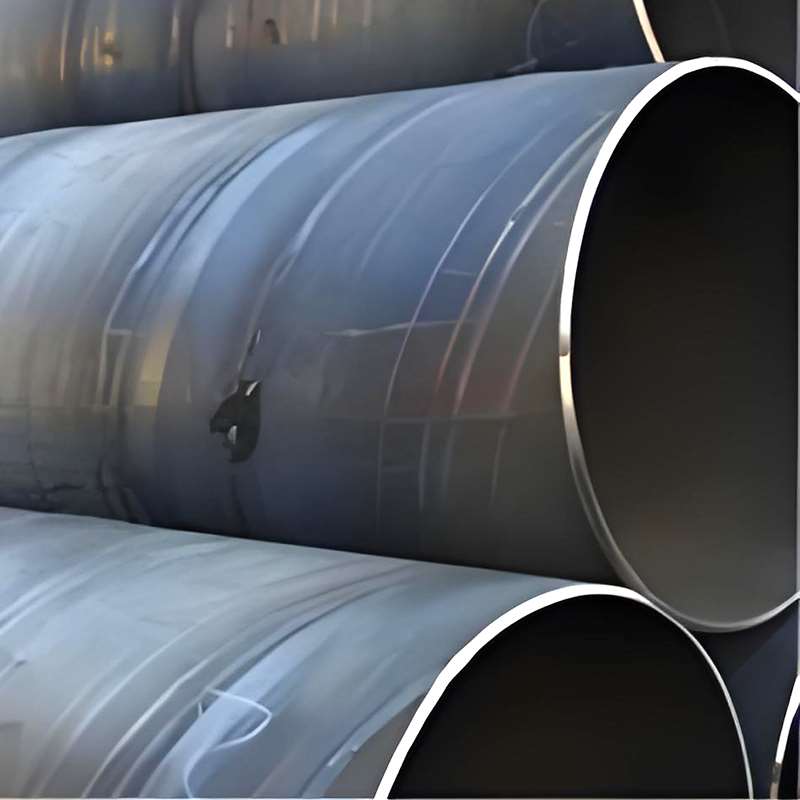
In pipeline engineering projects, the correct selection of steel pipes directly determines the system’s safety, operational stability, and long-term costs. This is especially true for pipeline projects used in oil, natural gas, water supply, and industrial transportation systems, where selecting welded steel pipes conforming to API 5L standards is the industry mainstream solution.
However, many projects tend to focus solely on price during the procurement phase, neglecting key specifications. This can lead to risks such as insufficient strength, welding defects, accelerated corrosion, or increased maintenance costs.
This article will provide practical engineering guidance to help you accurately select the right API 5L welded pipes for your project using professional and practical methods.
I. Defining Project Circumstances: The First Step in Selection
| Service Condition Type | Typical Medium | Pressure Range | Temperature Range | Key Focus |
|---|---|---|---|---|
| Low-pressure transmission | Water, air | ≤1.6 MPa | Ambient temperature | Cost and corrosion protection |
| Medium-pressure industrial systems | Oil, gas, steam | 1.6–6 MPa | -20 to 200°C | Strength and weldability |
| High-pressure energy pipelines | Petroleum, natural gas | ≥6 MPa | High / low temperature | PSL grade and toughness |
II. Understanding API 5L Grades and Steel Grade Selection
API 5L welded steel pipes are mainly divided into PSL1 and PSL2, and the differences between the two directly affect engineering safety.
- PSL1 vs PSL2
| Item | PSL1 | PSL2 |
|---|---|---|
| Technical requirements | Basic standard | More stringent control |
| Chemical composition | General control | Strict limitations |
| Non-destructive testing (NDT) | Optional | Mandatory |
| Impact toughness | Usually not mandatory | Mandatory requirement |
| Application scenarios | General engineering | Oil, gas, high-pressure systems |
Conclusion: PSL2 is the preferred choice for high-voltage or critical projects.
- Common Steel Grade Selection
| Grade | Characteristics | Application Scenarios |
|---|---|---|
| Grade B | Low cost, moderate strength | Low-pressure transmission |
| X42 / X52 | Increased strength | Medium-pressure pipelines |
| X60 / X65 / X70 | High strength | High-pressure oil and gas pipelines |
Principle: The higher the strength, the better; rather, it should be “optimally matched to the working conditions”.
III. Key Impacts of Welding Process on Quality
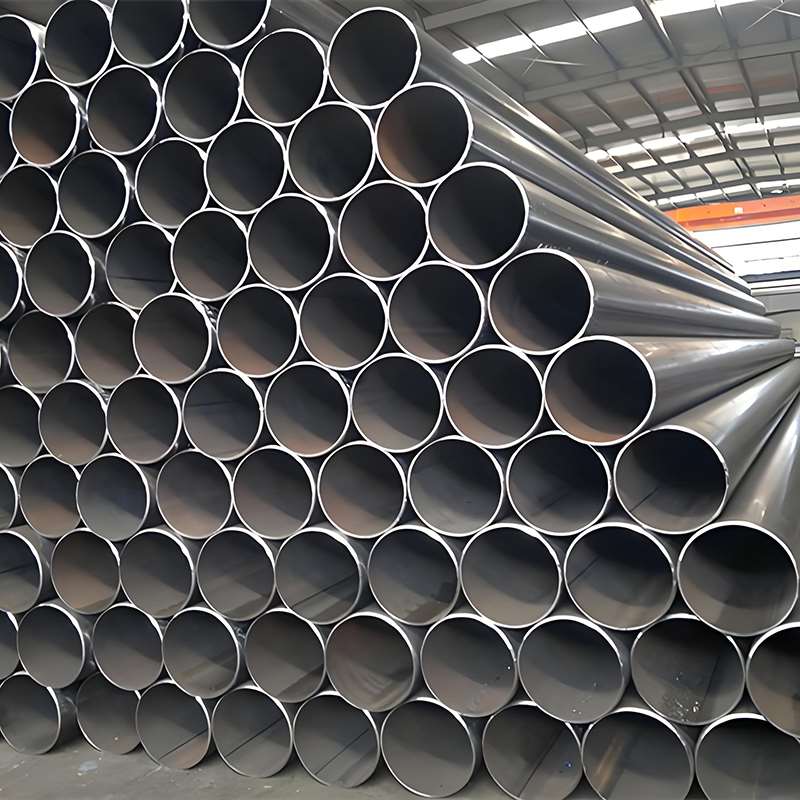
API 5L welded steel pipes mainly include processes such as ERW and LSAW, with different processes suitable for different projects.
| Process Type | Characteristics | Advantages | Application Scenarios |
|---|---|---|---|
| ERW (High-Frequency Welded) | High production efficiency | Low cost, stable dimensions | Medium to low-pressure pipelines |
| LSAW (Longitudinal Submerged Arc Welded) | High weld strength | Suitable for thick-wall and large-diameter pipes | High-pressure transmission |
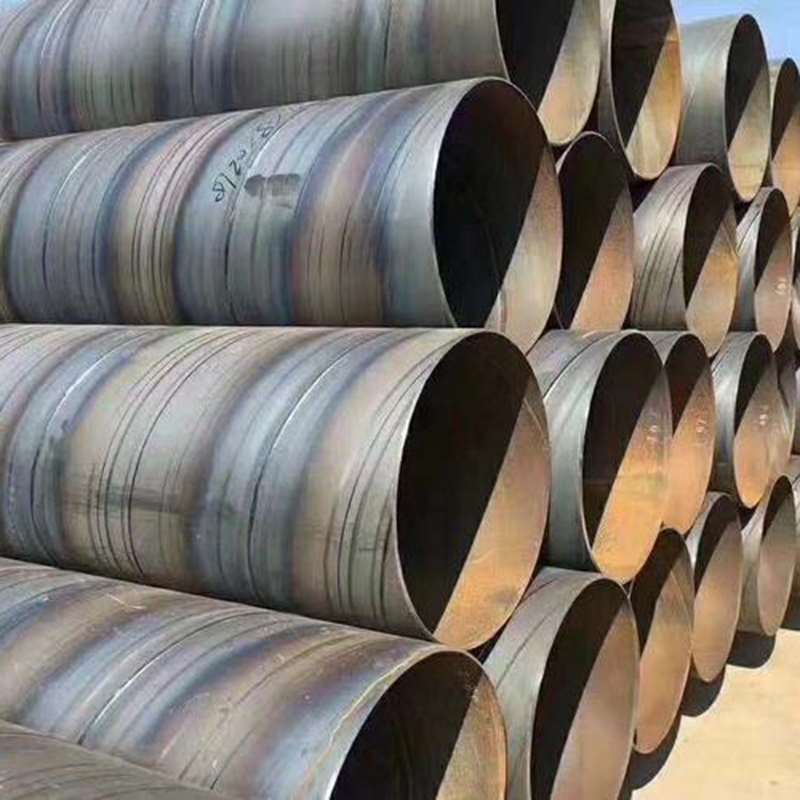
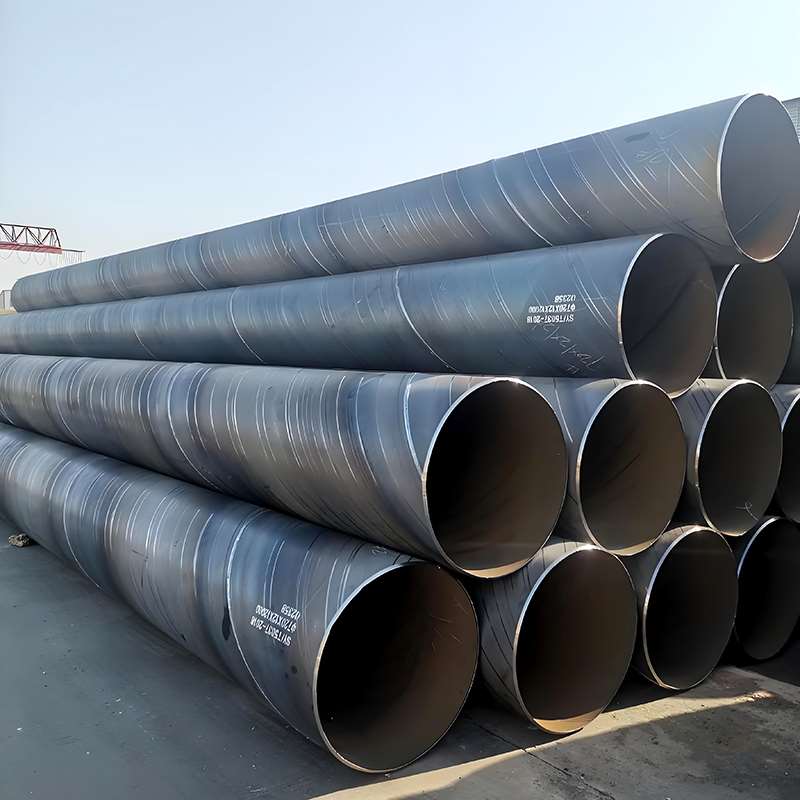
| SSAW (Spiral Submerged Arc Welded) | Moderate cost | Strong advantage for large diameters | Municipal engineering |
Key Judgments:
- High Pressure = Prioritized LSAW
- Cost Sensitive + Medium/Low Pressure = ERW
- Large Diameter Conveying = SSAW
IV. Specification and Dimension Matching (Avoiding Incorrect Wall Thickness Selection)
Incorrect specification selection is one of the most common problems in engineering.
Key parameters include:
- Outer Diameter (OD)
- Wall Thickness (WT)
- Length
- Applicable Standard (API 5L / ASTM)
Wall Thickness Selection Logic
| Pressure Level | Recommended Wall Thickness (Reference) | Risk Description |
|---|---|---|
| Low pressure | Sch 10–Sch 20 | Low cost, but limited pressure resistance |
| Medium pressure | Sch 40 | Most commonly used in engineering |
| High pressure | Sch 80 and above | Higher safety margin |
Error Case:
Many projects choose thin-walled pipes to reduce costs, but these are prone to deformation, leakage, or even pipe bursting under high pressure.
V. Welding Performance and Quality Control
The safety of API 5L welded steel pipes largely depends on weld quality.
Key quality indicators to monitor:
- Is the weld 100% non-destructive testing (UT/RT) performed?
- Is there any lack of fusion, porosity, or slag inclusions?
- Is the weld strength ≥ the base metal strength?
- Is the heat-affected zone toughness up to standard?
For PSL2 projects, the following are mandatory:
- Ultrasonic testing (UT)
- Hydrostatic testing
- Impact testing
VI. Corrosion and Protection Requirements
The lifespan of steel pipes depends not only on their strength but also on the corrosion protection system.
| Corrosion Protection Method | Advantages | Application Environment |
|---|---|---|
| Black pipe + painting | Low cost | Indoor / low-corrosion environments |
| Hot-dip galvanizing | Strong corrosion resistance | Municipal / outdoor applications |
| 3PE coating | Excellent protection | Oil and gas pipelines |
Long-term cost formula:
- Initial cost + Maintenance cost = Actual purchase cost
- Many projects purchase at low prices but have higher maintenance costs later on.
VII. Selection Summary
- Step 1: Determine Operating Conditions
Pressure + Temperature + Medium - Step 2: Determine Grade
General Engineering → PSL1
High-Pressure Critical Engineering → PSL2 - Step 3: Select Steel Grade
B / X42 → Low/Medium Pressure
X52 / X65 → Medium/High Pressure - Step 4: Select Process
ERW → Cost Priority
LSAW → Safety Priority - Step 5: Determine Corrosion Protection Method
Lifespan requirements determined by environmental conditions