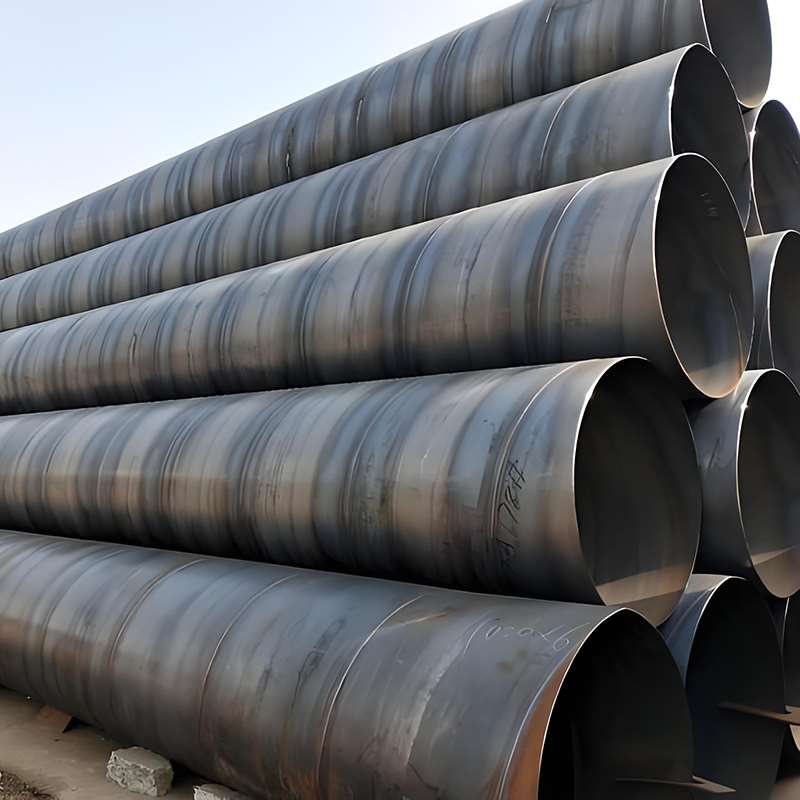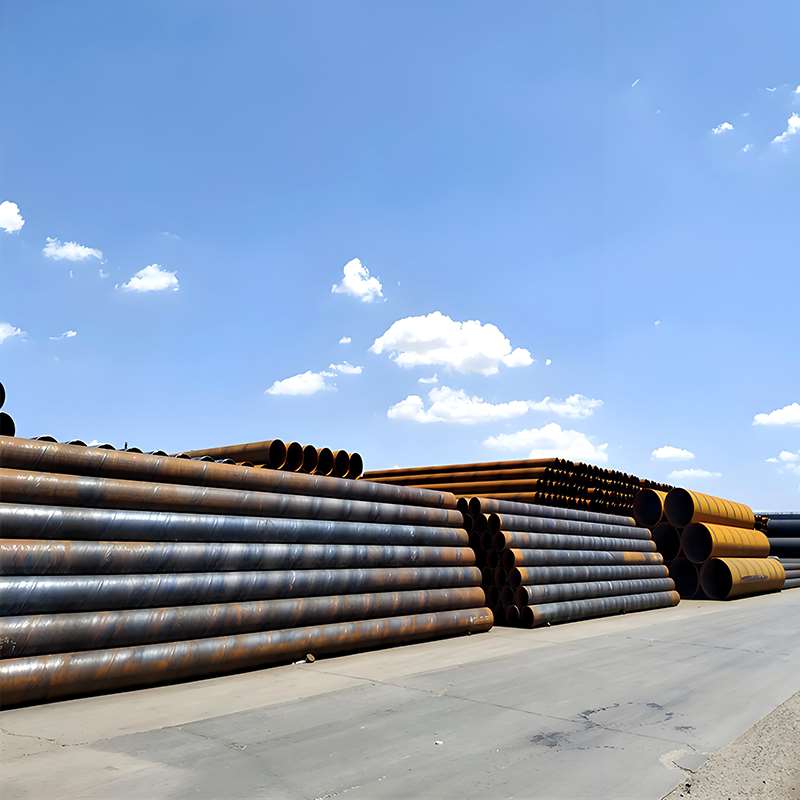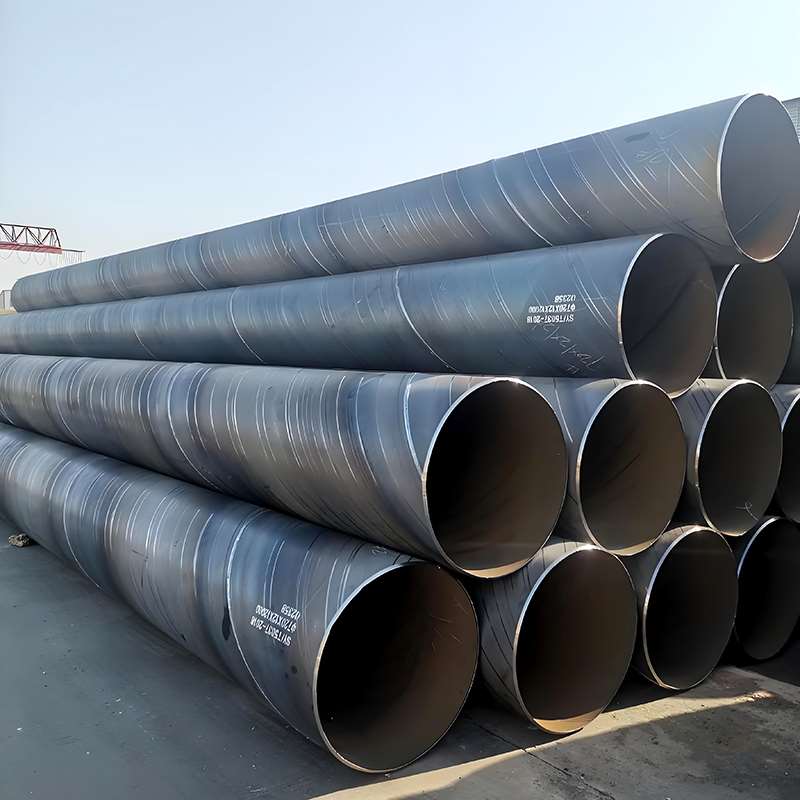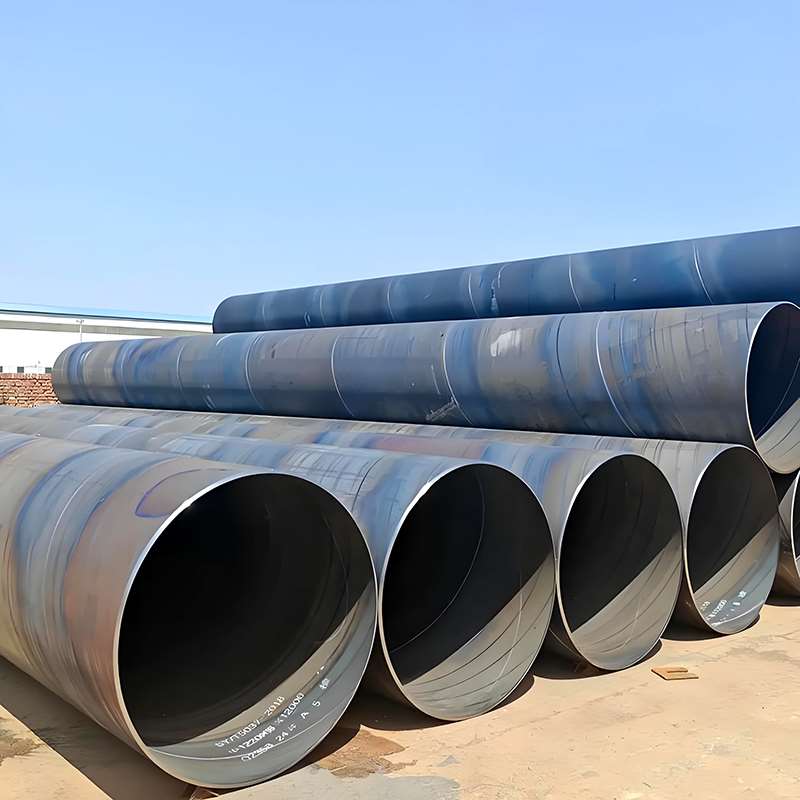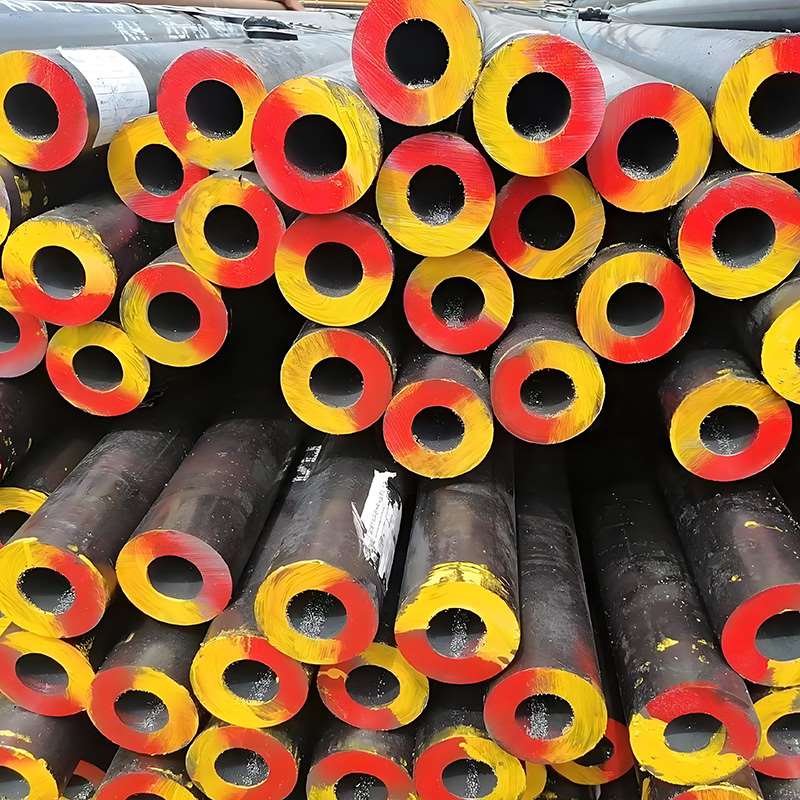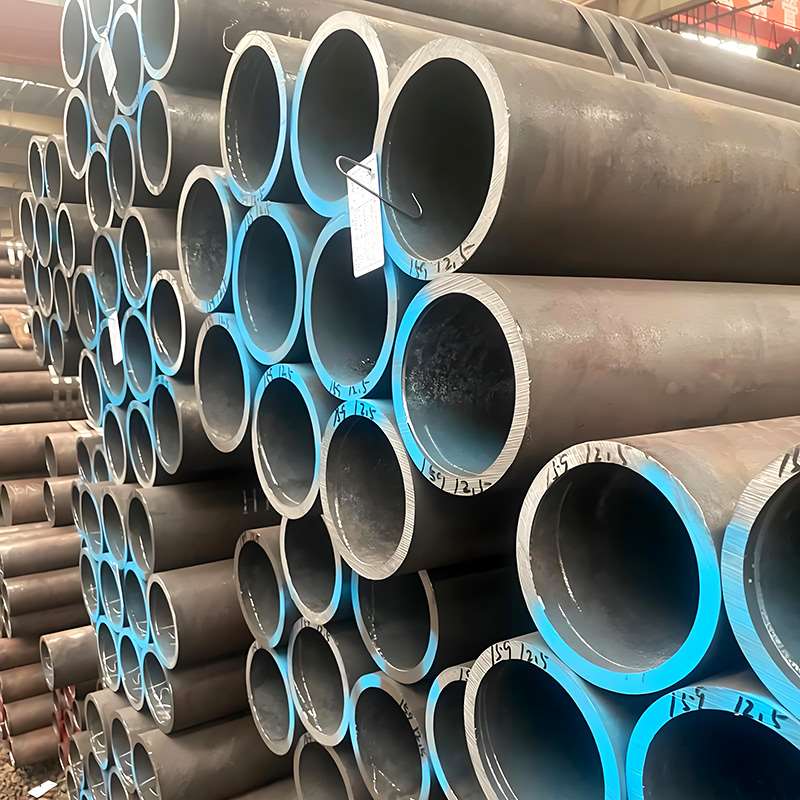
Municipal infrastructure is essential to the smooth operation of modern cities and the well-being of millions of residents. Whether serving as transmission mains for urban water supply systems or as district heating pipelines, spiral welded steel pipes have become a preferred solution due to their large-diameter capability and excellent cost-performance ratio.
However, the helical weld seam characteristic of SSAW pipes results in a relatively long total weld length. Combined with the demanding conditions of municipal projects—including deep burial, complex terrain crossings, and long service life requirements—even a minor quality defect can eventually develop into major public safety incidents such as pipeline leakage or rupture.
Ensuring the long-term reliability of SSAW steel pipes in municipal applications requires a comprehensive quality control system covering the entire lifecycle, from supplier qualification and manufacturing to site acceptance and corrosion protection.
I. Source Control: Strict Supplier Qualification and Material Inspection
1. Qualification and Compliance Verification
Materials used in municipal pipeline networks must meet stringent qualification requirements.
Pressure Piping Component Manufacturing License
The manufacturer must possess a valid Special Equipment Manufacturing License (TS Certification) for pressure piping components.
Drinking Water Hygiene Approval
For municipal potable water projects, the manufacturer must hold the Hygiene License Approval for Products Involving Drinking Water Safety issued by provincial-level or higher health authorities, ensuring that both the pipe material and internal coating systems are non-toxic and safe for drinking water applications.
2. Raw Material Quality Control
The strength and toughness of SSAW steel pipes are fundamentally determined by the quality of the steel coil used in production.
Procurement teams should require the manufacturer to provide the original Mill Test Certificate (MTC) issued by a reputable steel mill.
Particular attention should be paid to verifying:
- Chemical composition
- Yield strength
- Tensile strength
- Elongation
Upon arrival at the pipe manufacturing facility, steel coils should undergo visual inspection sampling. Coils exhibiting severe surface defects such as scabs, cracks, folds, or inclusions must be rejected.
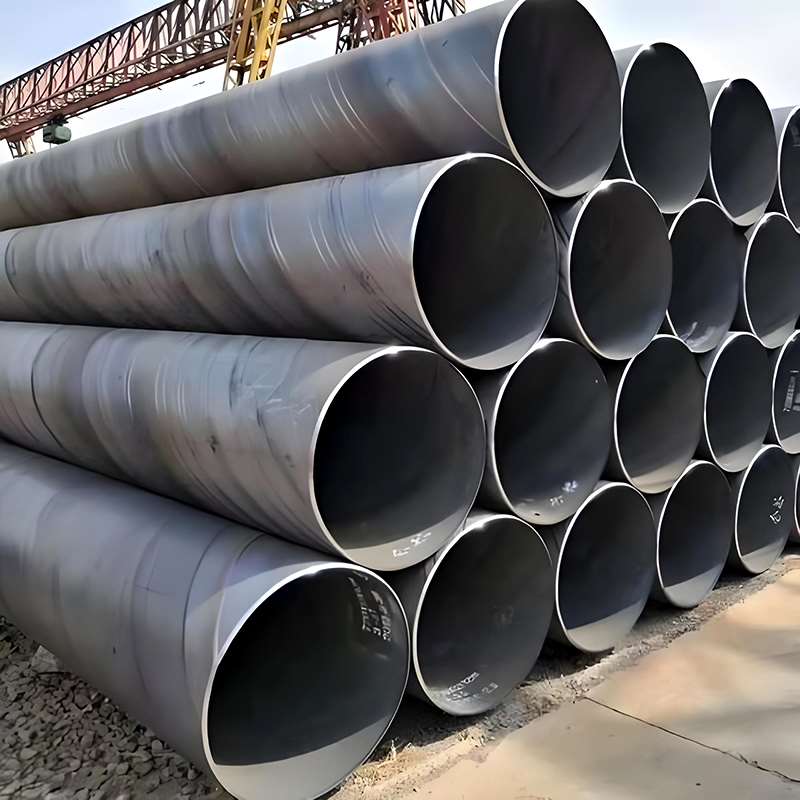
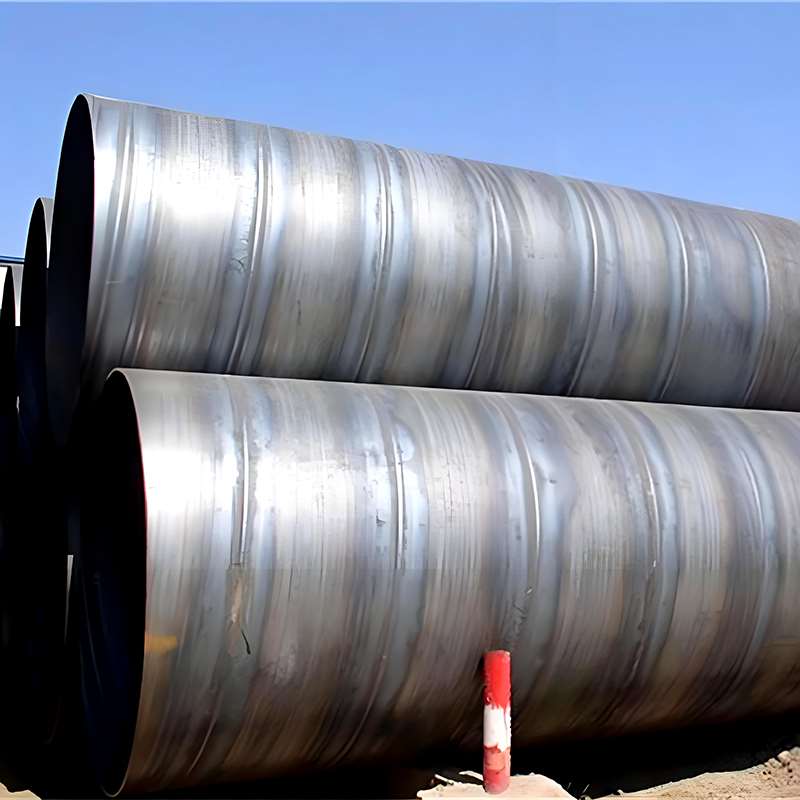
II. Manufacturing Process: Digital Production and Three Critical Quality Control Stages
The manufacturing process is the most critical stage in SSAW pipe quality assurance. Leading manufacturers typically employ digitalized and automated production systems. The following three processes deserve special attention:
1. Alignment and Forming Control
During spiral forming, improper alignment between the strip edges can create local stress concentrations, which may become potential failure points during service.
Quality Requirements
For most municipal projects:
- Misalignment should not exceed 10% of the pipe wall thickness.
- The maximum allowable misalignment should not exceed 2 mm.
Control Measures
Forming equipment equipped with automatic centering and correction systems is recommended. Laser or mechanical sensors continuously monitor and adjust strip positioning, minimizing human error and ensuring forming accuracy.
2. Welding Procedure Control
SSAW pipes are manufactured using a double-sided submerged arc welding (DSAW) process. Maintaining stable welding parameters is essential.
Production must strictly follow qualified Welding Procedure Specifications (WPS). Key parameters—including welding current, voltage, and travel speed—should be automatically controlled to ensure consistency throughout production.
Weld Reinforcement Requirements
Weld reinforcement is generally maintained within:
1.5–3.0 mm
- Excessive reinforcement can hinder proper adhesion of external coatings and may lead to coating voids or disbondment.
- Insufficient reinforcement may compromise weld strength.
3. Full-Coverage Nondestructive Testing (NDT)
This stage focuses on detecting internal weld defects such as:
- Porosity
- Slag inclusions
- Incomplete penetration
- Cracks
Qualified production lines typically implement comprehensive inspection procedures:
Online Ultrasonic Testing (UT)
- Real-time inspection of 100% of the spiral weld seam.
Radiographic Testing (RT)
- Follow-up inspection of all UT-indicated areas.
- Additional inspection of pipe ends and T-joints.
- Digital radiographic records should be retained for traceability.
III. Pre-Shipment Testing
Before leaving the factory, each pipe must successfully pass two mandatory physical inspections. These tests are also key checkpoints for project owners and third-party inspectors conducting shop inspections.
1. Hydrostatic Pressure Testing
Hydrostatic testing is the most direct method for verifying the pressure-bearing capacity and leak tightness of the finished pipe.
Every SSAW pipe must undergo hydrostatic testing using a dedicated testing machine.
The test pressure is calculated according to applicable standards and is typically:
Not less than 1.5 times the design operating pressure
Under test conditions:
- Holding time must be no less than 5 seconds.
- No leakage, deformation, or structural abnormalities are permitted in either the pipe body or weld seam.
Modern testing equipment is typically equipped with automatic data recording systems to ensure test results cannot be altered.
2. Pipe End Machining
Field joints in municipal projects are predominantly welded connections. Therefore, bevel geometry directly affects welding quality on site.
Before shipment, pipe ends should be processed using professional pipe-end facing and beveling machines to ensure:
- Accurate bevel angle
- Proper root face dimensions
- Burr-free surfaces
IV. Corrosion Protection Systems
Most municipal pipelines are buried underground, where soil chemistry, groundwater infiltration, and stray electrical currents continuously attack steel surfaces.
Long-term pipeline reliability depends heavily on high-performance corrosion protection systems.
External Corrosion Protection
3PE (Three-Layer Polyethylene Coating) is generally considered the preferred solution.
The coating structure consists of:
- Fusion Bonded Epoxy (FBE) primer
- Copolymer adhesive layer
- Polyethylene outer layer
This system provides:
- Excellent electrical insulation
- Superior corrosion resistance
- High mechanical impact resistance
Before coating application, the steel surface must undergo abrasive blasting to achieve:
Sa 2.5 surface preparation grade
Proper anchor profile depth is equally critical; otherwise, premature coating disbondment may occur.
Internal Corrosion Protection
Internal lining systems vary according to the transported medium.
For water transmission pipelines, common options include:
- Drinking-water-grade epoxy coatings (such as IPN8710)
- Cement mortar lining
The coating must be applied uniformly and remain free from:
- Pinholes
- Runs and sags
- Thickness inconsistencies
V. Site Acceptance and Secondary Protection
Quality control does not end when the pipes arrive at the construction site. Transportation and handling damage frequently compromise otherwise compliant products.
Documentation Verification
Upon delivery, the following documents must be reviewed:
- Product Certificate of Conformity
- Quality Certificate / MTC
- Drinking Water Hygiene Approval (where applicable)
Visual Inspection and Holiday Detection
A holiday detector (spark tester) should be used to inspect the external coating.
Although project-specific requirements may vary, comprehensive coating inspection is strongly recommended.
If coating damage caused during transportation or lifting operations is detected, repairs should be carried out immediately using approved heat-shrink repair patches or equivalent repair systems.
Field Joint Alignment and Welding Control
During field welding:
- Adjacent spiral weld seams should be staggered whenever possible.
- The offset distance should typically exceed 100 mm.
Field welds must also undergo appropriate nondestructive testing to verify compliance with project specifications.
Conclusion
The quality assurance of SSAW steel pipes in municipal infrastructure projects is not determined by a single inspection or test. It is the result of systematic control throughout the entire lifecycle—from supplier qualification and raw material verification to manufacturing, hydrostatic testing, corrosion protection, transportation, and field installation.
For municipal water supply, district heating, drainage, and other critical public infrastructure projects, establishing a rigorous quality management system at every stage is the most effective way to ensure long-term pipeline reliability, minimize maintenance costs, and safeguard public safety over decades of service.