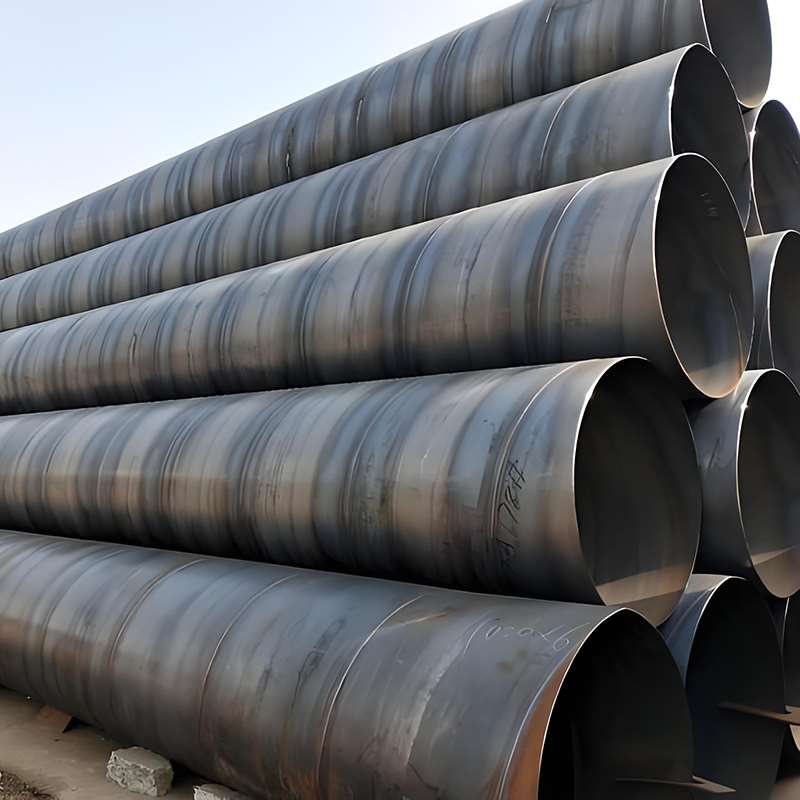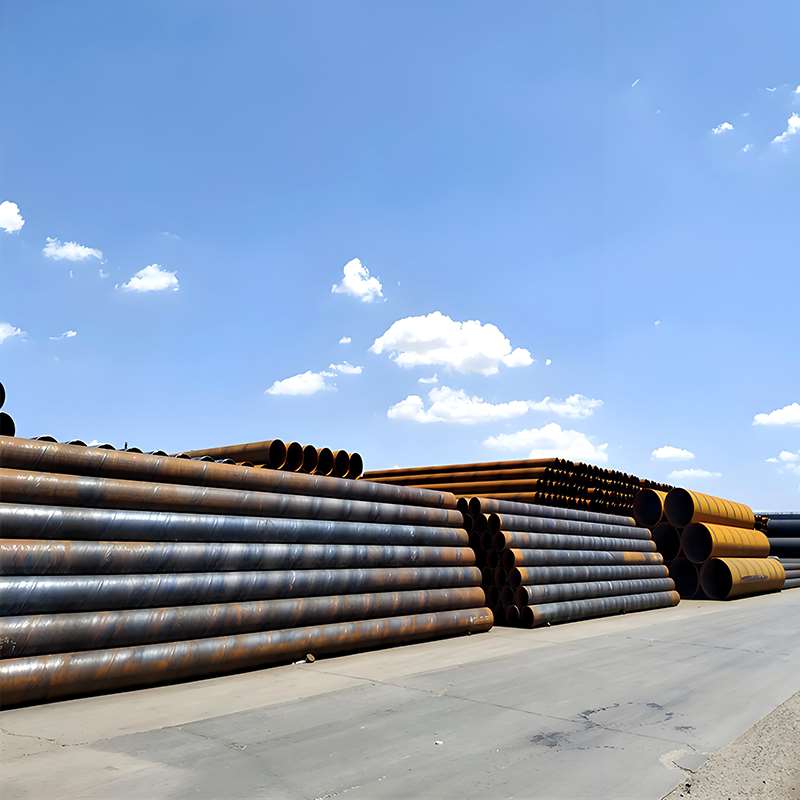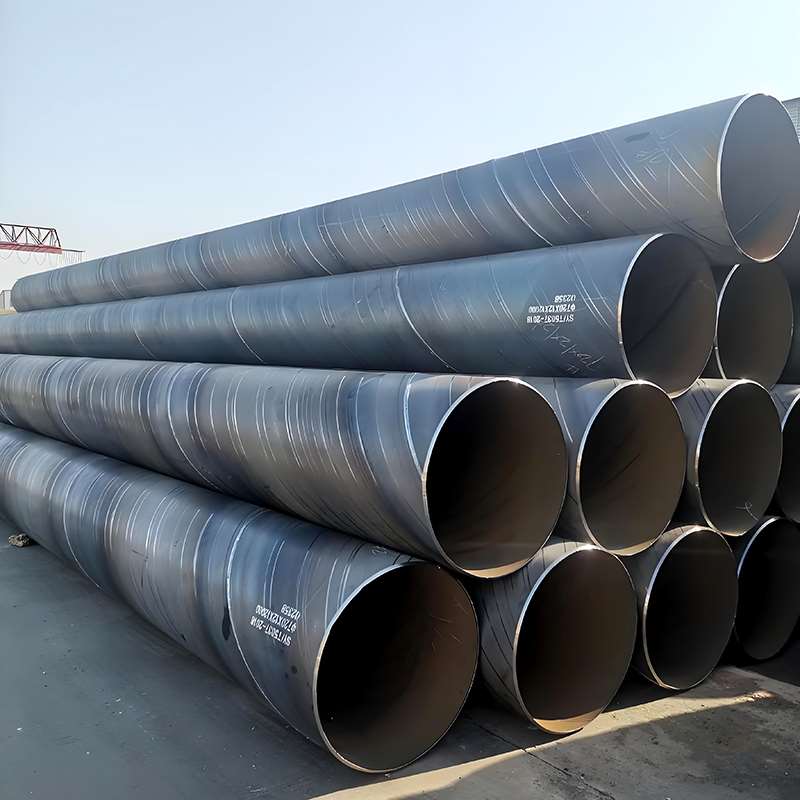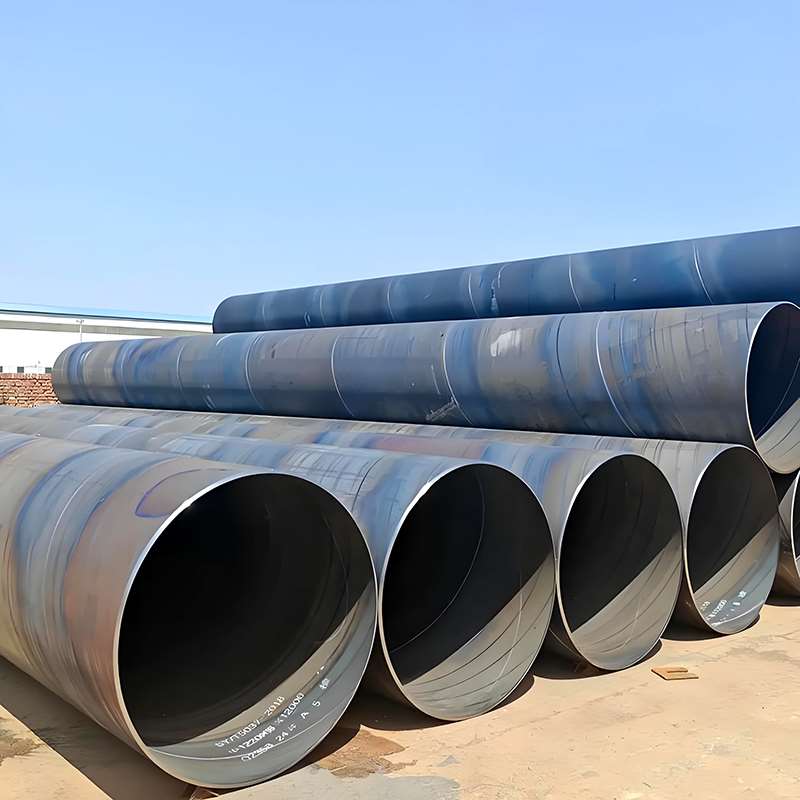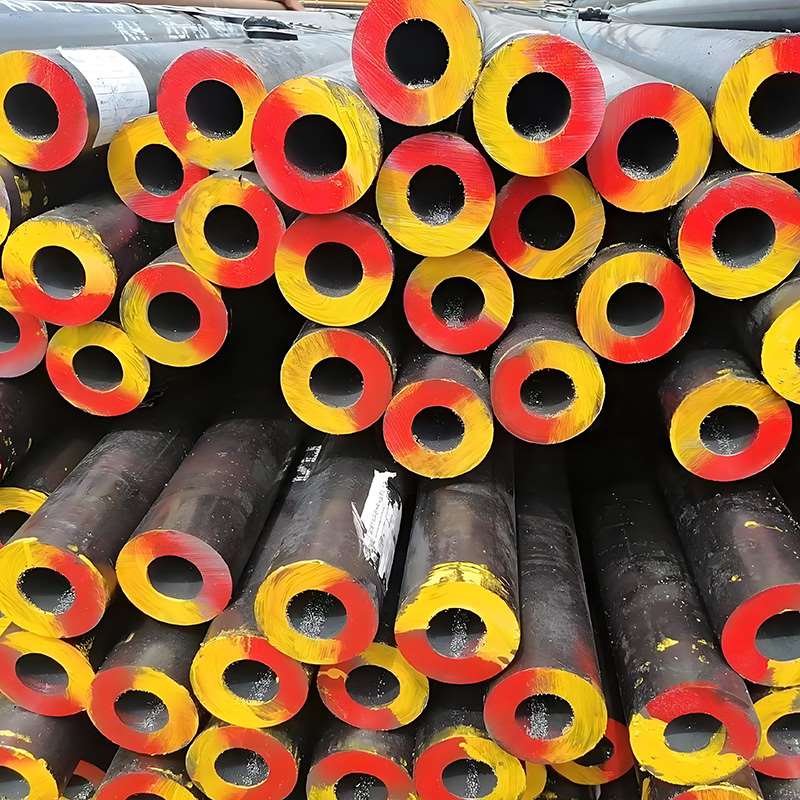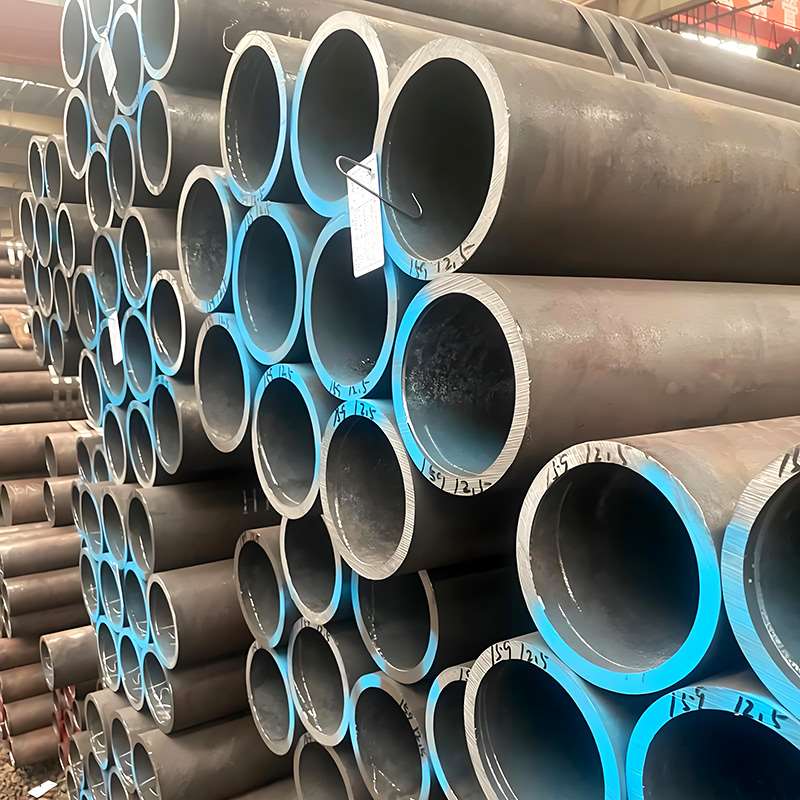
In large-scale international engineering projects, welded steel pipes—including SSAW, LSAW, and ERW pipes—are often regarded as the “arteries” of the project. Whether for hundreds of kilometers of oil and gas transmission pipelines, high-pressure water infrastructure systems, or offshore piling projects, pipe quality and delivery performance directly determine the success or failure of an EPC project.
As the world’s largest producer of steel pipes, China offers an enormous manufacturing base. However, the capabilities of every China Welded Steel Pipe Supplier vary significantly. Before placing an order, how can buyers look beyond marketing materials and identify a truly reliable manufacturer?
This article provides a practical evaluation framework based on real-world project procurement experience, helping buyers conduct in-depth supplier assessments and make informed sourcing decisions.
1. Verify Actual Production Capacity
Equipment Inspection
Do not judge a factory solely by the size of its workshop.
Instead, verify:
- Main forming lines
- Welding power systems
- Straightening equipment
- Equipment models and rated capacities
The actual production capability of a manufacturer is reflected in its core production equipment rather than its factory footprint.
Utility Consumption and Raw Material Records
Request monthly electricity bills and steel coil/steel plate procurement records for the previous 12 months.
Based on industry-standard electricity consumption per ton of steel pipe produced, buyers can estimate the supplier’s actual annual production volume and determine whether the claimed capacity is realistic.
Capacity Utilization Rate
During a factory audit, identify which customers are currently occupying the production lines.
If all production lines are already operating at full capacity with no available scheduling flexibility, inserting a new project order will likely result in delivery delays.
2. Evaluate the Effectiveness of the Quality Control System
End-to-End Traceability
Randomly select a completed pipe from the workshop and ask the quality inspector to trace the pipe’s production history within 15 minutes using the identification code marked on the pipe surface.
The traceability system should provide:
- Original Mill Test Certificate (MTC)
- Source steel mill information
- Welder identification number
- Welding consumable batch number
- Original radiographic inspection records
Any inability to complete this traceability chain indicates that the quality management system is ineffective.
Independent Mechanical and Chemical Laboratory
Verify whether the laboratory is equipped to perform:
- Tensile testing
- Charpy impact testing (especially at -20°C or -40°C)
- Hardness testing
- Metallographic analysis
Also review calibration certificates to ensure all testing equipment remains within its valid calibration period.
3. Manufacturing Qualifications and International Standard Compliance
Real-Time Verification Through Official Databases
Never rely solely on PDF certificates provided by the supplier.
For API-certified manufacturers, access the API Composite List and verify:
- License status
- Product scope
- PSL1 or PSL2 qualification
- Applicable specification level
- Manufacturing location
The registered manufacturing address must exactly match the production facility being evaluated.
Review Previous Certification Audit Findings
Request the most recent API or third-party certification audit reports, including:
- Nonconformity reports
- Corrective action plans
- Closure records
These documents often reveal far more about a factory’s compliance culture than the certificates themselves.
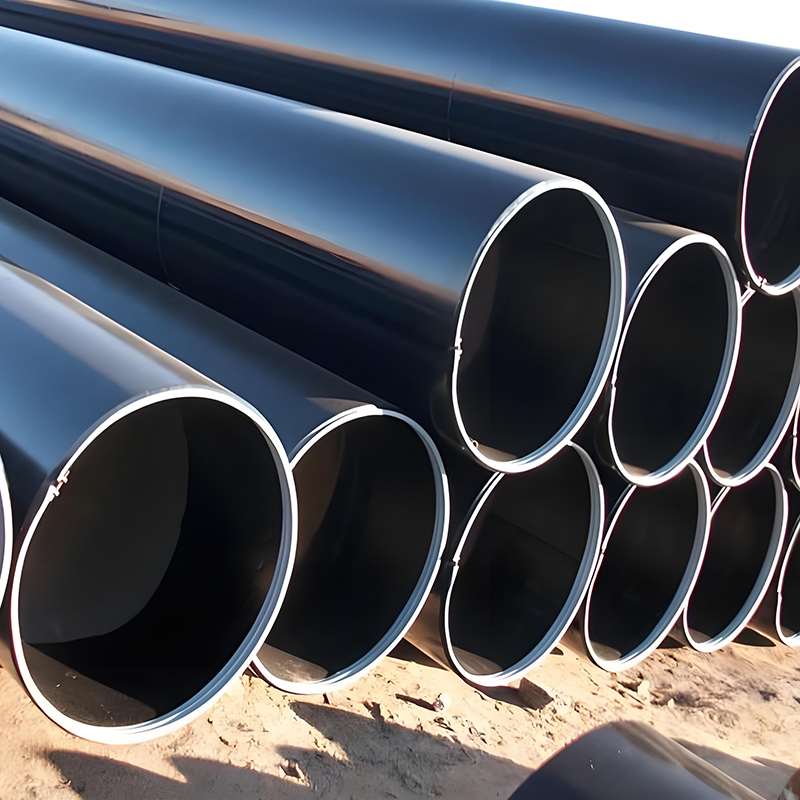
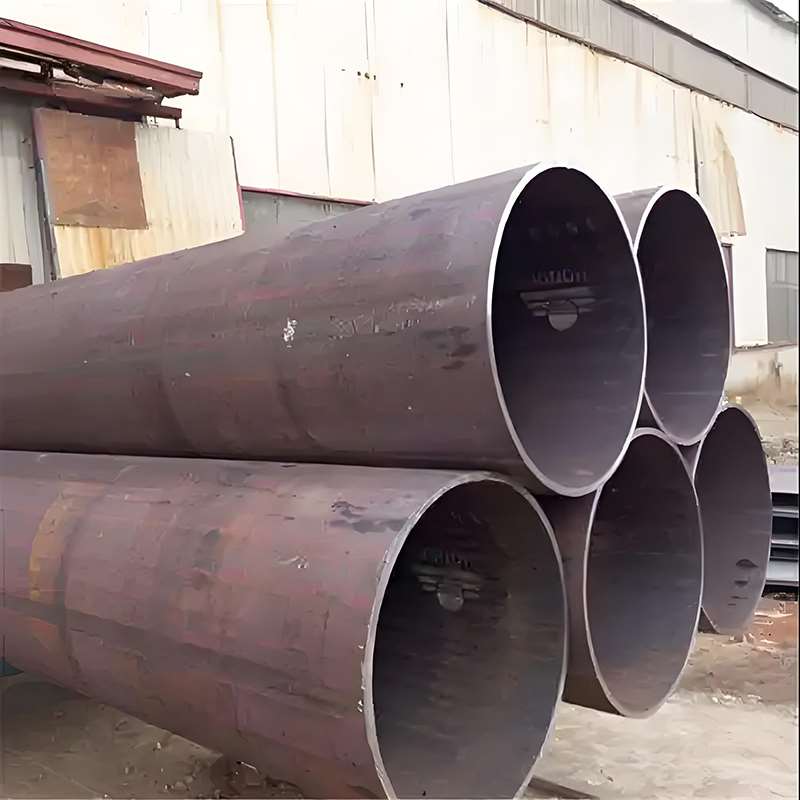
4. Critical NDT Capability Assessment
Qualification of NDT Personnel
For major projects such as API 5L PSL2 pipeline orders, NDT operators should hold recognized certifications such as:
- ISO 9712 Level II or III
- ASNT Level II or III
Equipment Configuration and Blind-Zone Verification
Online Ultrasonic Testing (UT)
Verify that the system covers:
- The entire weld seam
- Pipe end areas
Radiographic Testing (RT) or Digital Radiography (DR)
RT/DR equipment should be used to inspect:
- Pipe-end blind zones
- Suspect areas identified by UT
Hydrostatic Testing System
Review the hydrostatic testing recorder.
Verify:
- Maximum testing pressure capability
- Required pressure holding time (typically more than 10 seconds)
- Automatic pressure-time curve recording
- Tamper-proof data storage
5. Review Historical Delivery Performance
Bill of Lading Verification
Request three complete shipping records from similar projects completed within the last two years.
Documentation should include:
- Sales contract (contractual delivery date)
- Factory dispatch records
- Ocean bill of lading (actual shipment date)
Comparing contractual and actual shipment dates provides a realistic assessment of the supplier’s on-time delivery performance.
6. International Export Experience and Logistics Compliance
Foreign Trade Team Competence
Interview the export sales or logistics manager.
Assess their understanding of:
- Carrier liability allocation
- International trade terms
- Customs HS code classification
- Differences between coated and bare steel pipe export declarations
Professional export support is often as important as manufacturing capability.
Coating and Anti-Corrosion Capability
For projects requiring:
- 3PE coating
- Fusion Bonded Epoxy (FBE)
- Polyurethane insulation systems
special attention should be paid to the coating facility.
In many cases, coating operations are outsourced or managed separately from pipe manufacturing.
Key inspection items include:
- Surface preparation grade (Sa 2.5)
- Anchor profile depth
- Coating process control
These factors directly affect coating adhesion and long-term corrosion resistance and should be monitored alongside pipe manufacturing activities.
7. Historical Project Performance
End-User Approval Letters
Request official documentation proving that the supplier has been approved by major international project owners and included on their approved vendor lists.
Third-Party Inspection Reports
Review inspection reports issued by internationally recognized inspection agencies such as:
- SGS
- Bureau Veritas (BV)
- Intertek
These reports provide independent verification of the supplier’s past project execution capabilities.
Real Project Case Study
Project Background
In 2024, a Middle Eastern natural gas transmission project planned to procure 12,000 tons of API 5L X52 PSL2 LSAW steel pipe.
Supplier A passed the initial screening process by offering a price 8% lower than the market average and presenting a professionally designed English-language corporate presentation.
Critical Issues Discovered During Factory Audit
Before contract signing, the project owner assembled a joint audit team consisting of technical specialists and procurement consultants to conduct an unannounced factory assessment.
Several serious compliance issues were uncovered.
Misrepresented Equipment Capability
Supplier A claimed to operate a state-of-the-art large-diameter LSAW production line.
However, examination of equipment purchase records and nameplates revealed that the line had been acquired from a bankrupt small steel mill and refurbished for reuse.
The hydraulic control system exhibited unstable pressure performance, making it incapable of consistently maintaining roundness tolerances for heavy-wall pipes.
Manipulation of NDT Inspection
During an inspection of the online UT system, auditors intentionally introduced an oversized lack-of-fusion defect into a test sample.
When the sample passed through the inspection equipment, the system initially triggered an alarm.
However, the operator immediately reduced the UT gain setting, causing the alarm to disappear.
This demonstrated that defective pipes could potentially be released during routine production.
Undisclosed Material Substitution
By reviewing incoming material records, auditors discovered that the steel plates in inventory were not sourced from the Baosteel or Ansteel mills specified in the tender documents.
Instead, the materials originated from several smaller regional mills that had not been approved by the project owner.
Final Decision
The project team ultimately rejected Supplier A and selected Supplier B, whose quotation was approximately 8% higher.
Supplier B offered:
- A fully automated quality control system
- Complete production traceability
- Transparent raw material sourcing
The project was delivered on schedule, and the field welding first-pass acceptance rate reached 98.5%.
More importantly, the project avoided the potential risk of millions of dollars in pipeline rework costs and construction delays.
Conclusion
Selecting a reliable China Welded Steel Pipe Supplier requires far more than comparing quotations and reviewing brochures.
For EPC contractors, project owners, and procurement professionals, the key evaluation criteria should include:
- Actual production capacity
- Quality traceability systems
- International certification compliance
- NDT capabilities
- Historical delivery performance
- Export experience
- Proven project references
A supplier’s true strength is revealed not in its marketing materials, but in its manufacturing data, quality records, and real-world project performance.
In high-value pipeline projects, choosing the right supplier is often far more important than securing the lowest price.