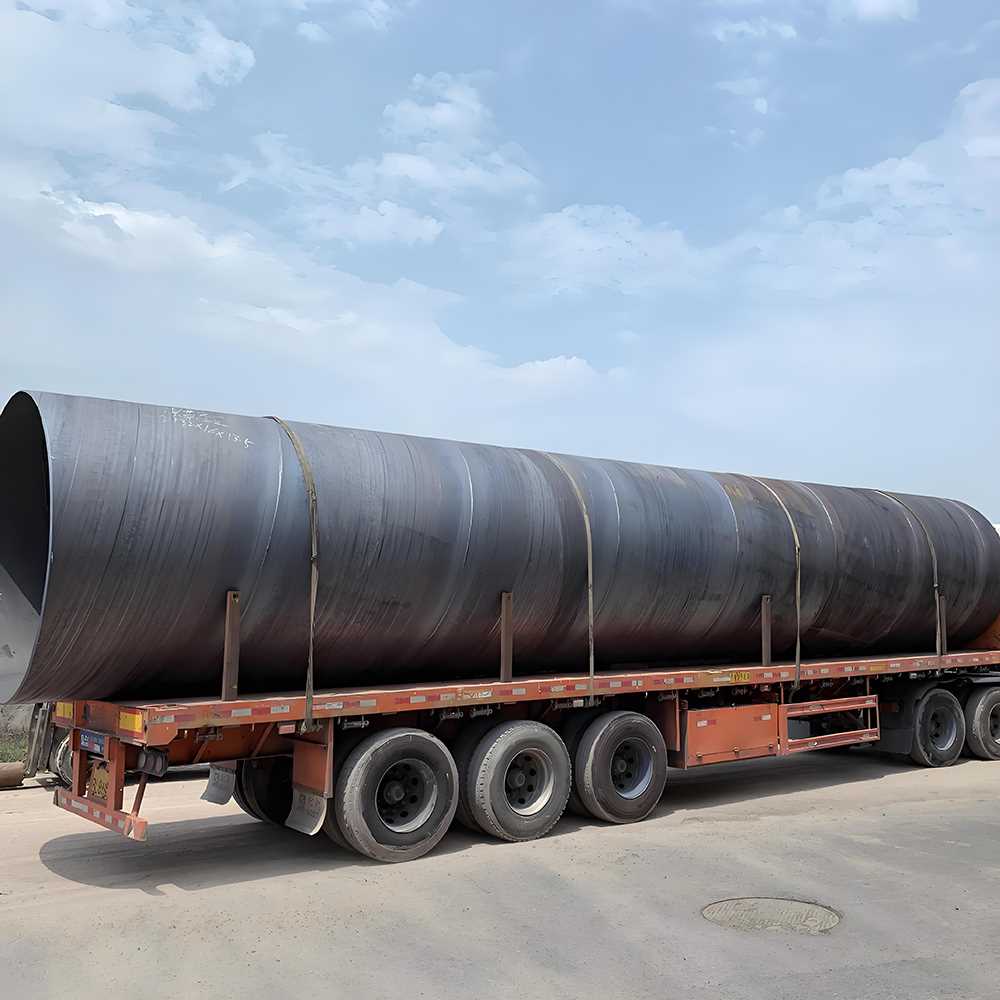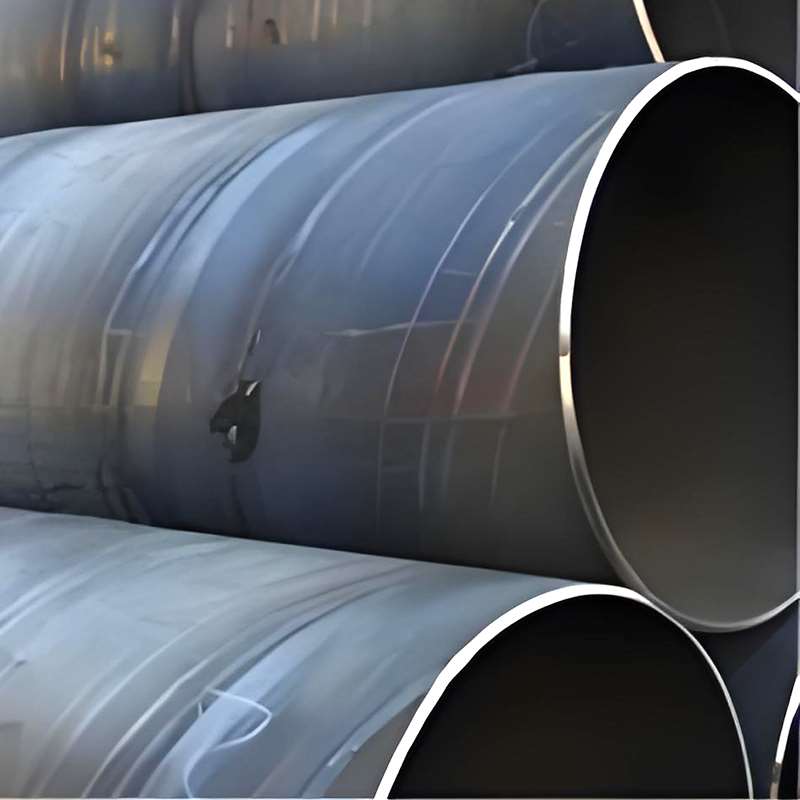
In the field of natural gas transmission, the safety, stability, and long-term reliability of pipelines are of paramount importance. Spiral steel pipes for gas pipelines, with their outstanding performance and cost-effectiveness, have become the ideal piping material widely used in high-pressure, long-distance natural gas pipeline systems.
This article will provide a detailed overview of the product’s definition, structural characteristics, and production standards, and analyze how it addresses key challenges in gas transmission, helping users reduce engineering risks and operational costs.
I. Definition and Structural Characteristics of Spiral-Welded Steel Pipes for Gas Transmission
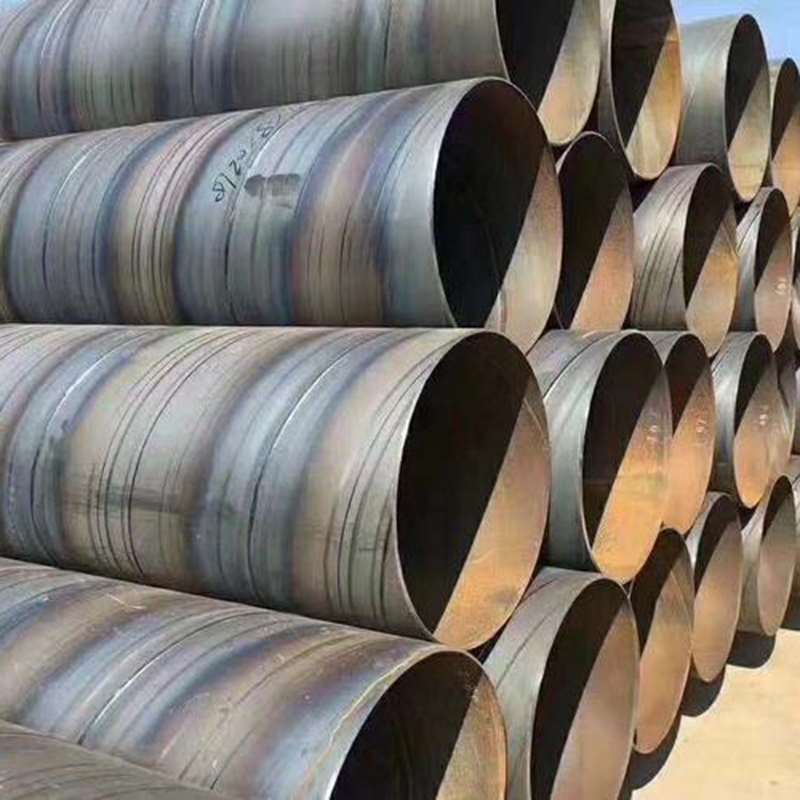
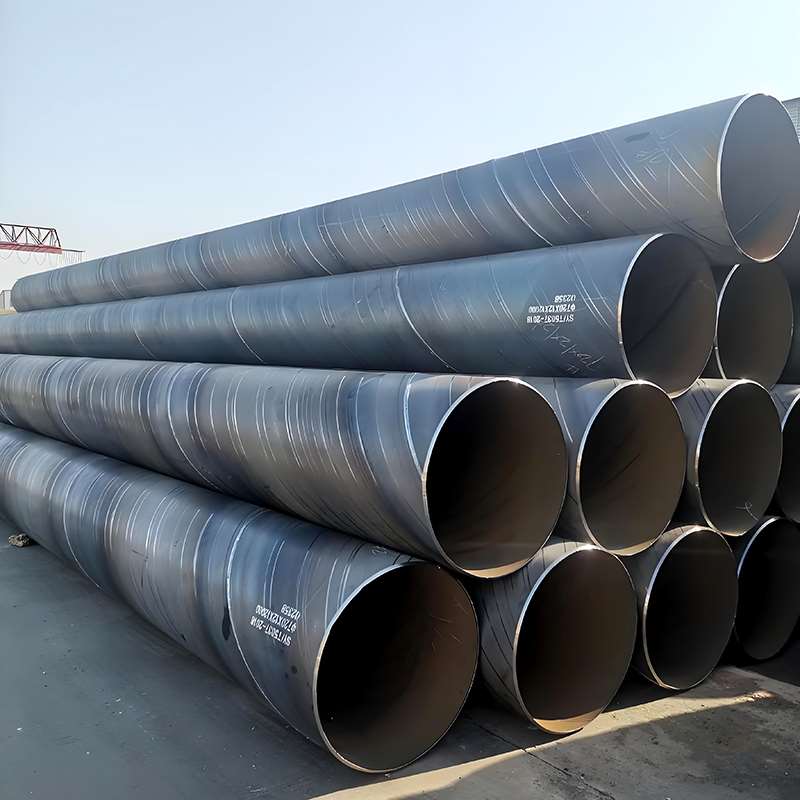
- Spiral-welded steel pipes for gas transmission are manufactured by welding steel strips in a spiral pattern to form pipes with excellent pressure-bearing capacity and corrosion resistance.
- They are suitable for use in urban gas distribution networks, industrial gas transmission, and the transportation of natural gas or liquefied petroleum gas in highly corrosive environments such as mines and chemical plants.
i. Manufacturing Processes and Standards
Spiral welded steel pipes are manufactured using advanced spiral welding technology and must strictly comply with international standards such as API 5L and GB/T 9711. Common production processes include the rolling of steel strips, welding and forming, and subsequent heat treatment to ensure the pipe’s strength, leak-tightness, and corrosion resistance.
ii. Structural Advantages
- High Pressure Resistance: The spiral welded structure distributes stress evenly, enabling spiral welded steel pipes to withstand high-pressure conditions and making them suitable for long-distance transportation.
- Strong Corrosion Resistance: Internal and external anti-corrosion treatments effectively resist corrosion from gas components, making them particularly suitable for harsh environments.
- High Strength: The design of the welded joints in spiral welded steel pipes enhances the pipe’s strength, making it suitable for high-pressure and high-load working environments.
- Excellent Sealing Performance: Precision welding processes ensure the pipe’s sealing performance, reducing the risk of gas leaks.
II. Common Issues and Challenges in Gas Pipelines
The operating environment of gas pipelines often presents numerous challenges, and spiral welded steel pipes offer unique advantages in addressing these issues.
- High-Pressure Conditions
Gas pipelines often need to withstand high internal pressures, particularly in urban gas networks and industrial gas transmission systems. Traditional pipe materials may pose a risk of insufficient pressure-bearing capacity, whereas spiral welded steel pipes, with their high pressure-bearing capacity, can effectively prevent pipeline ruptures or leaks caused by high pressure. - Corrosion Risks
Gas pipelines are laid underground, underwater, or in harsh environments, where they are continuously exposed to corrosive media. Traditional steel pipes are prone to corrosion, which shortens their service life. Spiral welded steel pipes, treated with internal and external anti-corrosion coatings and epoxy resin coatings, effectively enhance corrosion resistance and extend the pipeline’s service life. - Sealing Safety
Gas pipelines require extremely high levels of sealing integrity; even the slightest leak can pose a significant safety hazard. Spiral welded steel pipes utilize high-precision welding techniques to ensure the integrity of every pipe, eliminating leakage issues at the source. - Geological Subsidence and Deformation
Due to geological subsidence or other external forces, pipelines are prone to deformation or rupture, challenges that traditional pipe materials may struggle to withstand. Spiral welded steel pipes, however, effectively distribute pressure through their spiral welded structure, enhancing the pipeline’s resistance to deformation and ensuring more reliable performance under complex geological conditions. - Long-Term Operational Reliability
Gas pipelines are typically long-term infrastructure, and their stability directly impacts the operation of the entire transmission system. The pressure resistance, corrosion resistance, and crack resistance of spiral welded steel pipes ensure their long-term reliability, reducing the frequency of maintenance and replacement. - Construction Difficulty
The installation of gas pipelines is challenging, particularly in complex terrain or harsh environments. Due to their standardized and modular design, spiral welded steel pipes simplify construction processes, shorten project timelines, and lower installation costs.
III. How Spiral-Welded Steel Pipes Address Key Challenges in Gas Pipelines
| Issue | Traditional Pipes | Advantages of Spiral Steel Pipes |
|---|---|---|
| High Pressure Capacity | Limited pressure resistance | High pressure-bearing capacity, suitable for high-pressure gas transmission |
| Corrosion Risk | Prone to corrosion | Internal and external anti-corrosion coatings improve resistance and extend service life |
| Sealing Performance | Prone to gas leakage | High-precision welding ensures excellent sealing and reduces leakage risk |
| Ground Settlement & Deformation | Easily affected by deformation | High strength and strong deformation resistance, suitable for complex geological conditions |
| Long-Term Reliability | Short service life | Stable long-term operation reduces maintenance frequency and lowers operating costs |
| Construction Difficulty | Difficult installation | Standardized and modular design simplifies construction, shortens project duration, and reduces installation costs |
IV. Application Scenarios and Selection Recommendations
In gas pipeline engineering, spiral welded steel pipes are widely used in the following areas:
- Urban gas networks: Suitable for high-pressure gas transmission pipelines, ensuring the safe supply of urban gas.
- Industrial gas transmission: Provides stable gas transmission in industries such as chemicals, metallurgy, and energy.
- Mining and chemical environments: Resistant to high pressure and corrosion, suitable for complex and harsh environments.
Selection Recommendations:
- Material Selection: Select appropriate materials and anti-corrosion treatments based on the pipeline’s operating pressure, the corrosiveness of the medium, and environmental conditions.
- Wall Thickness and Specifications: Consider the pipeline’s transmission pressure and flow rate to select appropriate wall thickness and pipe diameter, ensuring safe and reliable operation.
- Anti-Corrosion Treatment: For pipelines laid underground or underwater, anti-corrosion coatings and lining materials are critical; selecting appropriate anti-corrosion technologies can extend the pipeline’s service life.
V. Installation and Maintenance Recommendations
- Installation Guidelines: Ensure the quality of pipe welds, avoid stress concentrations, and follow relevant technical specifications during installation.
- Acceptance Criteria: Upon completion of construction, conduct a comprehensive inspection, paying particular attention to the integrity of welded joints and the pressure-bearing capacity of the piping system.
- Ongoing Maintenance: Conduct regular inspections of the piping system, especially in corrosive environments, and promptly repair anti-corrosion coatings to ensure long-term safe operation.