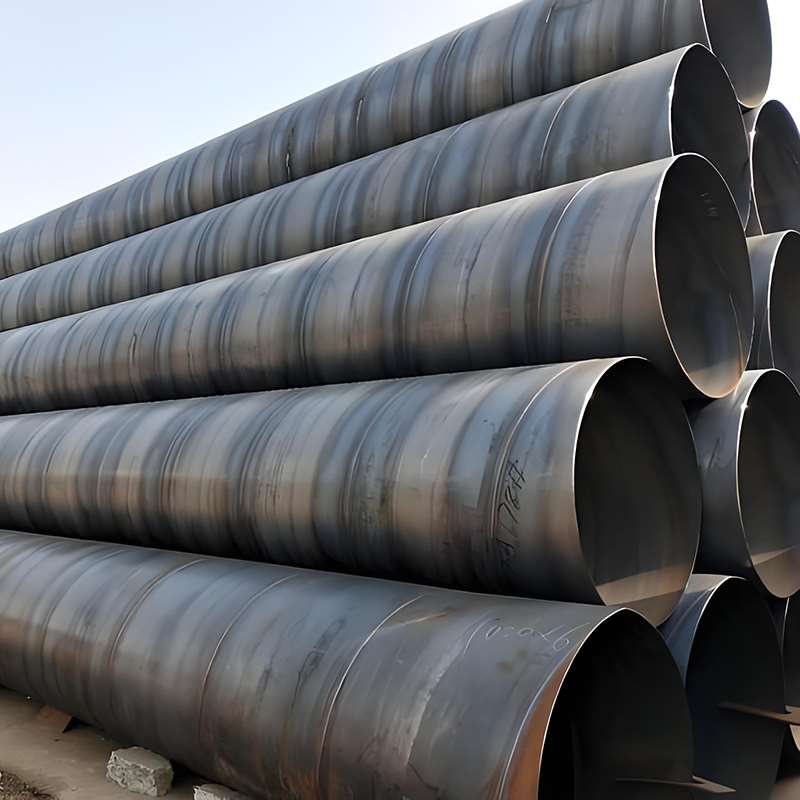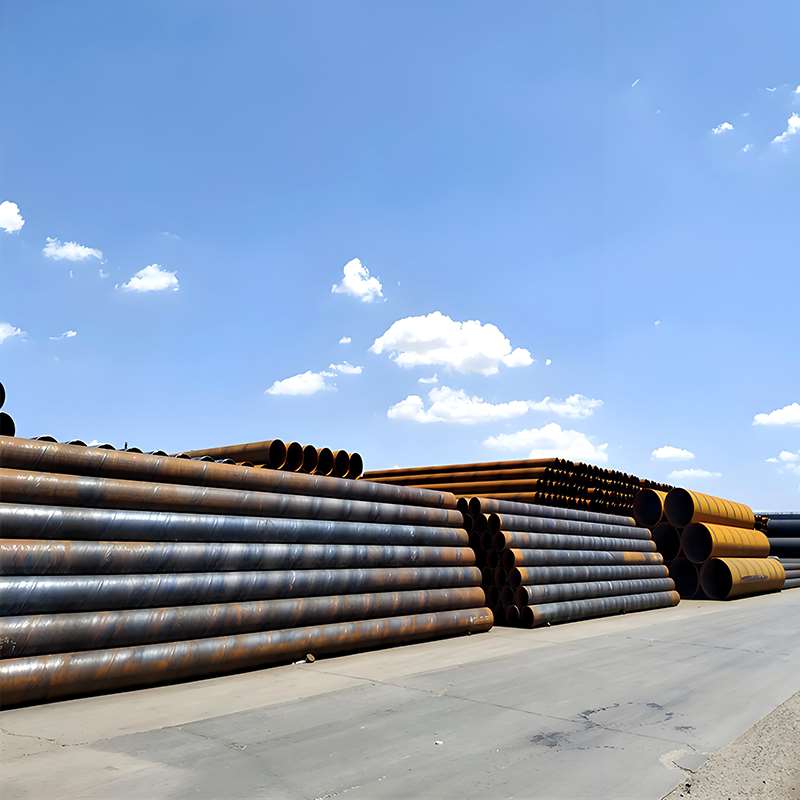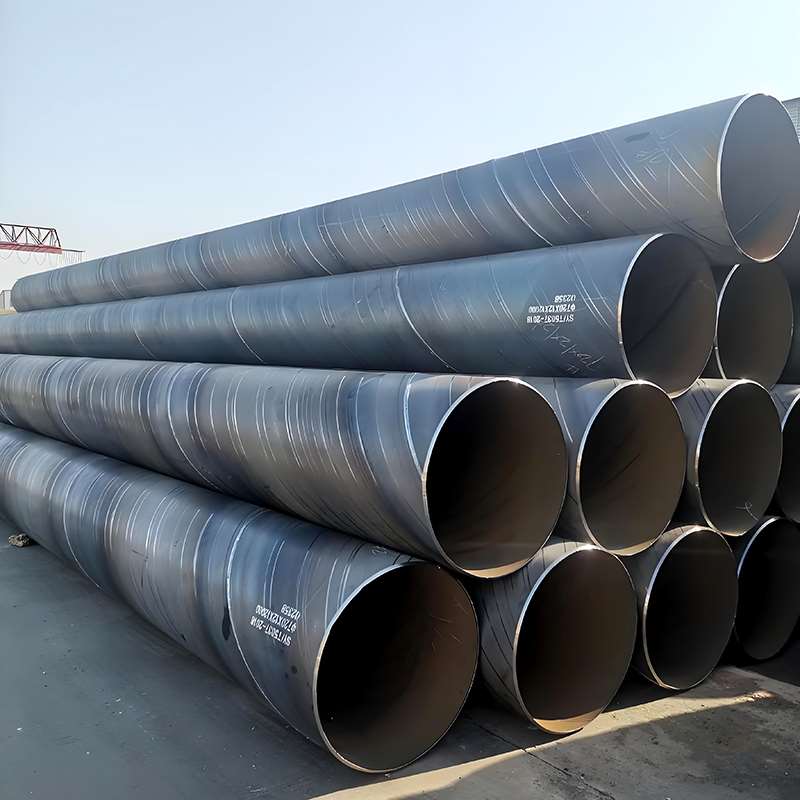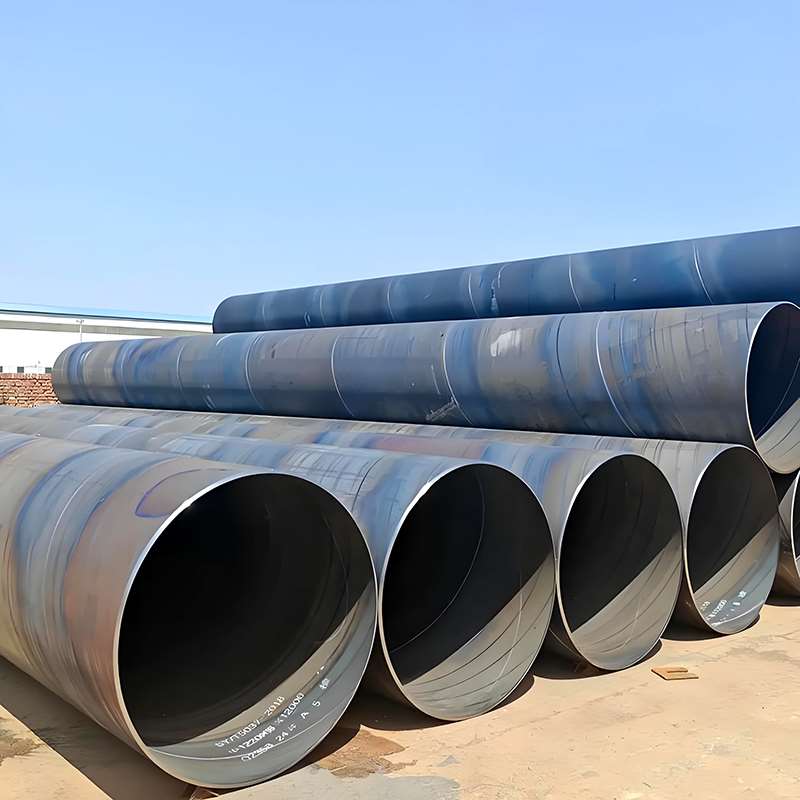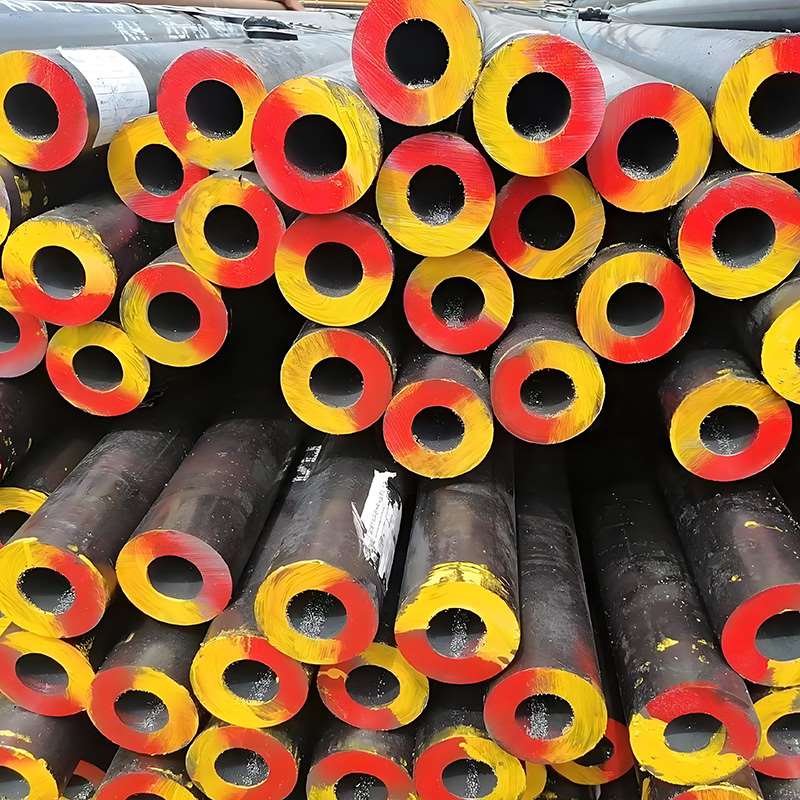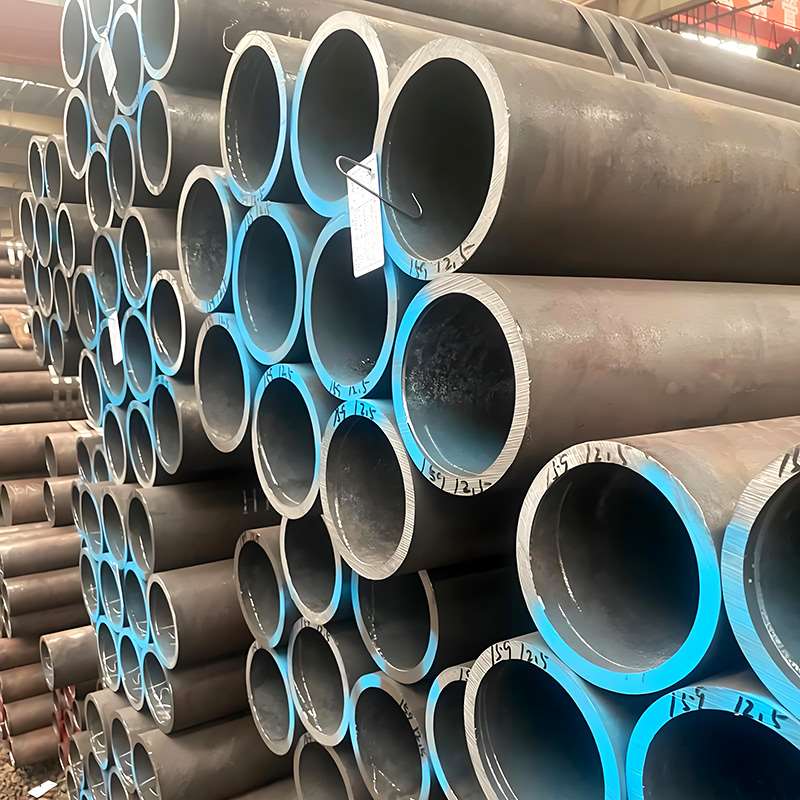
For international EPC contractors, procurement managers, and industrial owners, welded steel pipes (such as ERW, LSAW, and SSAW) typically account for more than 60% of the total pipeline material budget in large-scale projects. In the global commodity market, steel pipe pricing is far more complex than a simple “price per ton.” Instead, it is a dynamic outcome influenced by raw material trends, technical specifications, manufacturing processes, logistics, and trade compliance requirements.
A clear understanding of cost structure and price fluctuation mechanisms allows procurement professionals not only to identify suppliers’ cost floors during negotiations but also to achieve structural cost optimization through engineering selection.
This article breaks down the six core factors affecting welded steel pipe pricing and provides practical cost-control strategies for real-world procurement scenarios.
I. Six Key Factors Influencing Welded Steel Pipe Pricing
- 1. Raw Material Market (70%–80% of Base Cost)
- 2. Manufacturing Process Differences (ERW vs SSAW vs LSAW)
- 3. Technical Standards & Specification Level (PSL1 vs PSL2 / NDT Requirements)
- 4. Dimensional Requirements & Customization (Negative Tolerance / Wall Thickness / Beveling)
- 5. Coating & External Processing (3PE / FBE / Insulation)
- 6. Geopolitical Logistics & Trade Barriers
1. Raw Material Market Trends
Raw materials (hot-rolled coils and medium-to-thick steel plates) account for approximately 70%–80% of total manufacturing cost for welded steel pipes. Therefore, global and domestic steel benchmarks—such as Shanghai Futures Exchange (SHFE) rebar and hot-rolled coil futures—serve as the primary pricing anchor.
Key Procurement Insight:
- ERW and SSAW pipes use hot-rolled steel coils as feedstock. Their pricing is directly tied to coil market fluctuations.
- LSAW pipes are manufactured from single sheets of medium-to-thick steel plates. Due to stricter rolling requirements and higher metallurgical uniformity, plate steel is typically 5%–10% more expensive per ton than hot-rolled coils at the same grade level. This structural difference leads to a higher baseline cost for LSAW pipes.
2. Manufacturing Process & Equipment Depreciation (ERW vs SSAW vs LSAW)
Different manufacturing processes vary significantly in efficiency, capital investment, and material loss, which directly impacts processing costs.
ERW (Electric Resistance Welded)
- Continuous high-speed production (tens of meters per minute)
- Low energy consumption and high automation
- Lowest processing cost among the three types
SSAW (Spiral Submerged Arc Welded)
- Continuous forming process, but slower welding speed due to submerged arc welding limitations
- Longer weld seam requires more welding wire and flux consumption
- Medium processing cost
LSAW (Longitudinal Submerged Arc Welded)
- Produced via JCOE or UOE single-plate forming process
- Requires multi-thousand-ton hydraulic presses for stepwise forming
- Full-length mechanical expansion required for each pipe
- High equipment depreciation and labor intensity
As a result, LSAW processing costs are typically 2–3 times higher than ERW.
3. Technical Standards & Specification Grades
The stricter the engineering specification, the higher the compliance cost for manufacturers.
API 5L PSL1 vs PSL2 Cost Impact
Compared with PSL1, PSL2 requires:
- Mandatory low-temperature impact testing (Charpy V-notch)
- DWTT (Drop Weight Tear Test)
- Strict chemical composition control (carbon equivalent limits)
- 100% full-length NDT inspection
Upgrading from PSL1 to PSL2 typically increases cost by USD 50–100 per ton.
Non-Destructive Testing (NDT) Requirements
- Standard structural pipes: spot inspection or basic hydrostatic testing
- High-pressure pipelines:
- 100% online ultrasonic testing (UT)
- 100% offline radiographic testing (RT)
- Magnetic particle testing (MT) at pipe ends
Each additional inspection step and third-party inspection (TPI) requirement increases production cost significantly.
4. Dimensional Tolerances & Custom Specifications
Non-Standard Dimensions
Non-standard OD or wall thickness requires:
- New die/tooling development (costing tens of thousands of USD), or
- Production line adjustment and reconfiguration
This results in additional tooling charges or higher minimum order quantities (MOQ).
Negative Tolerance Strategy (“Weight Manipulation” in Market Practice)
In many cases, low pricing is achieved by exploiting allowable negative tolerances.
Example:
- Standard allows -10% wall thickness tolerance
- A nominal 10 mm pipe may be produced at 9.1 mm
If procurement contracts specify:
- Theoretical weight settlement, or
- No negative tolerance allowed
Supplier quotations typically increase by 5%–8%, as cost manipulation via underweight production is eliminated.
Additional Cost Drivers
- Pipe end beveling requirements
- Specified anti-corrosion primer brands
- Heavy-duty plastic bevel protectors
- Custom packaging requirements
5. Coating & Value-Added Processing
Most modern pipeline projects do not use bare steel pipes. Anti-corrosion systems are typically required.
Common Coating Systems:
- 3PE (Three-Layer Polyethylene Coating)
- FBE (Fusion Bonded Epoxy)
- Liquid epoxy coatings
- Polyurethane foam insulation systems
Cost Drivers:
- Raw material price volatility (polyethylene granules, epoxy powder)
- Independent coating workshop pricing structure
- Additional logistics (re-handling, transportation)
- Surface preparation requirements (e.g., Sa 2.5 or Sa 3 blasting standard)
All of these factors directly affect final composite unit pricing.
6. Logistics, Trade Barriers & International Shipping Costs
Steel pipes are heavy bulk commodities with high volume-to-weight ratios, making logistics a major cost component.
Freight Volatility
- Ocean freight (container or bulk vessel charter rates) can cause 10%–20% price fluctuations within weeks
- Shipping constraints significantly impact CIF pricing
Trade Restrictions
Some countries and regions (e.g., the United States, EU, India) impose:
- Anti-dumping duties (ADD)
- Countervailing duties (CVD)
Procurement teams must verify:
- Rules of origin
- Destination customs tariff structures
In some cases, additional coating or processing in third countries is used to alter origin classification, which introduces extra logistics and tax costs.
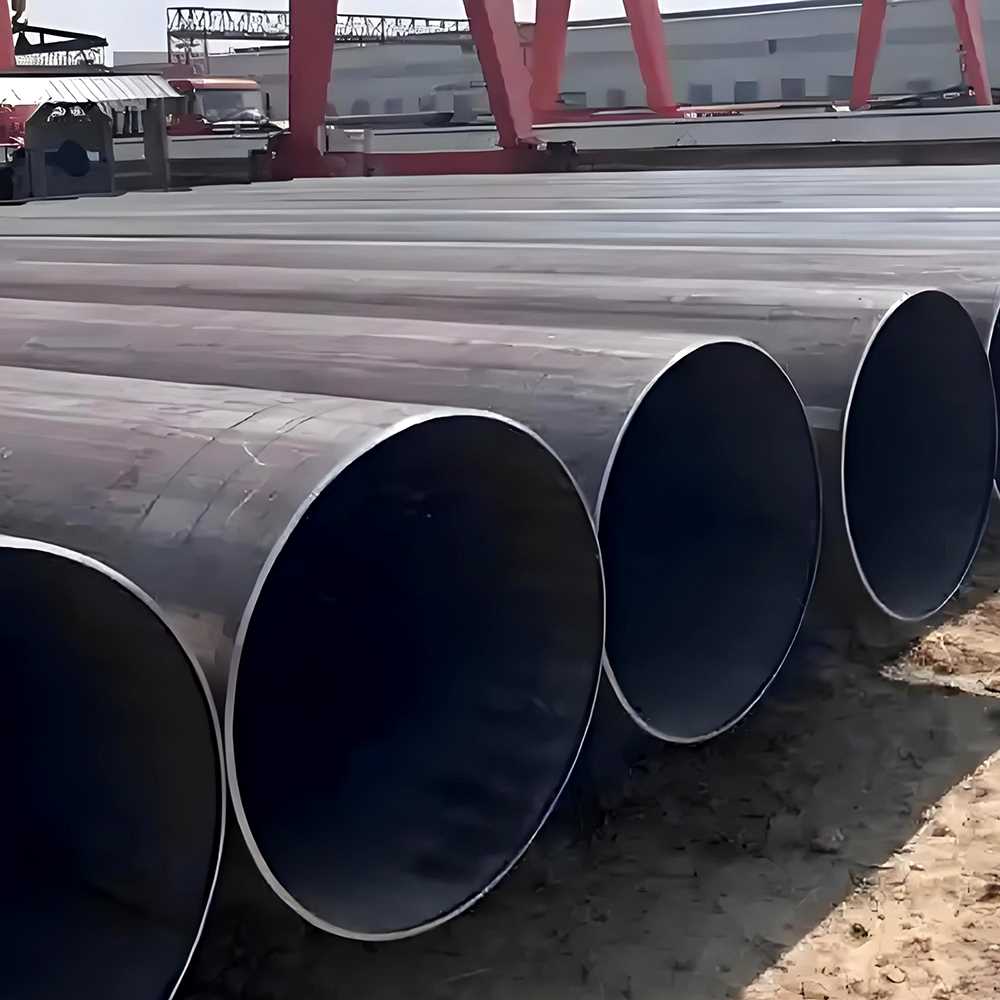
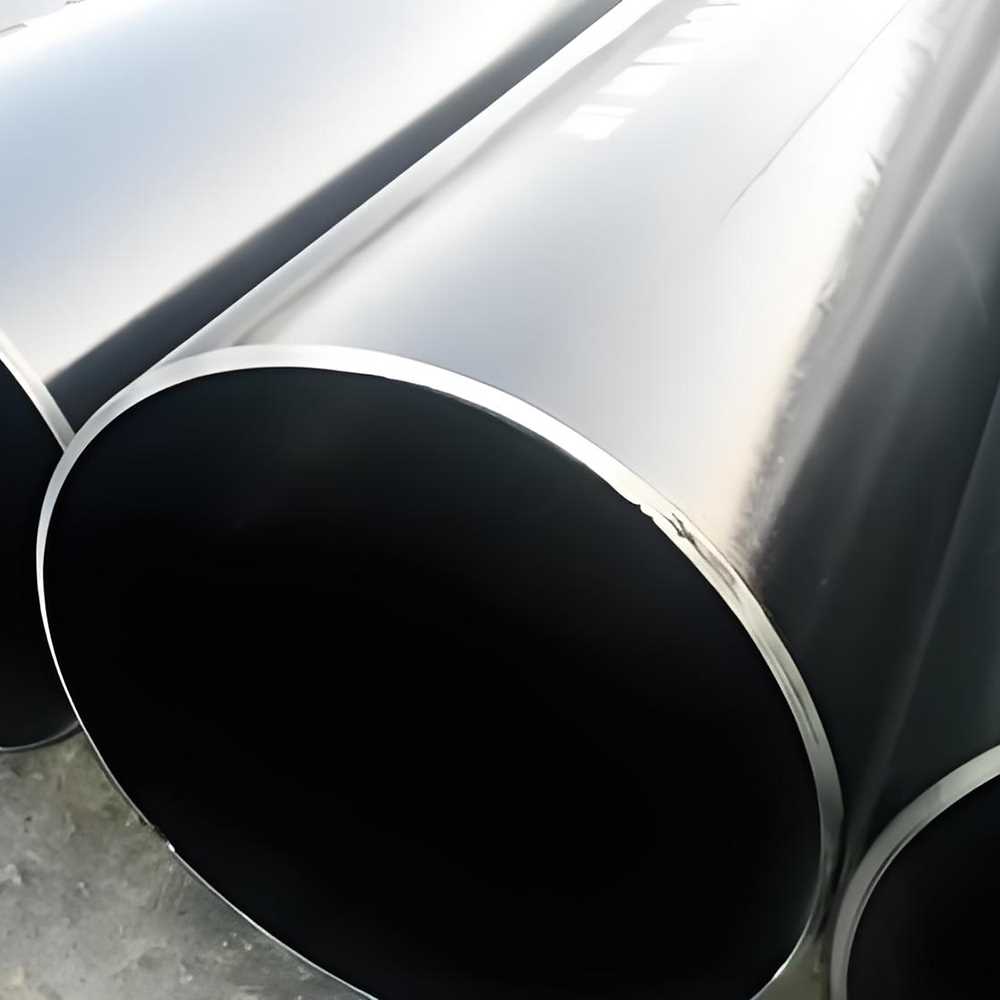
II. Practical Cost-Control Strategies for Procurement
Professional procurement managers should not rely solely on price negotiation, but instead combine engineering optimization with commercial strategy.
1. Engineering Optimization for Cost Reduction
Avoid over-specification at the design stage.
For example:
- For low-to-medium pressure water pipelines, piling, or structural support applications
- With diameters between 508 mm and 610 mm
Engineering teams may evaluate replacing:
- LSAW → ERW or SSAW
👉 This can reduce total cost by 15%–25% through manufacturing substitution alone.
2. Price Formula Mechanism (Index-Based Pricing)
For long-term projects (6–12 months or more), avoid fixed lump-sum contracts, as suppliers will hedge raw material risks into the initial quotation.
Recommended Pricing Model:
Final Price = Fixed Processing Fee
- Average SHFE hot-rolled coil / plate price (pre-shipment week)
This structure:
- Transfers raw material volatility risk to the market
- Ensures suppliers earn only processing margins
- Improves competitiveness of base quotations
3. Avoid Tolerance Traps & Standardize Weight Settlement
During RFQ stage, require suppliers to quote both:
- Theoretical weight basis
- Actual weighing basis
If actual weighing is used:
- Contract must strictly limit negative tolerance to no more than -3% (or stricter)
This prevents under-spec production and ensures both quantity and quality compliance.
III. Quick Reference Table: Key Pricing Evaluation Indicators
| Cost Component | Price Sensitivity | Common Supplier “Hidden Margin” Practices | Buyer Countermeasures |
|---|---|---|---|
| Base steel (plate/coil) | Very High (≥70%) | Use non-approved secondary mills to reduce cost | Define approved vendor list (AVL) in contract |
| Standards & NDT | Medium (5%–15%) | Reduce inspection scope or bypass calibration of UT equipment | Require full ITP + third-party inspection (TPI) |
| Dimensional tolerance | Medium (3%–8%) | Exploit -10% tolerance and sell by theoretical weight | Require individual pipe weighing records or tighten tolerance |
| Coating process | Medium (10%–20%) | Use recycled polyethylene for 3PE; lower blasting quality | Verify surface profile and coating adhesion test reports |
IV. Conclusion
In global welded steel pipe procurement, the lowest bid often conceals significant risks related to project delays and catastrophic quality failures. A professional procurement strategy must go beyond price comparison and focus on understanding the underlying physical limits and compliance costs behind pricing.
By:
- Locking raw material indices in commercial contracts,
- Eliminating tolerance loopholes in technical specifications,
- And selecting engineering solutions with “fit-for-purpose” design logic,
procurement teams can ensure both structural safety of critical pipeline systems and maximum commercial efficiency in large-scale infrastructure projects.