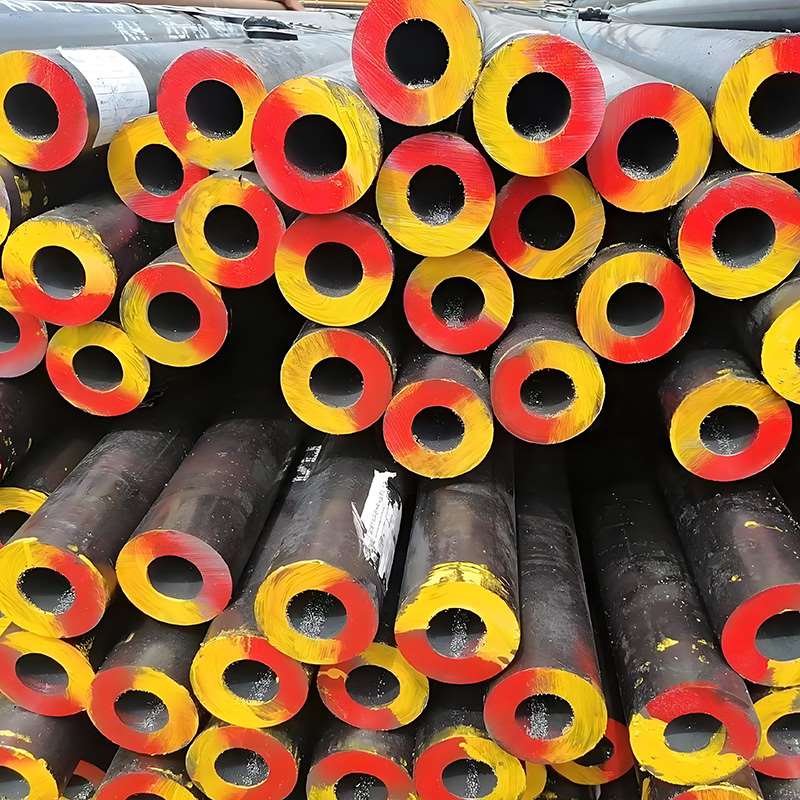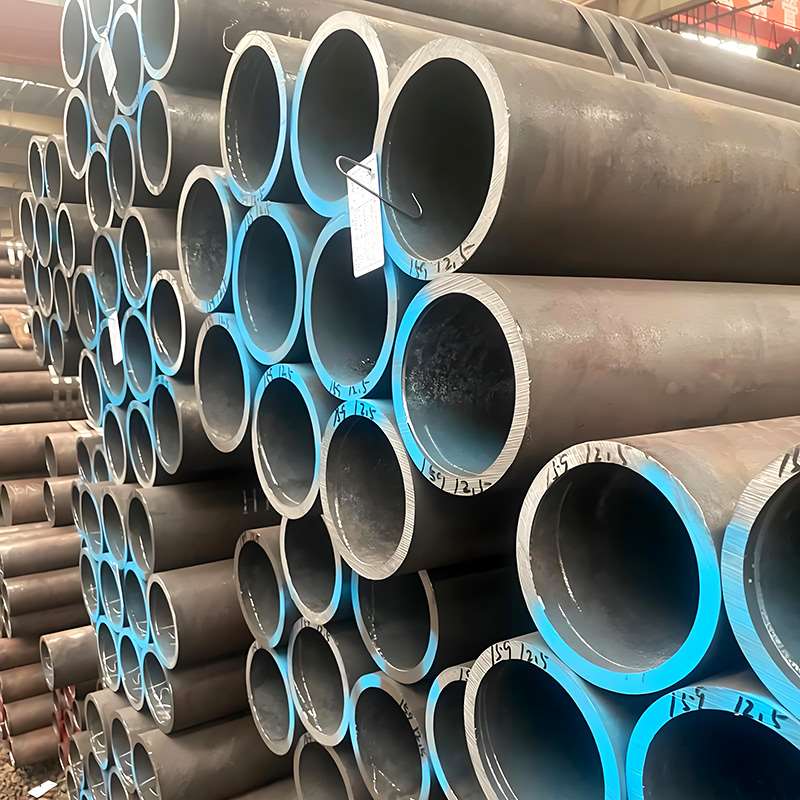
In the oil and gas industry, steel pipes are not only channels for transporting media, but also the core of the entire project’s safety and lifespan.
Many buyers searching for “Welded Steel Pipes for Oil” are not truly concerned with “what steel pipes are,” but rather—can these steel pipes operate stably for a long time under conditions of high corrosion, high pressure, and extreme weather? Will they fail prematurely? How can maintenance and replacement costs be reduced?
This article will delve into these real-world needs, providing an in-depth analysis of the corrosion resistance and durability of welded steel pipes in harsh environments, and offering practical selection and control recommendations.
I. Just How “Harsh” Are Oil Working Conditions?
The root of many engineering problems lies not in the steel pipes themselves, but in a lack of understanding of the working conditions.
Common Extreme Environments
| Operating Condition Type | Typical Environment | Main Risks |
|---|---|---|
| High-sulfur (H₂S) Oil & Gas Fields | Sulfur-containing crude oil, sour gas | Sulfide Stress Cracking (SSC) |
| High CO₂ Environment | CO₂ flooding, natural gas pipelines | CO₂ corrosion (sweet corrosion) |
| Marine Environment | Subsea pipelines, offshore platforms | Chloride corrosion, pitting |
| Low-temperature Environment | High-latitude regions, LNG projects | Brittle fracture |
| High-pressure Transmission | Long-distance oil & gas pipelines | Pipeline rupture risk, fatigue damage |
II. Corrosion Mechanism of Welded Steel Pipes: Where Does the Problem Come From?
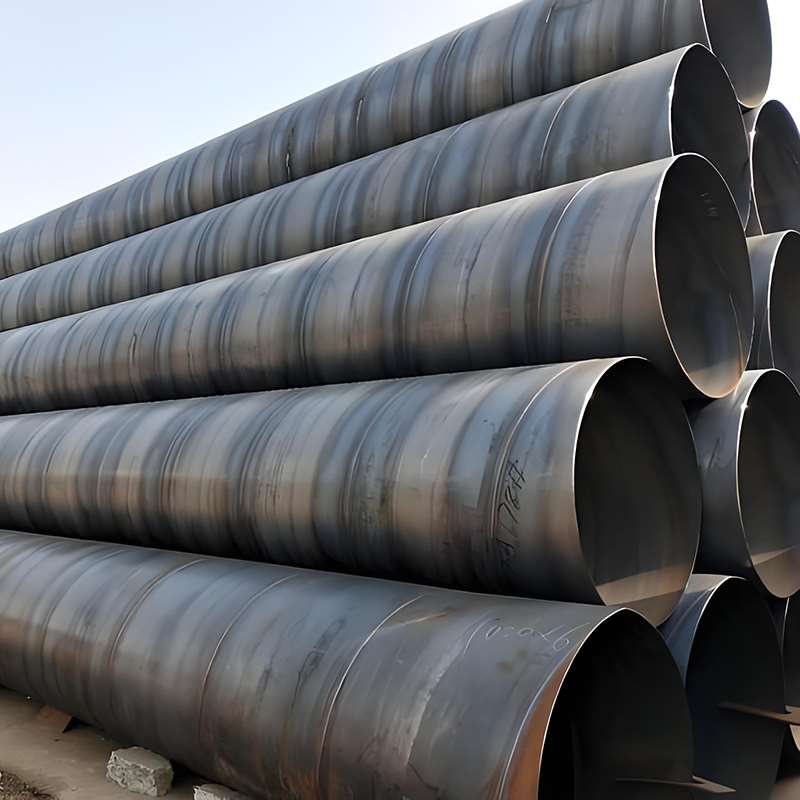
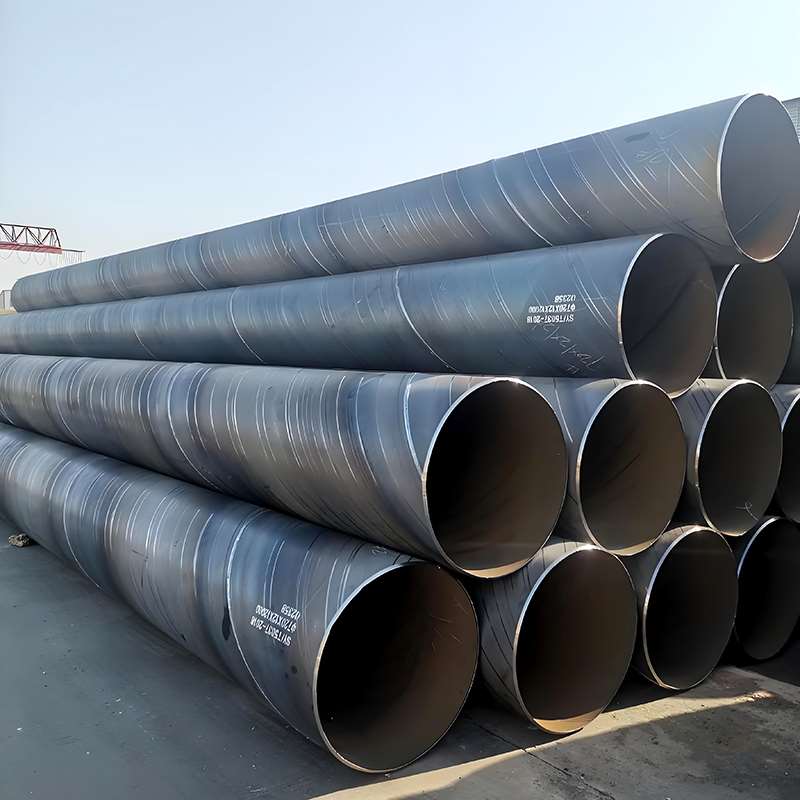
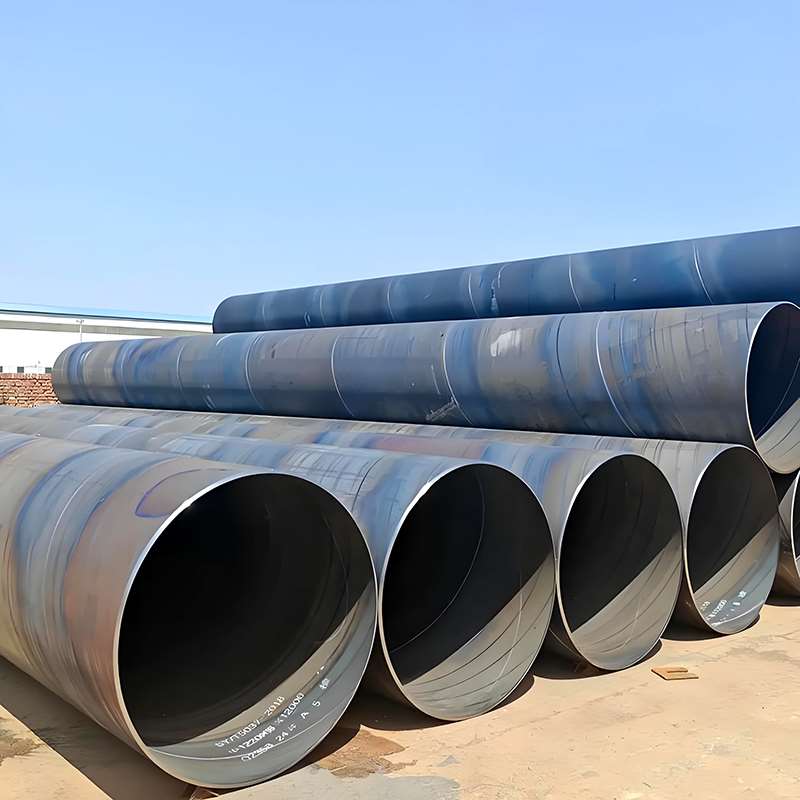
Welded steel pipes (such as ERW and LSAW) perform well in petroleum applications, but corrosion often concentrates in the following key areas:
- Weld Area (Weakest Link)
- Uneven microstructure
- Residual stress concentration
More prone to:
- Cracks
- Localized corrosion
Customer Misconception:
- Many people believe that “welded steel pipes are not as strong as seamless pipes.” The problem is not with the “welding” itself, but with the adequacy of welding quality control.
- Internal Corrosion (Caused by the Medium)
| Corrosion Type | Cause | Consequences |
|---|---|---|
| CO₂ Corrosion | CO₂ reacts with water to form carbonic acid | Uniform wall thinning |
| H₂S Corrosion | Sulfur-containing environment | Risk of cracking |
| Microbiologically Influenced Corrosion (MIC) | Sulfate-reducing bacteria (SRB) | Localized pitting / perforation |
- External Corrosion (Environmentally Caused)
- Soil Corrosion (Buried Pipelines)
- Seawater Corrosion
- Atmospheric Oxidation
III. How to improve the corrosion resistance of welded steel pipes?
- Material selection
| Application Environment | Recommended Material | Reason |
|---|---|---|
| General Oil & Gas Transmission | API 5L Gr.B / X42 | Low cost, meets basic requirements |
| Moderate Corrosive Environment | X52 / X60 | Higher strength and better corrosion resistance |
| High Corrosion (CO₂ / H₂S) | Corrosion-resistant alloy steel (or lined pipe) | Prevents cracking and corrosion |
- Anti-corrosion coating
Common external anti-corrosion solutions
| Coating Type | Structure | Applicable Scenarios |
|---|---|---|
| 3LPE | Epoxy + adhesive + polyethylene | Long-distance pipelines |
| FBE | Fusion bonded epoxy powder | High-temperature environments |
| Galvanized | Zinc coating protection | Low-corrosion environments |
Internal Corrosion Protection Solutions
- Epoxy Internal Coating (Reduces Friction + Protects Against Corrosion)
- Cement Lining (For Water/Solid-Containing Media)
Experience-Based Conclusion:
- In most oil projects, the quality of the corrosion protection layer is more decisive for the lifespan than the steel pipe itself.
- Cathodic Protection (Essential for Long-Distance Pipelines)
- Impressed Current or Sacrificial Anode
- Prevents Electrochemical Corrosion
Commonly Used for:
- Buried Pipelines
- Submarine Pipelines
- Weld Quality Control
Must Control:
- Ultrasonic Testing (UT)
- X-ray Testing (RT)
- Hydrostatic Testing
IV. The Essence of Durability: Not Just Materials, But a Systems Engineering Process
Many people understand “durability” as material performance, but in reality:
- Durability = Materials + Processes + Corrosion Protection + Construction + Maintenance
Key Factors Affecting Lifespan
| Factor | Impact Level | Controllability |
|---|---|---|
| Material Selection | High | ✔ |
| Coating Quality | Very High | ✔ |
| Welding Quality | Very High | ✔ |
| Installation Damage | Medium | ✔ |
| Environmental Changes | High | ✘ |
V. Common Pitfalls in Procurement
- Focusing Only on Price, Ignoring Standards
A low price often means:
- Thinner wall thickness
- Substituting materials
- Lowering testing standards
- Ignoring PSL1 vs PSL2
| Item | PSL1 | PSL2 |
|---|---|---|
| Quality Control | Basic | More stringent |
| Impact Testing | Not required | Mandatory |
| Applicable Projects | General engineering projects | Oil & gas trunk pipelines |
- Anti-corrosion layers “look the same”
In reality, the differences are huge:
- Different thicknesses
- Different adhesions
- Lifespan differs by 2-3 times
VI. Practical Selection Recommendations
| Project Condition | Recommended Solution |
|---|---|
| General Onshore Oil Transmission | API 5L X52 + 3LPE |
| High CO₂ Environment | X60 + Internal Coating |
| Subsea Pipelines | LSAW + 3LPE + Cathodic Protection |
| High-pressure Long-distance Transmission | X65 / X70 + PSL2 |
VII. How to truly buy “durable” welded steel pipes?
The lifespan of steel pipes is not determined by whether they are welded, but by whether they are correctly selected and manufactured.
What you really need to focus on is:
- Whether they match the operating conditions (not blindly choosing high-grade pipes)
- Whether there is a complete testing system
- Whether the anti-corrosion solution is reasonable
- Whether the supplier is reliable