In industrial procurement and engineering design, the choice between seamless and welded steel pipes is a classic trade-off between cost and safety. While seamless steel pipes have long been considered synonymous with high performance, the boundaries between the two are becoming increasingly blurred with the rapid development of welding technology.
This article will break down the essential differences between the two from three dimensions: core physical indicators, manufacturing processes, and cost gradients, to help you make a reasonable selection decision.
I. Differences in Manufacturing Processes
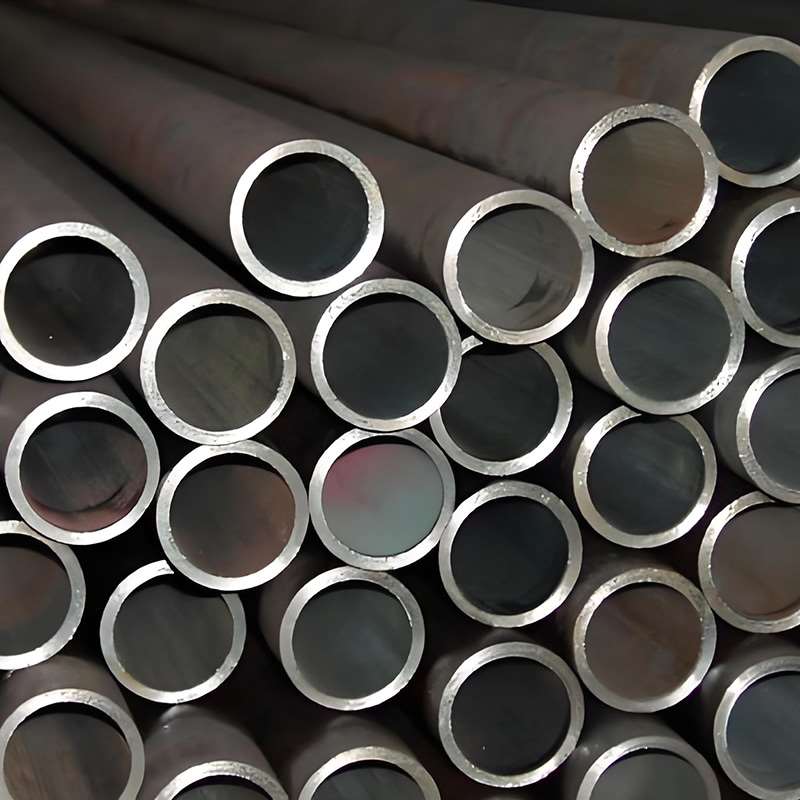
Seamless Pipe: Made from solid round steel billets through piercing, hot rolling, or cold drawing. The entire pipe body has no seams, appearing as if it were “stretched” from a single piece of metal.
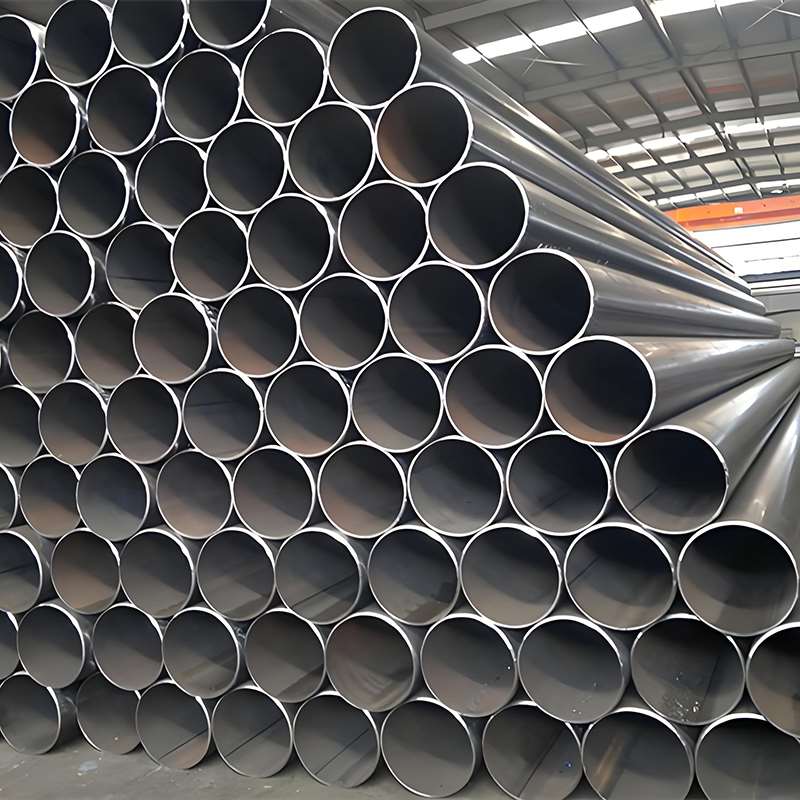
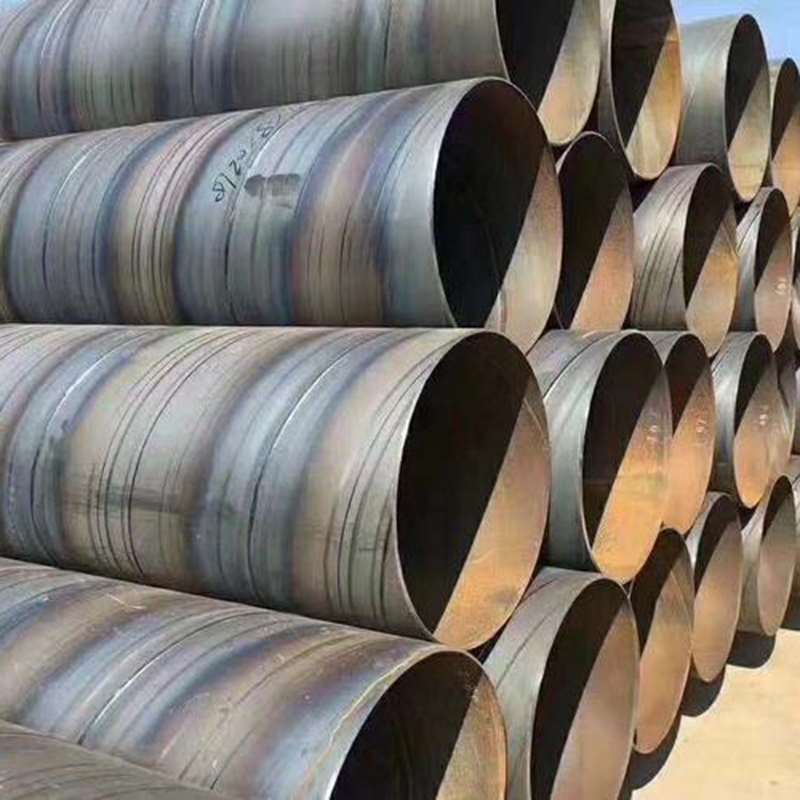
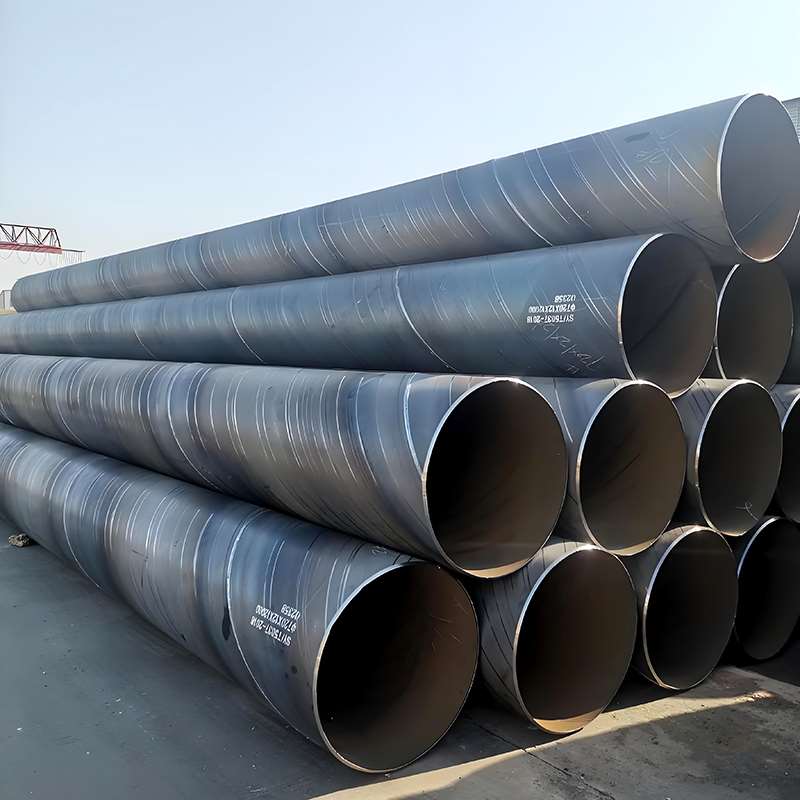
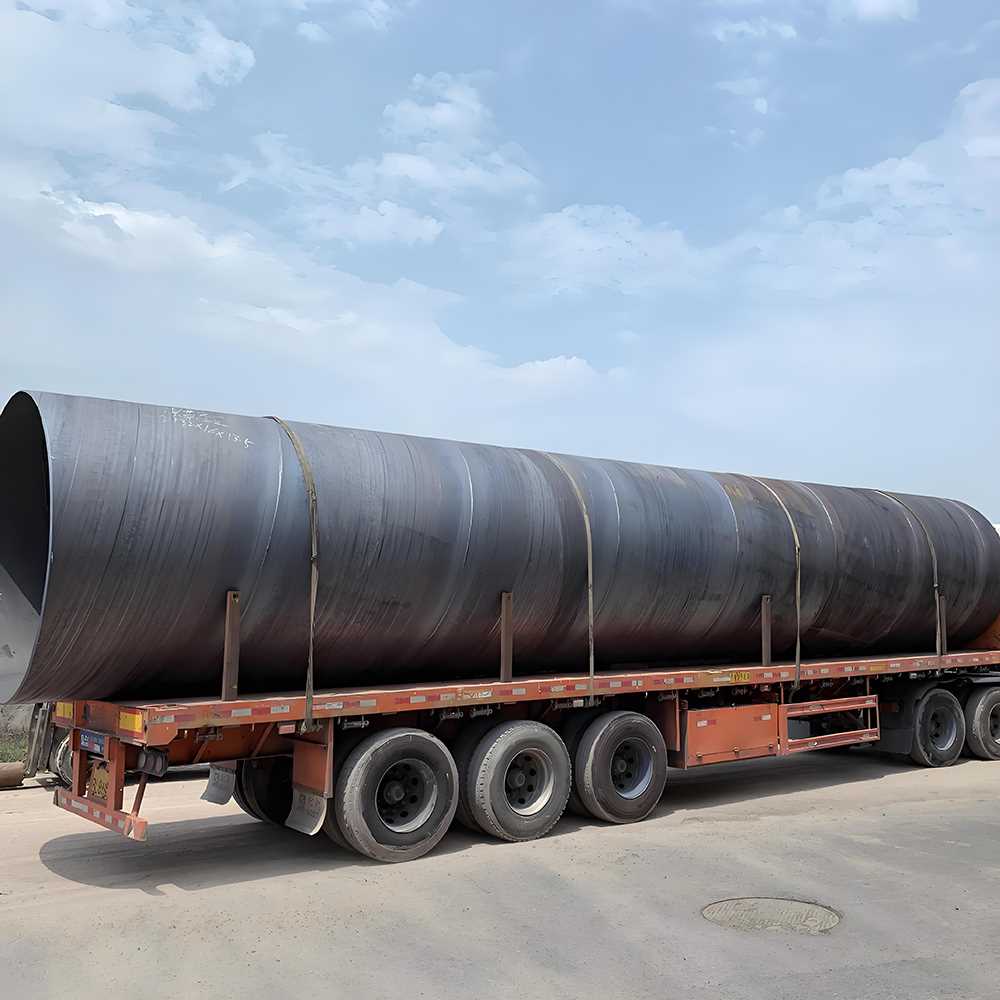
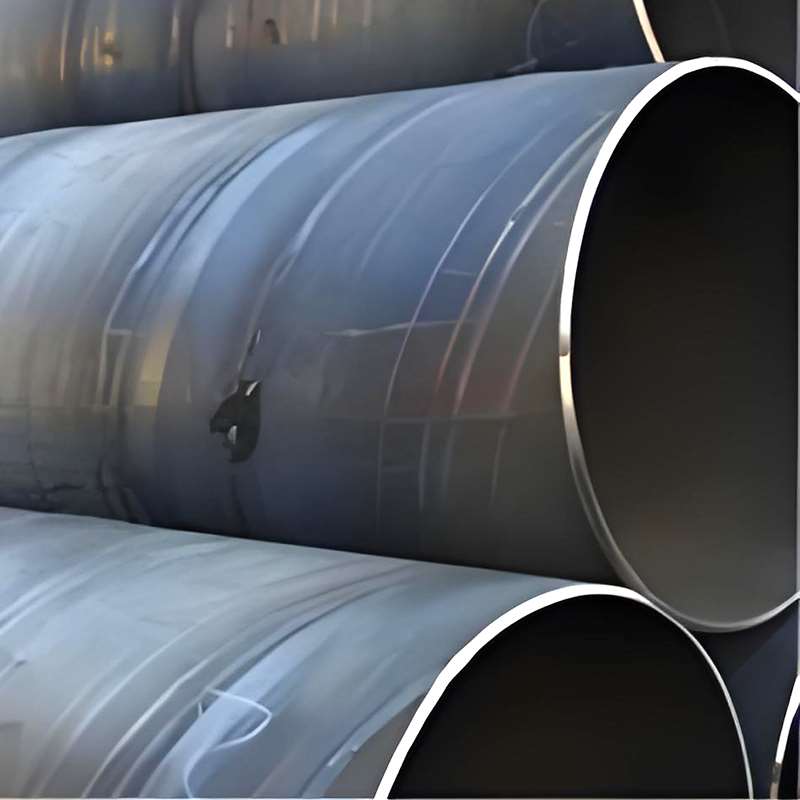
Welded Pipe: Made from rolled steel plates or strips, with the seams welded together using resistance welding (ERW) or submerged arc welding (SAW).
Key Point: The advantage of seamless pipes lies in their overall consistency, while the advantage of welded pipes lies in their extremely uniform wall thickness (because the thickness of the steel plate is easier to control than the wall thickness of the pierced pipe).
II. Differences in Core Physical Properties
| Performance Metric | Seamless Steel Pipe (Seamless) | Welded Steel Pipe (Welded) | Winner / Recommendation |
|---|---|---|---|
| Pressure Capacity | Extremely high. Without a weld seam, there is no weak point, offering excellent torsional and pressure resistance. | High. The weld seam is a potential weak point, typically requiring a weld joint efficiency factor of 0.8–0.85. | Seamless (preferred for high-pressure applications) |
| Tensile Strength | Stable performance with isotropic material properties. | Modern high-frequency welding can make seam strength close to the base metal, but there is still a risk of cracking under extreme conditions. | Seamless |
| Geometric Accuracy | Larger wall thickness tolerance; the inner wall may be less uniform. | Very uniform wall thickness, high concentricity, and generally better internal surface quality than seamless pipes. | Welded (preferred for structural applications) |
III. Price and Cost Comparison
Price is always the core driving force behind product selection and replacement.
- Premium: The production cost of seamless steel pipes is typically 20% – 50% higher than that of welded steel pipes, mainly due to the complex piercing process and lower yield.
- Logistics and Delivery Time: Welded pipes have shorter production cycles and more flexible specifications; large-diameter seamless pipes often require expensive customization and have long delivery times.
IV. Selection Decision Logic
- Scenarios Where Seamless Steel Pipes Must Be Selected (Irreplaceable):
- High-Pressure/Ultra-High-Pressure Environments: Such as high-pressure boiler tubes, nuclear power pipelines, and ultra-deep well oil and gas transportation.
- Extreme High or Low Temperatures: Welds are more prone to fatigue cracking under drastic thermal expansion and contraction.
- Strong Corrosion and Life-Threatening Scenarios: Despite anti-corrosion treatments, electrochemical corrosion of the weld area may be faster in certain chemical media.
- Scenarios Where Welded Steel Pipes Are Recommended (Highest Cost-Effectiveness):
- Basic Structural Components: Such as scaffolding, support columns, and steel structural frames. Their uniform wall thickness reduces weight and lowers costs.
- Low and Medium Pressure Fluids: Water supply and drainage, fire protection pipelines, and natural gas branch lines.
- Large-Diameter Pipes: When the pipe diameter exceeds 24 inches (610 mm), the cost of manufacturing seamless pipes increases exponentially. In this case, LSAW (Longitudinal Submerged Arc Welding) is the standard choice in the industry.
V. Summary and Recommendations
“Don’t buy the best, buy the most suitable.”
If your project involves general building construction, low-to-medium pressure transmission, or decorative structures, using welded steel pipes (such as ERW) is sufficient to ensure safety and can save you at least 30% on your material budget.
If your project involves core energy power, extremely high pressure, or extremely harsh environments, be sure to pay a premium for seamless steel pipes. This is “safety insurance” to avoid potential multi-million dollar losses from future accidents.