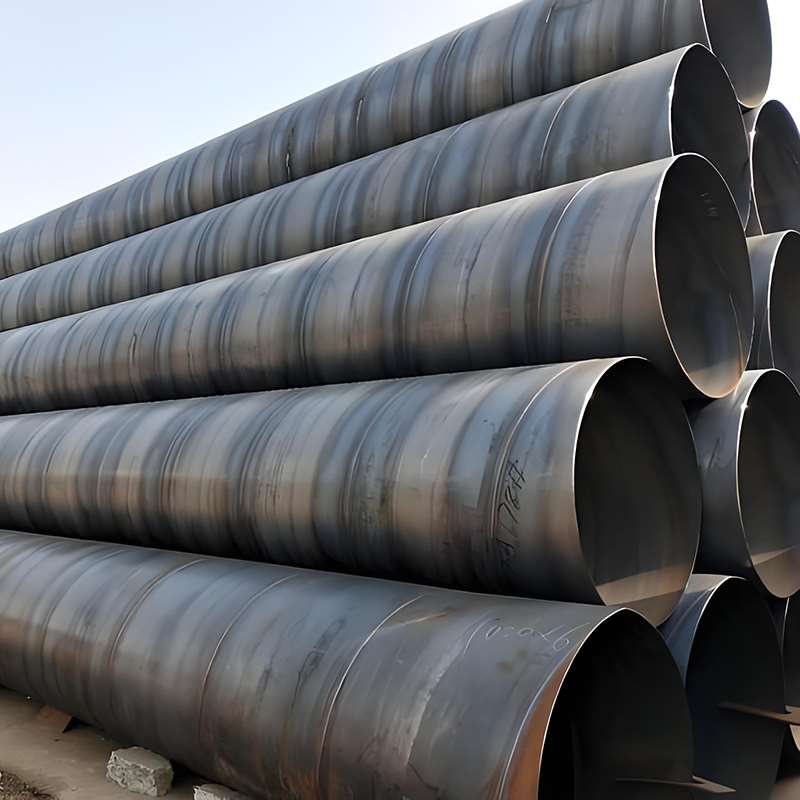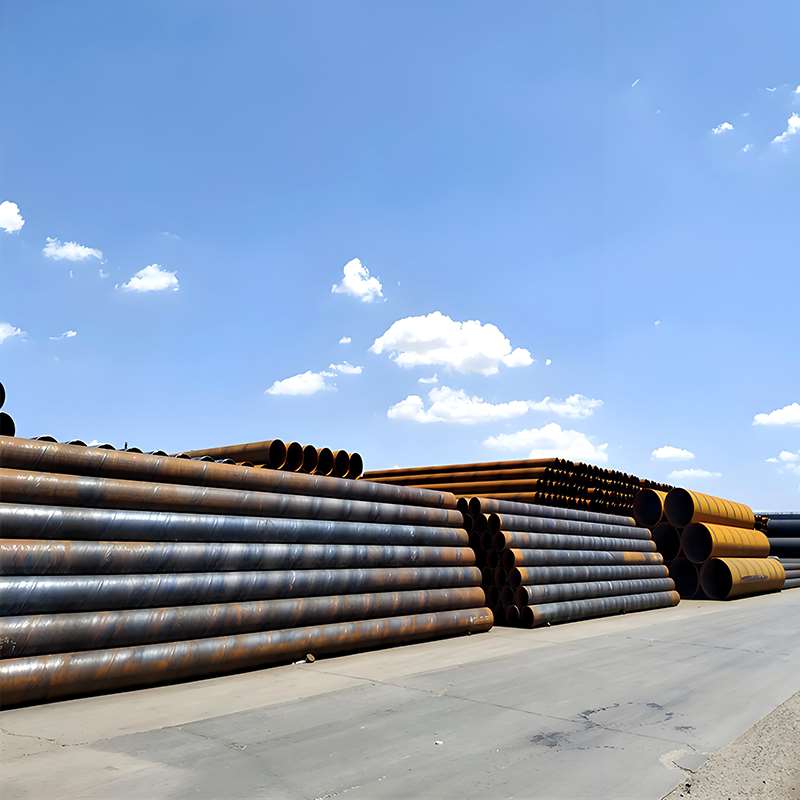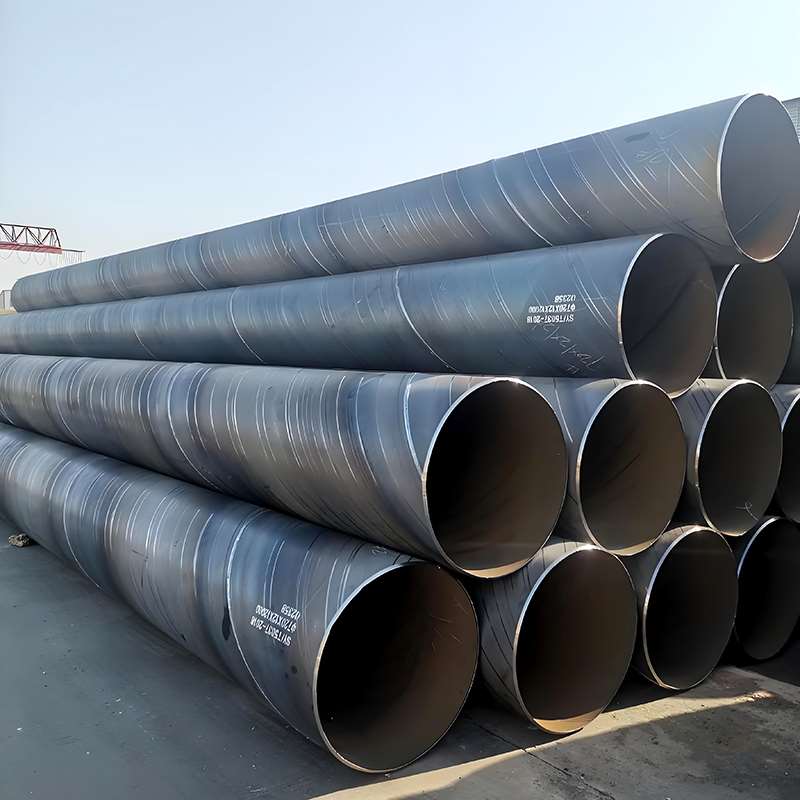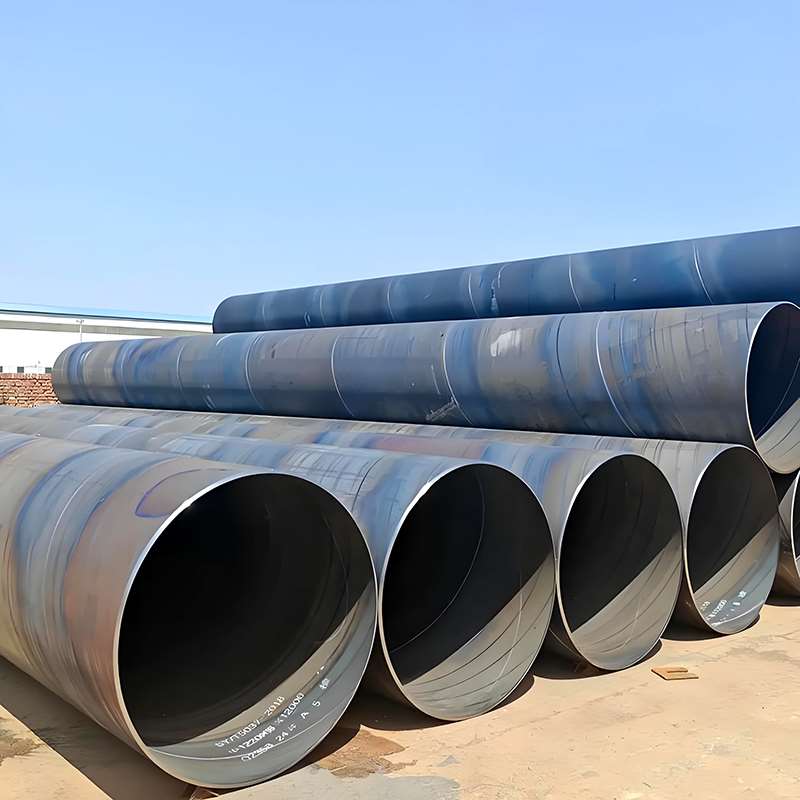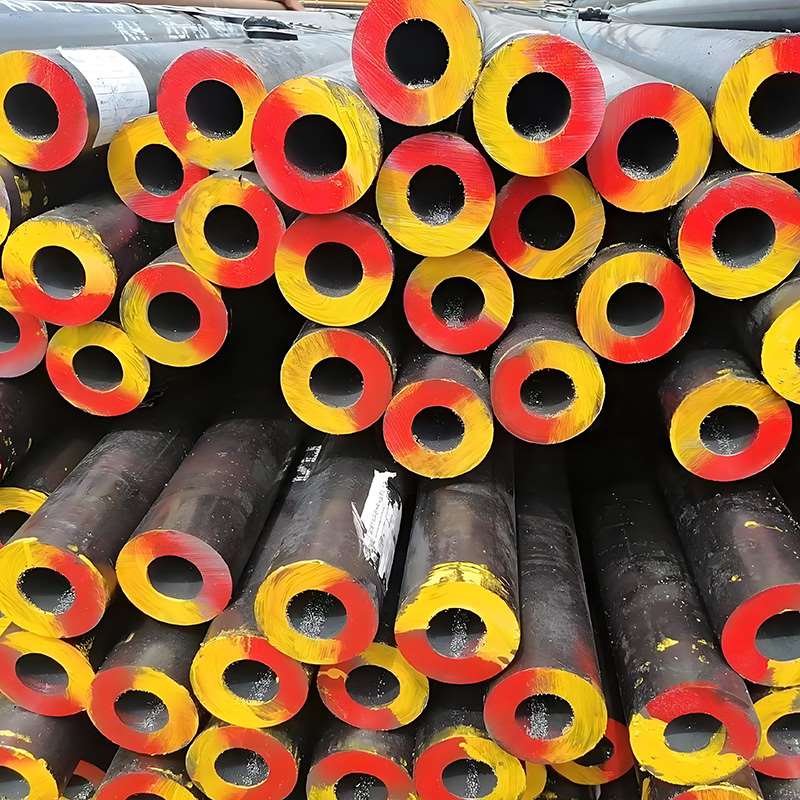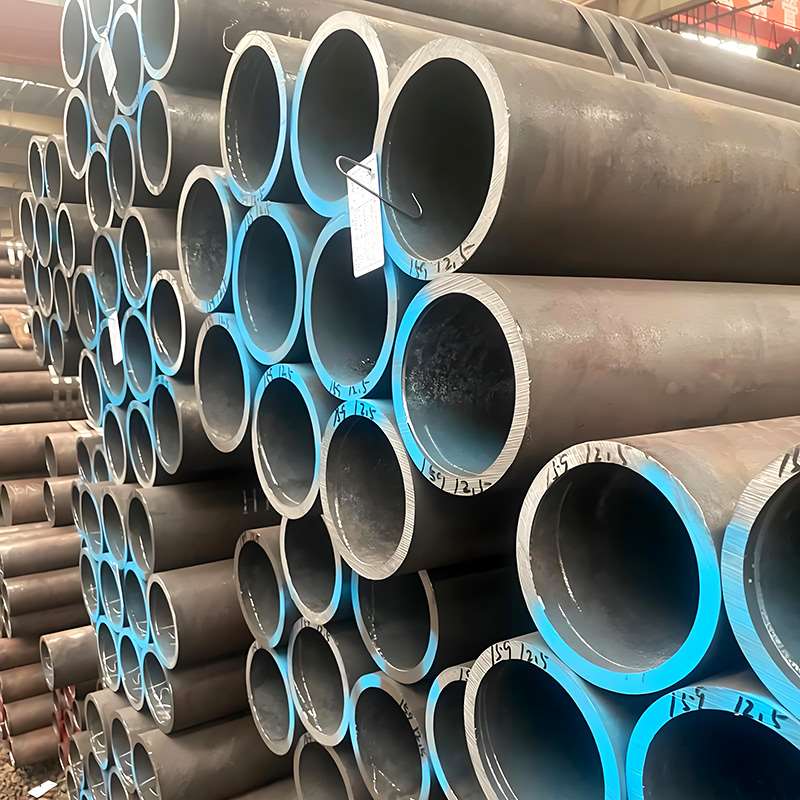
In every stage of the petroleum industry—from oil field extraction to refined oil transportation—welded steel pipes for oil play a crucial “blood vessel” role. Compared to seamless steel pipes, modern welded steel pipes, with their high precision, uniform wall thickness, and superior price, have become the preferred choice for global energy infrastructure construction.
I. Main Types of Welded Steel Pipes for Petroleum Use
Welded steel pipes are mainly classified into three core categories based on their forming process and weld seam type:
- ERW (Electrical Resistance Welded Steel Pipe)
ERW pipes are manufactured by heating the edges of a steel strip with high-frequency current and then extruding and welding them.
- Features: High production efficiency, low cost, and high dimensional accuracy.
- Applications: Mainly used for medium and low-pressure oil and gas transportation, oil well casing, and urban gas pipeline networks.
- LSAW (Straight Seam Submerged Arc Welded Steel Pipe)
Uses a single medium-thick plate as raw material, formed using JCOE or UOE processes, and then subjected to double-sided submerged arc welding.
- Features: Large pipe diameter (typically exceeding 1524mm), thick wall, and extremely high pressure resistance.
- Applications: Suitable for high-pressure, long-distance, large-diameter onshore and subsea oil and gas trunk lines.
- SSAW (Spiral Submerged Arc Welded Steel Pipe)
Made by winding hot-rolled steel strip into a spiral shape and then submerged arc welding the inner and outer seams.
- Features: Allows for the production of large-diameter pipes using narrower steel strips, offering high production flexibility.
- Applications: Commonly used in oil pipelines with pressure requirements slightly lower than LSAW, or as structural support pipes.
II. Core Specifications and International Standards
The oil industry has extremely stringent quality control requirements for Welded Steel Pipes for Oil, which must comply with internationally recognized API (American Petroleum Institute) standards:
| Standard / Specification Item | Detailed Description |
|---|---|
| Main Standards | API 5L (Line Pipe Specification), API 5CT (Casing and Tubing Specification) |
| Common Material Grades | Gr.B, X42, X52, X60, X70, X80 (The number after “X” represents yield strength in ksi) |
| Outside Diameter Range | 21.3 mm (1/2″) to 2020 mm (80″) or larger |
| Wall Thickness Grades | SCH 10, SCH 40, SCH 80, SCH XXS, etc. |
| Coating Requirements | 3PE (Three-layer polyethylene), FBE (Fusion Bonded Epoxy), anti-corrosion oil, or hot-dip galvanizing |
III. Diverse Applications of Oil Pipelines
Welded steel pipes hold an irreplaceable position in the entire oil industry chain, with specific applications including:
A. Upstream Extraction: Surface Casing and Gathering Networks
- During oil well drilling, ERW welded pipes are often used as surface casing to prevent wellbore collapse and protect groundwater aquifers. Within oil fields, welded pipes are responsible for collecting crude oil from scattered wells and transporting it to central processing stations.
B. Midstream Transportation: Long-Distance Transnational Pipelines
- This is the “main battlefield” for welded steel pipes (especially LSAW and SSAW). Thousands of kilometers of crude oil transport pipelines need to withstand extreme geological environments and continuous high pressure, requiring extremely high weld toughness and corrosion resistance.
C. Downstream Refining: Plant Circulation and Process Pipelines
- Within refineries, large quantities of welded steel pipes, which undergo special heat treatment or anti-corrosion processing, are used to transport refining feedstocks and various semi-finished oil products.
IV. Why Choose Welded Steel Pipes?
- Wall Thickness Uniformity: Welded steel pipes are made from cold-rolled or hot-rolled steel plates, and their wall thickness tolerances are far superior to those of seamless steel pipes. This provides an advantage in terms of pressure uniformity.
- Economy: For large-diameter pipelines, the production cost of welding is lower than that of seamless pipes, significantly reducing the investment costs of large-scale infrastructure projects.
- Safety: Modern non-destructive testing technologies (RT, UT, magnetic particle testing) ensure the reliability of every centimeter of the weld, allowing it to serve the same as seamless pipes under API standards.