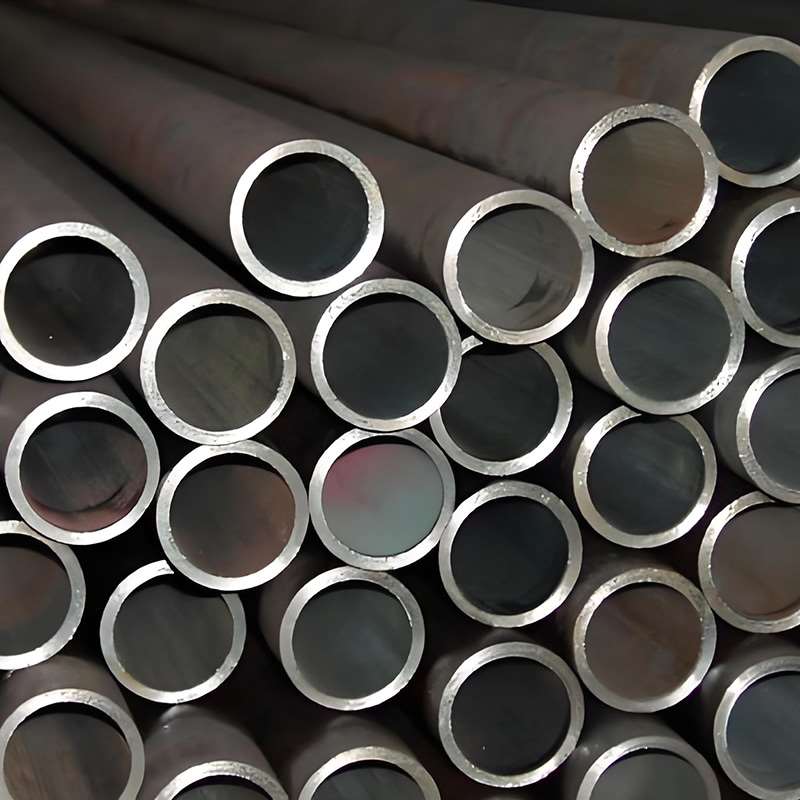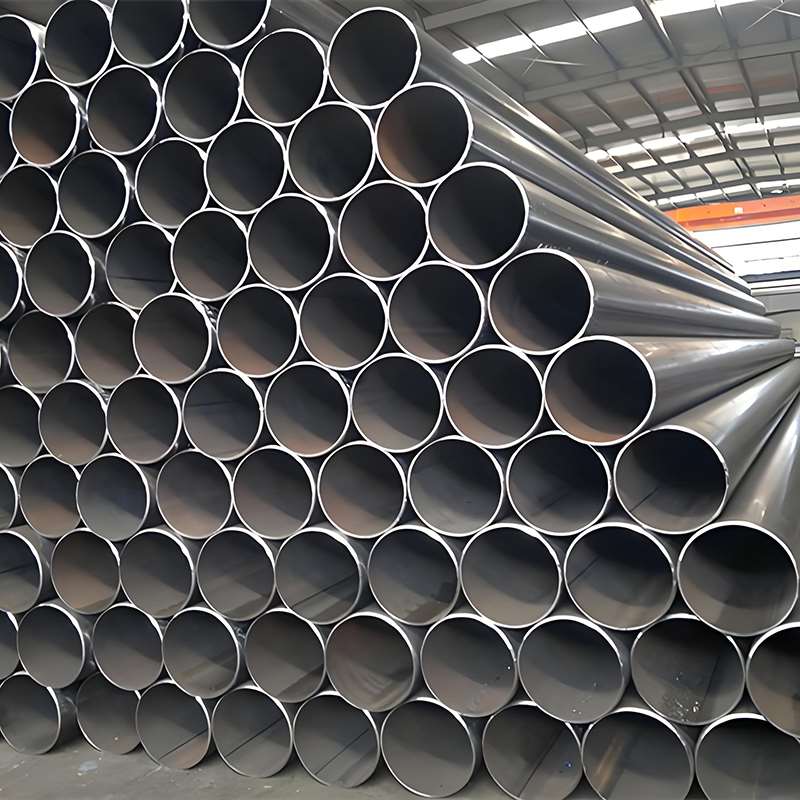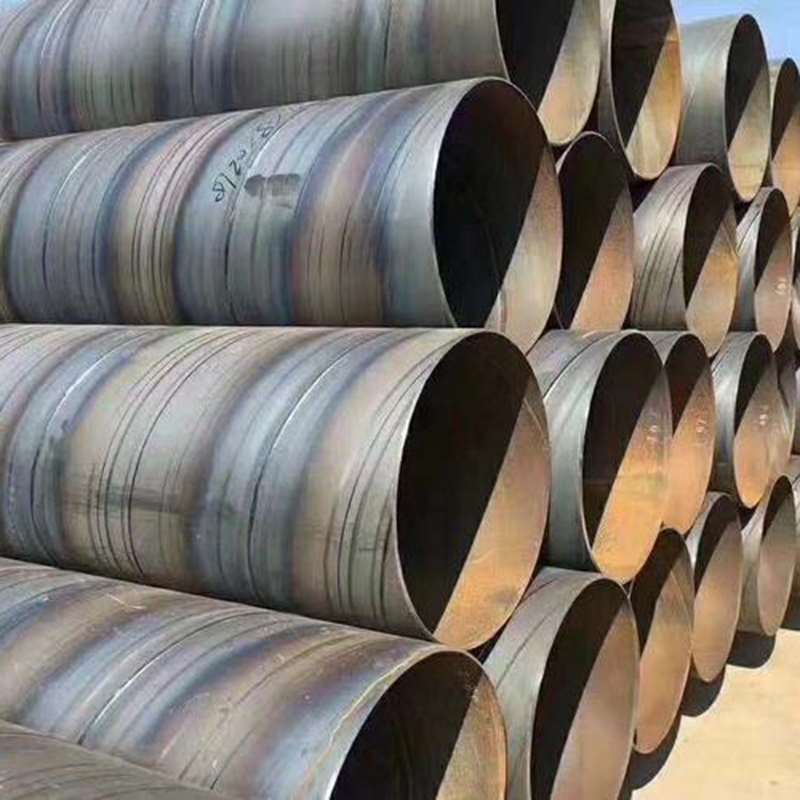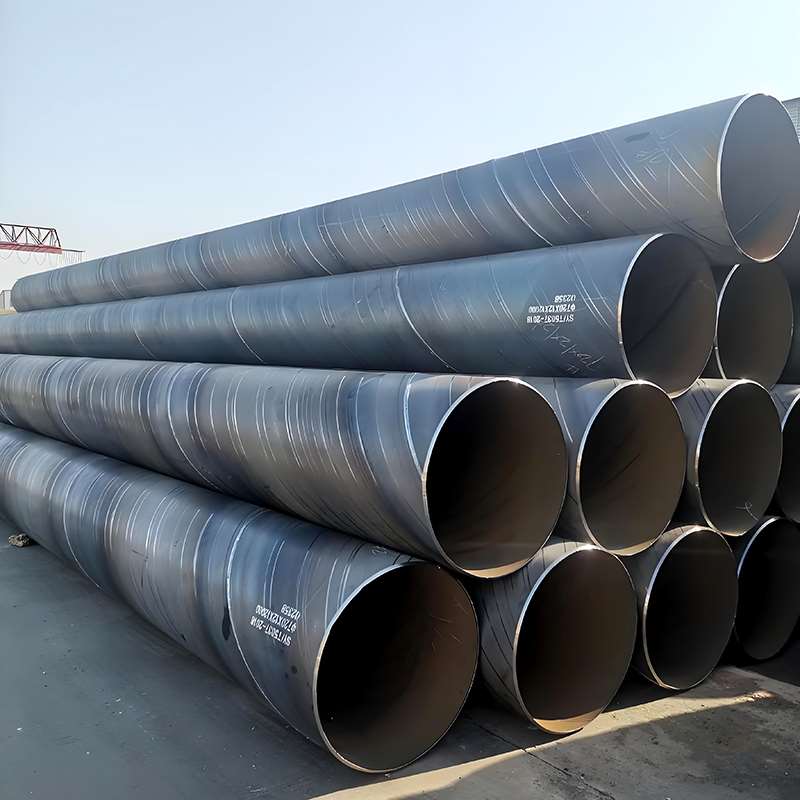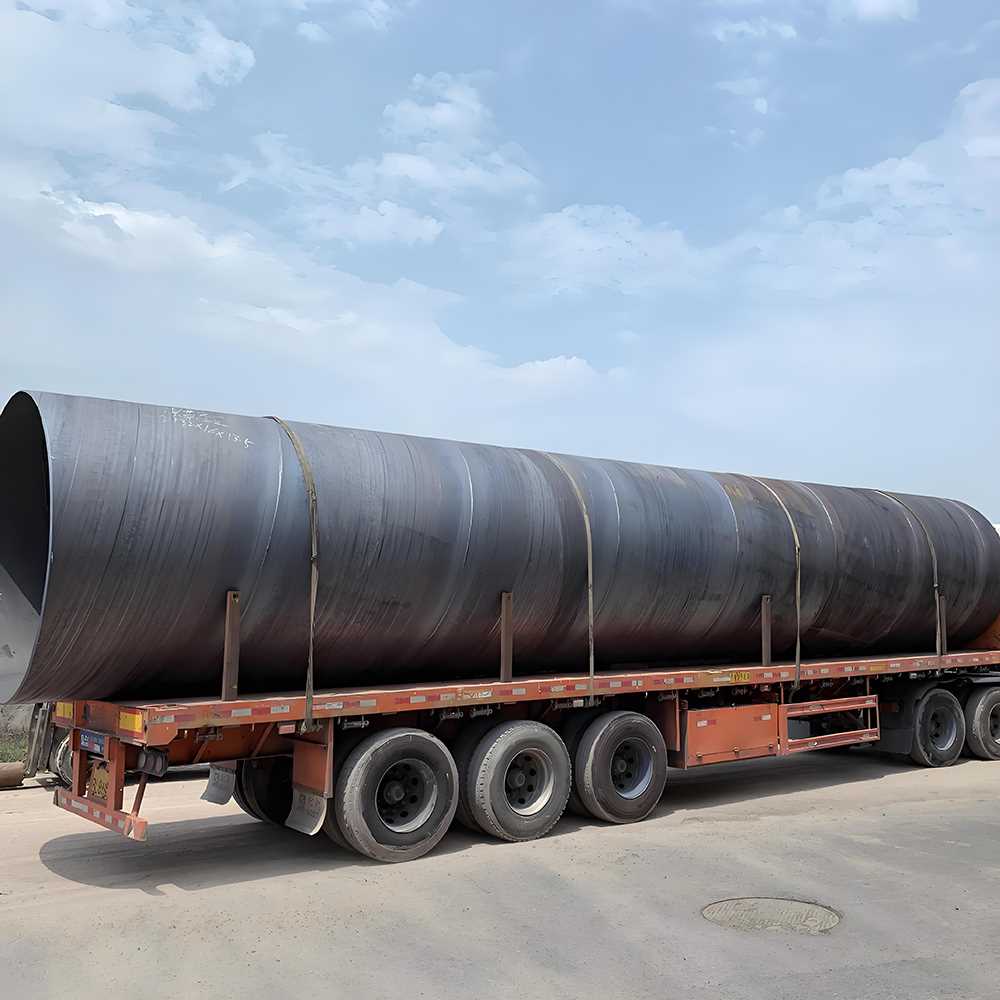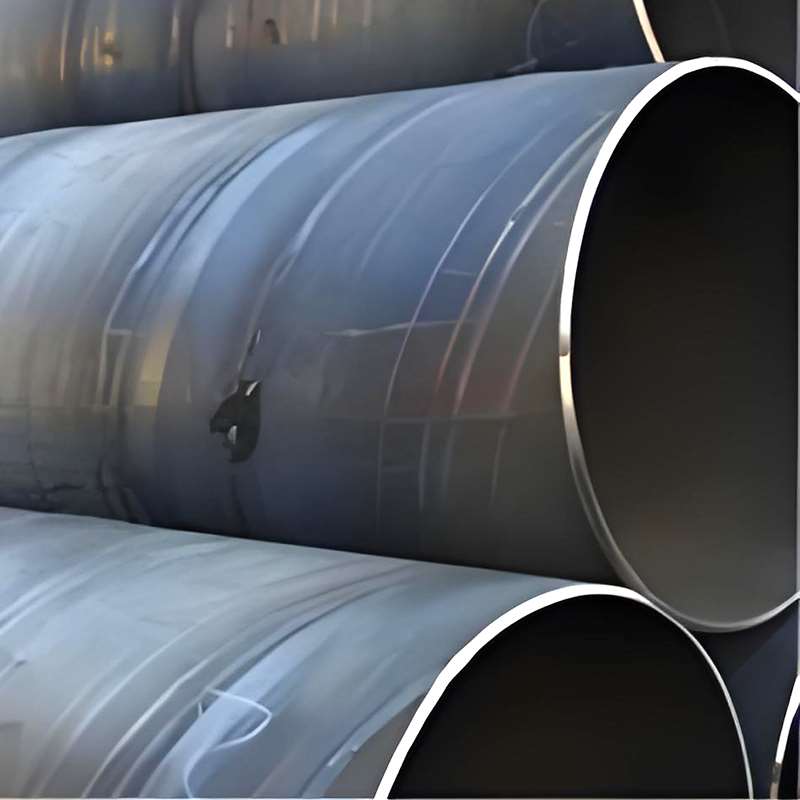
In the petroleum and oil and gas industries, the quality and performance of pipelines directly impact the safety and stability of the entire transportation system. Spiral steel pipes for oil pipelines, with their excellent corrosion resistance, pressure-bearing capacity, and reliability, have become the ideal choice for modern oil pipeline transportation.
This article will outline their characteristics, advantages, and key selection criteria to assist engineering firms, procurement teams, and designers in making informed decisions.
I. Characteristics and Manufacturing Process of Spiral Welded Steel Pipes for Oil Transportation
i. Manufacturing Process
Spiral welded steel pipes are manufactured by welding steel strips into a spiral shape, resulting in high strength, excellent pressure resistance, and corrosion resistance. Common manufacturing standards include API 5L and ASTM A252, ensuring reliability in high-pressure and highly corrosive environments.
ii. Product Features
- High Strength: Suitable for large-diameter, high-pressure environments, capable of withstanding harsh operating conditions.
- Corrosion Resistance: Internal and external anti-corrosion treatments resist oil and gas corrosion, extending service life.
- Deformation Resistance: The spiral welded design effectively distributes pressure, preventing pipe deformation.
- Sealing Performance: Ensures reliable sealing, reducing the risk of leaks.
II. Addressing Common Issues in Oil Pipelines
Common issues in oil pipeline transportation include corrosion, leaks, and insufficient pressure.
Here’s how spiral-welded steel pipes address these issues:
| Issue | Traditional Pipes | Advantages of Spiral Steel Pipes |
|---|---|---|
| Corrosion Issues | Prone to corrosion | Anti-corrosion coatings and special treatments improve resistance and extend service life |
| Leakage Problems | Susceptible to leakage | High sealing performance reduces the risk of fluid leakage |
| Insufficient Pressure Capacity | Lower pressure resistance | High-strength design can withstand high-pressure working conditions |
| Short Service Life | Relatively short lifespan | Long-term stable operation reduces replacement frequency |
| Installation Difficulty | Complex installation | Easier welding and installation reduce construction difficulty |
III. Comparison of Spiral Welded Steel Pipes with Other Pipe Materials
| Type | Pressure Capacity | Corrosion Resistance | Cost | Service Life |
|---|---|---|---|---|
| Spiral Steel Pipe | High | High | Medium | Long |
| Straight Seam Steel Pipe | Medium | Medium | Low | Medium |
| Seamless Steel Pipe | High | Medium | High | Long |
Spiral-welded steel pipes offer excellent value for money and are particularly well-suited for large-diameter, long-distance oil and gas transmission projects.
IV. How to Select the Appropriate Specifications for Spiral Welded Steel Pipes
When selecting the appropriate spiral welded steel pipes, the following factors should be taken into consideration:
- Transported medium: Different oil and gas media have varying corrosion resistance requirements, so an appropriate corrosion protection solution must be selected.
- Design pressure: Select the appropriate pipe wall thickness and strength based on the pressure requirements of the pipeline.
- Environmental conditions: Consider the installation environment—such as underground or underwater—and select the appropriate corrosion protection treatment.
V. Installation and Maintenance Recommendations
During installation and maintenance, please observe the following guidelines:
- Installation: Ensure high-quality welds to prevent cracks caused by stress concentration.
- Construction: Use professional equipment for pipe laying to ensure the pipes are not damaged by external forces.
- Maintenance: Regularly inspect the integrity of the anti-corrosion coating and welds to prevent corrosion and leaks.