In oil and gas projects, procuring welded steel pipes is not as simple as “choosing a specification and comparing prices.”
Most procurement mistakes stem from one problem: failing to translate “operating conditions” into “technical requirements.”
This guide has a clear goal—to guide you through the steps to select the right steel pipes and avoid pitfalls.
I. First, clarify: What problem do you need to solve?
Before contacting suppliers, answer these 5 key questions:
| Question | Example |
|---|---|
| What medium is being transported? | Crude oil / Natural gas / Sour gas |
| Are there corrosive components? | CO₂ / H₂S / Water |
| Pressure level? | 2 MPa / 10 MPa / Higher |
| Service environment? | Buried / Subsea / Desert / Low temperature |
| Design life? | 10 years / 20 years / 30 years |
Core logic:
You’re not buying steel pipes, you’re buying a “solution that can operate stably for X years in this environment.”
II. Choosing the Right Type of Steel Pipe (Don’t Make the Wrong Choice from the Start)
Common Types of Welded Steel Pipes for Oilfield Use:
| Type | Characteristics | Applicable Scenarios |
|---|---|---|
| ERW (High-frequency Longitudinal) | Low cost, high efficiency | Medium to low-pressure transmission |
| LSAW (Longitudinal Submerged Arc Welded) | High strength, large size | Long-distance pipelines |
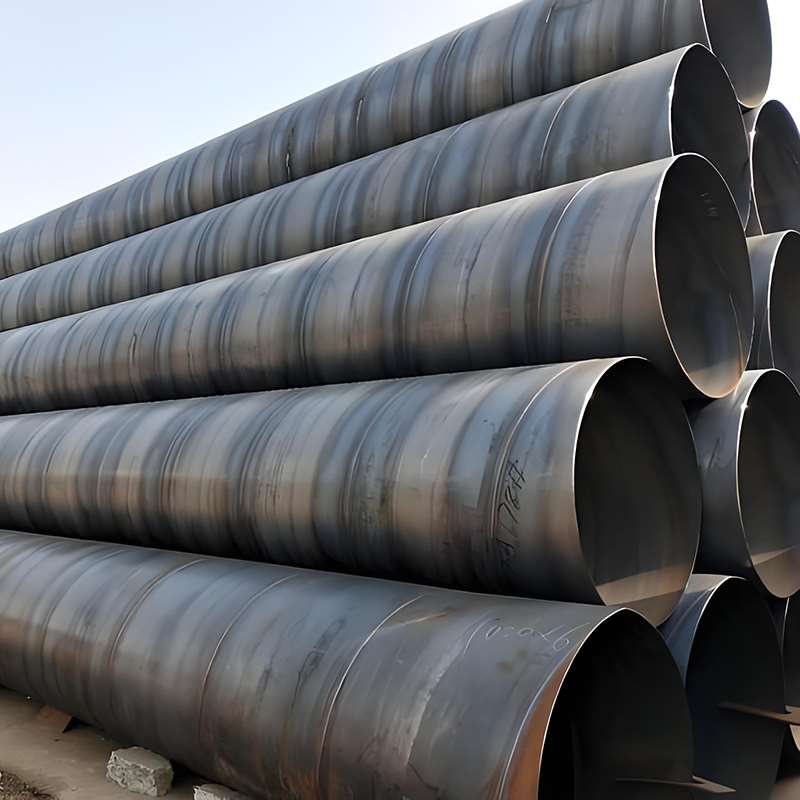
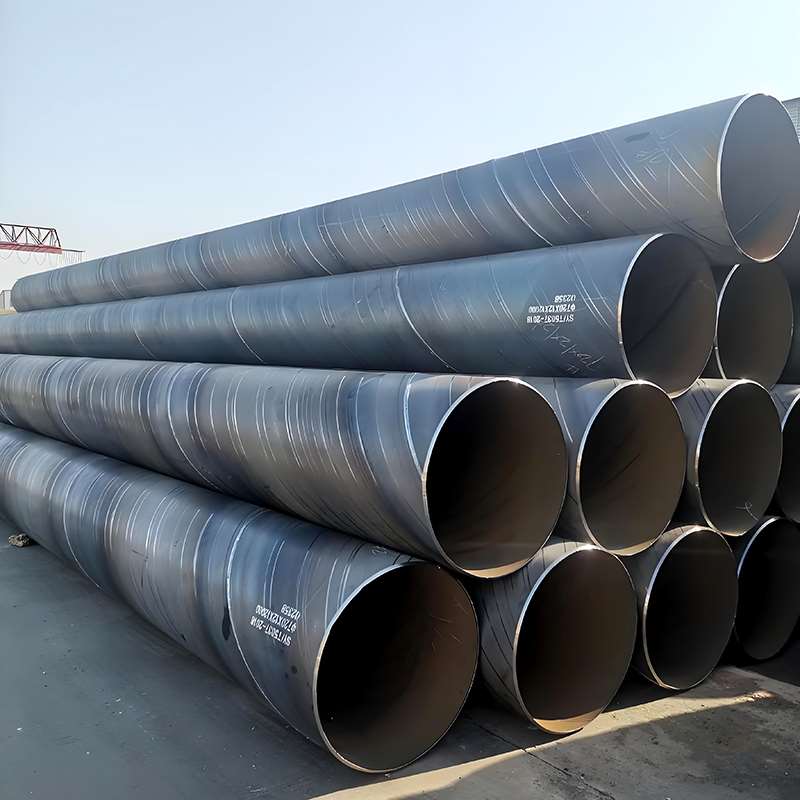
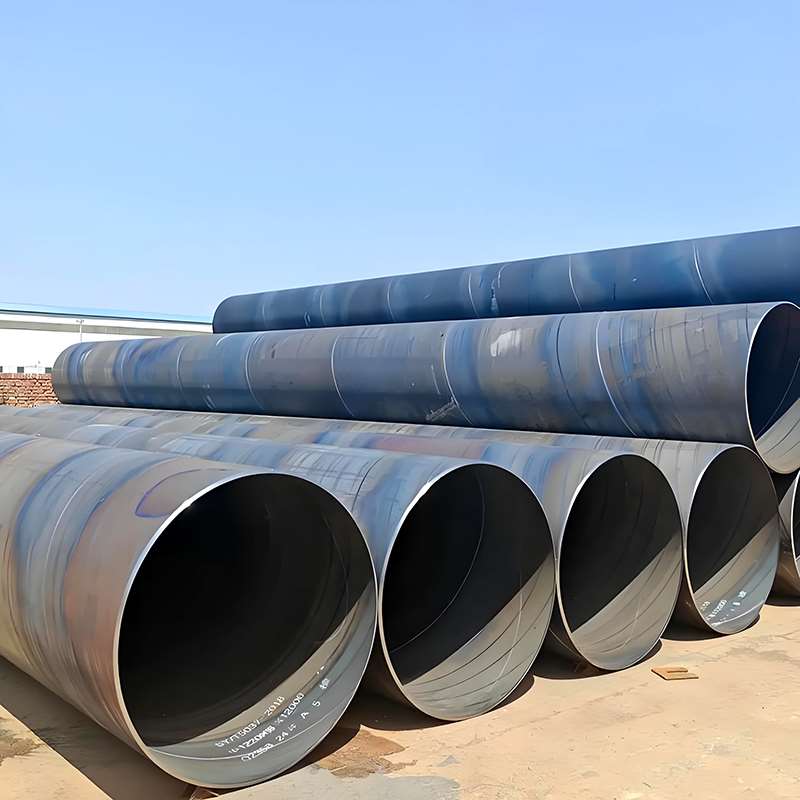
| SSAW (Spiral Welded) | Large diameter, moderate cost | Low-pressure, large-diameter applications |
Simple assessment:
- Small diameter + cost-sensitive → Choose ERW
- High voltage/main line → Prioritize LSAW
- Large diameter low voltage → SSAW is an option
III. Determine the Steel Grade (Don’t Blindly Choose the Highest Grade)
Many procurement professionals make the mistake of thinking, “Choosing the highest grade is the safest.”
This is actually a waste of money.
Common steel grade selection suggestions:
| Operating Condition | Recommended Steel Grade |
|---|---|
| General Oil Transmission | Gr.B / X42 |
| Medium Pressure | X52 |
| High-pressure Long-distance Transmission | X60 / X65 |
| High Corrosion Environment | X65 + Anti-corrosion solution |
Key principle:
- Sufficient strength is enough.
- Anything extra is cost, not safety.
IV. Core Standards That Must Be Confirmed (No Ambiguity)
The following must be clearly stated in the procurement contract:
- Implementation Standard: API 5L
- Quality Grade: PSL1 or PSL2
PSL1 vs PSL2 (Key Difference)
| Item | PSL1 | PSL2 |
|---|---|---|
| Inspection Requirements | Basic | More stringent |
| Impact Testing | Not required | Mandatory |
| Application Scenarios | General use | Oil & gas pipelines |
Practical advice:
- Oil projects → PSL2 is mandatory
- Do not accept claims that something is “equivalent to PSL2” (extremely high risk).
V. Corrosion Protection Solution: The Key to Lifespan
Many projects fail not because the steel pipes are faulty, but because the corrosion protection was inadequate.
- External Corrosion Protection Selection
| Environment | Recommended Solution |
|---|---|
| General Buried | 3LPE |
| High-temperature Environment | FBE |
| Marine Environment | 3LPE + Reinforced Layer |
- Selection of Internal Corrosion Protection
| Medium | Recommended Solution |
|---|---|
| Water-containing oil & gas | Internal epoxy coating |
| Particle-containing media | Wear-resistant lining |
VI. Quality Control: Key to Avoiding the “Low-Price Trap”
When purchasing, be sure to ask about these tests:
| Inspection Item | Mandatory or Not |
|---|---|
| Ultrasonic Testing (UT) | ✔ |
| Radiographic Testing (RT) | ✔ |
| Hydrostatic Testing | ✔ |
| Dimensional Inspection | ✔ |
VII. Price Judgment: How to Identify Unreasonable Prices?
A Practical Judgment Table:
| Quotation Type | Risk Assessment |
|---|---|
| Significantly below market | High risk (possible material reduction or shortcuts) |
| Moderate price | Recommended choice |
| High price with no differentiation | Caution advised |
Remember:
- Oil pipelines are not ordinary building materials;
- Low price = high future maintenance costs.
VIII. Supplier Screening
- Actual Production Capacity
Does the supplier have production lines (ERW/LSAW)?
Do they support third-party factory audits? - Project Experience
Have they completed oil and gas projects?
Do they provide case studies? - Cooperation in Technical Communication
Can they recommend solutions based on working conditions?
Do they only provide prices?
IX. Standard Procurement Process
- Step 1: Define Operating Conditions
Media / Pressure / Environment / Lifespan - Step 2: Determine Technical Parameters
Type + Steel Grade + PSL Rating - Step 3: Determine Corrosion Protection Solution
External Corrosion Protection + Internal Corrosion Protection - Step 4: Select Suppliers
Qualifications + Case Studies + Communication Skills - Step 5: Confirm Testing Requirements
UT / RT / Hydrostatic Testing - Step 6: Compare Quotes
Don’t choose the lowest, choose the most reasonable - Step 7: Sign a Technical Agreement
Clearly specify all standards (to avoid disputes)