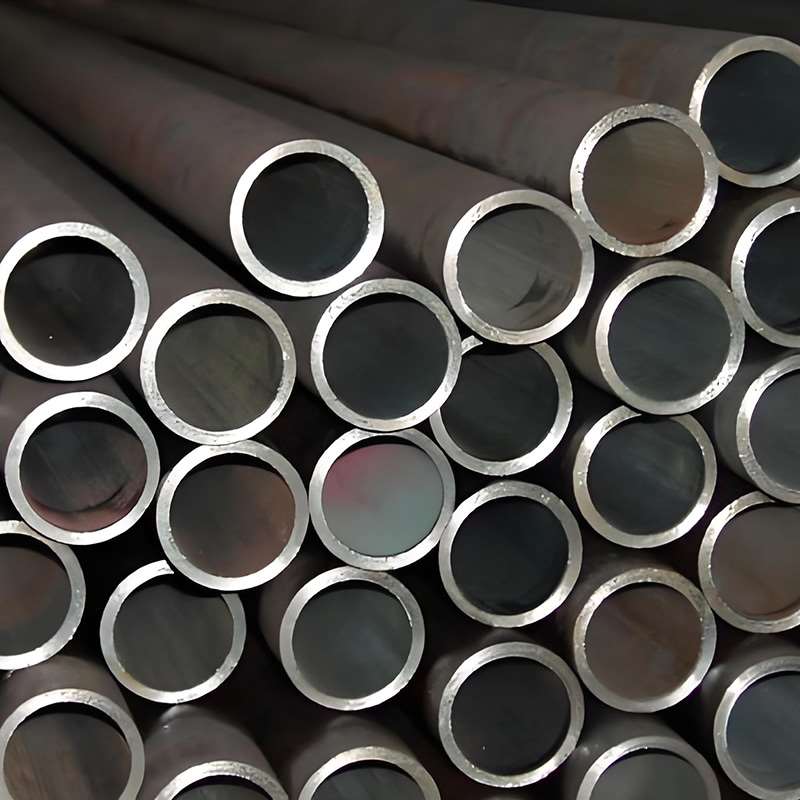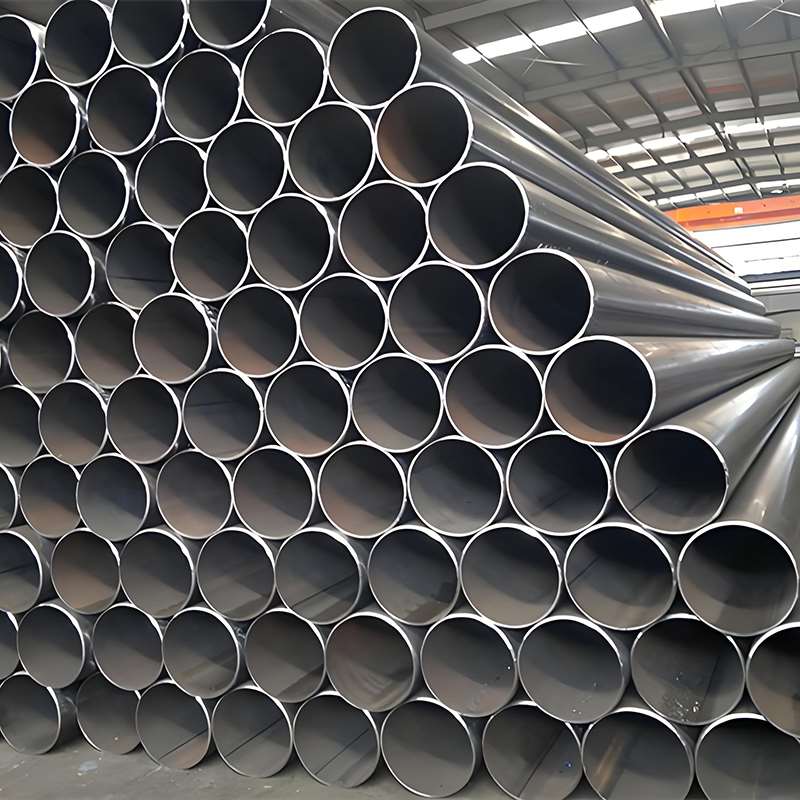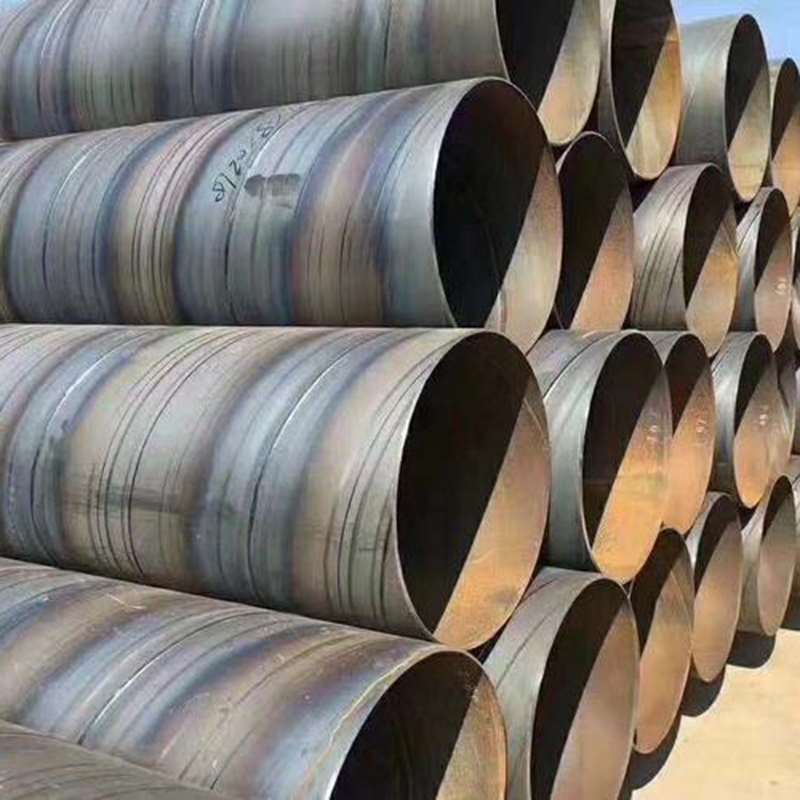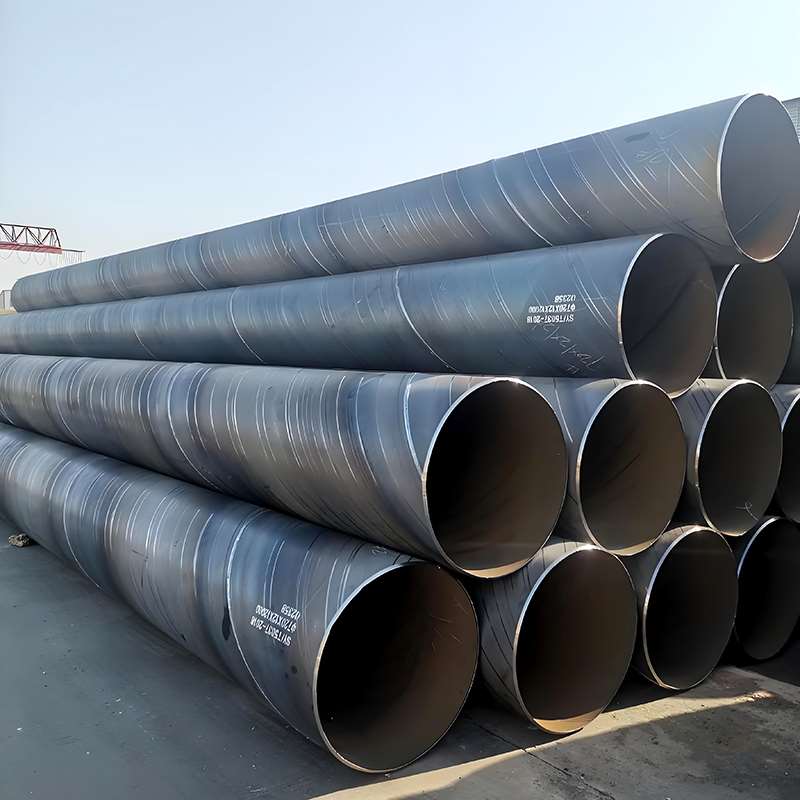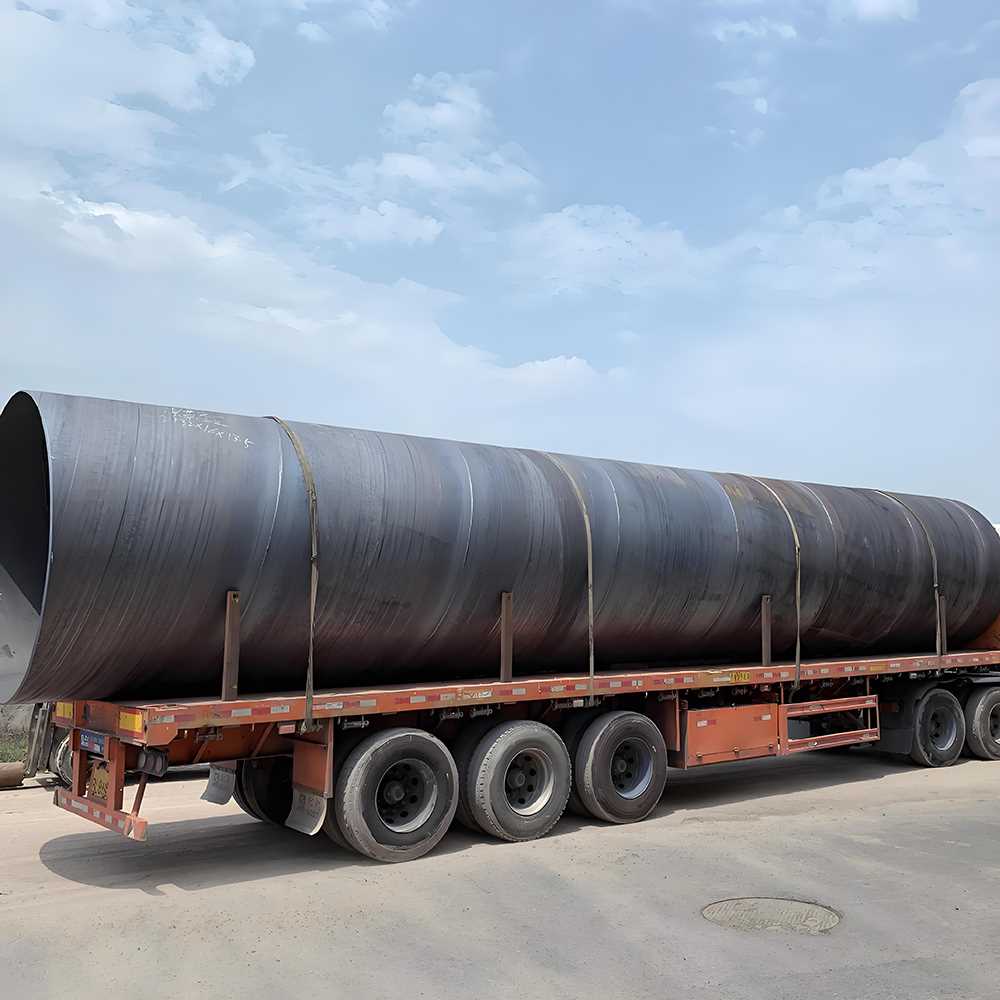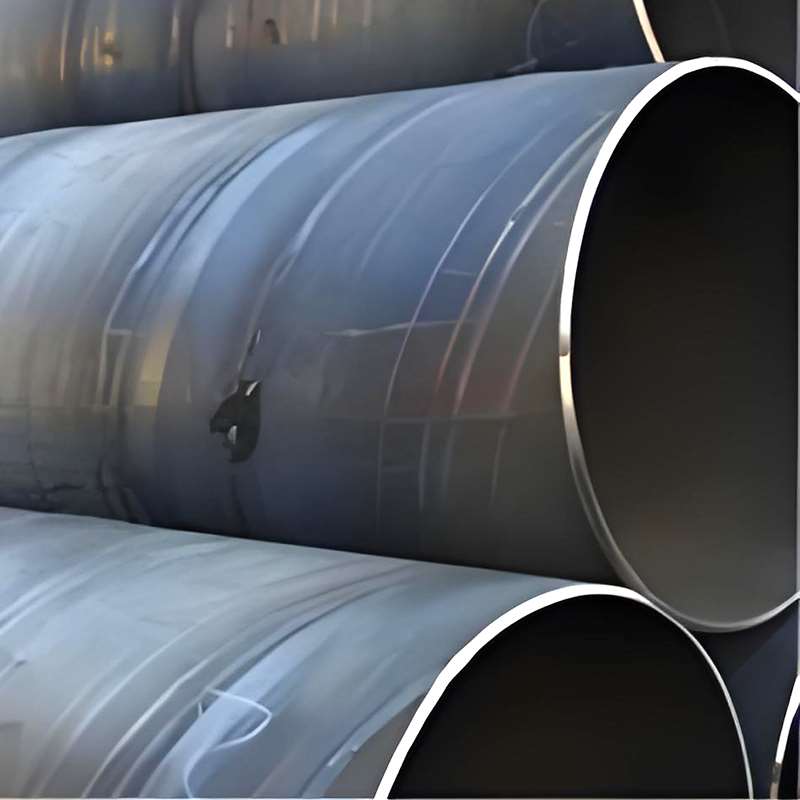
Selecting the right spiral welded steel pipe (SSAW) is a critical factor in oil and gas transportation and water conservancy projects, as it not only affects the durability of the project but also impacts environmental safety and cost control.
Spiral welded steel pipes are widely used in long-distance transmission pipelines due to their ability to produce large-diameter pipes from relatively narrow steel strips.
The following is a professional guide to selecting spiral welded steel pipes for different applications:
I. Selection Based on Industry Standards and Material Properties
Different industries have strict standard requirements for the chemical composition and physical properties of steel pipes.
- Oil and Gas: Must comply with the API 5L standard. Grades such as B, X42, X52, X65, and X70 are selected based on pressure requirements. Higher-grade steels (such as X70) have higher yield strengths, enabling them to withstand high pressure while maintaining thinner wall thicknesses.
- Water Supply and Drainage Engineering: Typically follows ASTM A252 or domestic standards such as GB/T 9711 and SY/T 5037. For potable water transport, the focus is on sanitary performance and internal lining coatings.
- Structural Construction (Piling): The focus is on mechanical strength and bending resistance; ASTM A500 or GB/T 3091 is typically used.
II. Key Technical Parameters to Consider
When screening suppliers and products, it is essential to carefully review the following parameters:
A. Outer Diameter and Wall Thickness (OD & Wall Thickness)
- Calculation Formula: Calculated based on fluid dynamics and design pressure. For high-pressure natural gas pipelines, uniform wall thickness is critical.
- Tolerance Control: The diameter tolerance of high-quality spiral steel pipes should be controlled within ±0.5%, as this directly affects the alignment quality during on-site welding.
B. Weld Quality
Spiral welded steel pipes have longer welds than straight-seam steel pipes; therefore, weld inspection is of the utmost importance.
- Inspection Methods: All pipes must undergo 100% ultrasonic testing (UT) and radiographic testing (RT).
- Hydrostatic Pressure Test: Each pipe shall undergo a hydrostatic pressure test. The test pressure P can be calculated using the following formula:
- P = 2St / D
(where S is the fiber stress, t is the wall thickness, and D is the outer diameter)
III. Selecting Corrosion-Resistant Coatings Based on Environmental Conditions
| Application Scenario | Recommended Coating Type | Features |
|---|---|---|
| Buried Oil & Gas Pipelines | 3PE (Three-Layer Polyethylene) | High mechanical strength, उत्कृष्ट peel resistance, currently the most widely used option. |
| Drinking Water Pipelines | Epoxy Resin (TPEP) | Smooth inner surface, meets food-grade hygiene standards, low flow resistance. |
| Sewage / Industrial Wastewater | Coal Tar Epoxy / Fiberglass Coating | Strong chemical corrosion resistance, relatively low cost. |
| Above-Ground / Marine Environment | Cold Spray Zinc / Fluorocarbon Coating | Excellent salt spray resistance and UV resistance. |
IV. On-Site Inspection for Physical Defects
During receipt of goods or on-site supervision, particular attention should be paid to the following:
- Surface Quality: There shall be no cracks, scale, folds, or scratches deeper than the negative tolerance of the wall thickness.
- Misalignment: The misalignment of spiral welds shall be controlled within 10% of the wall thickness (not exceeding 3 mm).
- Pipe End Configuration: Pipe ends shall be machined into a bevel (typically “30°–35°”) to facilitate on-site butt welding.
V. Economic Analysis: Balancing Cost and Service Life
Although the initial purchase cost of high-grade steel and 3PE anti-corrosion coatings is higher, in the long run:
- Maintenance Costs: High-quality anti-corrosion coatings can extend the service life of pipelines to 30–50 years, reducing the frequency of excavation and maintenance.
- Transport Efficiency: Internal coatings (such as epoxy internal friction-reducing coatings) reduce frictional resistance, resulting in long-term savings in pumping energy consumption.
When selecting a supplier, it is essential to verify that they hold an API 5L certificate, a Pressure Pipeline Component Manufacturing License (TS), and complete third-party physical and chemical test reports. For major projects, on-site manufacturing supervision and third-party spot inspections are recommended.