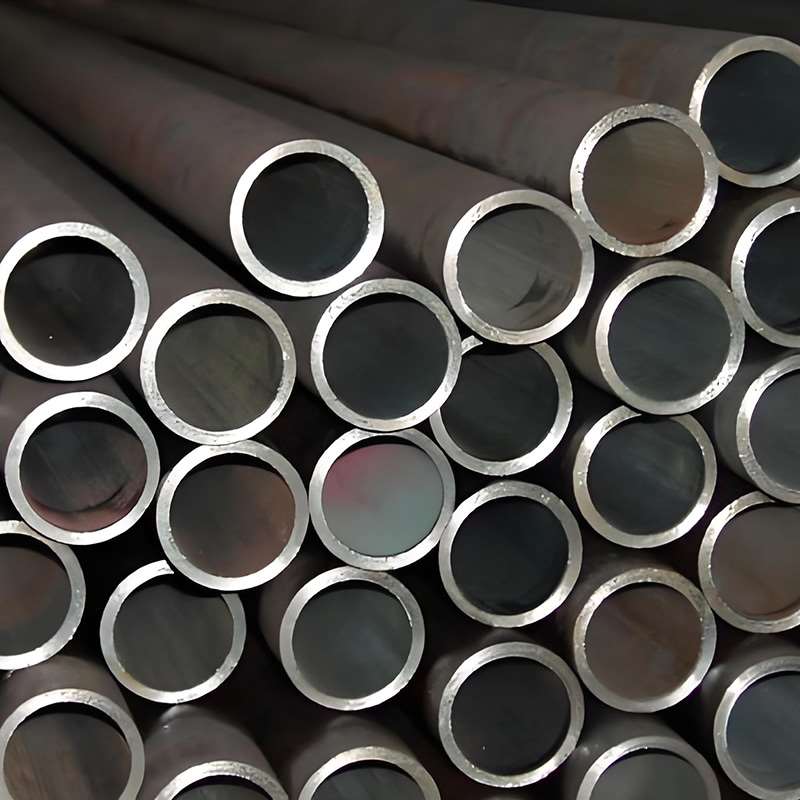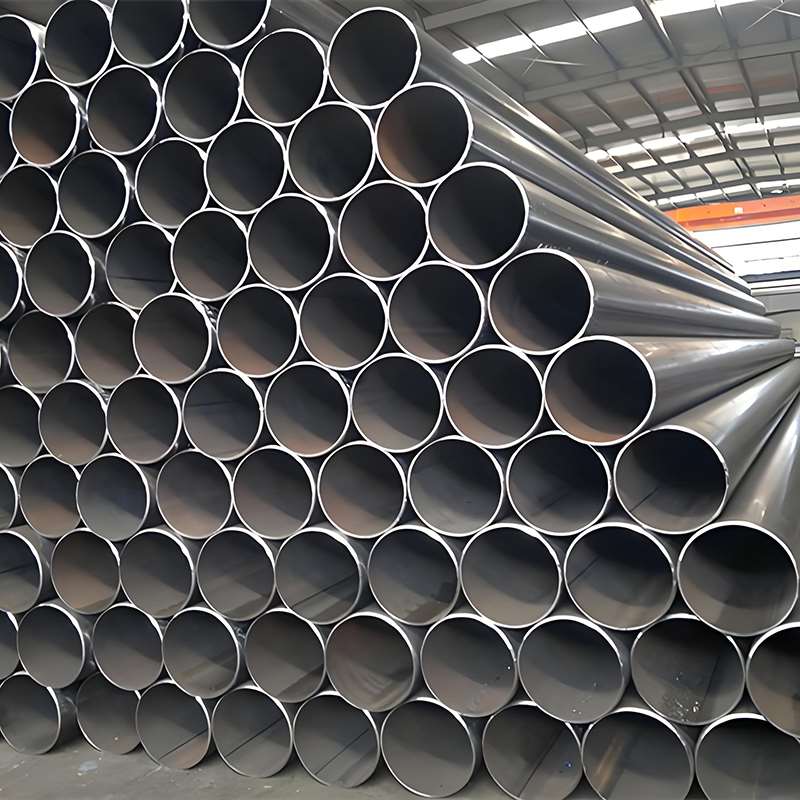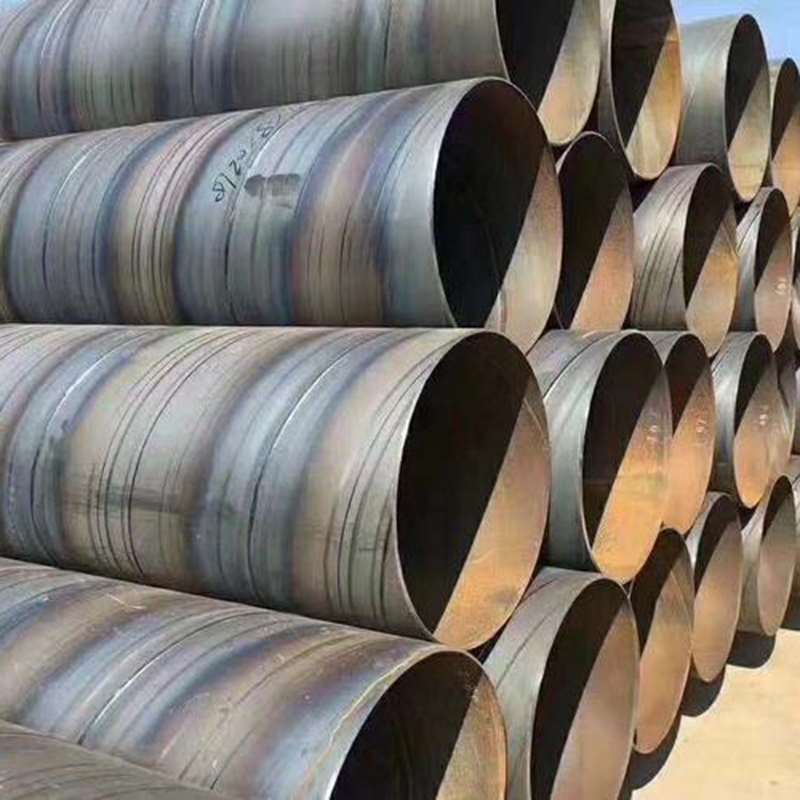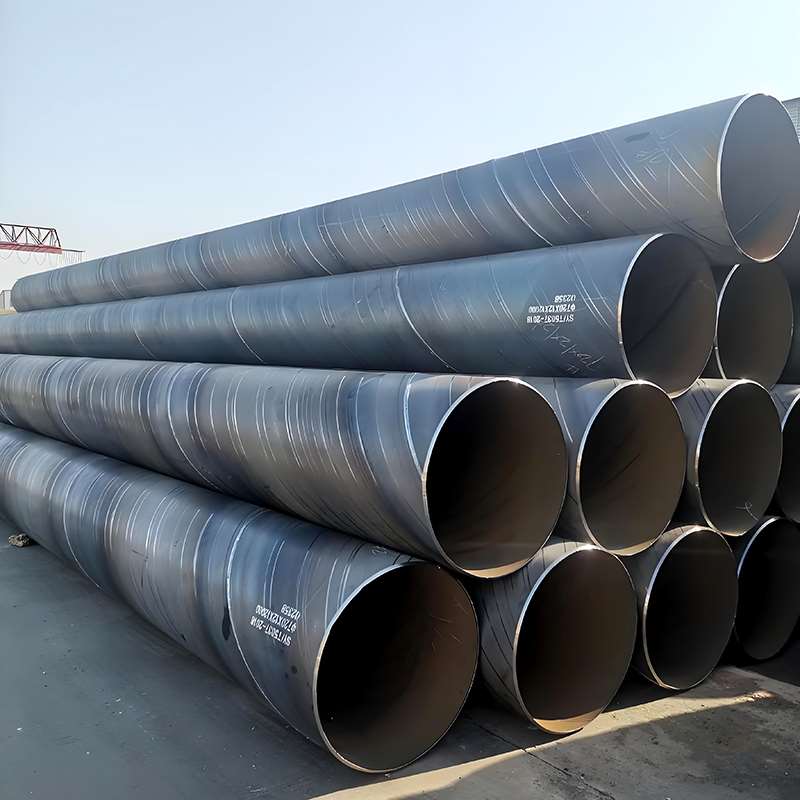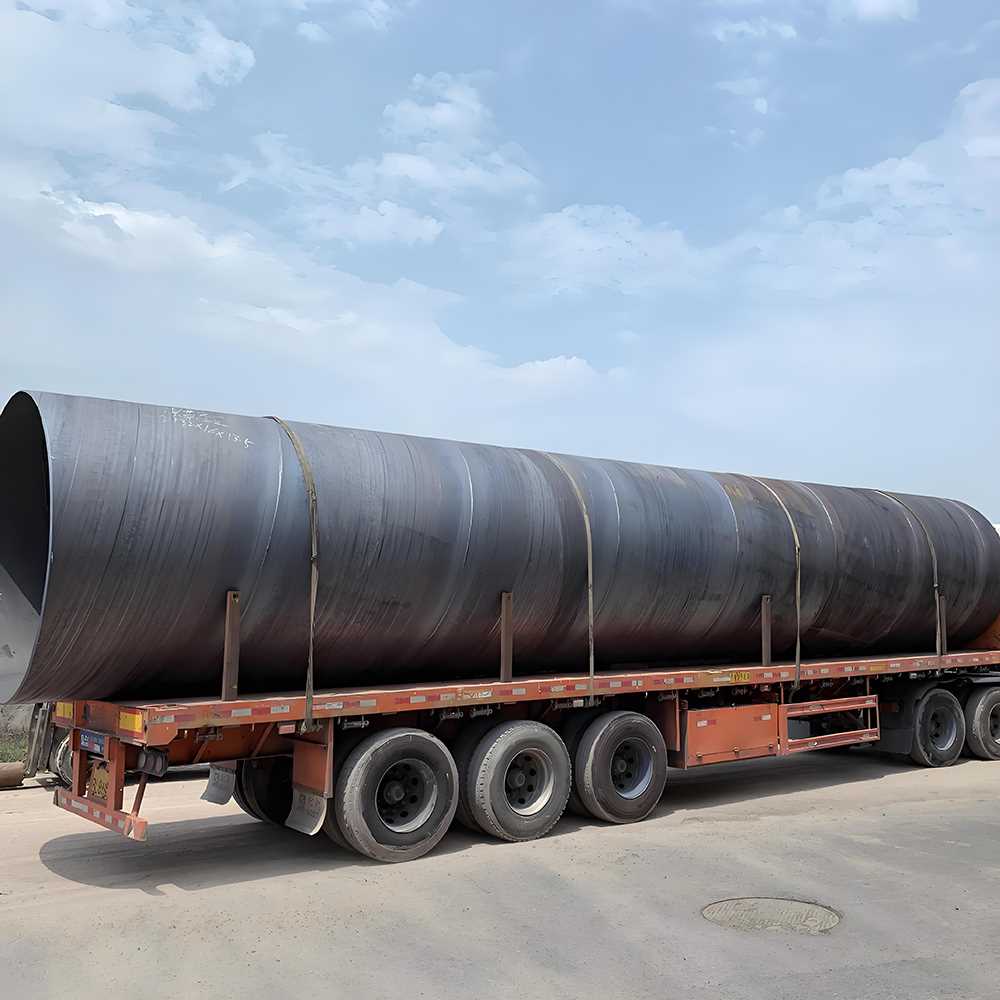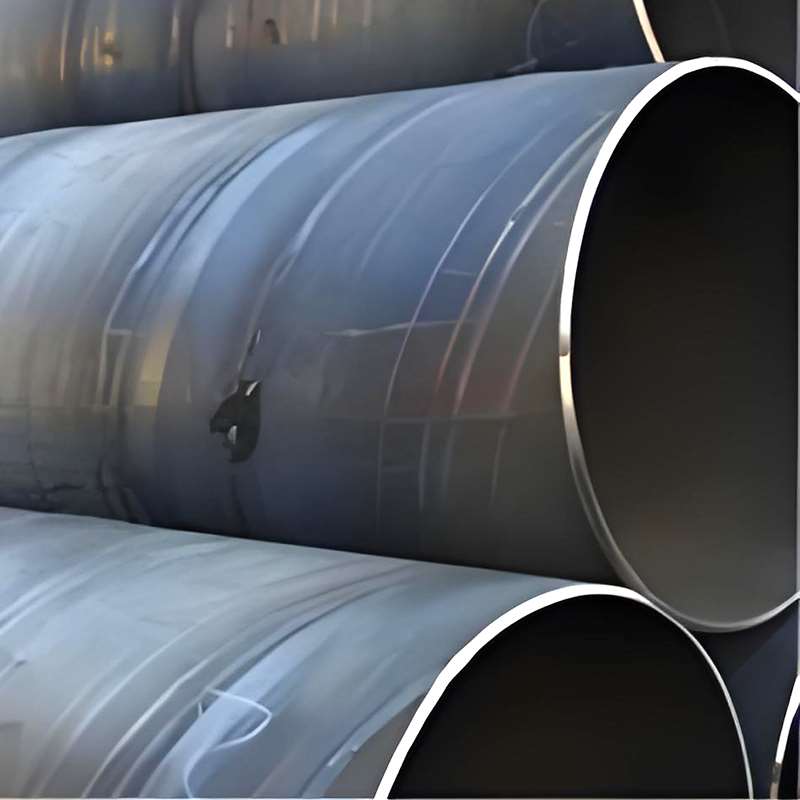
SSAW spiral steel pipes are widely used in fluid conveyance and structural support projects. However, the key factors determining a pipe’s pressure-bearing capacity, weldability, and service life are the steel grades used in its manufacture.
When procuring and designing for actual projects, how can you accurately select the right grade among API 5L, ASTM, EN, or Chinese National Standards (GB)? This article outlines the common steel grade classifications and application scenarios for SSAW steel pipes.
I. API 5L Pipe Steel Grades (Standard for Medium- and High-Pressure Transportation)
In the oil, natural gas, and high-pressure water transportation sectors, the American Petroleum Institute’s API 5L standard serves as the industry’s common language. The API 5L steel grades commonly used for SSAW pipes typically range from Grade A to X80.
| API 5L Steel Grade | Minimum Yield Strength Requirement (MPa) | Minimum Tensile Strength Requirement (MPa) | Most Suitable Applications |
|---|---|---|---|
| Grade B | ≥ 245 MPa | ≥ 415 MPa | Low-pressure conventional fluid transportation, urban medium and low-pressure water supply and drainage networks, and piling pipes. |
| X42 / X46 | ≥ 290 / 320 MPa | ≥ 415 / 435 MPa | Small and medium-scale water and oil pipelines; cost-effective with lower on-site welding difficulty. |
| X52 / X56 | ≥ 360 / 390 MPa | ≥ 460 / 490 MPa | Long-distance medium-pressure natural gas and refined oil transmission pipelines, balancing strength and weldability. |
| X60 / X65 | ≥ 415 / 450 MPa | ≥ 520 / 535 MPa | High-pressure, large-diameter long-distance gas transmission pipelines; widely used high-strength grades in pipeline construction worldwide. |
| X70 / X80 | ≥ 485 / 555 MPa | ≥ 570 / 625 MPa | Extremely high-pressure and ultra-large-diameter trunk gas transmission projects; requires excellent low-temperature impact toughness and advanced steelmaking and welding processes. |
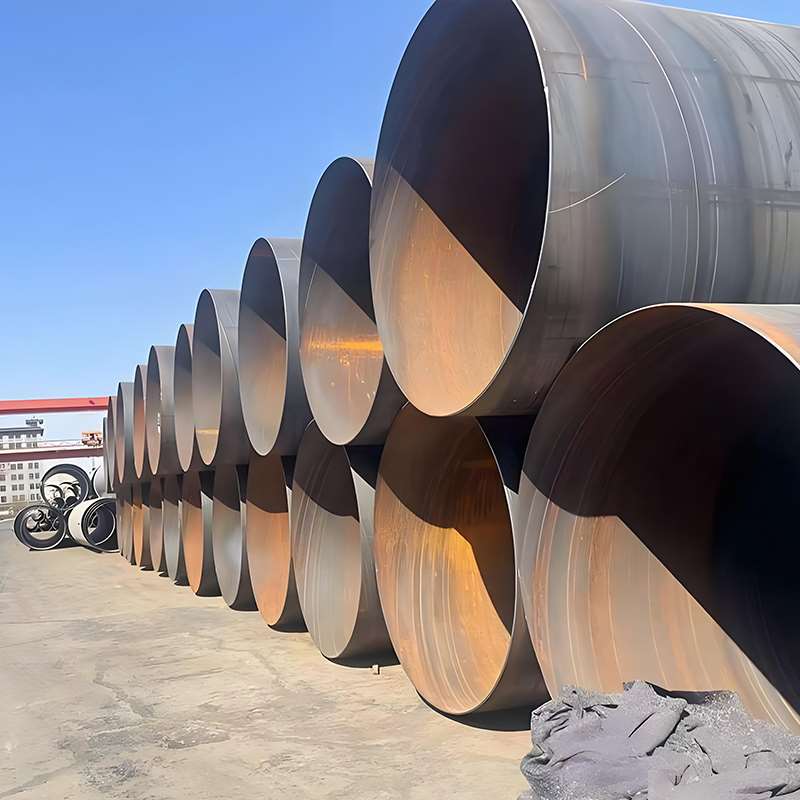
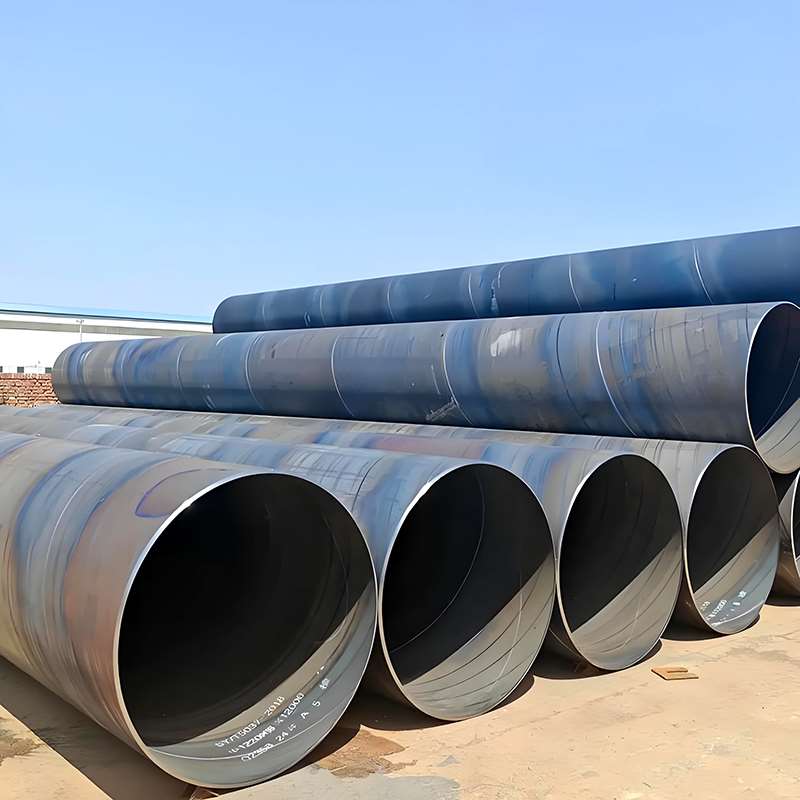
II. Cross-Standard Steel Grade Comparison Table (API vs. Chinese National Standard vs. ASTM)
In cross-border procurement or domestic engineering projects, technical personnel often need to convert foreign standards to domestic grades, or vice versa. The following is a key cross-standard steel grade conversion table for SSAW steel pipes:
| General Industry Classification | API 5L Standard (International) | GB/T 9711 Standard (China Pipeline) | GB/T 1591 / GB/T 700 (China General / Structural Steel) | ASTM Standards (American Structural Standards) |
|---|---|---|---|---|
| General Structural Grade | — | — | Q235B / Q355B | ASTM A36 / ASTM A572 Gr.50 |
| Low-Pressure Conventional Fluid Grade | Grade B | L245 | — | ASTM A53 Grade B |
| Medium-Grade Pipeline Steel | X42 / X52 | L290 / L360 | — | — |
| High-Grade Pipeline Steel | X60 / X65 / X70 | L415 / L450 / L485 | — | — |
Important Note: Although Q355B, ASTM A572 Gr. 50, and API 5L X52 are very similar in yield strength, pipeline steel (API 5L) has far stricter requirements than general-purpose structural steel (Q355B) regarding carbon equivalent (CE), sulfur and phosphorus impurity content, and low-temperature impact toughness. Under no circumstances should structural steel be used as a blind substitute for pipeline steel in the transportation of high-pressure flammable media.
III. Logic for Selecting Steel Grades Based on Application Requirements
How do you choose the right SSAW steel grade for your project? You can consider the following three factors:
- Balance Between Pressure and Wall Thickness
The higher the transmission pressure, the greater the requirement for the steel pipe’s ability to withstand internal pressure.
Select a high-grade steel (e.g., X65/X70): This allows for thinner wall thickness, thereby significantly reducing the pipe’s dead weight and saving on steel procurement volume and logistics costs.
Selecting a lower steel grade (e.g., Grade B/Q235B): For projects that are inherently low-pressure or at atmospheric pressure (such as foundation piling or standard slurry pipelines), blindly pursuing a higher steel grade is actually a waste of resources, as lower-grade materials have a lower unit price and are easier to procure. - On-Site Welding and Construction Convenience
The higher the steel grade of a steel pipe, the more complex its alloying elements or controlled rolling processes tend to be, and the carbon equivalent (CE) often increases accordingly.
If your project is located in a remote field with harsh natural conditions and a shortage of highly skilled welders, selecting X52 or L360 grade SSAW pipes offers a higher margin for error during on-site alignment and welding.
Selecting X70/X80, however, requires the use of specialized low-hydrogen electrodes and strict preheating and interpass temperature control procedures. - Environment and Medium
If the transported medium contains hydrogen sulfide (H₂S, i.e., an acidic service environment), do not rely solely on the steel grade number when purchasing; the pipes must comply with the API 5L standard, and grades such as X52NS or X60MS should be selected. These steel grades are specifically designed to resist hydrogen-induced cracking through special calcination treatment and low sulfur content.