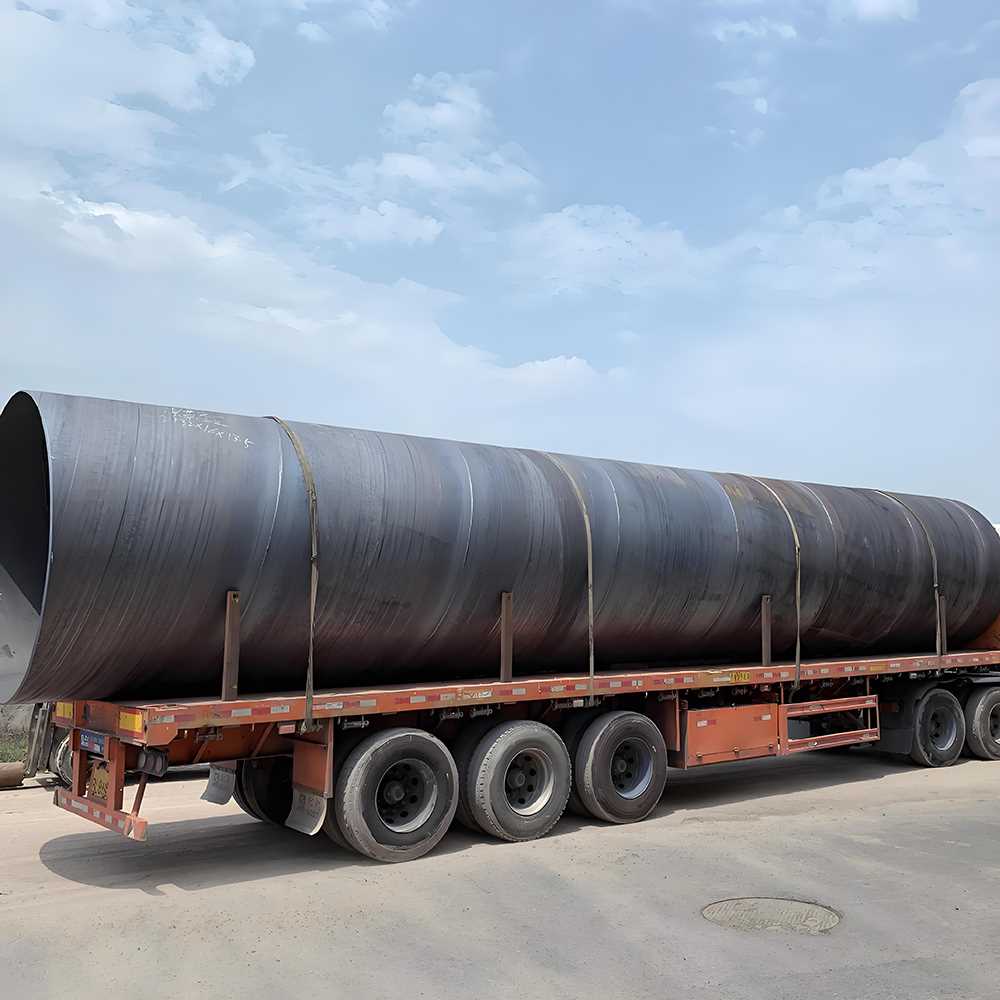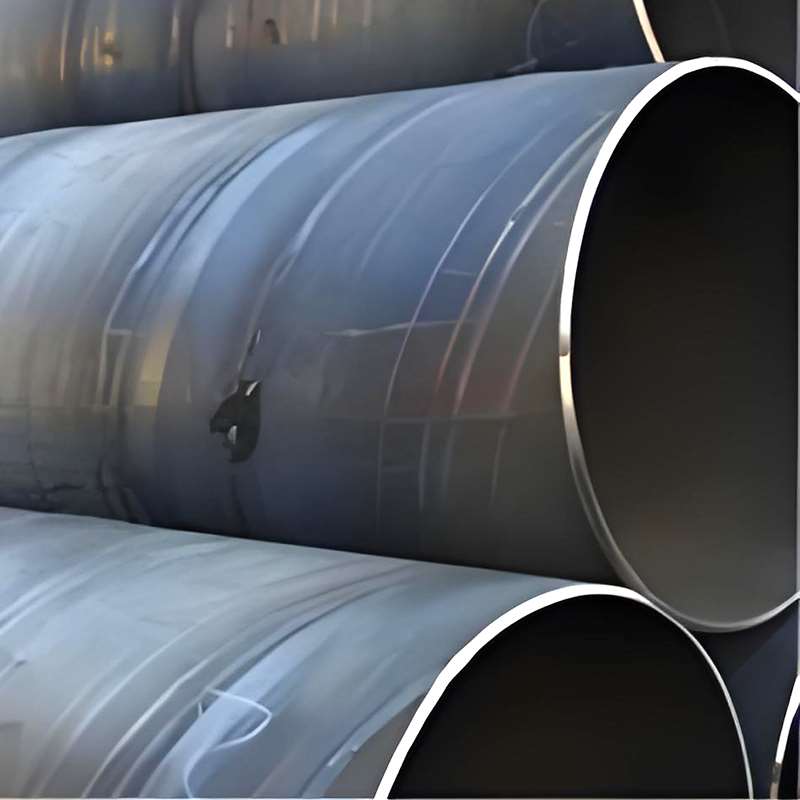
In long-distance oil and gas transmission projects, the safe operation of pipelines is directly linked to national energy security and the surrounding ecological environment. With the rapid advancement of modern metallurgy and welding technologies, API 5L spiral steel pipes have come to play an increasingly important role in medium- and high-pressure oil and gas transmission networks due to their cost-effectiveness and excellent mechanical properties.
However, when dealing with high-pressure, flammable, and explosive media, how can one correctly select the appropriate type of SSAW steel pipe and ensure its quality? This article will provide an in-depth analysis from both the perspectives of standards and regulations and practical field experience.
I. Why Are SSAW Steel Pipes Suitable for Long-Distance Oil and Gas Transportation?
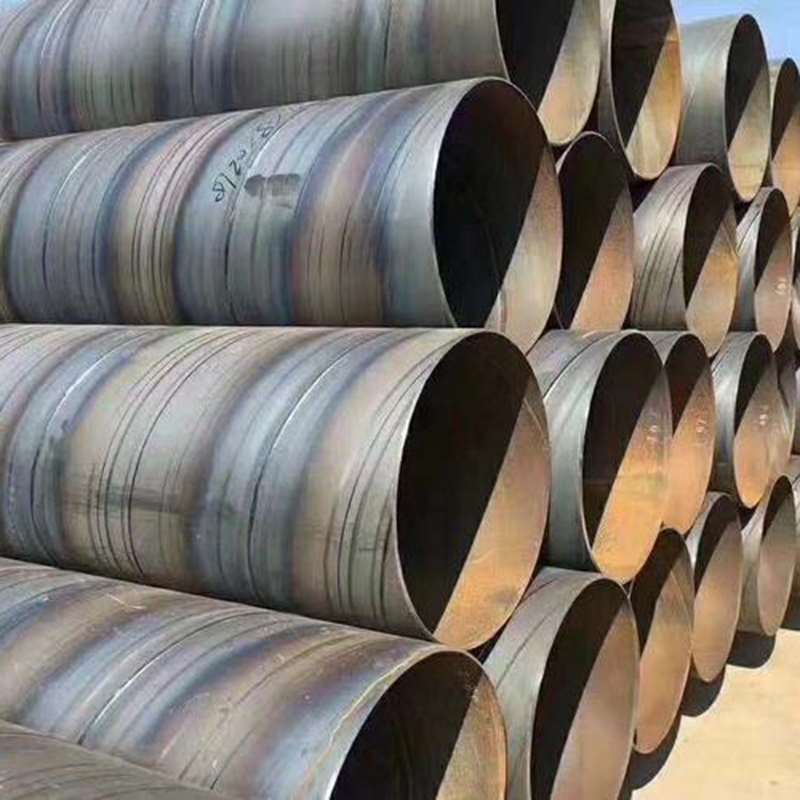
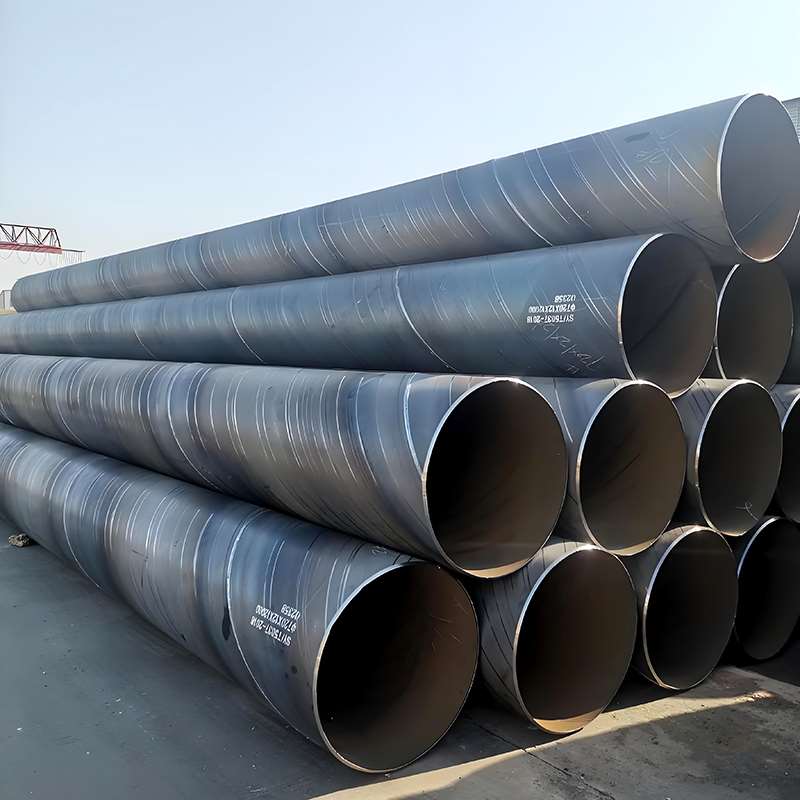
Historically, some designers had reservations about spiral welded steel pipes, but modern SSAW manufacturing processes have met the stringent requirements of the API 5L standard for oil and gas transmission through the following technical breakthroughs:
- Residual stress is minimized: Modern spiral steel pipe forming machines utilize micro-tension forming technology, followed by rigorous mechanical expansion or finishing after welding, which eliminates residual stress inside the pipe.
- Significantly Reduced Stress on the Weld: In high-pressure oil and gas pipelines, the primary stress on the pipe wall is perpendicular to the pipe’s axial direction. The spiral weld of SSAW pipes, however, forms a certain angle with the pipe’s axial direction. This means that the actual combined stress borne by the spiral weld is only 60%–85% of that in straight-seam welded pipes, reducing the risk of long-distance axial tearing at the weld.
- Extra-long Flexible Manufacturing: The length of a single spiral steel pipe can easily be customized to 12 meters or even 18 meters. This significantly reduces the number of butt welds during field installation, not only shortening the construction schedule but also minimizing potential leak points.
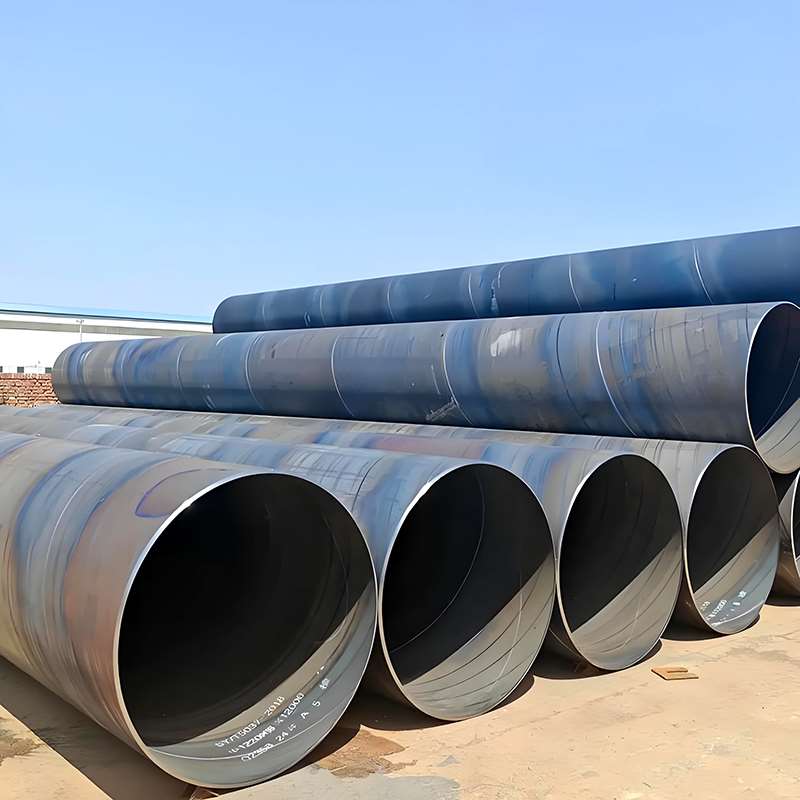
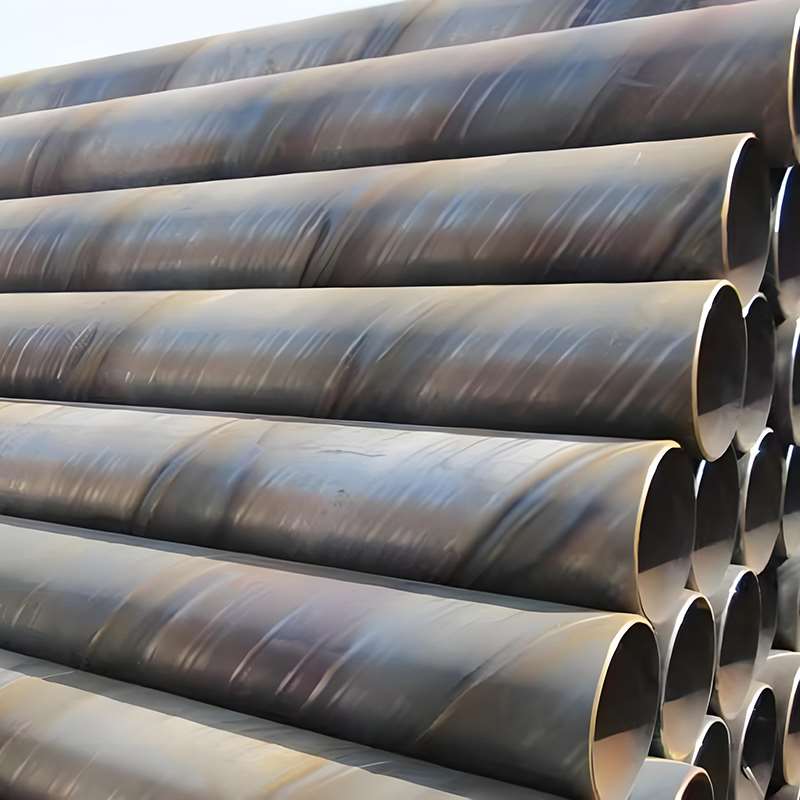
II. PSL2 Is Mandatory for Oil and Gas Pipelines
In API 5L (American Petroleum Institute Standard), pipeline steel pipes are classified into two product specification levels: PSL1 and PSL2.
- Industry rule: SSAW steel pipes used for oil and gas transportation must be of the PSL2 grade.
The following are several critical safety requirements for PSL2 in the oil and gas sector, which are essential items to verify on the Material Test Certificate (MTC) during procurement:
- Chemical Composition and Carbon Equivalent (CE): PSL2 imposes strict upper limits on the content of impurities such as carbon, sulfur, and phosphorus, and strictly limits the carbon equivalent (e.g., CEpcm ≤ 0.25) to ensure the pipe’s field weldability under low-temperature or harsh field conditions.
- Mandatory Fracture Toughness Testing: PSL2 requires that every batch of steel pipes undergo Charpy impact testing and drop weight testing (DWTT). This ensures that, in the event of accidental impact or instantaneous overpressure in large-diameter, high-pressure pipelines, the material can “absorb energy through deformation,” resulting in ductile shear rather than catastrophic brittle rupture.
- Stricter Geometric Tolerances: PSL2 has tightened the tolerances for pipe end outer diameter and ovality to ensure that misalignment during on-site butt welding is minimized.
III. Key Quality Control Points for API 5L SSAW Steel Pipes for Oil and Gas Applications
During production at the steel mill or under third-party supervision, “zero-tolerance” control must be enforced for the following welding and inspection processes:
- Precision Forming and Edge Misalignment Control: Stress Relief and Geometric Alignment.
Strictly control the quality of the milled edges on the steel strip and the edge misalignment of the forming machine (typically controlled within 10% of the wall thickness and not exceeding 3 mm). Excessive edge misalignment can lead to severe localized stress concentration, becoming a source of fatigue failure. - Double-sided Submerged Arc Welding (Inner and Outer): Ensure complete fusion on both sides.
Use multi-wire high-speed submerged arc welding, precisely matching the welding current, voltage, and speed. Ensure sufficient overlap between the inner and outer welds (typically required to be 50% or more of the plate thickness) to guarantee thorough root penetration; incomplete fusion or lack of penetration is strictly prohibited. - 100% In-Line Non-Destructive Testing: Comprehensive detection of minute defects.
Immediately after the steel pipe is formed, 100% full-length automatic ultrasonic testing is performed, with a focus on the weld and the heat-affected zones on both sides. Subsequently, the weld within 200 mm of the pipe ends, as well as any suspicious areas flagged by ultrasonic alarms, must undergo a digital X-ray re-inspection to eliminate porosity, slag inclusions, and cracks. - 100% Individual Hydrostatic Testing: Verifying the pressure-bearing capacity of the entire pipe.
A pressure stabilization test is conducted at the pressure specified by API 5L PSL2, with a stabilization time of no less than 5 seconds. The hydrostatic test pressure often reaches more than 90% of the material’s yield strength, serving as a direct, destructive verification of the metallurgical quality of the pipe body and welds.
IV. Common Steel Grades and Main Applications
Based on the pressure and distance of pipeline transportation, the commonly used steel grades for API 5L SSAW steel pipes are typically as follows:
| Common Steel Grade (PSL2) | Yield Strength Range | Typical Pipe Diameter Range (NPS) | Most Suitable Applications |
|---|---|---|---|
| API 5L X42 / X52 | 290 – 360 MPa | 16″ – 24″ | Short and medium-distance natural gas branch pipeline networks, refined oil transmission pipelines, and oilfield gathering pipelines. |
| API 5L X60 / X65 | 415 – 450 MPa | 24″ – 40″ | Cross-regional medium and high-pressure natural gas trunk pipelines and high-capacity crude oil transmission mainlines. Provides a balance between high strength and field welding performance. |
| API 5L X70 / X80 | 485 – 555 MPa | 40″ – 56″ | Onshore ultra-high-pressure pipelines (above 10 MPa) and extra-large-diameter long-distance continental natural gas transmission trunk lines. |
Notes:
PSL2 = Product Specification Level 2 (higher requirements for mechanical properties, chemical composition, and testing compared with PSL1).
NPS = Nominal Pipe Size.
Yield Strength Range refers to the minimum yield strength requirements for the corresponding API 5L grades.