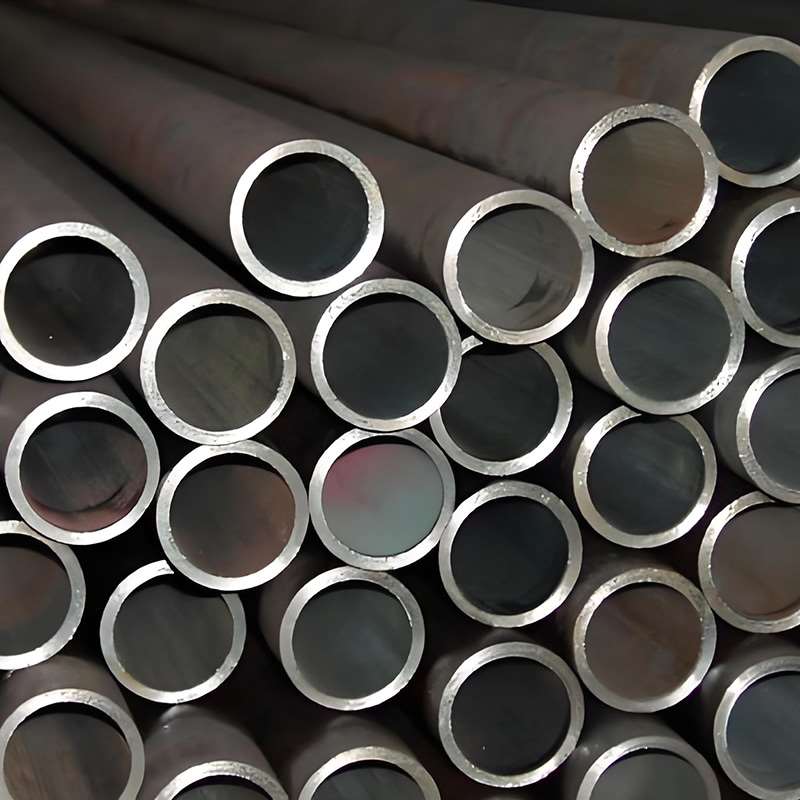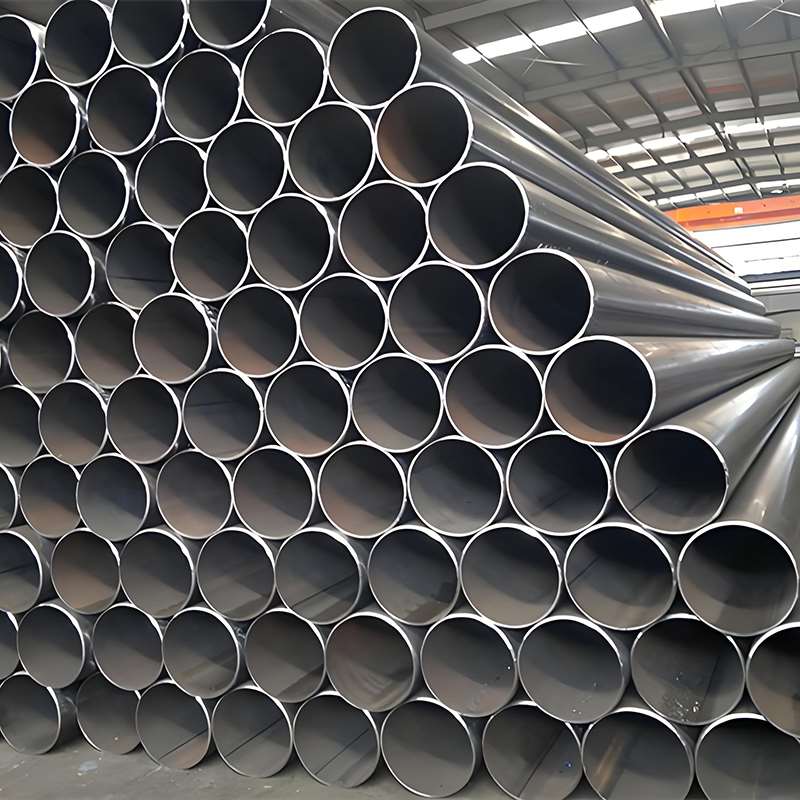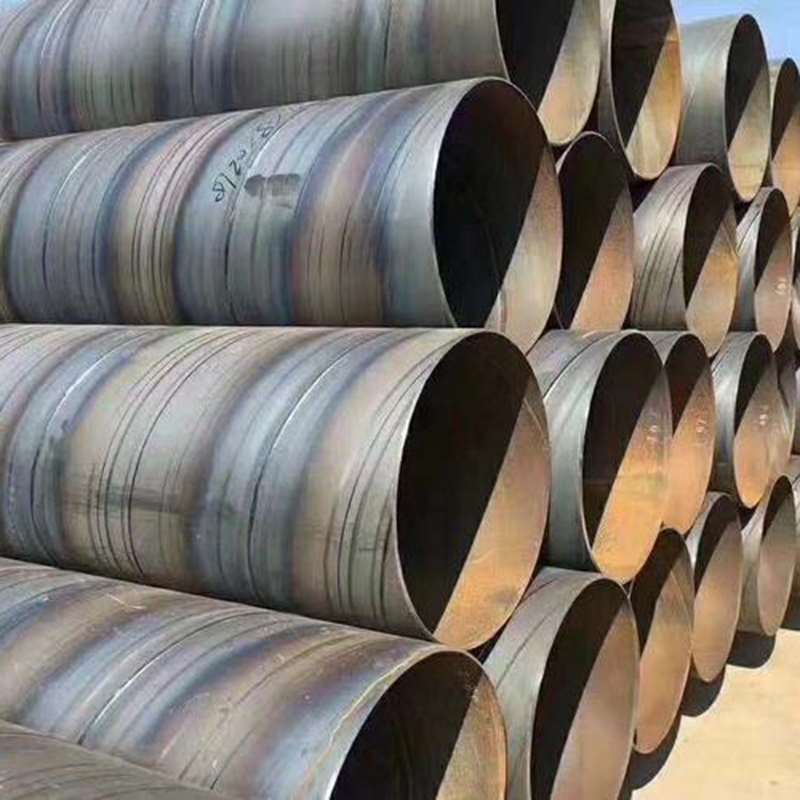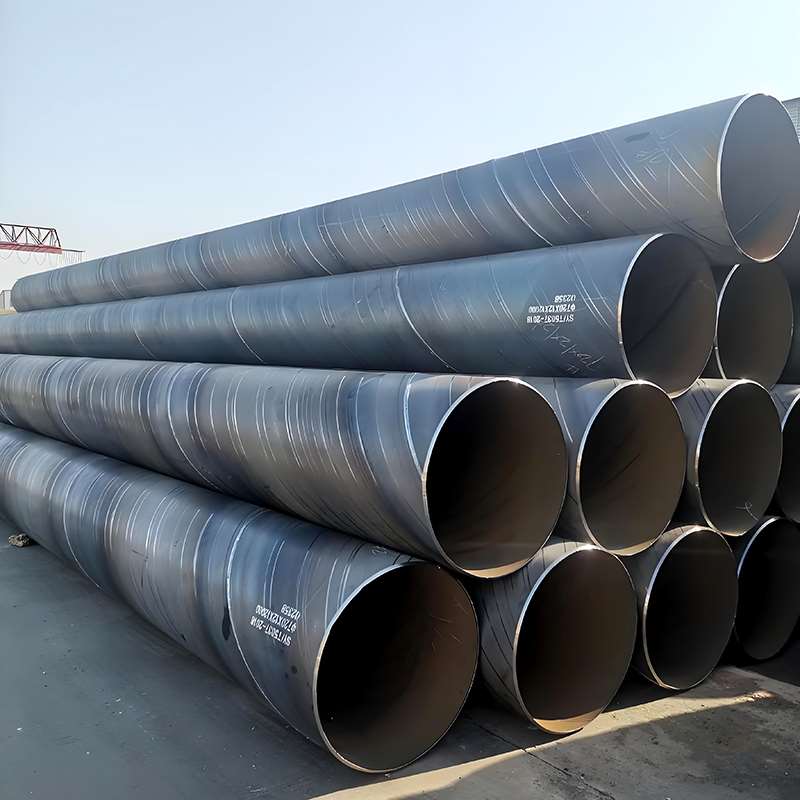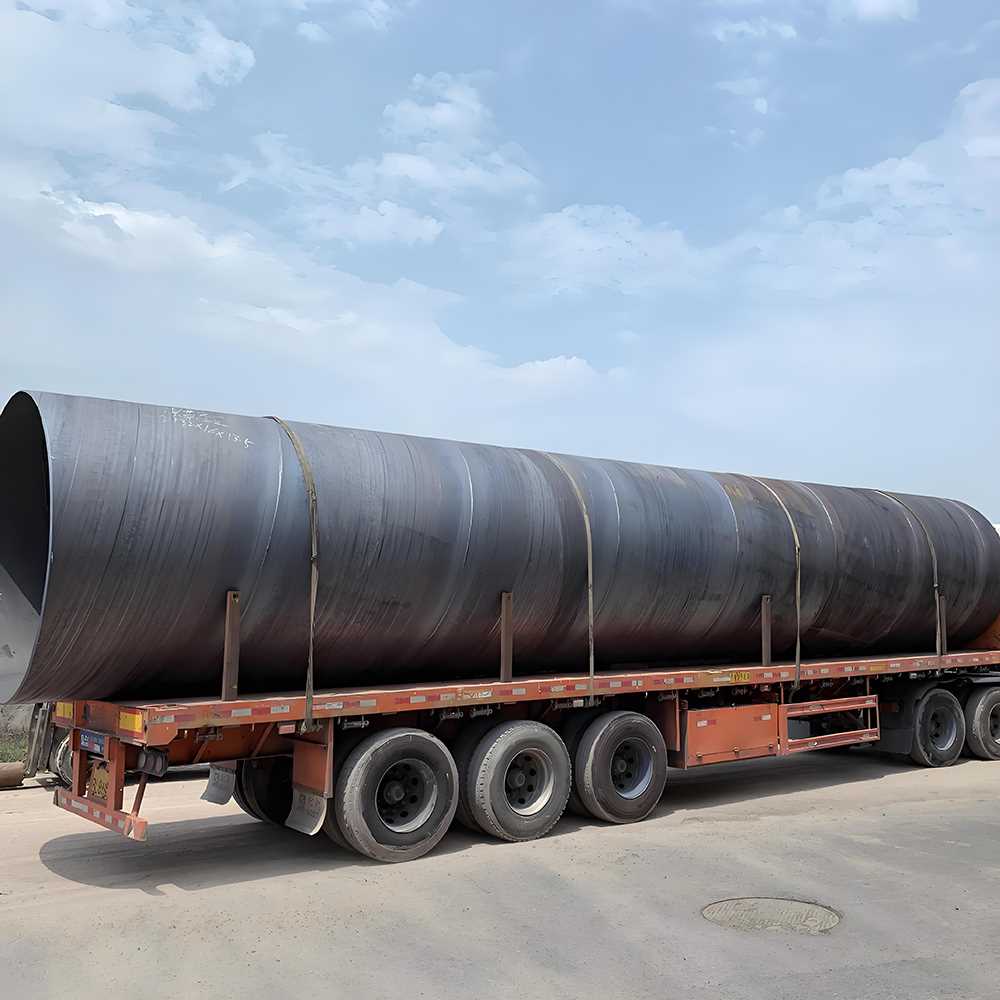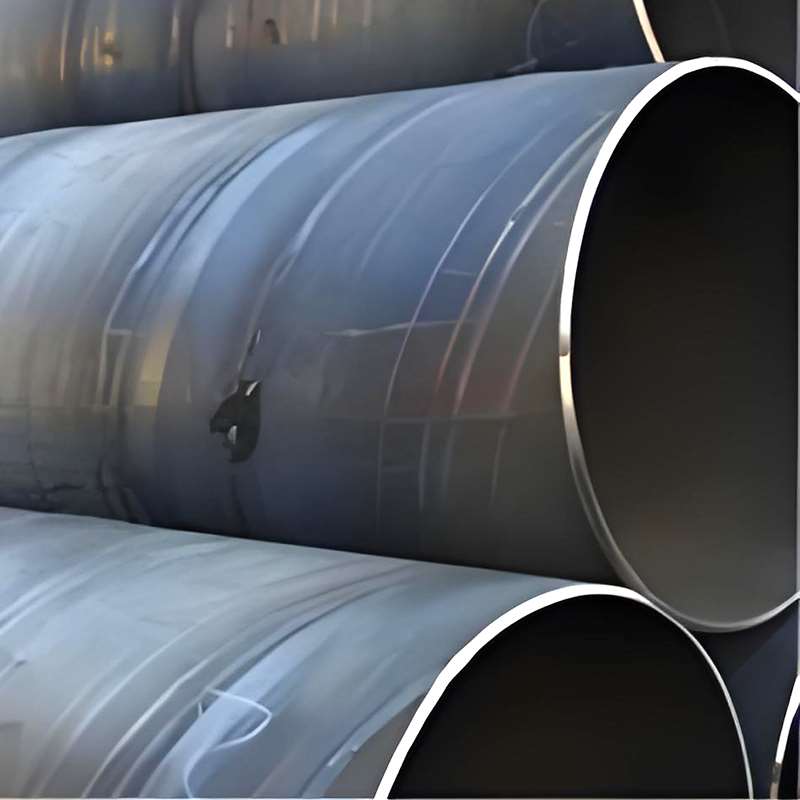
In the API 5L pipeline steel pipe standard, PSL1 and PSL2 are two very important product specification levels. They are not simply “lower grade” and “higher grade” classifications; rather, they have significant differences in chemical composition, mechanical properties, manufacturing requirements, inspection items, and applicable service conditions.
A proper understanding of the differences between PSL1 and PSL2 can help users select the most suitable pipeline according to project requirements, avoiding unnecessary costs or insufficient safety performance.
I. What Are API 5L PSL1 and PSL2?
API 5L is an internationally recognized standard widely used for steel pipes in oil and natural gas transportation pipelines. It specifies the manufacturing requirements for line pipe.
Among them:
PSL1
- Basic product specification level
- Meets the requirements of general pipeline transportation applications
- Has relatively lower manufacturing and inspection requirements
- Offers a more economical purchasing cost
PSL2
- Higher product specification level
- Has stricter requirements for steel chemical composition, performance parameters, and quality control
- Suitable for high-risk, high-pressure, and high-safety-demand projects
Simply put:
PSL1 focuses more on cost efficiency, while PSL2 places greater emphasis on reliability and safety.
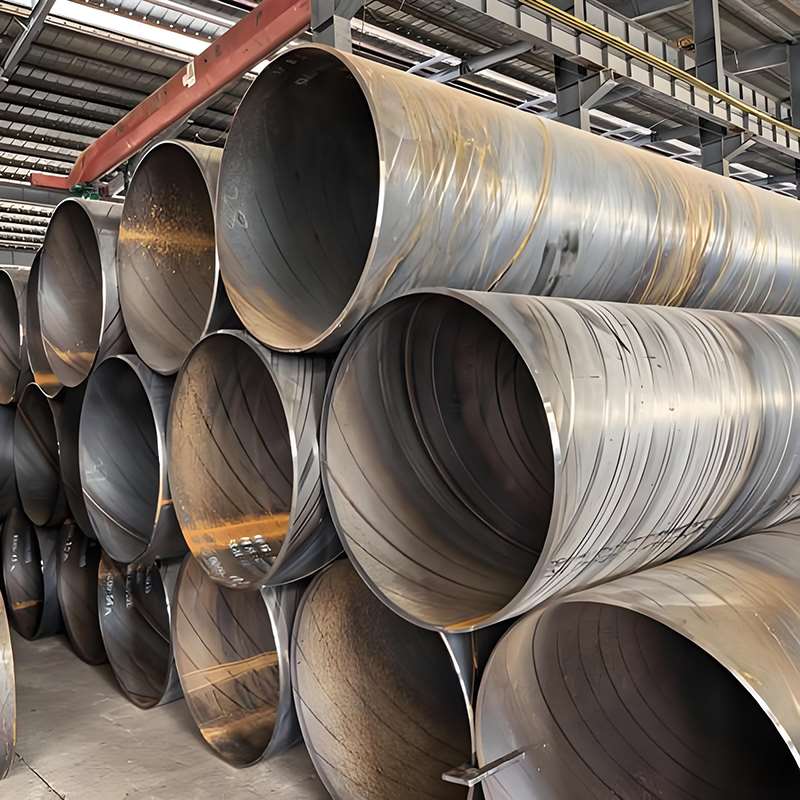
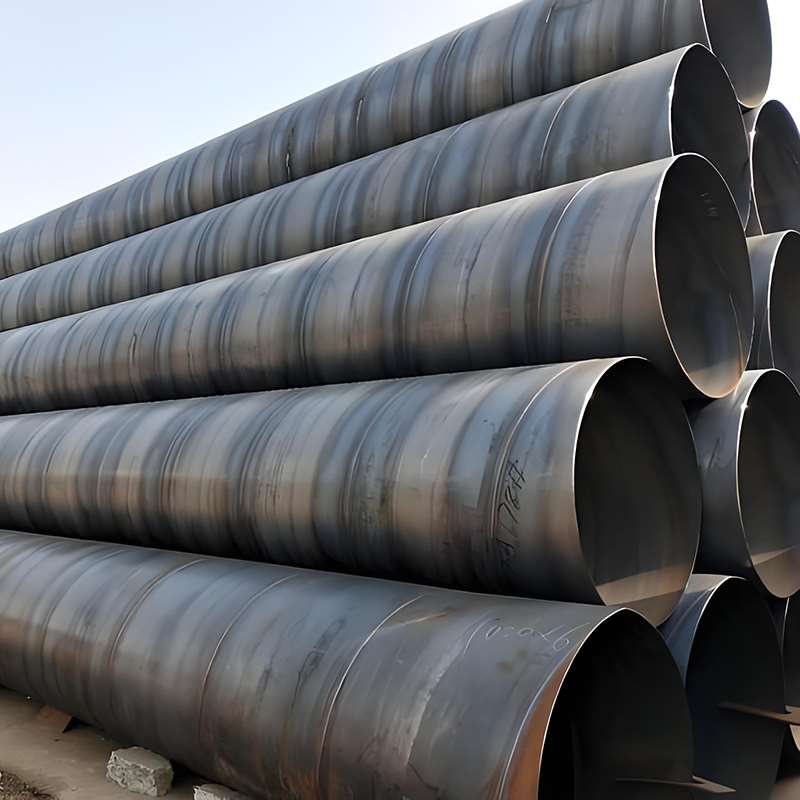
II. Main differences between PSL1 and PSL2
| Comparison Dimension | PSL1 (Standard Product Specification Level) | PSL2 (Higher Technical Specification Level) |
|---|---|---|
| Chemical Composition | Allows relatively higher contents of carbon (C), phosphorus (P), and sulfur (S) | Strictly limits carbon, phosphorus, and sulfur contents, and controls carbon equivalent (CEq) to improve weldability |
| Tensile Properties | Only specifies minimum yield strength and tensile strength requirements | Specifies upper and lower limit ranges to prevent excessive hardness and material embrittlement |
| Impact Toughness | No mandatory requirements | Mandatory Charpy V-Notch impact testing is required |
| Non-Destructive Testing (NDT) | Only required under special conditions or for specific pipe types | Full-length mandatory non-destructive testing is required for both weld seams and pipe bodies |
| Steel Grade Range | Covers grades from A25 to X70 | Covers grades from B to X80 (high-strength line pipe steel) |
| Weldability | Standard | Excellent (carbon equivalent is controlled, reducing the risk of cracking during field welding) |
III. Comparison of chemical composition between PSL1 and PSL2 (API 5L Grade B)
| Chemical Element | PSL1 | PSL2 |
|---|---|---|
| Carbon C (Max.) | ≤0.28% | ≤0.24% |
| Manganese Mn (Max.) | ≤1.20% | ≤1.20% |
| Phosphorus P (Max.) | ≤0.030% | ≤0.025% |
| Sulfur S (Max.) | ≤0.030% | ≤0.015% |
| Titanium Ti (Max.) | ≤0.04% | ≤0.04% |
| Niobium Nb (Max.) | ≤0.05% | ≤0.05% |
| Vanadium V (Max.) | ≤0.05% | ≤0.05% |
| Carbon Equivalent (CE) | No mandatory requirement | Limited requirement |
| CE (IIW) | — | ≤0.43% (typical requirement) |
| Hydrogen Control | Basic requirements | More stringent control |
IV. Comparison of mechanical properties between PSL1 and PSL2 (API 5L Grade B)
| Performance Item | PSL1 | PSL2 |
|---|---|---|
| Minimum Yield Strength (SMYS) | 245 MPa | 245 MPa |
| Maximum Yield Strength | No specific limit | 450 MPa |
| Minimum Tensile Strength | 415 MPa | 415 MPa |
| Maximum Tensile Strength | No specific limit | 760 MPa |
| Elongation | Calculated according to the specified formula | Calculated according to the specified formula |
| Yield-to-Tensile Ratio (YS/TS) | No requirement | ≤0.93 |
| Charpy Impact Test | Usually not required | Mandatory requirement |
| Impact Test Temperature | — | According to project requirements (commonly 0°C or -20°C) |
| Weld Seam CVN Impact Test | — | Must meet the specified requirements |
V. How to Choose the Right Pipeline for Your Application?
When placing an order with a welded steel pipe manufacturer or developing a procurement plan, the selection can be made based on the following four key factors:
1. Transport Medium and Operating Pressure
Choose PSL1:
If the pipeline is only used for transporting low-pressure water, structural support, general piling applications, or low-pressure non-corrosive gases.
Choose PSL2:
If the pipeline is used for transporting natural gas, crude oil, sour service media (environments containing H₂S), or is subjected to high pressure for long-term operation. The strict impact toughness requirements of PSL2 help prevent the propagation of fractures under high stress conditions.
2. Ambient Temperature and Geological Conditions
Choose PSL2:
In extremely cold regions, cold offshore areas, or earthquake-prone zones, metallic materials are more susceptible to low-temperature brittle fracture. PSL2 requires mandatory impact testing, ensuring that steel pipes can withstand low temperatures and dynamic loads without brittle failure.
3. Pipe Diameter and Manufacturing Process
Large-scale pipeline projects typically use Spiral Welded Steel Pipe (SSAW). For large-diameter spiral welded steel pipes:
- For urban low-pressure water supply and drainage systems or engineering structures, PSL1 is sufficient to meet both economic and practical requirements.
- For transnational long-distance oil and gas transmission pipelines, PSL2-grade spiral welded steel pipes must be specified due to the high operating pressure and long weld seams. In addition, the welded steel pipe manufacturer is required to provide complete non-destructive testing records and quality certification documents.
4. Project Budget and Cost Performance
PSL2 requires higher steel coil cleanliness standards and involves additional inspection procedures during manufacturing, so its cost is typically 10%–20% higher than PSL1.
If the project environment is mild and the operating pressure is relatively low, blindly choosing PSL2 may result in unnecessary cost increases.