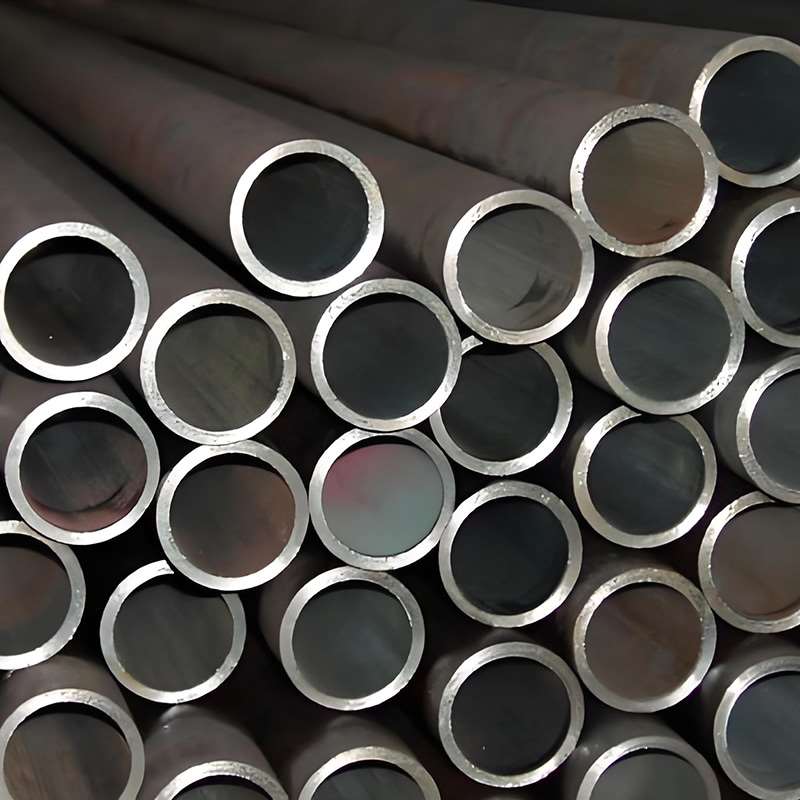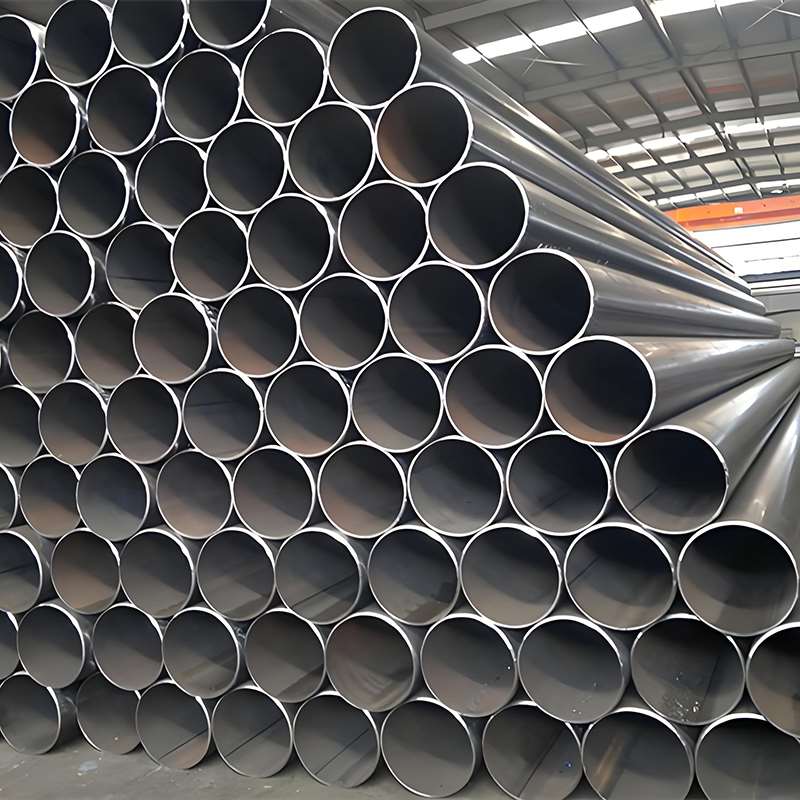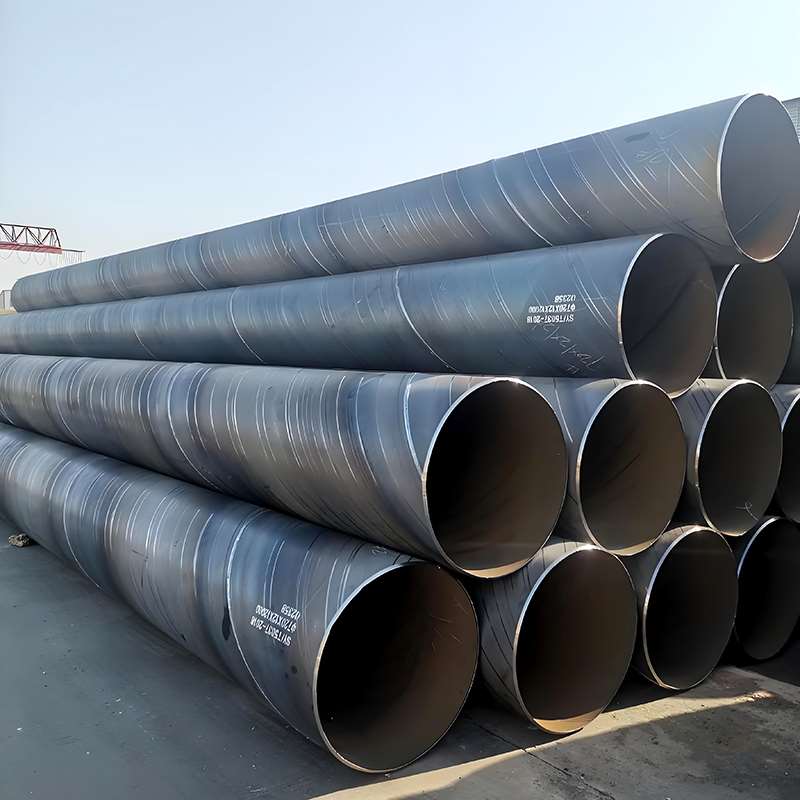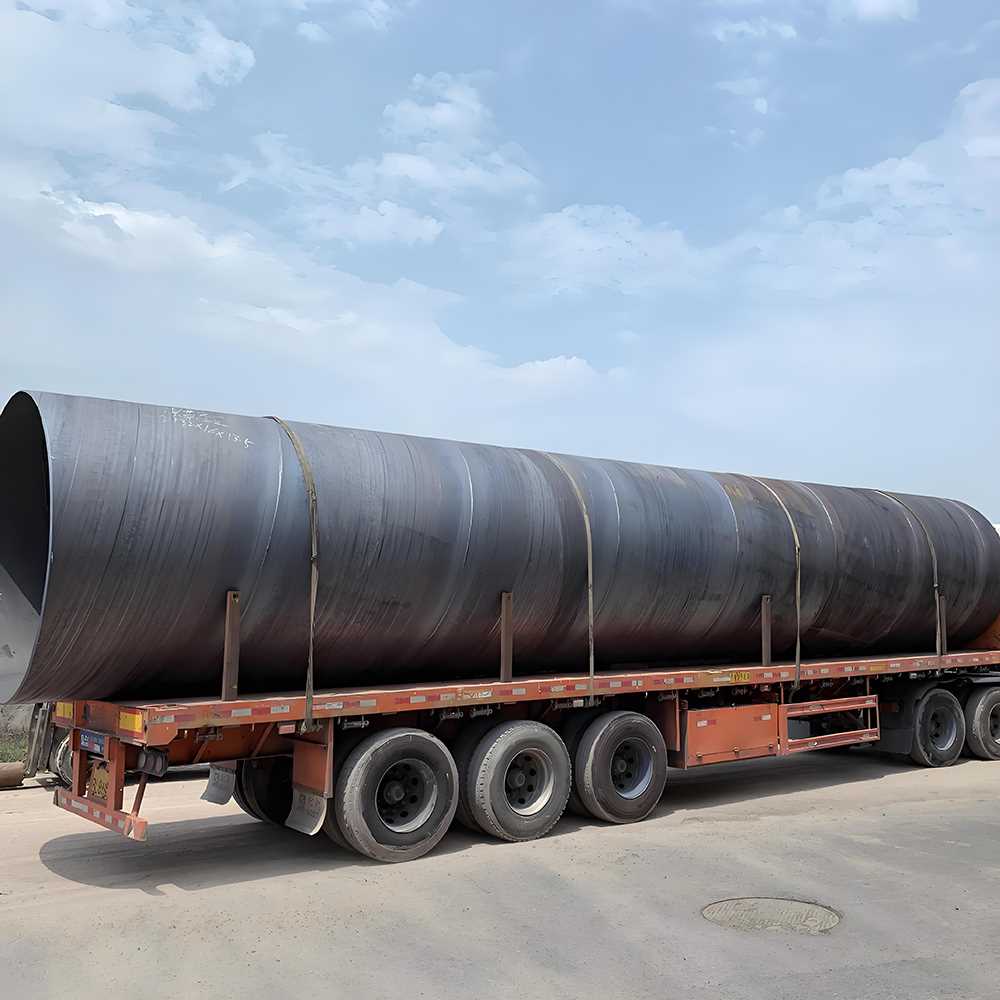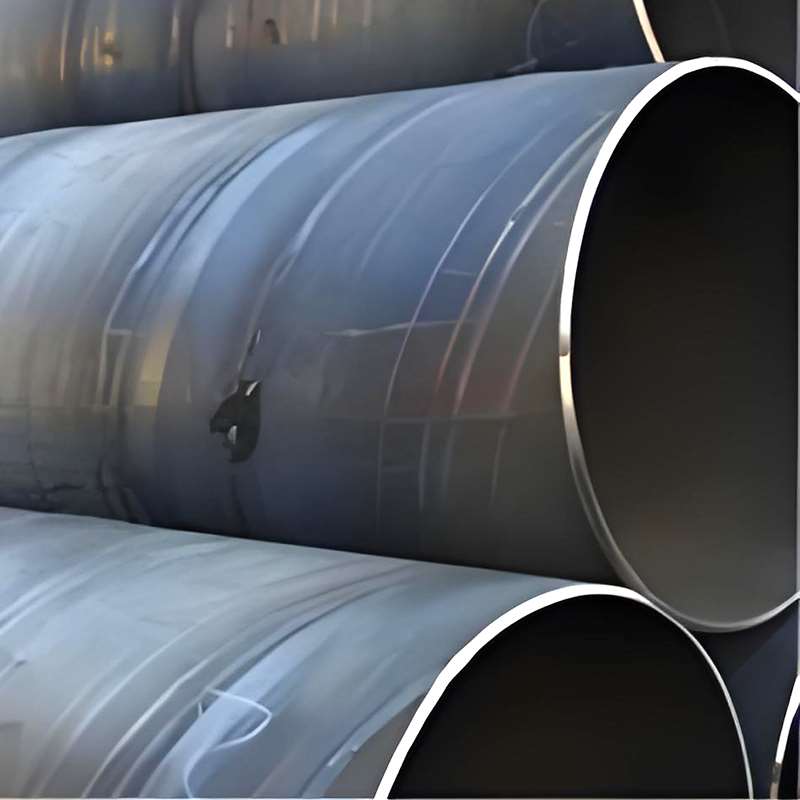
In modern infrastructure construction and industrial development, spiral welded steel pipes (SSAW Steel Pipe) have become an indispensable material due to their high strength, flexible specifications, and excellent cost-effectiveness.
Spiral welded steel pipes are playing an increasingly critical role, particularly in oil and gas transportation, water conservancy projects, and large-scale structural projects.
This article will systematically analyze their core application areas and key advantages to help procurement personnel and engineering technicians better understand and select the appropriate products.
I. Key Application Areas of Spiral Welded Steel Pipes
i. Oil and Gas Transmission Pipelines
Spiral welded steel pipes are widely used in long-distance oil and gas transmission pipelines and typically comply with API 5L standards (such as grades X42, X52, X60, etc.).
Application Features:
- Suitable for high-pressure transmission environments
- Can undergo anti-corrosion treatments such as 3PE and FBE to enhance corrosion resistance
- Significant advantages in large diameters (e.g., DN500–DN3000)
Typical Projects:
- Onshore oil and gas transmission pipelines
- Urban gas distribution networks
- Subsea pipeline projects
ii. Water Supply, Drainage, and Municipal Engineering
In urban infrastructure development, spiral-welded steel pipes are widely used in water supply, drainage, and wastewater treatment systems.
Key Advantages:
- Inner walls can be coated with epoxy to enhance water quality safety
- High compressive strength, making them suitable for underground applications
- Lower cost than seamless steel pipes, making them ideal for large-scale use
Applications:
- Urban water supply mains
- Rainwater and wastewater drainage systems
- Seawater desalination projects
iii. Structural Engineering and Bridge Engineering
Spiral-welded steel pipes are not only used for fluid conveyance but also serve as structural materials.
Structural Applications:
- Pile foundation pipes (for pile driving)
- Bridge support structures
- Steel columns in high-rise buildings
Technical Advantages:
- Capable of producing ultra-large-diameter steel pipes to meet the demands of large-scale projects
- The spiral weld distribution ensures more uniform stress dispersion
iv. Electric Power and Energy Industry
Spiral-welded steel pipes also play a vital role in the electric power, thermal energy, and new energy sectors.
Applications:
- Cooling water circulation systems in power plants
- Wind turbine foundation structures (e.g., tower supports)
- Heat transfer pipelines
v. Industrial Fluid Conveyance Systems
In the chemical, mining, and manufacturing industries, spiral-welded steel pipes are used to convey various industrial media.
Typical Applications:
- Conveyance of chemical liquids
- Slurry conveyance pipelines
- Industrial circulating water systems
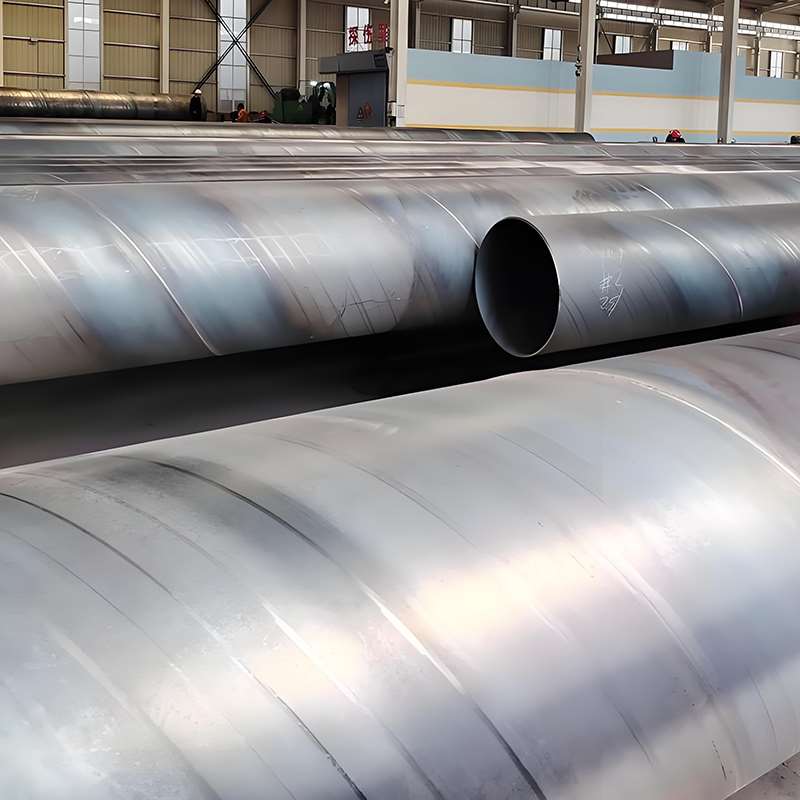
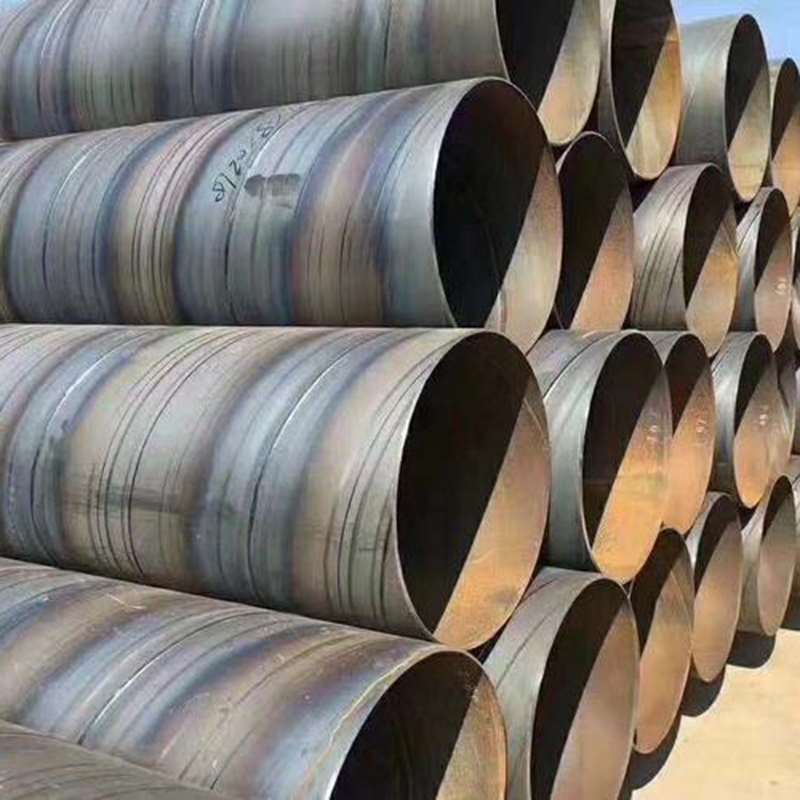
II. Analysis of the Key Advantages of Spiral-Welded Steel Pipes
i. Cost Efficiency
Compared to seamless steel pipes, spiral-welded steel pipes are manufactured using a coil-forming process, which results in higher raw material utilization and lower production costs.
Applications:
- Suitable for large-diameter projects (with significant cost advantages)
- More suitable for long-distance pipeline projects
ii. Strong production capacity for large diameters
- Spiral-welded steel pipes can easily be produced in large diameters (even exceeding 3 meters), whereas straight-seam steel pipes are subject to significant equipment limitations.
iii. Stable Mechanical Properties
The spiral arrangement of the welds ensures even stress distribution, thereby enhancing the overall structural stability.
Characteristics:
- High compressive strength
- Good crack resistance
- Suitable for complex geological environments
iv. Flexible Production Specifications
- The diameter and wall thickness of spiral welded steel pipes can be flexibly adjusted to meet the requirements of various engineering projects.
v. Excellent Corrosion Resistance
Through various corrosion protection systems, these pipes can withstand a wide range of challenging environments:
Common corrosion protection methods:
- 3PE (three-layer polyethylene coating)
- FBE (fusion-bonded epoxy powder)
- Internal epoxy resin coating
vi. Suitable for Complex Construction Environments
Spiral steel pipes are particularly suitable for the following complex environments:
- Marine environments
- Highly corrosive soils
- Extremely cold or hot regions
III. Spiral-Welded Steel Pipes vs. Seamless Steel Pipes: How to Choose?
| Comparison Item | Spiral Steel Pipe | Seamless Steel Pipe |
|---|---|---|
| Cost | Lower | Higher |
| Diameter Range | Advantage in large diameters | Better suited for small diameters |
| Pressure Capacity | Medium to high pressure | High pressure |
| Application Fields | Water transmission, oil & gas, structural use | High-pressure boilers, precision equipment |
Selection Recommendations:
- Large-diameter, long-distance conveyance → Give priority to spiral-welded steel pipes
- High-pressure, small-diameter, precision applications → Choose seamless steel pipes
IV. Future Trends
With the continued growth of global infrastructure development, the application of spiral welded steel pipes will expand further:
- Green Manufacturing: More environmentally friendly coatings and production processes
- Smart Manufacturing: Automated welding and inspection technologies enhance quality consistency
- High-Performance Materials: Higher strength grades (such as X70 and X80) are gradually becoming more widespread