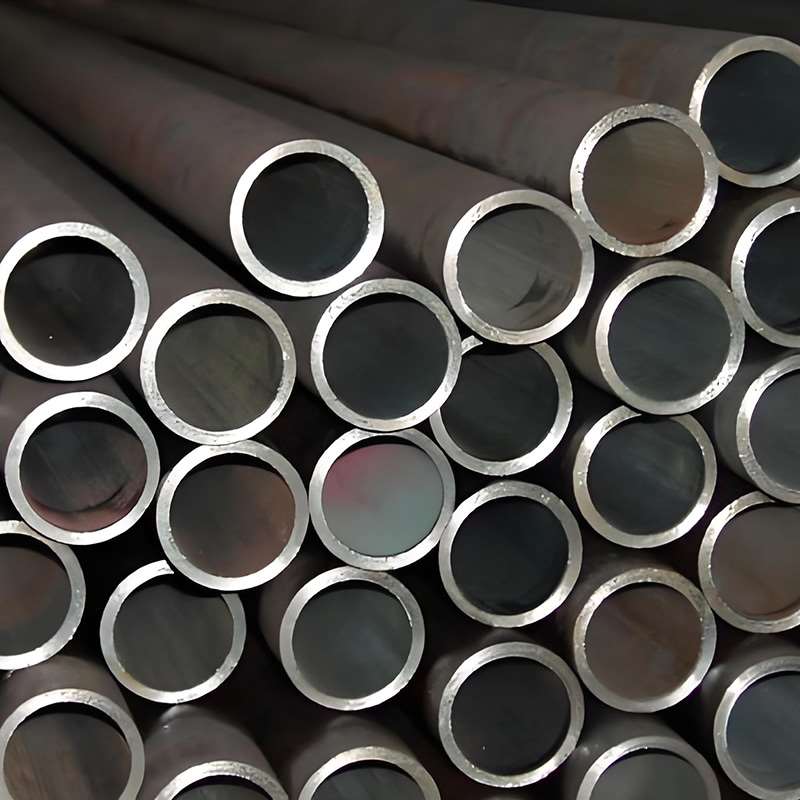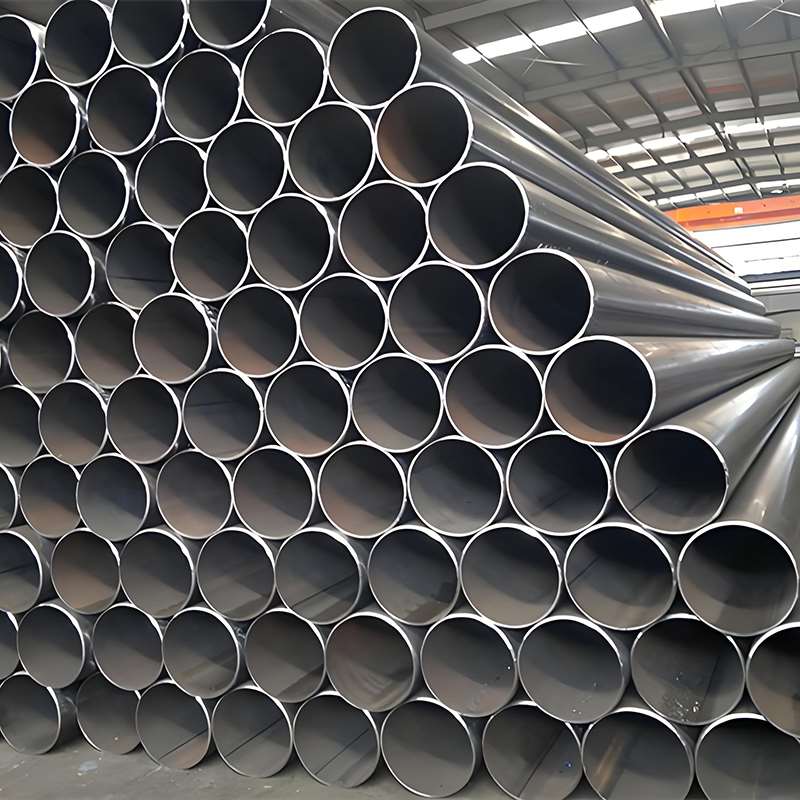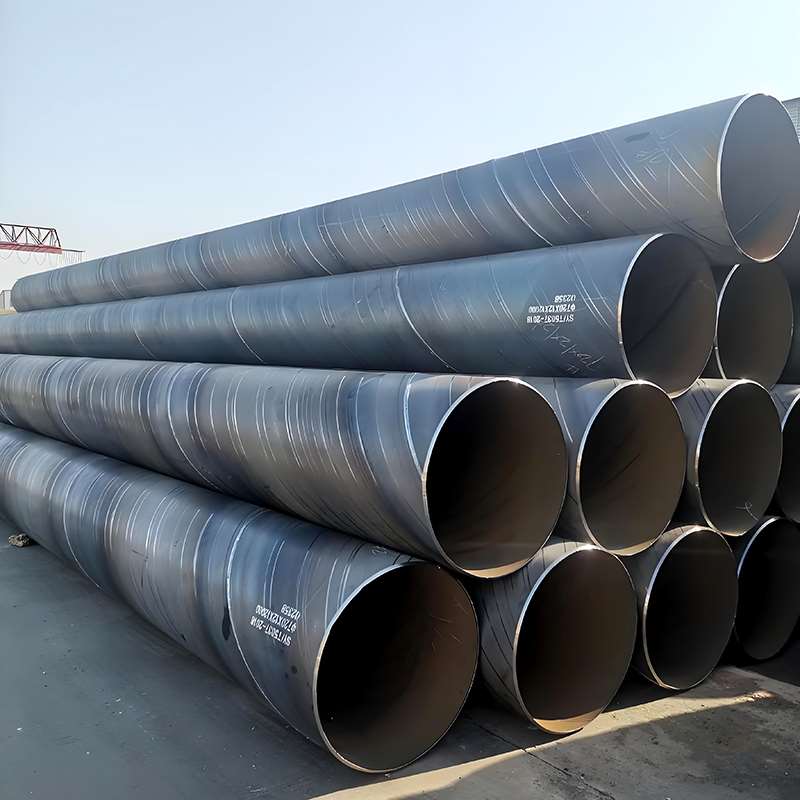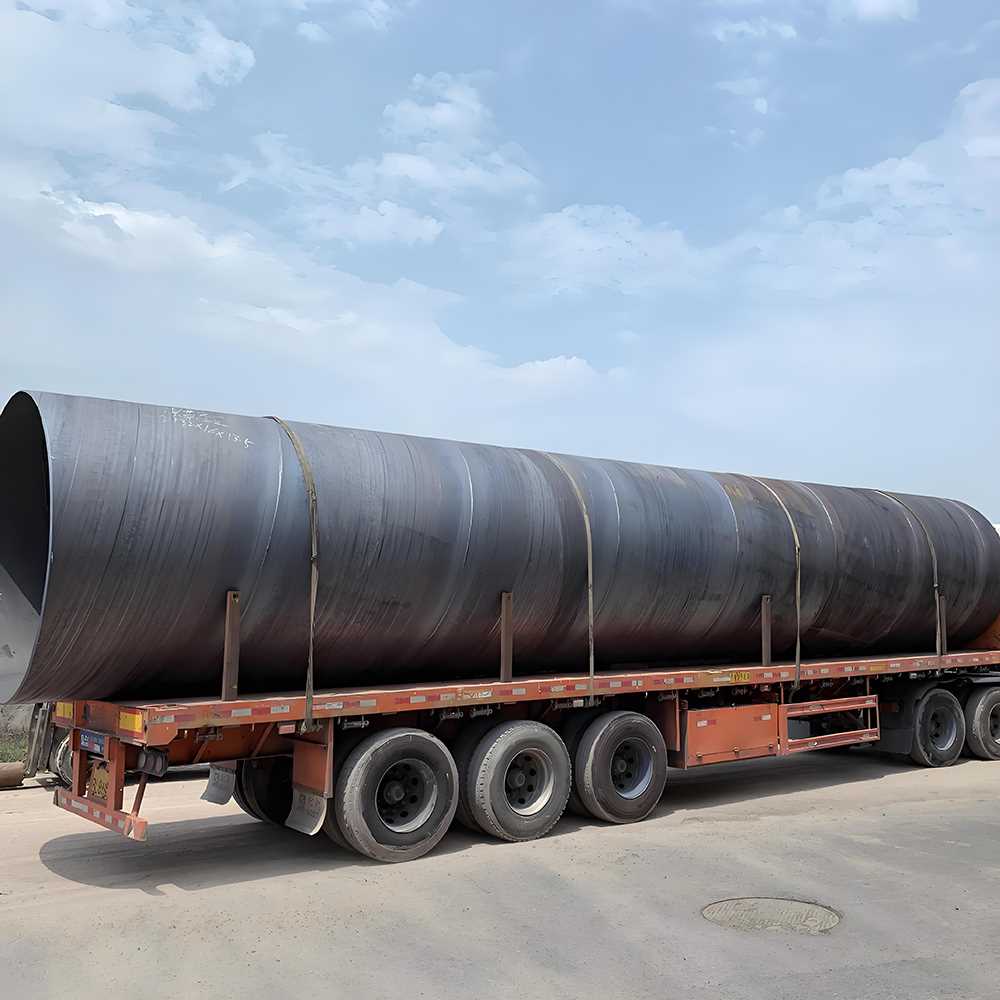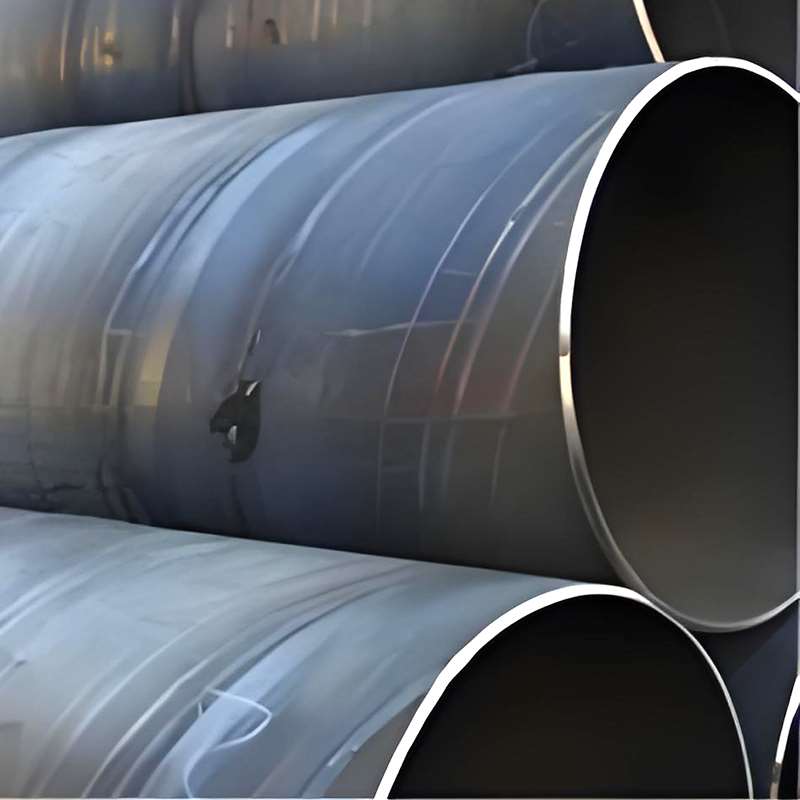
In the field of oil and gas transportation, the safety, durability, and cost-effectiveness of pipelines are of paramount importance. API 5L spiral welded steel pipes have become a key choice for long-distance oil and gas transmission pipelines due to their excellent overall performance.
This article will provide a comprehensive analysis of their value in oil and gas pipelines, covering aspects such as standards and specifications, manufacturing processes, performance characteristics, and application scenarios.
I. Introduction to the API 5L Standard
API 5L is a pipeline pipe standard established by the American Petroleum Institute, primarily used for the transportation of oil, natural gas, and water.
This standard sets strict requirements for the chemical composition, mechanical properties, manufacturing processes, and testing methods of steel pipes. Common steel grades include:
- Grade B
- X42 / X52 / X60 / X70 / X80
Different steel grades correspond to different strength classes, capable of meeting various pressure and operating conditions.
II. Manufacturing Process for Spiral Welded Steel Pipes
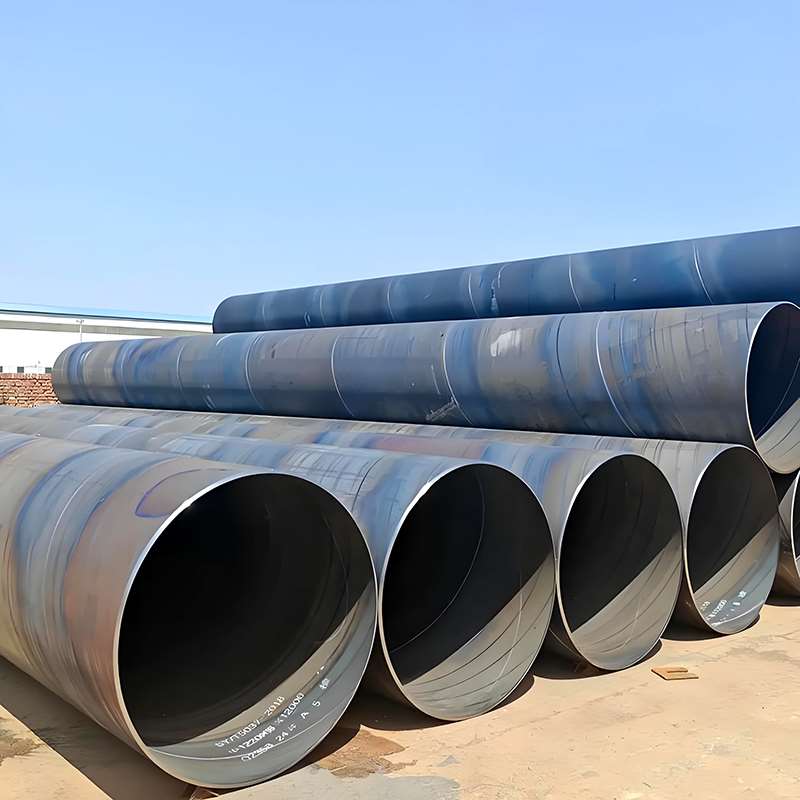
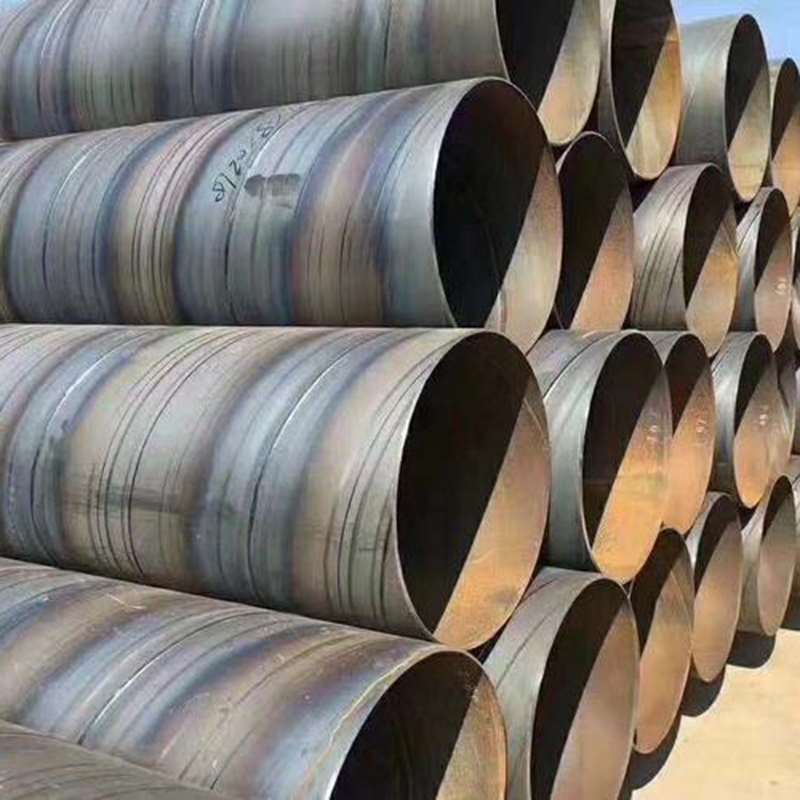
Spiral welded steel pipes (SSAW) are manufactured from hot-rolled steel coil through spiral forming and submerged arc welding (SAW).
The main production steps include:
- Raw material (steel coil) inspection
- Uncoiling and leveling
- Spiral forming
- Internal and external submerged arc welding
- Non-destructive testing (UT, RT)
- Sizing and straightening
- Corrosion protection (e.g., 3PE, FBE)
Compared to straight seam welded pipes, spiral welded pipes can be produced in larger diameters, have lower requirements for raw material width, and offer greater production flexibility.
III. Key Performance Characteristics
- High Strength and Excellent Pressure-Bearing Capacity
The API 5L standard ensures that the steel pipes possess consistent yield strength and tensile strength, making them suitable for high-pressure transportation environments. - Superior Weld Performance
The double-sided submerged arc welding process ensures high-quality welds with minimal defects, and safety is guaranteed through rigorous non-destructive testing. - Significant Cost Advantages
Compared to seamless steel pipes, spiral welded pipes offer significant cost advantages in large-diameter applications, making them an economical choice for long-distance pipeline projects. - Good Corrosion Resistance
Typically used in conjunction with 3PE anti-corrosion coatings or FBE coatings, these pipes effectively extend the service life of pipelines and are suitable for complex soil and marine environments. - Strong Adaptability to Complex Terrain
Due to their flexible lengths and specifications, these pipes are suitable for complex construction environments such as mountainous areas and river crossings.
IV. Typical Applications in Oil and Gas Pipelines
API 5L spiral welded steel pipes are widely used in the following areas:
- Long-distance oil transmission pipelines
- Natural gas trunk networks
- Urban gas pipeline systems
- Subsea and river-crossing pipeline projects
- Oil and gas gathering and transportation pipeline projects
Spiral welded steel pipes perform particularly well in large-diameter, low- to medium-pressure transmission projects.
V. Selection and Procurement Recommendations
When selecting API 5L spiral welded steel pipes for actual projects, the following factors should be given priority:
- Steel grade selection (e.g., X52 / X60): Determined based on design pressure
- Wall thickness and outer diameter: Must meet design strength requirements
- Coating type (3PE / FBE): Selected based on the operating environment
- Applicable standards and certifications: Ensure compliance with API 5L specifications
- Supplier qualifications and testing capabilities: Ensure consistent product quality