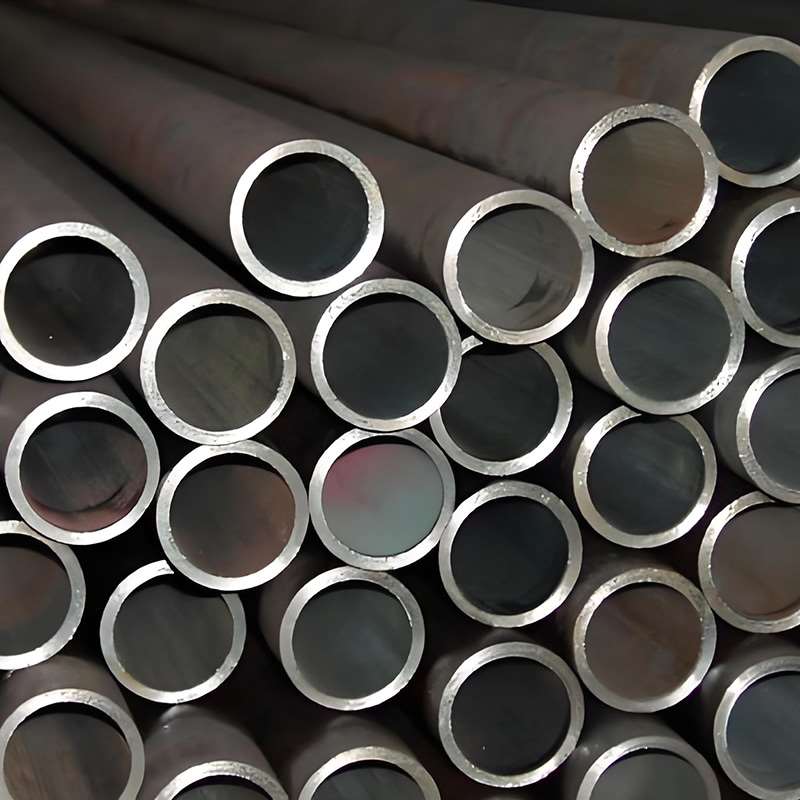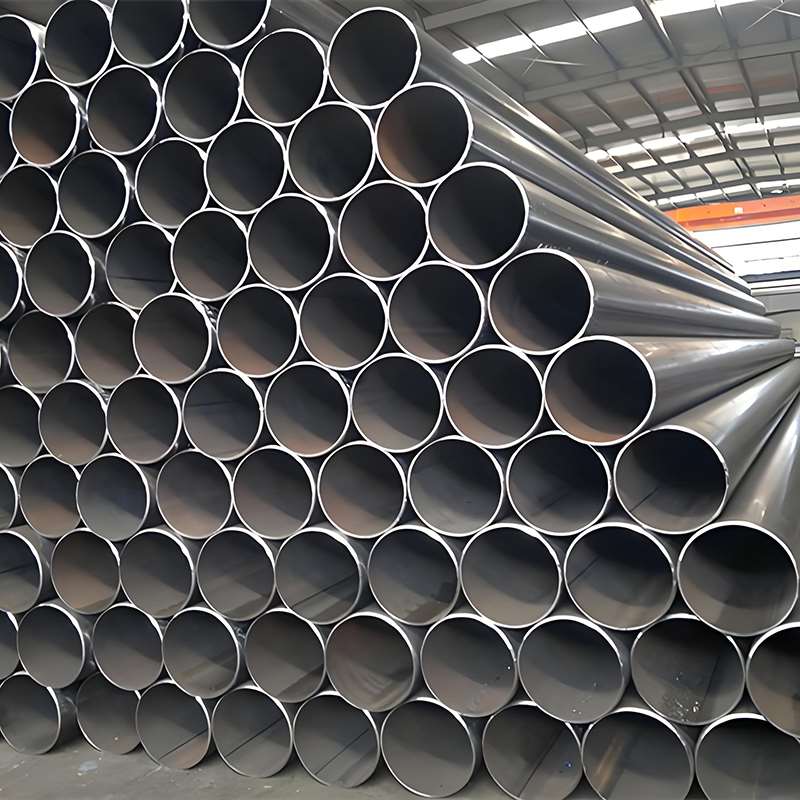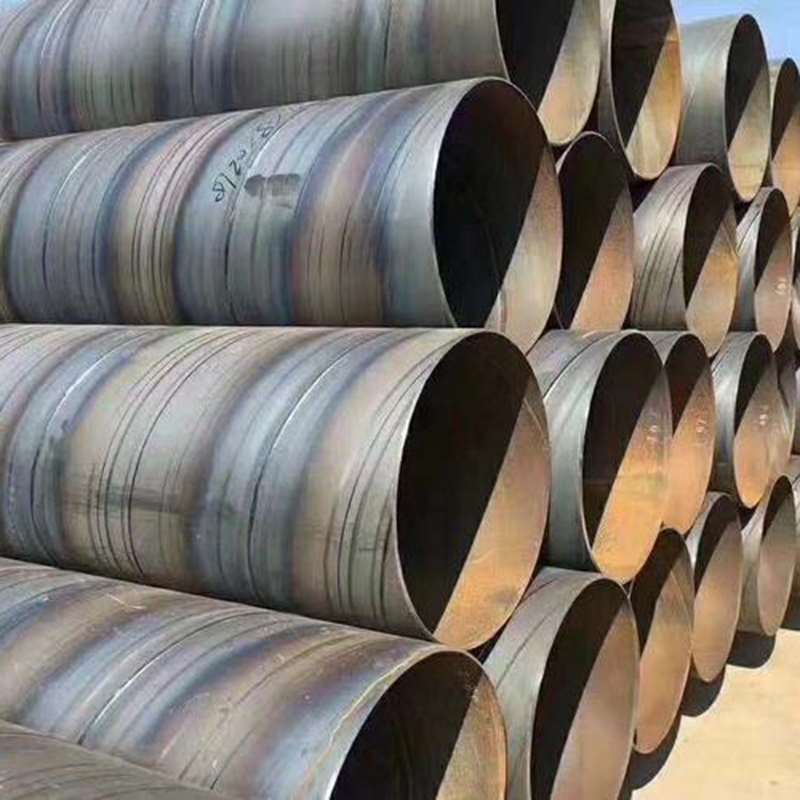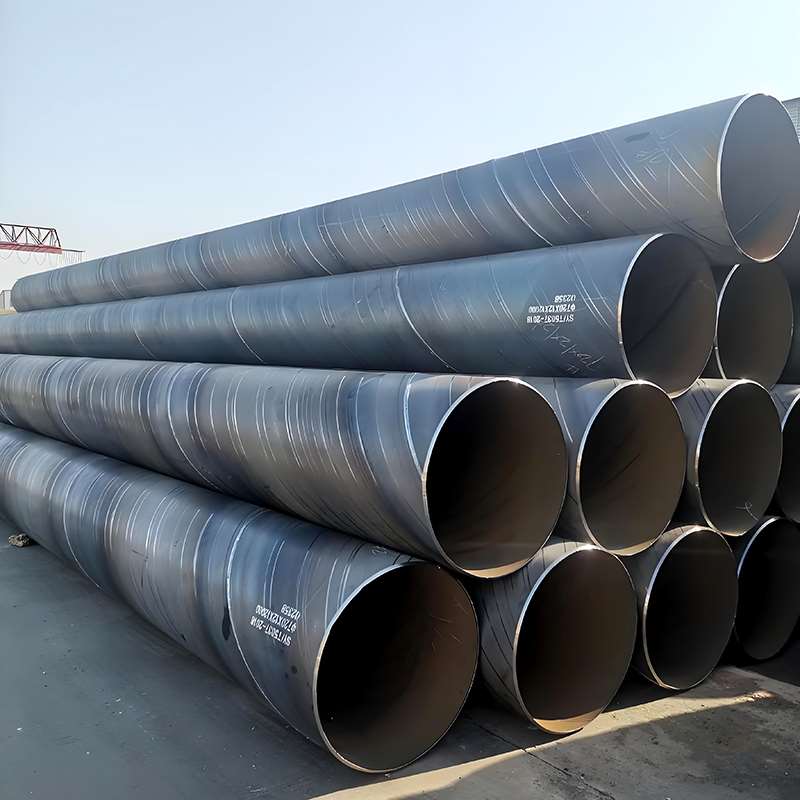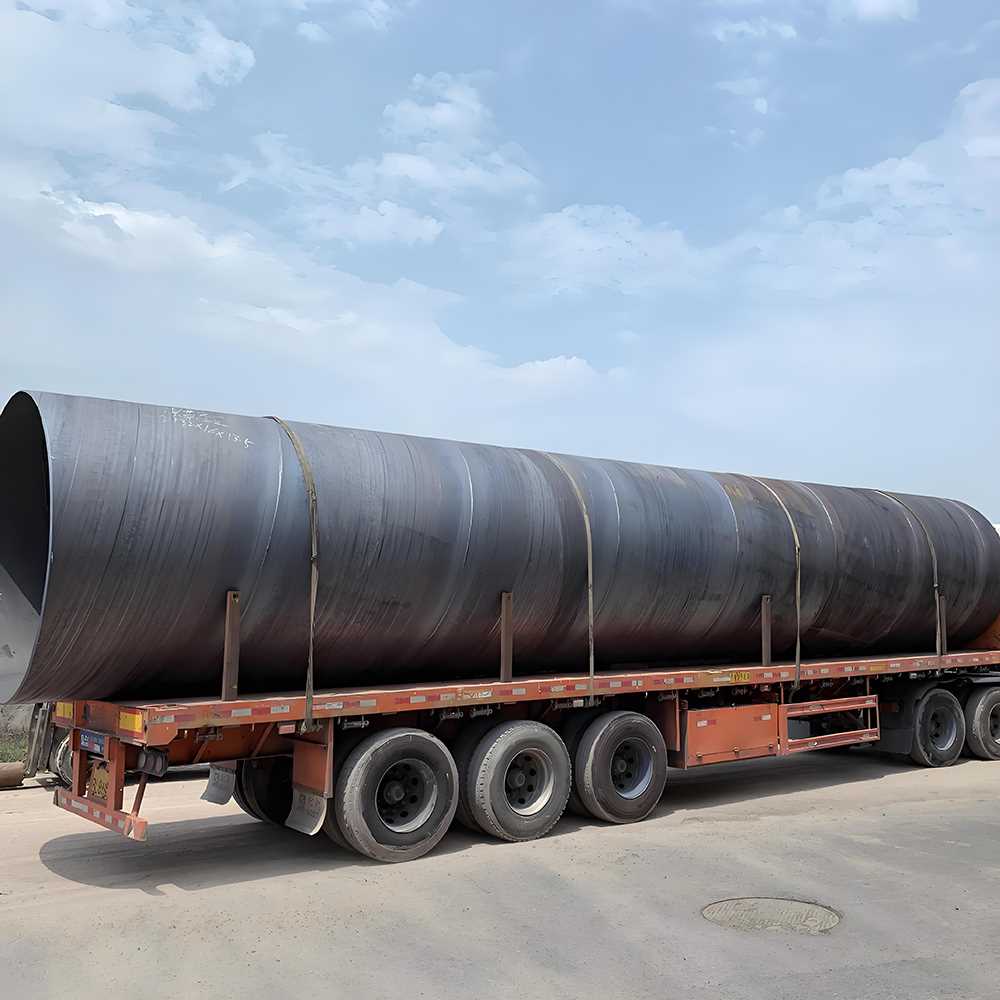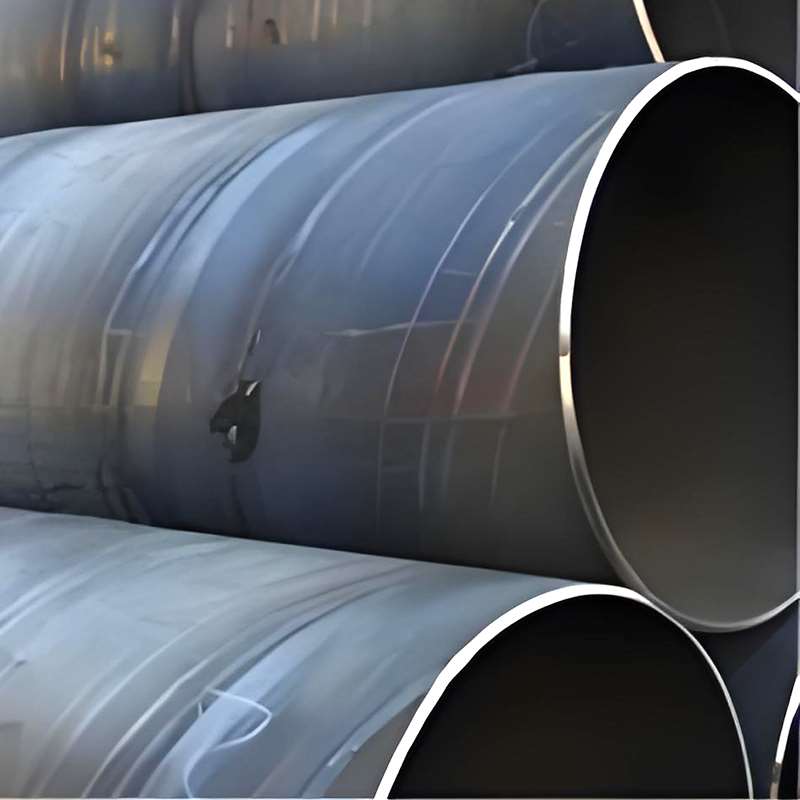
In global pipeline engineering procurement, China Spiral Steel Pipe has become a top choice for numerous oil and gas, water conservancy, and infrastructure projects due to its price advantage and production capacity.
However, for buyers, focusing solely on price is far from sufficient; striking a balance among quality, price, and delivery time is the key to successful procurement.
This article will systematically analyze these three core factors from a practical procurement perspective to help you make more informed decisions.
I. Quality: The Key Factor Determining Project Safety
1. Compliance with Standards
- High-quality Chinese spiral welded steel pipes should comply with international standards, such as:
- API 5L (oil and gas transmission)
- ASTM A252 (pile pipes)
- EN 10219 (structural pipes)
Ensuring that suppliers can provide Material Test Certificates (MTCs) and third-party test reports is the first step in assessing quality.
2. Manufacturing Processes and Testing Capabilities
Spiral welded steel pipes are typically manufactured using the submerged arc welding (SSAW) process. Key quality control measures include:
- Ultrasonic Testing (UT)
- Radiographic Testing (RT)
- Hydrostatic Testing
3. Corrosion Resistance
For oil and gas pipelines, corrosion resistance directly affects service life:
- 3PE coating (the most common choice)
- FBE coating
- Internal epoxy coating
High-quality suppliers typically operate their own coating production lines rather than outsourcing the process entirely.
II. Price: More Than Just “Cheap”
1. China’s Cost Advantages
The competitive pricing of Chinese spiral steel pipes is primarily due to the following factors:
- A comprehensive steel industry chain
- Cost reductions achieved through large-scale production
- A well-established export system
2. Key Factors Affecting Price
| Factor | Description |
|---|---|
| Raw Material (Steel Coil) | Accounts for more than 70% of the total cost |
| Steel Grade (Grade B / X52 / X60) | Higher strength results in higher price |
| Specification (Diameter / Wall Thickness) | Larger diameter leads to higher cost |
| Coating Type | 3PE > FBE > Bare Pipe (cost ranking from high to low) |
| Inspection Standard | Stricter inspection requirements lead to higher cost |
3. Avoid the Low-Price Trap
Excessively low prices usually indicate:
- Thinner-than-specified walls
- Use of lower-grade raw materials
- Reduced inspection procedures
Practical Advice:
- Don’t just compare the “unit price”; instead, consider the total cost of ownership (TCO) and service life.
III. Delivery: A Key Factor Affecting Project Progress
- Standard Delivery Times
The typical production cycle for spiral steel pipes in China is:
20–30 days (standard orders)
30–45 days (large volumes or special specifications) - Factors Affecting Delivery Times
Raw material inventory levels
Production scheduling (peak/off-peak seasons)
Time required for anti-corrosion treatment
Export logistics (ports, shipping schedules) - Ensuring On-Time Delivery
Clearly define the contract delivery time clause
Request regular production progress updates
Arrange third-party inspections when necessary
IV. How to Balance Quality, Price, and Delivery Time?
In actual procurement, it is difficult to optimize all three factors simultaneously:
- High quality + fast delivery = higher price
- Low price = potential sacrifice of quality or delivery time
Recommended Strategies:
- Oil and gas projects: Prioritize quality
- Tender projects: Balance price and quality
- Urgent projects: Prioritize delivery time
V. Practical Procurement Tips (Highly Practical)
- Prioritize manufacturers with export experience
- Require complete technical documentation (MTC + test reports)
- Conduct small-batch trial orders to verify suppliers
- Compare quotes from at least 2–3 suppliers
- Confirm whether third-party inspection (SGS / BV) is supported