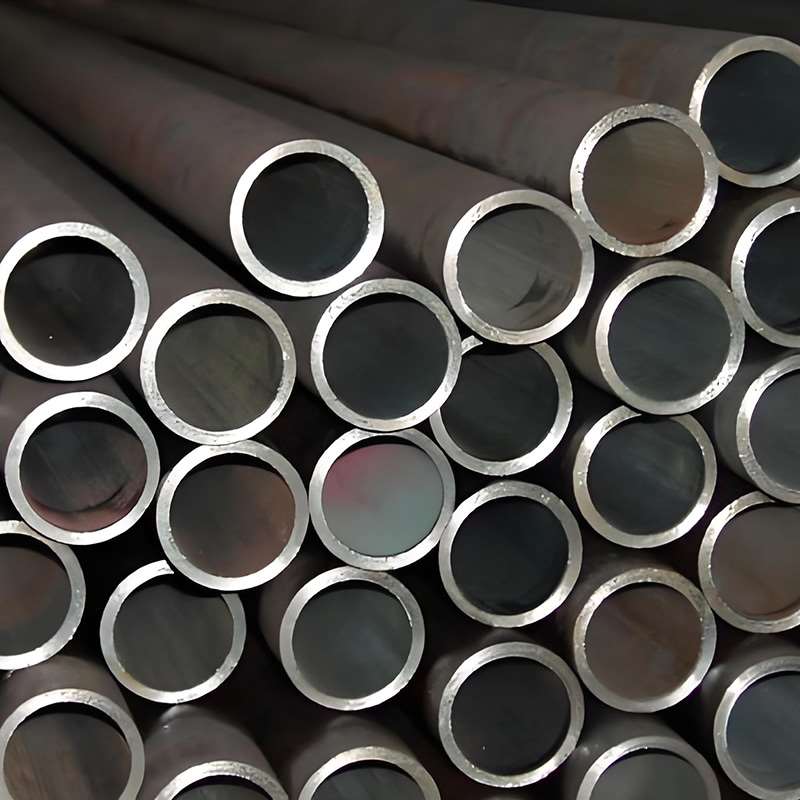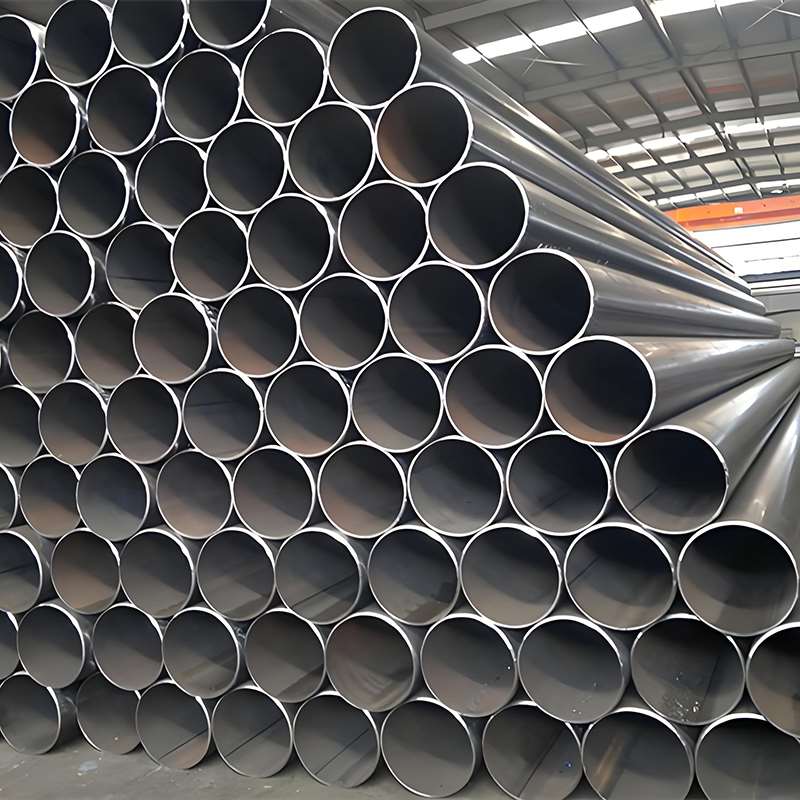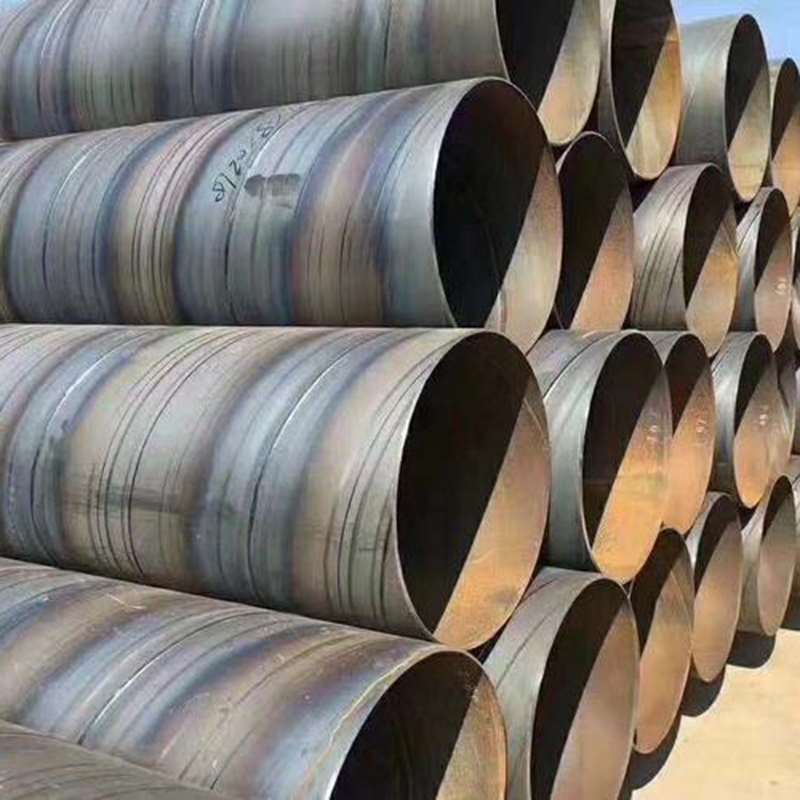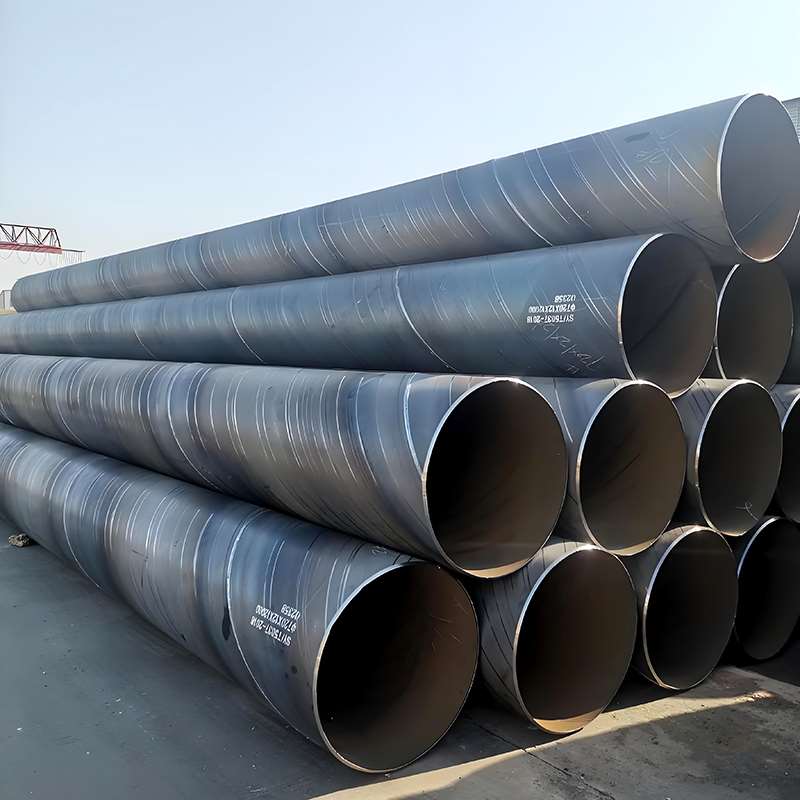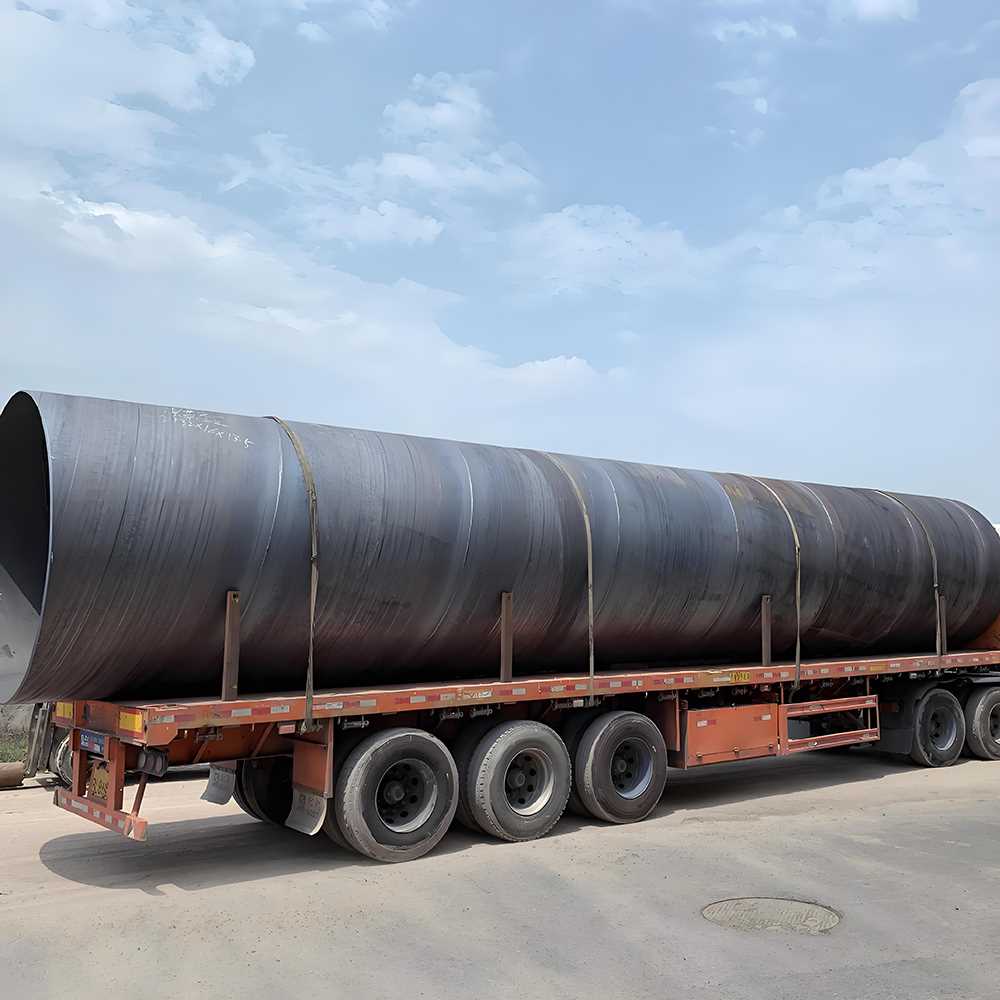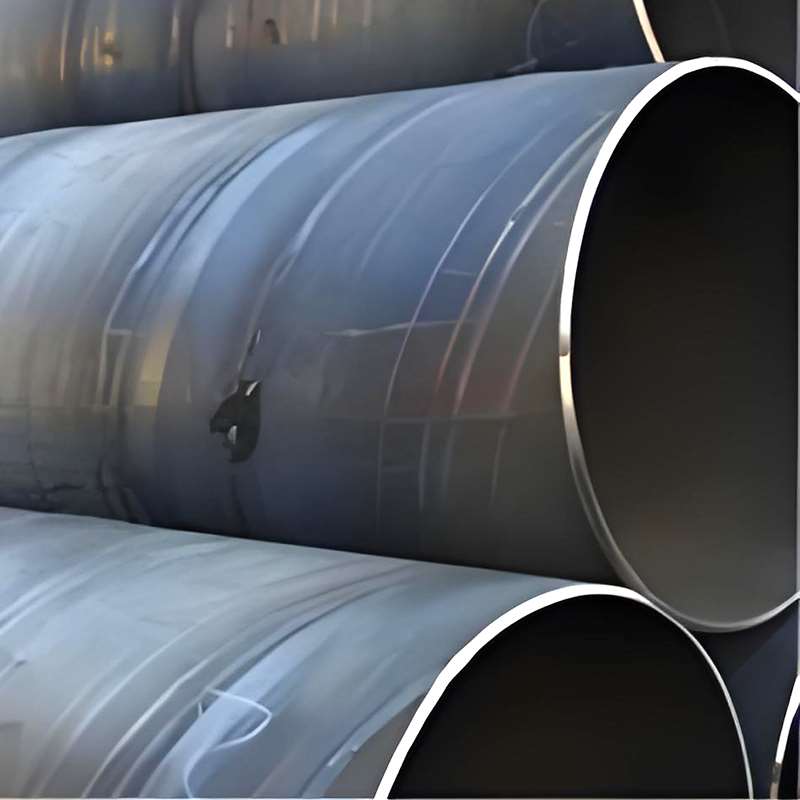
API 5L B grade welded steel pipe is a widely used pipeline steel pipe in oil, gas, and industrial fluid transportation systems, commonly used in oil and gas transportation, municipal water supply, and refinery pipeline systems.
Due to its excellent overall performance and high cost-effectiveness, it has become one of the most common basic pipeline steels in engineering projects worldwide.
In actual selection, the two most common questions users ask are:
- What exactly is API 5L B grade welded steel pipe?
- What is the difference between PSL1 and PSL2?
Simply put:
- PSL1 = Basic Grade
- PSL2 = Enhanced Quality and Inspection Grade
- Next, we will explain this step by step, from the standard and steel grade definition to the core differences.
I. What is API 5L Grade B welded steel pipe?
i. What is the API 5L standard?
API 5L is a pipeline steel pipe standard developed by the American Petroleum Institute (API), primarily used to regulate the following aspects of pipelines transporting oil, gas, and other fluids:
- Chemical composition
- Mechanical properties
- Manufacturing process
- Testing and acceptance requirements
ii. Core Characteristics of API 5L B Grade (Grade B / L245)
API 5L B grade is one of the most basic and widely used steel grades in the standard, also known as L245 steel grade.
Its basic mechanical properties are as follows:
- Minimum yield strength: 245 MPa
- Minimum tensile strength: 415 MPa
Its characteristics can be summarized as:
- Moderate strength
- Relatively low cost
- Good weldability
- Strong engineering adaptability
Therefore, it is mainly used in medium and low pressure pipeline systems.
iii. Comparison of API 5L Grade B with other steel grades
| Grade | Strength Level | Typical Applications |
|---|---|---|
| Grade B (L245) | Medium | Low to medium pressure transmission pipelines |
| X42 | Relatively high | Medium to high pressure transmission |
| X52 | Higher | High-pressure oil and gas transmission |
This shows that Class B is more geared towards basic engineering application scenarios.
iv. Manufacturing Process and Applications
API 5L Grade B welded steel pipes are typically manufactured using the following processes:
- ERW (Electrical Resistance Welding)
- LSAW (Straight Seam Submerged Arc Welding)
- SSAW (Spiral Submerged Arc Welding)
Main applications include:
- Onshore oil and gas pipelines
- Oil refining and chemical pipeline networks
- Municipal water supply systems
- General industrial fluid transportation
III. What is the difference between PSL1 and PSL2?
i. Basic Definition of PSL
PSL (Product Specification Level) represents the product specification level and is a grading system for steel pipe quality requirements in the API 5L standard.
It is divided into only two levels:
- PSL1: Basic Quality Level
- PSL2: Enhanced Quality Level
PSL2 is superior to PSL1 in all quality control aspects.
ii. Comparison of core differences between PSL1 and PSL2
| Comparison Item | PSL1 | PSL2 |
|---|---|---|
| Chemical composition control | Relatively relaxed | More stringent |
| Carbon content (C) | ≤0.26% (welded pipe) | ≤0.22% |
| Sulfur (S) | ≤0.03% | ≤0.015% |
| Phosphorus (P) | ≤0.03% | ≤0.025% |
| Carbon equivalent | Not mandatory | Mandatory control required |
| Impact toughness test | Not required | Required |
| Yield-to-tensile ratio control | No requirement | ≤0.93 |
| Non-destructive testing (NDT) | Sampling inspection | 100% inspection (piece-by-piece) |
| Process control | Standard control | Strict process control |
| Application scope | General pipelines | Critical / severe service conditions |
| Cost | Lower | Higher |
iii. Summary of Core Differences
The main differences between PSL1 and PSL2 are in four aspects:
- ① Higher Material Purity
PSL2 has stricter control over impurities such as carbon, sulfur, and phosphorus. - ② More Reliable Mechanical Properties
PSL2 must undergo impact toughness testing, making it more suitable for low-temperature and high-pressure environments. - ③ Stricter Testing Standards
PSL2 requires non-destructive testing on a per-piece basis, resulting in stronger quality traceability. - ④ More Refined Manufacturing Process
It has higher requirements for welding process control and heat treatment.
IV. How to choose between PSL1 and PSL2?
| Service Condition Type | Recommended Grade |
|---|---|
| General water transport | PSL1 |
| Low to medium pressure oil & gas pipelines | PSL1 |
| High-pressure transmission systems | PSL2 |
| Offshore engineering (offshore) | PSL2 |
| Low-temperature or corrosive environments | PSL2 |
V. Ordering and Selection Considerations
In actual procurement, the following points require special attention:
- Identify the API 5L standard version
- Identify the steel grade (Grade B / L245)
- Identify the PSL grade (PSL1 or PSL2)
- Identify the welding process (ERW / LSAW / SSAW)
- Identify the testing requirements (whether each piece needs to be tested)
- Identify the size specifications and delivery requirements
Otherwise, quality disputes or cost discrepancies may easily occur.
VI. Common Misconceptions
- PSL2 is always better than PSL1.
It depends on the specific working conditions. - There is only one standard for Grade B steel.
In reality, there are PSL1 and PSL2. - Only looking at the steel grade and ignoring PSL.
PSL also affects the safety level.