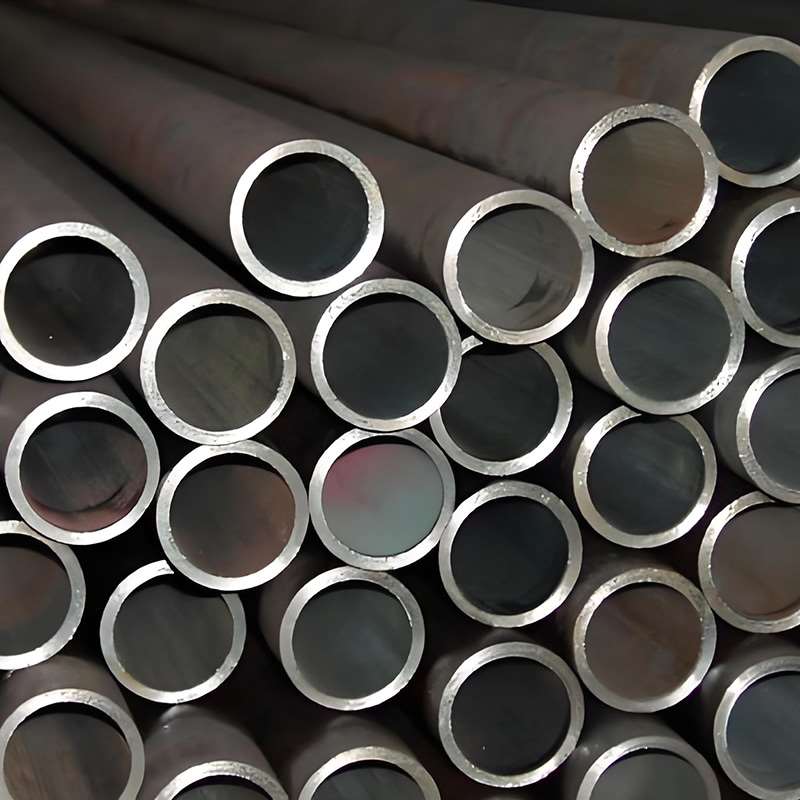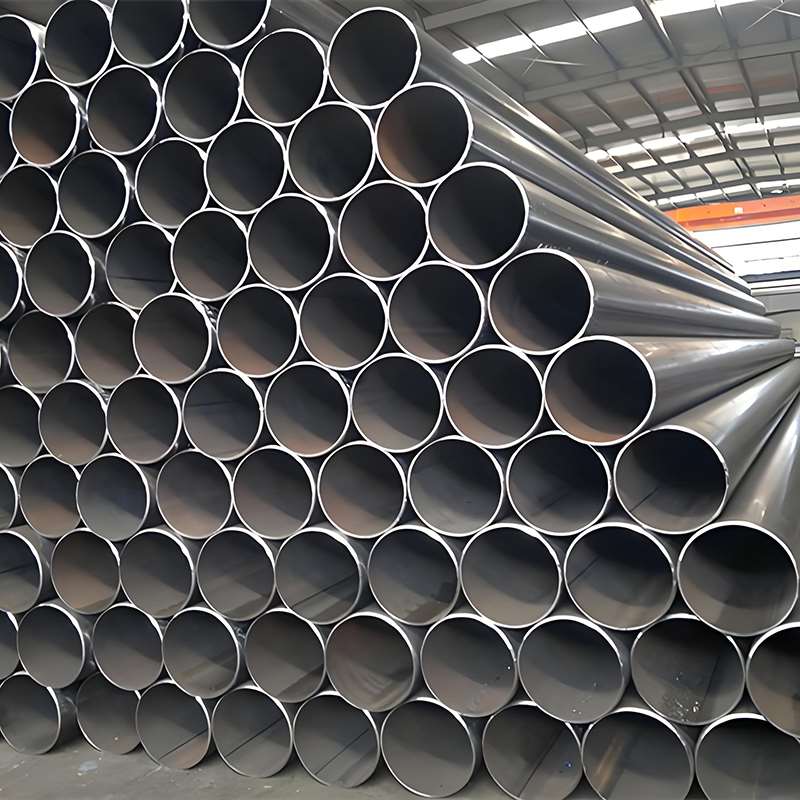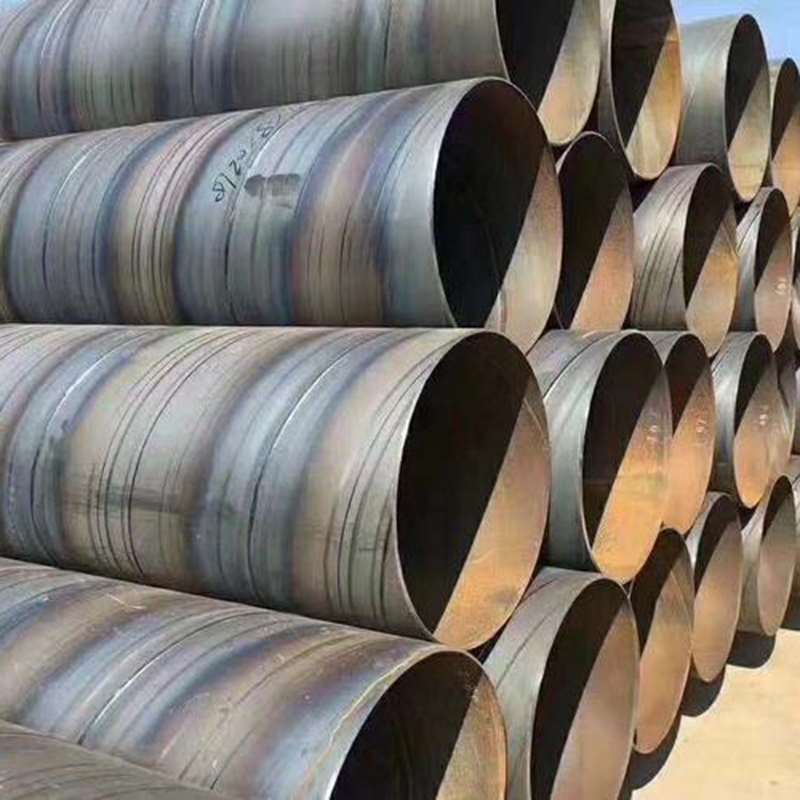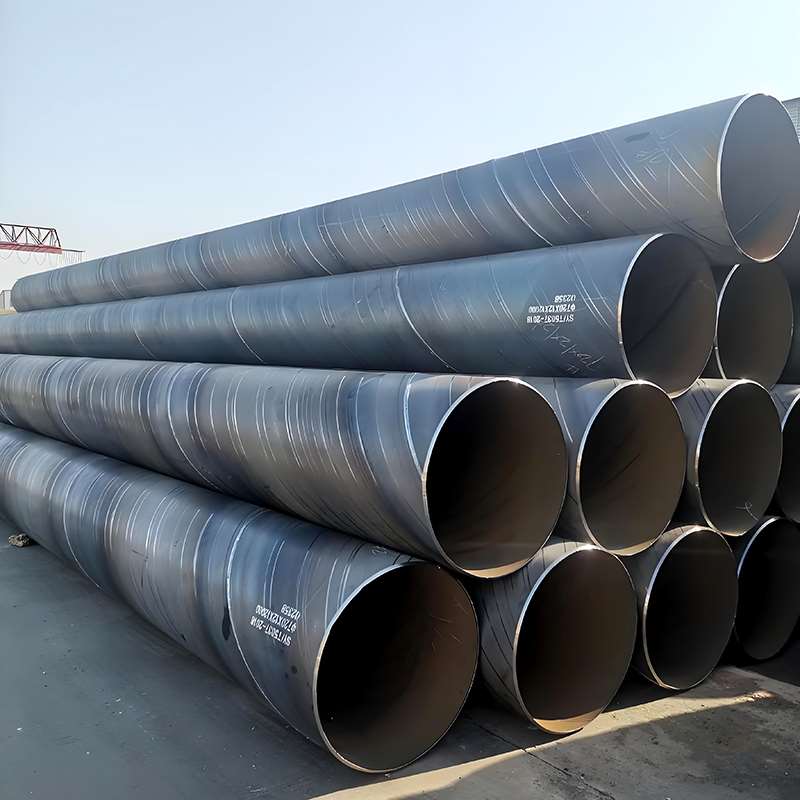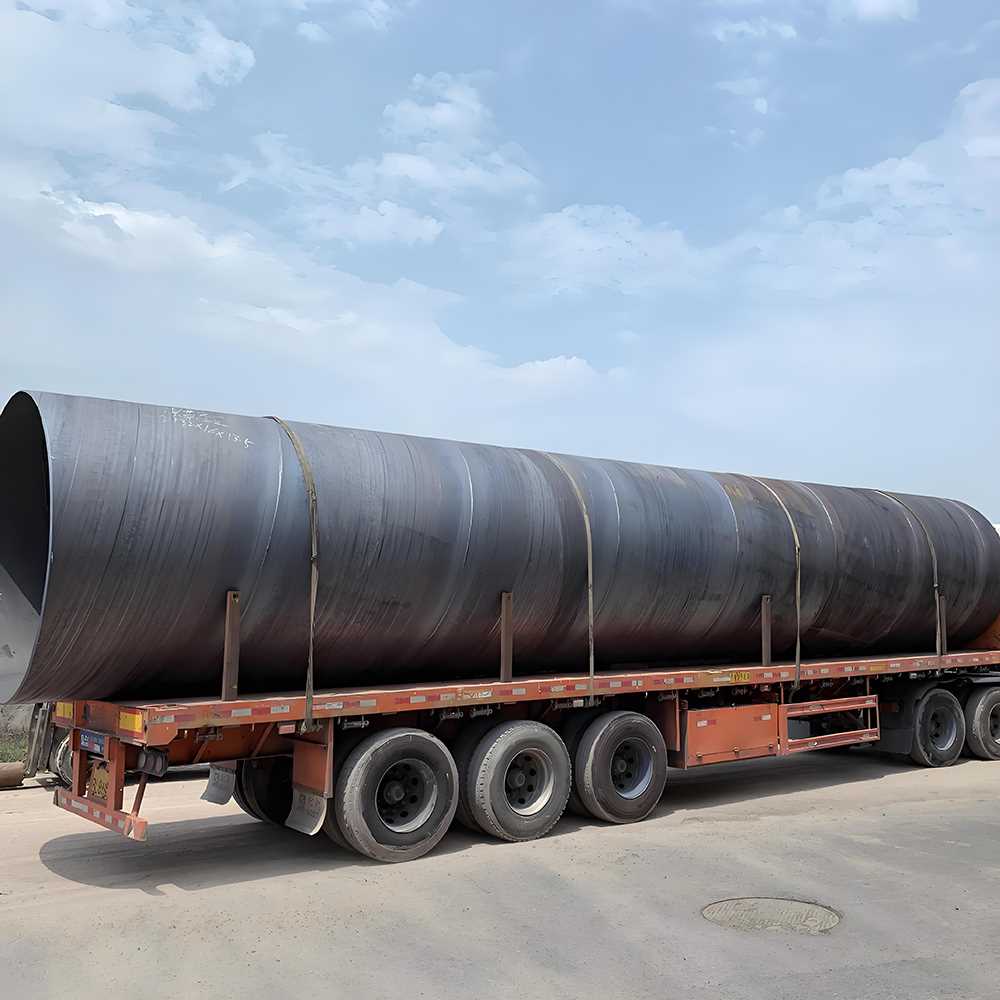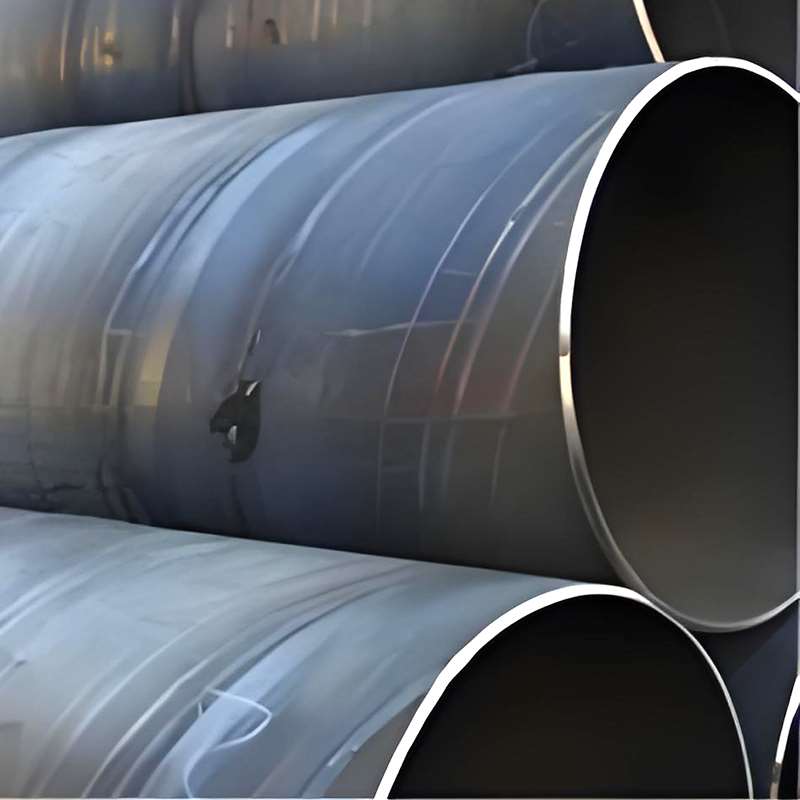
In the global steel pipe procurement market, China is one of the leading production and export hubs for spiral steel pipes (SSAW pipes).
For buyers, selecting a reliable china spiral steel pipe supplier directly impacts project quality, cost control, and delivery times. Below, we present a practical, actionable screening method from a procurement perspective.
I. Verify Compliance with International Standards
First, verify whether the supplier is capable of manufacturing products in accordance with international standards. Common standards include:
- API 5L (Oil and Gas Transmission Pipelines)
- ASTM A252 (Piling Pipe)
- EN 10219 (Structural Tubing)
- GB/T 9711 (Chinese Standard for Oil and Gas Pipelines)
Key Recommendation:
- Do not merely rely on the supplier’s claim that they “can produce” the product; instead, request authentic test reports (MTC) and third-party inspection certificates (e.g., SGS, BV) to ensure the product actually complies with the standards, rather than relying on verbal assurances.
II. Assessing Production Capacity and Manufacturing Capabilities
A reliable supplier typically possesses stable production capacity and a well-established manufacturing system. You should focus on the following:
- Whether the supplier has a submerged arc spiral welding (SSAW) production line
- The maximum outer diameter and wall thickness ranges they can produce
- Whether their annual production capacity meets your project requirements
- Whether they support continuous delivery of large batches
Practical Tips:
- Ask the supplier to provide factory videos, equipment lists, or on-site photos, and arrange a third-party factory audit if necessary.
III. Focus on Inspecting the Quality Control System
Steel pipes are engineering materials; any quality issues can result in extremely high costs. Therefore, quality control is of the utmost importance.
Key Focus Areas:
- Whether ultrasonic testing (UT) or radiographic testing (RT) is performed
- Whether hydrostatic testing is performed
- Whether a comprehensive quality traceability system is in place
- Whether the system complies with the ISO 9001 Quality Management System
Recommendations:
- Request a complete inspection test plan (ITP), not just the final report.
IV. Adequacy of Corrosion Protection
For oil and gas pipeline projects, corrosion protection directly impacts service life. High-quality suppliers typically have a well-established corrosion protection system, such as:
- 3PE anti-corrosion coating (most commonly used)
- FBE epoxy powder coating
- Internal coating (e.g., epoxy coating)
Key Points:
- Confirm whether the corrosion protection is performed in-house or outsourced. If outsourced, verify the qualifications of the contractor.
V. Price Is Not the Only Criteria
Many buyers are prone to falling into the “low-price trap,” but when it comes to steel pipe products, it is more important to consider the total cost:
- Are the raw materials (steel coils) sourced from legitimate suppliers?
- Is there any cutting corners (reducing wall thickness, using lower-grade steel)?
- Do the costs include testing and anti-corrosion treatment?
Rule of thumb:
- If the price is significantly below market levels, be particularly wary of quality risks.
VI. Delivery Capability and Communication Efficiency
Project-based procurement often involves strict delivery deadlines, so the following factors should be evaluated:
- Standard lead times (e.g., 20–40 days)
- Experience with exports (customs clearance, shipping, packaging)
- Smooth communication in English
- Ability to respond quickly to technical issues
Recommendations:
- Prioritize suppliers with an experienced international trade team to minimize communication errors.
VII. Project Experience and Case Studies
Suppliers with actual project experience are generally more reliable. You may request:
- Examples of past projects (oil and gas, water resources, municipal infrastructure, etc.)
- A record of exports to other countries
- Types of clients (EPC contractors, general contractors, distributors)
Bonus points:
- Experience with large-scale pipeline projects (such as national-level oil and gas projects) indicates greater operational stability.
VIII. Do They Support Third-Party Inspections?
Reliable suppliers typically do not object to third-party inspections, such as those conducted by:
- SGS
- BV
- TÜV
This not only serves as a guarantee of product quality but also demonstrates the supplier’s confidence in their operations.
IX. Small-Volume Trial Orders Are the Best Way to Verify Quality
If this is your first collaboration, we recommend starting with:
- A small-volume order to test quality
- Verifying the consistency of delivery times
- Assessing communication and service capabilities
This is one of the most effective ways to mitigate procurement risks.