In the industrial and construction sectors, selecting the appropriate type of steel pipe is critical for project cost control and structural safety.
spiral steel pipe (SSAW) and seamless steel pipes are the two most commonly used materials.
The following are the key differences between them in terms of manufacturing processes, performance characteristics, and application scenarios:
I. Fundamental Differences in Manufacturing Processes
- Seamless Steel Pipes:
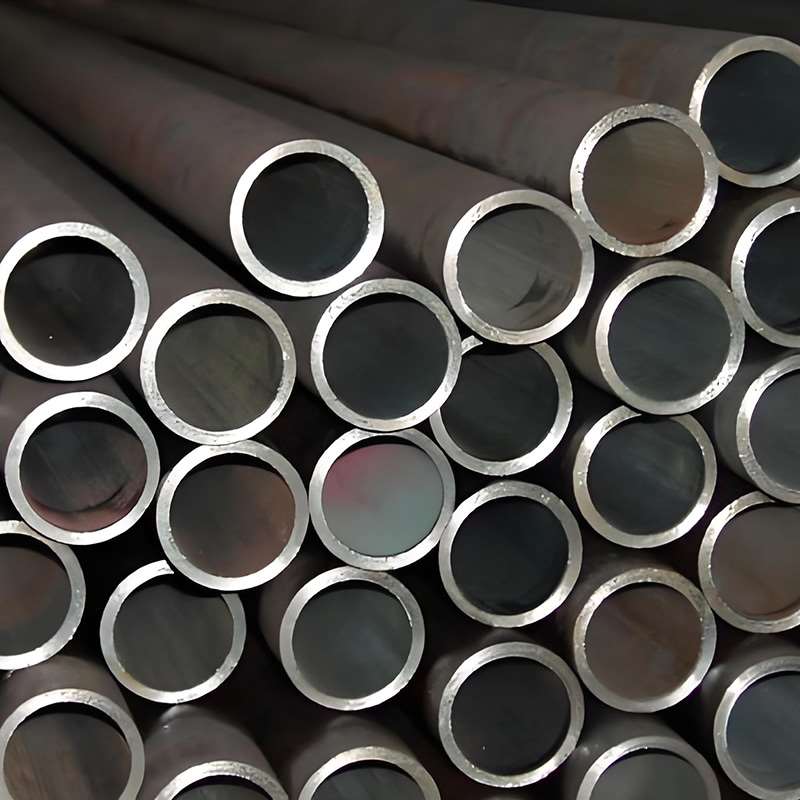
Manufactured from round steel billets through piercing, hot rolling, or cold drawing. The entire pipe has no seams; this “monolithic” characteristic gives it extremely high structural integrity. - Spiral Welded Steel Pipes:
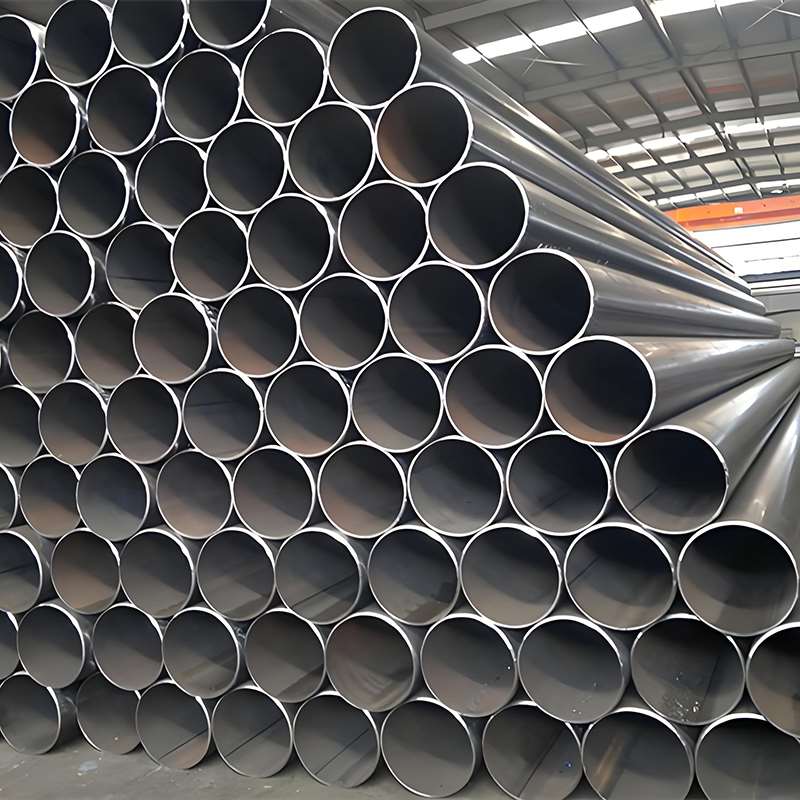
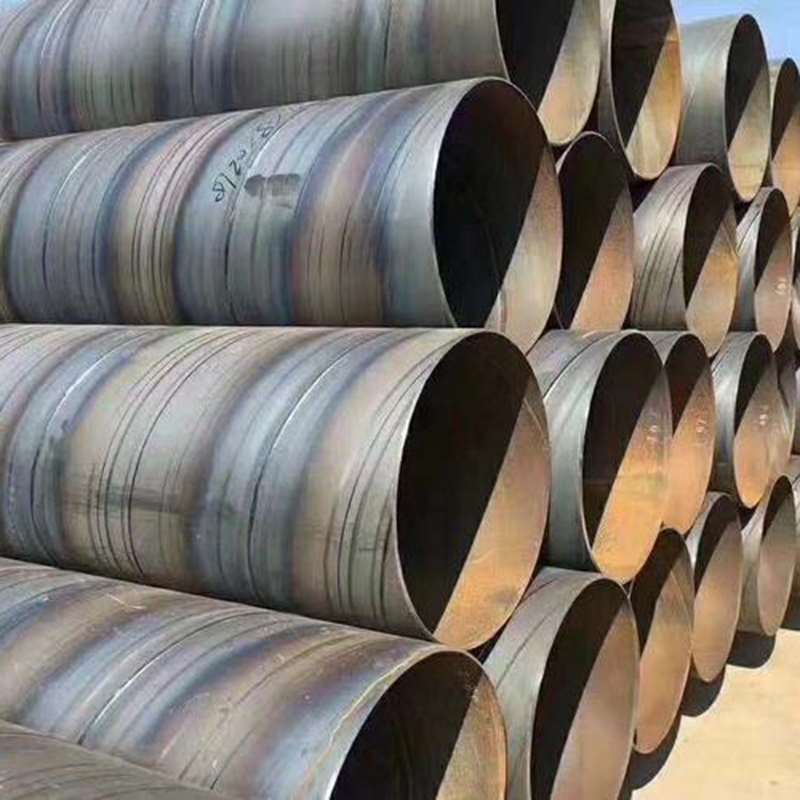
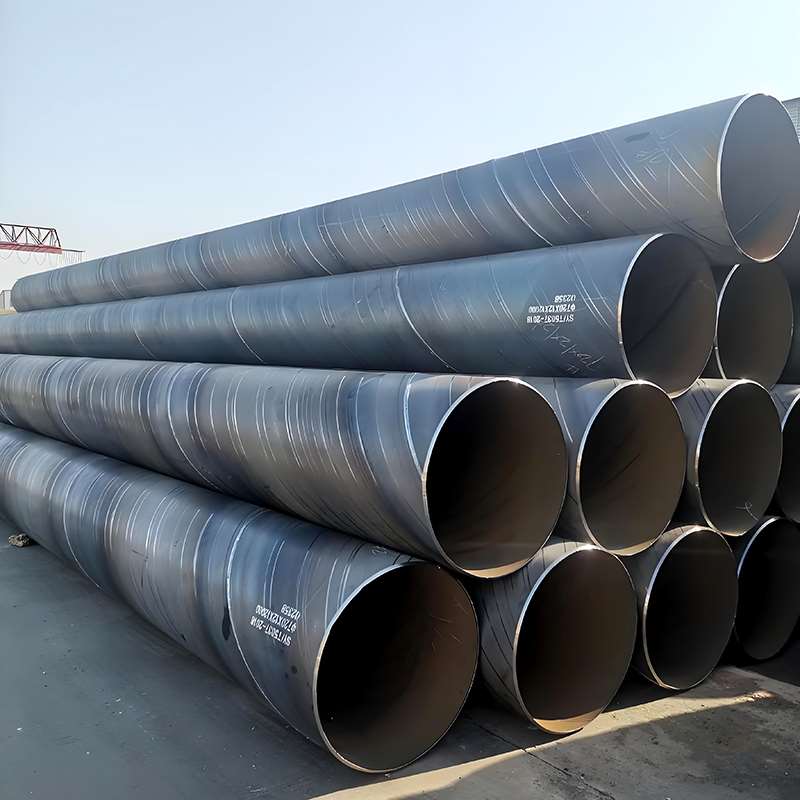
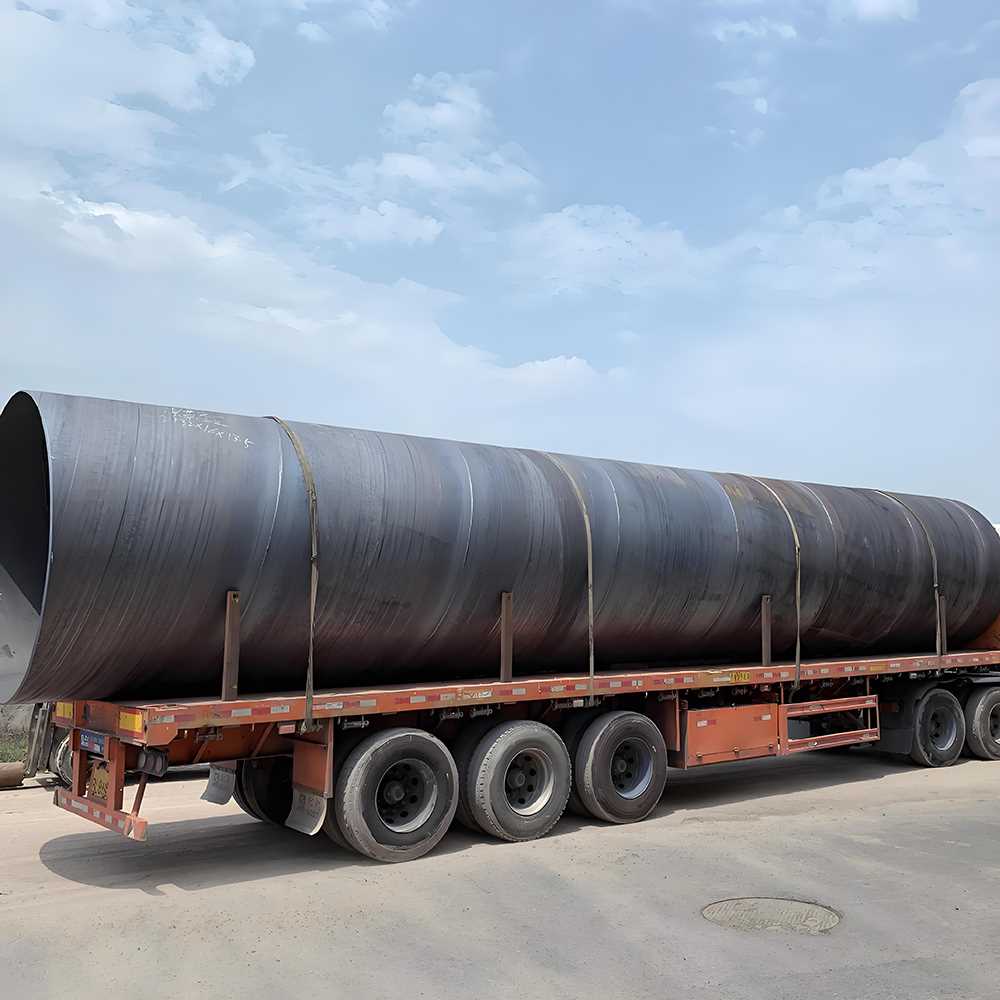
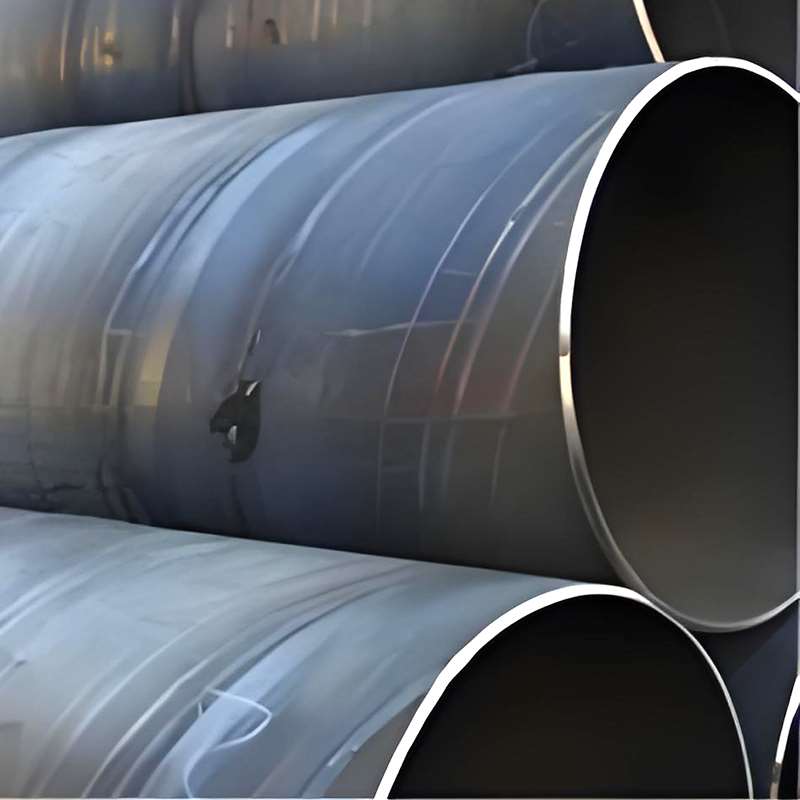
These are manufactured by rolling strips of low-carbon structural steel or low-alloy structural steel into a pipe blank at a specific spiral angle (known as the forming angle), and then welding the seam to form the pipe. Because their shape resembles a spring, they are referred to as spiral welded steel pipes.
II. Comparison of Core Performance
| Feature | Seamless Steel Pipe (Seamless) | Spiral Welded Pipe (SSAW) |
|---|---|---|
| Pressure Capacity | Extremely high, suitable for ultra-high pressure environments | Relatively lower, weld seam is a comparatively weak point |
| Size Range | Mainly medium and small diameters (usually below 24 inches) | Ideal for very large diameters (can exceed 3000 mm) |
| Production Length | Limited length, usually 6–12 meters | Can be produced in very long lengths, reducing the number of joints |
| Cost | Higher (complex process, lower material utilization) | Lower (high efficiency, can use narrow strip to produce large diameter pipes) |
| Wall Thickness Uniformity | Slightly lower, thickness may be uneven | Better, strip steel thickness is inherently more uniform |
III. In-Depth Analysis of Advantages and Disadvantages
Seamless Steel Pipes
- Advantages: No welds, superior corrosion resistance, and the highest level of safety in high-pressure, high-strength mechanical structures.
- Disadvantages: Expensive, and unable to produce pipes with excessively large diameters (the cost of large-diameter seamless pipes is astronomical).
Spiral Welded Steel Pipes
- Advantages: They are produced from narrower strip widths, meaning pipes of different diameters can be manufactured from steel strips of the same width; they offer excellent cost-effectiveness for large-scale, long-distance transportation projects.
- Disadvantages: The weld seam is longer (30%–100% longer than that of straight-seam pipes), resulting in a relatively higher probability of welding defects and stricter requirements for anti-corrosion coatings.
IV. Typical Applications
Seamless steel pipes are primarily used in:
- High-pressure boilers and power plants: To withstand high-temperature, high-pressure steam.
- Petroleum cracking: High-pressure pipelines within refineries.
- Machine manufacturing: Such as automotive drive shafts and hydraulic supports.
Spiral-welded steel pipes are primarily used in:
- Municipal engineering: Urban water supply and drainage systems, and district heating networks.
- Long-distance transmission: Large-diameter onshore transmission pipelines for natural gas and petroleum.
- Structural support: Piling pipes, bridge supports, and steel structure buildings.